Best Museums for Kids in Berlin: Family-Friendly Guide (2026)
Berlin's best museums for children in 2026 — organised by age, with verified prices, stroller and baby-change details, and a rainy-day decision tree by neighbourhood.
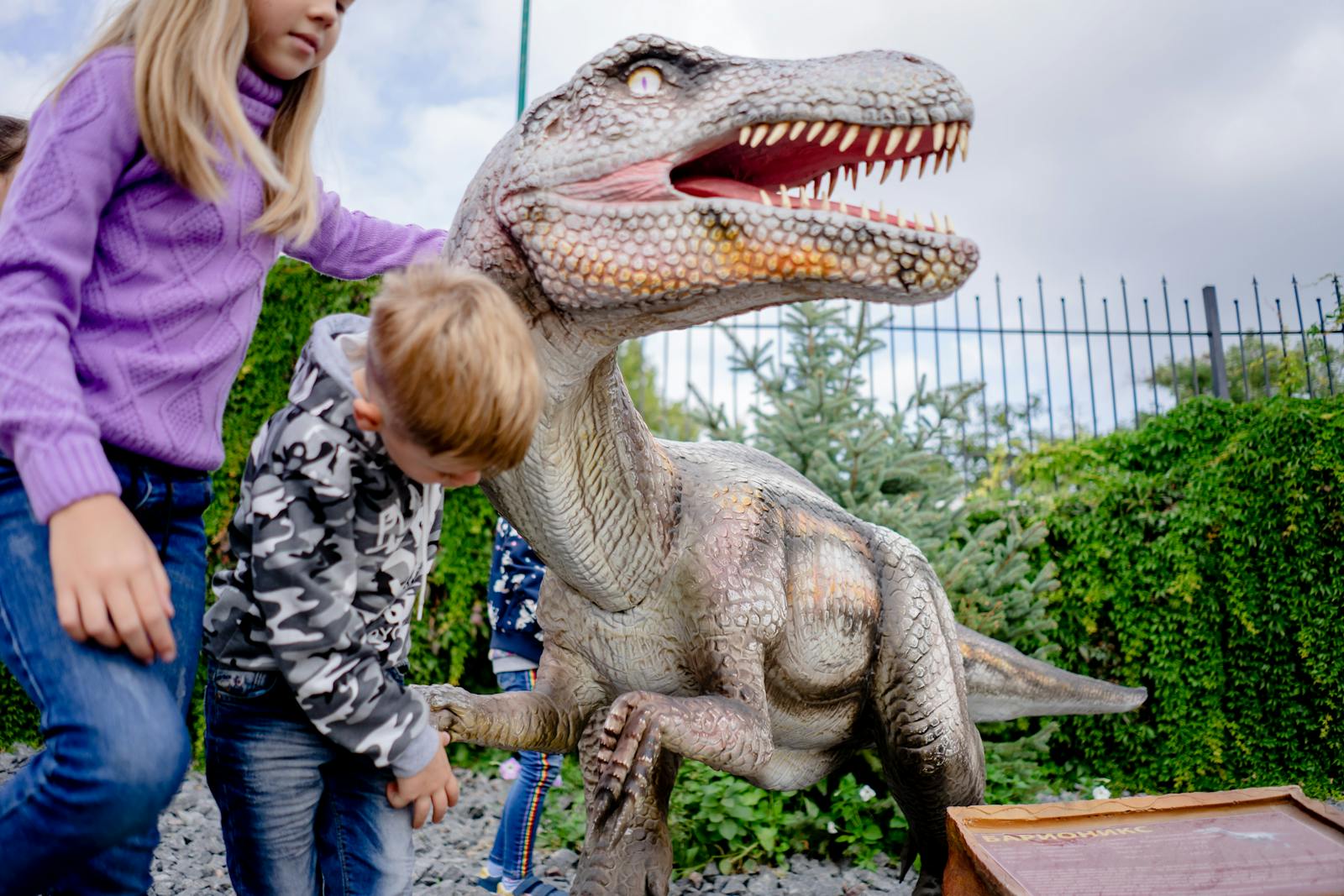
Berlin has more than 175 museums and roughly twenty of them are genuinely brilliant for children. The trick is knowing which twenty, because half the family travel blogs on the internet are still recommending museums that closed years ago (Currywurst Museum, the Aquadom that collapsed in December 2022) and the other half are pitched at the wrong age band. This is a practical guide to the best museums for kids in Berlin in 2026 — organised by age range, verified for current opening times and prices, with honest notes about which exhibits actually hold a child’s attention and which are sold as kid-friendly but really aren’t. I’ve structured the list by tier (top picks, dedicated children’s museums, special-interest, and a short “skip” list), with a rainy-day strategy at the end because Berlin weather will be the deciding factor on at least half your days.
Quick-Pick by Age
- Ages 0–3: MACHmit! sensory rooms, Labyrinth toddler corner. Stick to museums with hands-on play areas; longer text-based exhibits won’t work.
- Ages 3–6: ANOHA (the Noah’s Ark next to the Jewish Museum), Labyrinth, MACHmit!, parts of Spectrum (science hands-on at the Technikmuseum), Naturkundemuseum dinosaur hall.
- Ages 6–10: Naturkundemuseum (full visit), Deutsches Technikmuseum and Spectrum, Computerspielemuseum, Museum für Kommunikation, Futurium.
- Ages 10–14: German Spy Museum, DDR Museum, Computerspielemuseum, Futurium, Berlin Wall sites.
- Teens 14+: Anne Frank Zentrum, Stasi Museum, Topography of Terror, Berlin Story Bunker (with caveats — heavy material).
Tier 1 — The Big Three
Museum für Naturkunde (Natural History Museum)
Invalidenstrasse 43, 10115 Berlin · Tue–Fri 9:30–18:00, Sat–Sun 10:00–18:00, closed Mon · €11 / €5 reduced; under 6 free; Berlin Museum Pass valid.
The single best museum visit in Berlin for children aged four to twelve. The main hall houses Giraffatitan brancai — at 13.27 metres, the tallest mounted dinosaur skeleton in any museum in the world, raised on its hind legs in the centre of the room. Around it are Diplodocus, Allosaurus, and Berlin’s beloved Tristan the T-rex (one of the best-preserved Tyrannosaurus skeletons ever discovered, on permanent loan to the museum). The wet collection hall is a long corridor of preserved specimens in glass jars — viscerally extraordinary, slightly creepy, fascinating for children. The mineral hall holds the world’s largest amber collection and Brazilian quartz crystals as tall as adults. The Saurierwelt animatronic experience adds modest motion to the dinosaurs in the main hall.
Practical: no strollers inside the exhibition halls — leave them at the coat check. Allow 2–3 hours. Sells out on Saturday and Sunday afternoons in school holidays; book ahead at museumfuernaturkunde.berlin. Closest U-Bahn: U6 Naturkundemuseum (1-minute walk).
Deutsches Technikmuseum + Spectrum
Trebbiner Strasse 9, 10963 Berlin (Kreuzberg) · Tue–Fri 9:00–17:30, Sat–Sun 10:00–18:00, closed Mon · €8 / €4 reduced; under 6 free; free Fridays after 13:00 for visitors 18+; Berlin Museum Pass valid.
The German Museum of Technology is a vast complex on the former Anhalter Bahnhof goods yard. Locomotive Hall I and Locomotive Hall II hold dozens of preserved steam and electric locomotives — including original GDR-era engines, Reichsbahn trains, and the legendary “Raisin Bomber” Douglas C-47 (a 1948 Berlin Airlift survivor, mounted on the roof of the new wing as the museum’s signature exterior detail). Ships, planes, computers (including original Konrad Zuse machines), printing presses, the history of photography, electrical engineering.
Spectrum, the museum’s adjacent hands-on science centre, is the part children come back for. Two hundred and fifty experiments across four floors covering acoustics, optics, electricity, magnetism, gravity, and mechanics — every one of them designed to be operated by a child. Allow a full half-day for Technikmuseum plus Spectrum. The closest U-Bahn is U1 or U2 Gleisdreieck. Gleisdreieck Park, immediately south, is one of Berlin’s best parks for a post-museum picnic.
ANOHA — The Children’s World of the Jewish Museum
Fromet-und-Moses-Mendelssohn-Platz 1 (entrance on Enckestrasse), 10969 Berlin (Kreuzberg) · Tue–Fri 9:00–16:00 (last entry 14:45), Sat/Sun/holidays 10:00–17:00 · €7 adult, kids 3–7 free, ages 8–17 €5; €3 online booking fee.
Opened in June 2021 in the former wholesale flower market across from the Jewish Museum. Architect Olson Kundig built an enormous wooden Noah’s Ark inside the hall — a climbable, walkable structure populated with 150 animal sculptures, all made from recycled materials and each a different design from a different international artist. The whole exhibition is designed for ages three to ten (officially three to twelve). There are no text panels. Children just play. The animals are not behind glass. The story of Noah’s Ark — used as a frame for thinking about migration, refuge, and shelter — runs through the design quietly.
The single best children’s museum in Berlin for the toddler-to-young-school-age band. See our Jewish Museum guide for the connecting parent museum next door (the core exhibition there is free, and you can pair the two if you have older children too).
Tier 2 — Dedicated Kids’ Museums
Labyrinth Kindermuseum
Osloer Strasse 12, 13359 Berlin (Wedding) · Thu–Mon variable hours, check labyrinth-kindermuseum.de · €7 adult, €6 child.
A museum entirely for children aged three to eleven. Each year, a single rotating theme — Spielen (playing), Geheimnisse (secrets), Strassen (streets) — gets built out as an immersive, hands-on, full-room experience. Climbing, role-play, sensory installations, a recreated mini-city. Less famous than ANOHA but equally well-loved by the families who know it. Closed Tuesdays and Wednesdays. Wedding is slightly off the tourist path; budget U-Bahn time to U8 Osloer Strasse.
MACHmit! Museum für Kinder
Senefelderstrasse 5, 10437 Berlin (Prenzlauer Berg) · Variable hours, see machmitmuseum.de · €4.50 per person.
A children’s museum inside the deconsecrated Eliaskirche church in Prenzlauer Berg — the building alone is striking. Multi-level climbing tower, sensory rooms, letterpress workshop, role-play areas. Rotating themes. Indoor stroller parking. Ages three to twelve. Excellent value at €4.50.
Tier 3 — Special Interest
Computerspielemuseum (Computer Games Museum)
Karl-Marx-Allee 93a, 10243 Berlin (Friedrichshain) · Daily 10:00–20:00 · €11 / €7 reduced.
The history of video games from Pong onwards, with playable consoles from every era — Atari, Commodore 64, Nintendo, PlayStation, X-Box, modern PCs. The “PainStation” is the museum’s notorious exhibit: a two-player Pong game where losing rounds delivers a small electric shock to the loser. Recommended ages 6+. Best in the morning before the school groups arrive. The U5 Weberwiese station is two minutes away.
Museum für Kommunikation
Leipziger Strasse 16, 10117 Berlin (Mitte) · Tue–Fri 9:00–17:00, Sat–Sun 10:00–18:00, closed Mon · €8 / €4 reduced; under 6 free; Berlin Museum Pass valid.
The most overlooked kid-friendly museum in central Berlin. Three small robotic dogs roam the entrance atrium, programmed to interact with visitors — toddlers genuinely love them. The communications history (Morse code, original telegraph machines, early telephones, the first computers, the development of the internet) is exhibited hands-on. Try sending a Morse code message yourself. Try using a 1920s rotary telephone. Allow 90 minutes. Often nearly empty — a quiet pleasure on a busy Berlin day.
Deutsches Spionagemuseum (German Spy Museum)
Leipziger Platz 9, 10117 Berlin · Daily 10:00–20:00 · €18 / €12 reduced; under 6 free.
Recommended ages 10 and up. A high-energy interactive museum on the history of espionage, with strong emphasis on Cold War Berlin. The laser maze, the lie detector test, the Morse code stations, the disguise booth, and the Stasi listening stations are all hands-on. The price is on the high side for what you get, but teenagers love it. The Cold War sections complement a visit to the Stasi Museum.
Futurium
Alexanderufer 2, 10117 Berlin · Wed–Mon 10:00–18:00, Thu until 20:00, closed Tue · Free.
The “house of futures” near Berlin Hauptbahnhof, opened in 2019, free to enter and one of the better hidden choices for children aged eight and up. Exhibits on sustainability, climate, AI, biotechnology, and possible futures. The hands-on Futurium Lab in the basement lets kids try electronics, robotics, and DIY workshops. Allow 1.5–2 hours.
DDR Museum
Vera-Brittain-Ufer / Karl-Liebknecht-Strasse 1 · Daily 9:00–21:00 · €13.90 / €8.50 reduced.
Recommended ages 8 and up. The Trabant simulator, the WBS-70 Plattenbau apartment with its hidden Stasi room, the touchable East German consumer goods. The most family-friendly serious history museum in Berlin. See our DDR Museum guide.
Klingendes Museum
Behmstrasse 13, 13357 Berlin (Wedding) · Variable hours.
The “sounding museum” — children can touch and play every instrument on display. Especially good for ages five to eleven.
Berlin Aquarium
Budapester Strasse 32, 10787 Berlin (Charlottenburg) · Daily 9:00–18:00 · €17 / €13 reduced (combined ticket with Zoo available).
Berlin’s main public aquarium, adjoining the Berlin Zoo. Three floors covering fish, amphibians, reptiles, and a small insectarium. The crocodile hall is the centrepiece. Note: the famous Aquadom hotel aquarium near the cathedral collapsed catastrophically in December 2022 and no longer exists; the Aquarium is the standalone institution near the Zoo.
For Teens — Heavier Subjects
Older children handle difficult history museums well when they’re framed properly. The Anne Frank Zentrum (Rosenthaler Strasse 39) is the most accessible Shoah-related museum for ages ten and up. The Stasi Museum in Lichtenberg works for teens who’ve been through the DDR Museum. Checkpoint Charlie and the Berlin Wall Memorial Bernauer Strasse are essential for teenagers learning about the Cold War. The Topography of Terror is heavy but appropriate for 14+. Berlin Story Bunker at Anhalter Bahnhof — fine for older teens, intense for under-14s.
The Skip List
- Aquadom — collapsed December 2022. No longer exists. Older guides still list it.
- Currywurst Museum — closed 2018.
- Märkisches Museum — currently closed for renovation.
- Berlin Story Bunker — too dark for under-12s.
- Berliner Unterwelten Tour 2 — 18+ only.
- Anne Frank Zentrum — recommended 10+, intense material below that age.
Practical Logistics
Family Tickets and Passes
- Under-18s free at all SMB and Landesmuseen — a major saving.
- Berlin Museum Pass — €32 / €16 reduced, three days, 30+ museums including Naturkundemuseum, Technikmuseum, Hamburger Bahnhof, all Museum Island museums. Excellent for a family with two or three museum days.
- Berlin Welcome Card Kids — discounted Welcome Card for under-15s.
- Family rate at many museums — 2 adults + up to 3 children for around €20–€30 depending on museum.
Strollers, Baby Change, Cafés
- Strollers inside: Technikmuseum yes, Labyrinth yes, MACHmit! yes, ANOHA yes, Futurium yes. Naturkundemuseum NO (coat check only). DDR Museum awkward (the WBS-70 apartment passages are tight).
- Baby-change facilities: confirmed at Technikmuseum, Naturkundemuseum, ANOHA, Labyrinth, MACHmit!, Futurium, Museum für Kommunikation.
- Café/restaurant on premises: Naturkundemuseum, Technikmuseum, Hamburger Bahnhof, Jewish Museum (kosher-style), Humboldt Forum.
- Picnic spots near major museums: Gleisdreieck Park (Technikmuseum), Monbijoupark (Hamburger Bahnhof, Naturkundemuseum), Tiergarten (general central).
School Holidays and Kinderprogramm
Many Berlin museums run special children’s programmes during the German school holidays (Easter, summer, autumn, Christmas). Spectrum’s Ferienprogramm is a notable example with themed week-long activities. Labyrinth runs themed weeks. Naturkundemuseum has rotating Saturday workshops. Check individual museum sites for current schedules. Note that school holiday weeks are also the busiest for the major museums — book Naturkundemuseum and ANOHA ahead during these periods.
A Sample Three-Day Family Itinerary
If you have three full days in Berlin with kids in the 5–11 range, this is how I’d lay them out.
Day 1 (Mitte focus): Naturkundemuseum at opening (book ahead). Lunch in Monbijoupark or at the museum café. Walk south to Museum für Kommunikation for the robotic dogs (90 minutes). End the afternoon with ice cream at Hackescher Markt.
Day 2 (Kreuzberg focus): Technikmuseum + Spectrum, full day. Picnic in Gleisdreieck Park between morning and afternoon sessions. If energy permits, twenty minutes’ walk east to ANOHA for the smaller kids; older kids can do the Jewish Museum’s core exhibition (free) next door.
Day 3 (East Berlin focus): DDR Museum mid-morning (90 minutes). Walk to Berliner Dom and the Lustgarten. Afternoon at Computerspielemuseum or for older kids the German Spy Museum. Evening at the playground in Volkspark Friedrichshain.
A Note on Berlin with Kids More Broadly
Museums are only one part of a kids-in-Berlin trip. The city is exceptionally well-resourced for families in other ways: free playgrounds in almost every park, an outstanding public transport system with stroller-accessible buses and trams, family discounts on most attractions, child-friendly restaurants throughout the central neighbourhoods, and many parks (Tiergarten, Volkspark Friedrichshain, Tempelhofer Feld, Mauerpark) that work as long pauses between museum visits. The seasonal outdoor swimming options (Strandbad Wannsee in summer, the canal swims in Kreuzberg, the lake beaches around the city) are also family-grade. For a full picture see our Berlin with kids planning content. The museum strategy above pairs well with the wider city.
Booking and Crowds
The general rule for the popular kids’ museums in 2026: book ahead on weekends and during school holidays, walk in on weekday mornings. Naturkundemuseum and ANOHA sell out predictably on Saturday and Sunday afternoons during German school breaks (Easter holiday, summer holiday, autumn break, Christmas-New Year). Technikmuseum is large enough not to sell out but the Spectrum hall fills up; arrive at opening for the calmest experience. Labyrinth and MACHmit! work on time slots; reserve at the museum’s website. The DDR Museum is open until 21:00, and the period after 18:00 is the quietest of the day — an excellent option for tired children after a long Berlin day.
Rainy Day Decision Tree
Berlin gets a lot of rain. A rough decision tree by neighbourhood and U-Bahn line:
- Mitte / Museum Island area: Naturkundemuseum + Museum für Kommunikation + Humboldt Forum.
- Kreuzberg: Technikmuseum + Spectrum + Jewish Museum + ANOHA. A full-day combination.
- Prenzlauer Berg: MACHmit! + DDR Museum (10 min by tram).
- Wedding: Labyrinth + Klingendes Museum.
- Friedrichshain: Computerspielemuseum + Stasi Museum (older kids).
- Charlottenburg: Berlin Aquarium + Zoo (covered hothouse sections are rain-resistant).
Frequently Asked Questions
What’s the best museum for kids in Berlin?
Depends on age. For 4–10: Naturkundemuseum (the dinosaurs). For 3–6: Labyrinth or ANOHA. For 5–14: Technikmuseum and Spectrum. For teens: Computerspielemuseum or the Spy Museum.
Is the Natural History Museum kid-friendly?
Yes from age 4 — the dinosaur hall is the highlight. Important: no strollers inside the exhibition halls. Allow 2–3 hours.
Are museums free for kids in Berlin?
State museums (SMB, Landesmuseen): yes, under 18 always free. Private museums charge reduced rates for kids (€4–€7) but not free.
Best museum for toddlers?
ANOHA (ages 3–10) and Labyrinth’s toddler corner. MACHmit!’s sensory rooms are also good for 0–3.
Best museum for teens?
Computerspielemuseum (gaming history), German Spy Museum (Cold War interactive), DDR Museum (East German daily life), Stasi Museum (Cold War surveillance), Topography of Terror (14+).
Is the DDR Museum suitable for children?
Yes from age 8. Very hands-on, with the Trabant simulator and the playable WBS-70 apartment.
What’s ANOHA?
The Children’s World of the Jewish Museum Berlin — a wooden Noah’s Ark designed by Olson Kundig, populated with 150 recycled-material animals, for ages 3–10.
Best rainy day museums for families?
Technikmuseum + Spectrum (a full day, indoors). Labyrinth (Wedding). ANOHA + Jewish Museum (Kreuzberg). Naturkundemuseum + Museum für Kommunikation (Mitte).
Final Word
Berlin is one of the more child-friendly major European capitals — the museums are interactive, the under-18 admission rules are generous, and the rainy-day options are deep enough to fill a week of bad weather. Pick three or four from the list above for a city break, mix tier 1 (the big institutions) with tier 2 (the dedicated kids’ museums) for variety, and don’t underestimate the smaller institutions like the Museum für Kommunikation that almost no tourist guide flags.
Companion reads: our Museum Island guide, DDR Museum guide, Jewish Museum guide (includes ANOHA), and free museum days guide for budget strategy.