Berlin Art and Culture Itinerary: Museums, Galleries, Opera (2026)
A three-day Berlin art and culture itinerary: Gemäldegalerie, Neue Nationalgalerie Brancusi (closes Aug 2026), Hamburger Bahnhof, Sammlung Boros, gallery walks, plus opera, theater, and Philharmonie booking strategy.
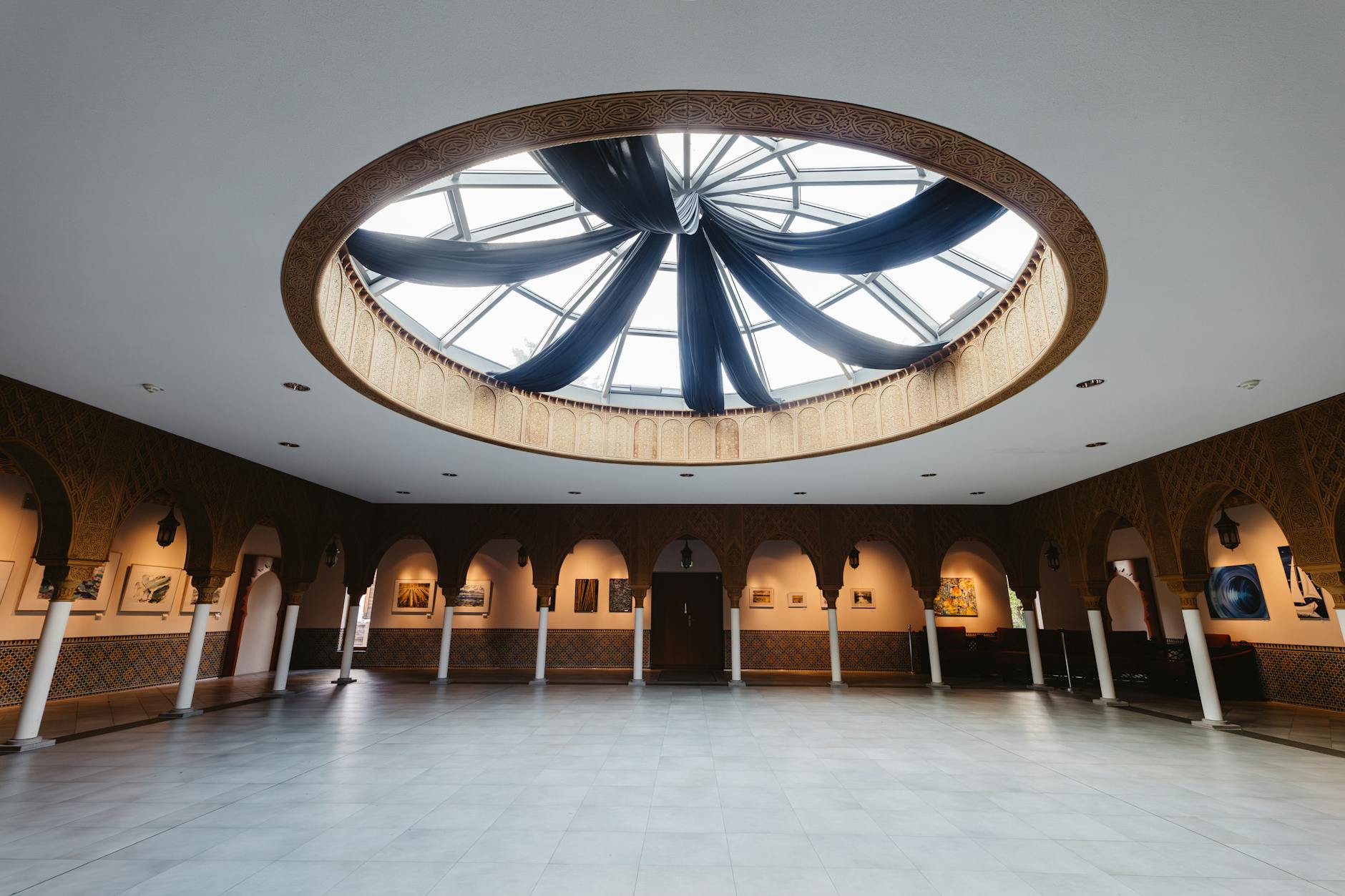
Berlin’s art and culture scene is its under-promoted superpower. Most travel writing leads with the clubs, the Wall, the cheap rent, the dystopian-cool aesthetic. What gets buried is the fact that Berlin has more museum square footage than any city in Germany, the most concentrated contemporary gallery scene in continental Europe, three world-class opera houses, the Berlin Philharmonic in the building Hans Scharoun designed for it, the most aggressive theater scene in the German-speaking world, and a private-collection layer (Sammlung Boros, the Feuerle Collection) that exists nowhere else.
The itinerary below is a three-day deep dive built for the traveler who came for the art. Day 1 covers the classical-to-modernist spine across Mitte, Tiergarten, and Charlottenburg. Day 2 covers contemporary art across Mitte and Moabit. Day 3 is a performing-arts day with concert or opera in the evening. It assumes Berlin Pass Berlin (€36 / 3 days, included museums marked below) and a 3-day VBB AB ticket (€36). Total transit + entry: ~€72 for three days that include €200+ of museum admissions.
2026 Renovation Map (Don’t Show Up to Closed Buildings)
Berlin’s museum landscape is undergoing the largest renovation cycle in a generation. Many SERP-leading art itineraries are wildly out of date. The 2026 status:
Pergamon Museum: Closed until June 4, 2027 (Pergamon Altar wing). Babylon Processional Way and Miletus Gate wings closed into the 2030s.
Museum Berggruen: Closed through 2026, reopening pushed to 2027 (Stülerbau full renovation). Picasso, Klee, Matisse collection touring.
Bauhaus-Archiv: Main building (Gropius) closed for new construction by Staab Architekten. Temporary Bauhaus-Archiv open at Knesebeckstraße 1, Charlottenburg. Main reopens 2027.
Komische Oper: Main house on Behrenstraße closed through 2027+. Performing at Schillertheater (Charlottenburg) and pop-up venues citywide.
Hamburger Bahnhof: OPEN. The Rieckhallen reopened September 2024 with “Museum in Motion” (Erek, Elmgreen & Dragset, Anne Imhof). Don’t skip this.
Deutsches Historisches Museum (Zeughaus): Heavy demolition begins Q2 2026. The adjacent Pei Building hosts “Objects. History. Stories” from May 8, 2026 to October 31, 2027 — visit the Pei Building, not the Zeughaus.
2026 Exhibitions Worth Building a Trip Around
The temporary exhibition calendar is the real reason to time an art trip carefully.
Brancusi at the Neue Nationalgalerie, through 9 August 2026. 150+ works, co-curated with Centre Pompidou. The largest Brancusi survey ever shown in Germany. Timed tickets recommended.
“Cassirer and the Breakthrough of Impressionism” at Alte Nationalgalerie, 22 May to 27 September 2026. The story of how Paul Cassirer’s Berlin gallery introduced Impressionism to a hostile German public — Monet, Manet, Pissarro, plus the German artists who responded.
Marina Abramović “Balkan Erotic Epic” at Gropius Bau, from April 2026. The career-spanning retrospective.
Gallery Weekend Berlin: 1–3 May 2026, 50+ galleries opening simultaneously with vernissages. The most concentrated weekend of contemporary art in Europe.
Berlin Art Week: 15th anniversary edition in September 2026 (typically mid-September). See our Berlin Art Week and Gallery Weekend guide for the full preview.
Day 1 — Classical to Modernist Spine: Kulturforum, Charlottenburg
The day moves from old masters to mid-century modernism along a tight Tiergarten-to-Charlottenburg corridor.
10:00 a.m. — Gemäldegalerie (Kulturforum, U2 Potsdamer Platz). The single best collection of European old masters in Germany, with extraordinary holdings of Vermeer (two paintings), Rembrandt (16 paintings — the largest Rembrandt collection in Germany), Bruegel the Elder’s Dutch Proverbs, Botticelli, Caravaggio, Cranach. The space — Hilmer & Sattler’s 1998 building — is itself a study in museum architecture, with the central hall and the symmetrical galleries on either side. Allow 2 hours minimum. Included in Museum Pass.
12:30 p.m. — Walk to the Neue Nationalgalerie (same Kulturforum campus). Lunch first at Joseph-Roth-Diele on Potsdamer Straße (literary tavern dedicated to Joseph Roth) or the Kulturforum café.
2:00 p.m. — Neue Nationalgalerie (Mies van der Rohe’s 1968 glass pavilion, fully restored by David Chipperfield and reopened in 2021). The Brancusi retrospective is on through 9 August 2026 — if you’re visiting in that window, book a timed slot in advance. Otherwise the permanent collection (Kirchner, Beckmann, Dix, Grosz, the German Expressionists who Berlin most thoroughly nurtured) plus the rotating mid-century modernism shows. 2 hours. Included in Museum Pass.
4:30 p.m. — Potsdamer Straße gallery cluster. Walk south from the Kulturforum. The Selldorf-redesigned Esther Schipper at Potsdamer Straße 81e (a former Tagesspiegel printing hall) is the anchor. Across the street: Sprüth Magers, Galerie Buchholz, neugerriemschneider, and a half-dozen smaller spaces. The cluster is walkable in 60 minutes. Free.
6:00 p.m. — Gropius Bau (across the Wall trace from the Topography of Terror). The major exhibitions venue for international touring shows. Marina Abramović from April 2026, with the rotating roster of mid-size shows. €15–20, allow 90 minutes.
8:00 p.m. — Berlin Philharmonie (Hans Scharoun’s 1963 vineyard-style concert hall, the most acoustically and architecturally daring concert hall of the 20th century). Großer Saal program permitting, book 4–6 weeks ahead at berliner-philharmoniker.de. Standing-room tickets occasionally available day-of for €10. If no Philharmonie program suits, Konzerthaus Berlin on Gendarmenmarkt is the second-string but excellent alternative.
Day 2 — Contemporary Art: Mitte, Auguststraße, Moabit, Hamburger Bahnhof
Day 2 is the day Berlin’s contemporary scene reveals itself. The route is tight, walkable, and includes the city’s most-loved private collection if you’ve booked ahead.
10:00 a.m. — Sammlung Boros (Reinhardtstraße, Mitte — must be pre-booked weeks ahead at sammlung-boros.de). The Boros bunker is the most photographed building in Berlin’s art world: a five-story 1942 WWII civilian shelter (designed by Karl Bonatz), converted into a hardcore techno club (“Bunker”) in the 1990s, and acquired by collector Christian Boros in 2003 as a private collection space. Guided tours only, ~€25, 90 minutes. The collection rotates every four years; the current edition shows works by Olafur Eliasson, Wolfgang Tillmans, Anne Imhof, Klara Liden. Almost universally ignored by SERP-leading art itineraries — and the best single contemporary art visit in the city.
12:00 p.m. — Auguststraße gallery walk. Walk east into Mitte. KW Institute for Contemporary Art at Auguststraße 69 is the city’s main non-profit contemporary kunsthalle — no permanent collection, two or three rotating exhibitions at any time, the home of the Berlin Biennale. €8, 90 minutes. Adjacent: Eigen+Art (the Leipzig School gallery that brought Neo Rauch to the world) and a dozen smaller spaces along Linienstraße and Tucholskystraße.
2:00 p.m. — Lunch at Mogg (the pastrami spot in the historic Jewish Girls’ School on Auguststraße — itself an art-context building, housing Pauly Saal, Mogg, and rotating exhibition spaces upstairs).
3:30 p.m. — Hamburger Bahnhof – Nationalgalerie der Gegenwart (Moabit, 10-minute walk from Hauptbahnhof). The former 1840s train station converted to the museum of contemporary art. The main hall holds large-scale Beuys, Rauschenberg, Warhol; the Rieckhallen (reopened September 2024 with the “Museum in Motion” collection presentation) holds the Friedrich Christian Flick Collection — Anne Imhof, Elmgreen & Dragset, Cengiz Tekin, Wolfgang Tillmans. Included in Museum Pass. Allow 2.5 hours.
6:30 p.m. — C/O Berlin + Museum für Fotografie. Take U-Bahn to Zoologischer Garten. C/O Berlin in the Amerika Haus (the former U.S. Information Center) is one of Europe’s leading photography venues — career retrospectives and major touring shows. €12. Across the square: Museum für Fotografie (the historic photo institution in the Landwehrkasino, the Helmut Newton Foundation occupies the ground floor). €12, included in Museum Pass.
8:30 p.m. — Dinner near Savignyplatz. Florian for modern German, Schwarzes Café for the 24-hour Berlin classic. Optional after: Bar Zentral on Lotte-Lenya-Bogen for a serious cocktail.
Day 3 — Theater, Dance, Opera, and a Final Gallery Round
Berlin’s performing arts scene is dense, diverse, and remarkably affordable by global capital standards. The day below threads two or three smaller daytime stops with a serious evening performance.
10:00 a.m. — Berlinische Galerie (Kreuzberg, near the Jewish Museum). The city’s collection of Berlin-made art from 1880 to the present — Hannah Höch, George Grosz, Otto Dix, Erich Salomon’s photography, the New Objectivity painters, the post-1989 Junge Wilde. €10, included in Museum Pass, allow 90 minutes.
12:00 p.m. — Jewish Museum architecture-only visit. If you’ve done the full Jewish Museum on a separate day, you can do a 60-minute architecture walk of Daniel Libeskind’s building alone (Memory Void, Garden of Exile, Holocaust Tower).
1:30 p.m. — Lunch in Kreuzberg. Markthalle Neun on Eisenbahnstraße (daily; Thursday is Street Food Thursday).
3:00 p.m. — Bröhan-Museum (Charlottenburg, adjacent to Schloss Charlottenburg). German Art Nouveau, Art Deco, and the Berlin Secession. €8, allow 90 minutes. Smaller, quieter, the best counterweight to the heavier museums of Days 1–2.
4:30 p.m. — Käthe Kollwitz Museum (Charlottenburg, in the Theaterbau on Schloss Charlottenburg grounds since 2022 — recently relocated from Fasanenstraße). Berlin’s home for the German Expressionist whose graphic work is among the most unforgettable in 20th-century art. €7, 60 minutes.
7:00 p.m. — Dinner before the show. If you’re attending Komische Oper at Schillertheater (Charlottenburg, during the main house renovation), the area around Bismarckstraße has solid options — Bocca di Bacco (Italian, walking distance to Deutsche Oper too) is reliable.
8:00 p.m. — Choose your evening:
Opera: Staatsoper Unter den Linden (the historic court opera, restored 2017, Daniel Barenboim’s institution for 30+ years), Deutsche Oper (Charlottenburg, the 1961 modernist house with the broader repertoire), or Komische Oper at Schillertheater (Charlottenburg, performing in the temporary venue during the Behrenstraße house renovation — currently producing the most adventurous staging in the city).
Theater: Schaubühne at Lehniner Platz (Thomas Ostermeier’s house, English surtitles for major productions), Berliner Ensemble at Bertolt-Brecht-Platz (Brecht’s house, Threepenny Opera and the German classical-modernist repertoire), Volksbühne (Rosa-Luxemburg-Platz, the radical-tradition institution).
Dance / Experimental: Radialsystem (Friedrichshain riverside, the Sasha Waltz-aligned dance and music venue), Sophiensaele (Mitte, smaller experimental space), Tanz im August festival (annual, August — the international contemporary dance festival).
Concert: Berlin Philharmonie Großer Saal or Kammermusiksaal (Hans Scharoun’s astonishing acoustic), Konzerthaus Berlin at Gendarmenmarkt (Schinkel’s neoclassical building, broader programming).
How to Book Berlin’s Performances
Berlin Philharmonie: berliner-philharmoniker.de. Book 4–6 weeks ahead for star conductors and visiting orchestras. Standing-room tickets for €10 available about 90 minutes before performance for sold-out shows. The Karajan Akademie chamber concerts in the Kammermusiksaal are excellent and easier to book.
Staatsoper: staatsoper-berlin.de. Book 2–4 weeks ahead. Day-of Stehplatz (standing) tickets for €15 sometimes available.
Schaubühne: schaubuehne.de. English surtitles for major Ostermeier productions; book 2 weeks ahead.
Komische Oper @ Schillertheater: komische-oper-berlin.de. The renovation has actually opened up more programming flexibility — book 2–3 weeks ahead.
Gallery Weekend and Berlin Art Week (Time Your Trip)
If you can time your art trip to one of two annual events, do it.
Gallery Weekend Berlin (1–3 May 2026): 50+ galleries open simultaneously with new exhibitions and vernissages. The most concentrated weekend of contemporary art programming in Europe. Free, walkable across the Potsdamer Straße and Auguststraße clusters.
Berlin Art Week (typically mid-September, 15th anniversary edition in 2026): Multi-venue, multi-institution program including the Positions Berlin Art Fair, satellite shows across all major museums, gallery openings, and public art commissions. Our Berlin Art Week guide covers the previewing strategy.
Private Collections You Should Try to See
Berlin’s private collection layer is one of the city’s most distinctive offerings.
Sammlung Boros (covered above). Book weeks ahead.
The Feuerle Collection (Kreuzberg, in a former WWII telecommunications bunker on Hallesches Ufer). Désiré Feuerle’s collection of imperial Chinese furniture and contemporary art, viewed in a Sumimasen-architect designed darkened bunker with no electric lighting until your eyes adjust. €25, guided 90-minute tours only, book weeks ahead at feuerle-collection.com. One of the most singular museum experiences in Europe.
me Collectors Room (Auguststraße) — Olbricht Collection, free admission generally, rotating contemporary and curiosity-cabinet shows.
Lesser-Known Museums Worth a Half-Day
If you have a fourth or fifth day, the second-tier museums are where Berlin’s art scene rewards persistence.
Museum der Dinge (the Werkbund Archive, relocated to Leipziger Straße in 2024). 40,000 objects from a century of industrial design and consumer culture, displayed in dense archive cases. €8.
Buchstabenmuseum (Letter Museum, Hansaviertel near Tiergarten S-Bahn). Salvaged neon and lit signs from across 20th-century Berlin. €8.50, weekend-only opening — check ahead.
Martin-Gropius-Bau: Major exhibitions only; check ahead.
Brücke-Museum (Dahlem, the German Expressionist Brücke group’s dedicated museum). €6, suburban, requires a S-Bahn + bus, worth a half-day for the Kirchner/Heckel/Schmidt-Rottluff concentration.
The Trip’s Honest Endgame
Three days of serious Berlin art is enough to know whether you’re a Berlin-art person — and most travelers who do this itinerary discover they are. The Berlin art scene’s specific character is its embrace of the difficult: Beuys’s social sculpture, Imhof’s slow-burn performance, the post-1989 fascination with the bunker, the warehouse, the abandoned space. The galleries don’t soft-sell. The museums don’t either.
If you want to come back to deepen any thread: the contemporary art layer pairs with the food-and-nightlife scene that hosts most of its working artists — see our food and nightlife itinerary. The historical art layer (Expressionism, New Objectivity, the post-1933 ruptures) pairs with the city’s history layer — our history walking itinerary. For a general tour that includes a lighter art-and-culture component, our five-day itinerary and seven-day plan sequence one art-heavy day into a broader trip. For the calendar question — when to come for what — our Art Week and Gallery Weekend overview and Long Night of Museums coverage map the year’s key dates.