Nazi History Berlin Sites: 12 Essential Memorials (2026)
Complete guide to Nazi history Berlin sites for 2026: Topography of Terror, Holocaust Memorial, Jewish Museum, Wannsee Conference House, Sachsenhausen.
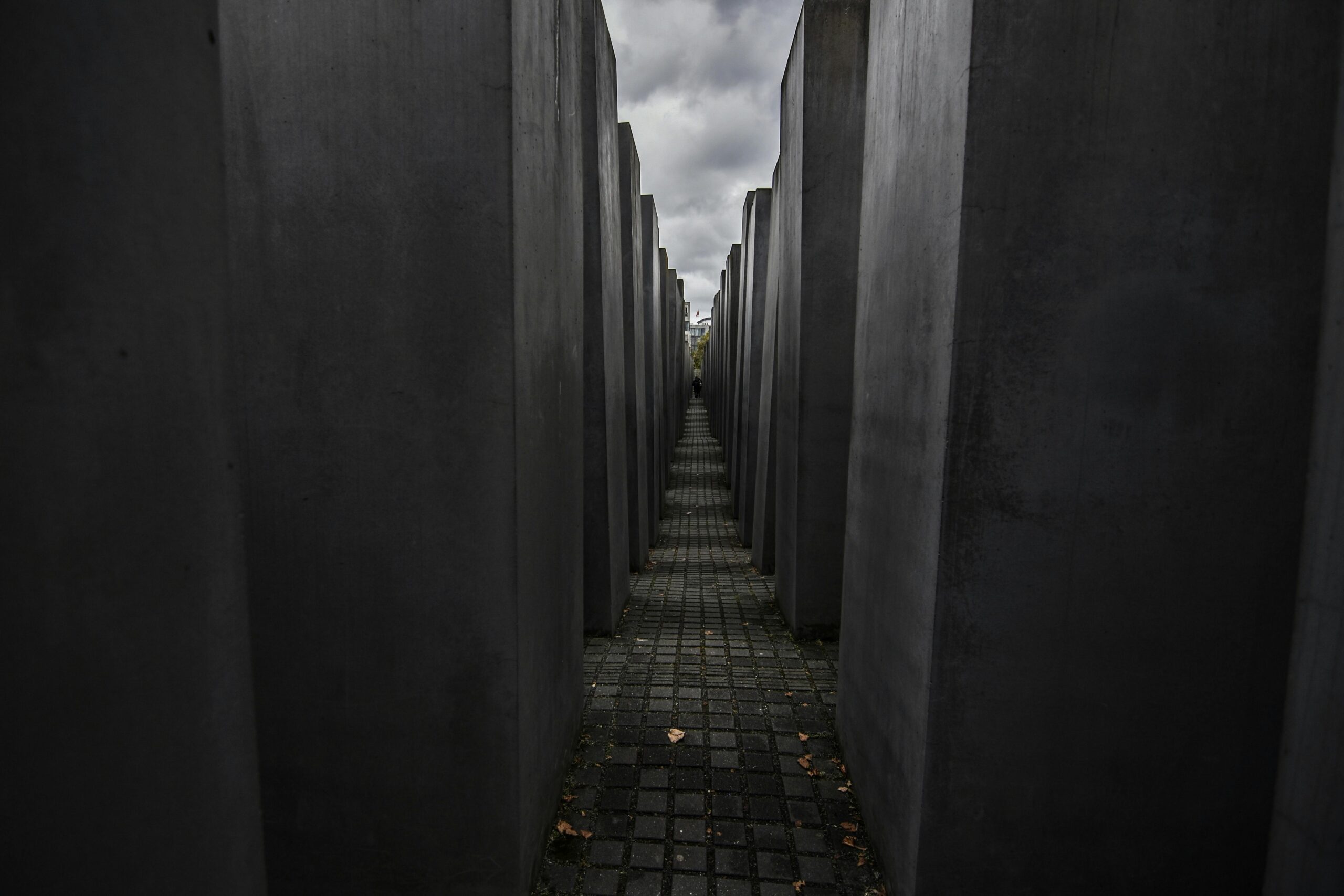
Berlin holds the world’s most comprehensive collection of Nazi-era memorial sites — a deliberate, decades-long act of national remembrance and atonement. Unlike many European capitals where wartime sites have been destroyed, repurposed, or quietly forgotten, Berlin has preserved or marked virtually every significant location of the National Socialist regime’s terror. Visitors interested in nazi history Berlin sites can engage with this past through major museums (Topography of Terror, Jewish Museum, House of the Wannsee Conference), striking memorials (the Memorial to the Murdered Jews of Europe), preserved historical buildings (Olympic Stadium, Reichstag, former Air Ministry), and smaller markers throughout the city.
This guide walks through the essential Nazi history Berlin sites for 2026 — what each offers, how to visit respectfully, prices, hours, and how to combine them into a half-day or multi-day historical itinerary. Most sites are free; visiting all of them would take 3-4 full days.
Why Visit Nazi History Berlin Sites?
Berlin was the capital of Nazi Germany from 1933 to 1945. The city housed the Reichstag, Hitler’s Chancellery, the Gestapo and SS headquarters, and the bureaucracies that organized the Holocaust and World War II. Most physical infrastructure of the Nazi state was destroyed during WWII or in the immediate postwar period. What remains today consists of:
- Foundations and ruins of destroyed Nazi buildings
- Surviving structures repurposed for non-Nazi uses
- Memorial sites built specifically to commemorate victims
- Museums and documentation centers analyzing the period
Visiting these sites is a form of engagement with one of history’s most consequential periods. Berlin’s “Erinnerungskultur” (culture of remembrance) makes the city a global model for how to preserve the memory of dark historical chapters.
The 12 Most Important Nazi History Berlin Sites (2026)
1. Topography of Terror (Mitte) — Most Comprehensive
Address: Niederkirchnerstrasse 8
Hours: Daily 10am-8pm
Cost: Free
The most important single Nazi history Berlin site. Topography of Terror is built on the foundations of the former headquarters of the Gestapo, SS, and Reich Security Main Office (RSHA) — the principal instruments of Nazi terror. The outdoor exhibition along the excavated foundations is comprehensive; the indoor documentation center adds detailed context. Two permanent exhibitions: “Topography of Terror” (the broader Nazi terror apparatus) and “Berlin 1933-1945” (Nazi policies and their effects on the city).
Allow 2-3 hours minimum. The site sits adjacent to one of Berlin’s longest preserved sections of the Berlin Wall, allowing visitors to engage with two layers of German trauma simultaneously.
2. Memorial to the Murdered Jews of Europe (Mitte)
Address: Cora-Berliner-Strasse 1
Hours: Outdoor field 24 hours; underground Information Centre Tue-Sun 10am-7pm
Cost: Free
The Holocaust Memorial — Peter Eisenman’s 2,711-stele field commemorating the six million murdered Jews of Europe. The outdoor field is open at all times and welcomes contemplation; below ground, the Place of Information presents extensive personal stories, family histories, and historical context. One of Europe’s most powerful memorial sites.
Allow 1-2 hours including the underground information center. The outdoor field invites longer reflection.
3. Jewish Museum Berlin (Kreuzberg)
Address: Lindenstrasse 9-14
Hours: Daily 10am-7pm
Cost: €8 (currently free for permanent exhibition)
Daniel Libeskind’s architecturally striking museum tells the story of Jewish history in Germany — including the Nazi period and the Holocaust — within a building whose dramatic architecture itself communicates trauma and absence. The “Garden of Exile” and “Holocaust Tower” installations are emotionally powerful in ways that go beyond conventional museum displays.
Allow 3 hours minimum for a comprehensive visit. One of Berlin’s most internationally renowned museums.
4. House of the Wannsee Conference (Wannsee)
Address: Am Grossen Wannsee 56-58, Wannsee
Hours: Daily 10am-6pm
Cost: Free
The villa where SS leaders met on January 20, 1942, to coordinate the implementation of the “Final Solution” — the plan for the Holocaust’s industrial-scale murder of Jews. The site is preserved as a memorial and educational center with extensive exhibits on the conference, its decisions, and their consequences. One of the most chilling sites in Berlin’s Nazi history.
Located in the southwest of Berlin (45-minute S-Bahn from central Berlin to Wannsee, then 15-minute walk). Allow 2 hours plus travel.
5. German Resistance Memorial Center (Tiergarten)
Address: Stauffenbergstrasse 13-14
Hours: Mon-Fri 9am-6pm, Sat-Sun 10am-6pm
Cost: Free
Located at the Bendler Block, the site of the failed July 20, 1944 assassination attempt against Hitler led by Claus von Stauffenberg. The memorial documents German resistance to National Socialism — military resistance, political resistance, religious resistance, and individual acts. Less famous internationally than the major Holocaust memorials but historically essential.
6. Sachsenhausen Concentration Camp Memorial (Oranienburg, near Berlin)
Address: Strasse der Nationen 22, Oranienburg
Hours: Daily 8:30am-6pm (March-October); 8:30am-4:30pm (November-February)
Cost: Free
The former Nazi concentration camp located 35 km north of Berlin, accessible by S-Bahn. Sachsenhausen was both a concentration camp and the administrative center for the entire Nazi camp system. After WWII, it served as a Soviet prison camp before becoming a memorial site. Comprehensive preserved structures — gates, barracks, gas chamber foundations, crematorium — and extensive documentation. One of the most difficult and important Nazi history Berlin sites to visit.
Allow 4-6 hours including travel. Free guided tours run on weekends. Emotionally heavy — many visitors find the site demanding. Plan to decompress afterward.
7. Olympic Stadium (Charlottenburg)
Address: Olympischer Platz 3
Hours: Daily, varies by event schedule
Cost: €10-€20 for stadium tour
Built for the 1936 Olympic Games — the Nazi propaganda spectacle showcased to the world before WWII. The architectural setting (massive monumental stadium plus surrounding sports complex) embodies the visual aesthetic of Nazi-era public architecture. Today functioning as Hertha BSC’s home stadium, the structure is preserved and accessible via guided tour. Includes the famous Marathon Tor (where Jesse Owens won four gold medals despite Hitler’s racist propaganda).
Allow 1-2 hours for the tour. A different lens on Nazi history — propaganda and aesthetics rather than direct violence.
8. Reichstag Building (Mitte)
Address: Platz der Republik
Hours: 24 hours outdoor; dome tour by reservation
The German parliament building — burned in the 1933 Reichstag fire that gave Hitler the pretext for his “emergency” laws and dictatorial powers. After WWII it stood damaged but symbolic. Restored after reunification with Norman Foster’s iconic glass dome (1999). The building represents both Nazi-era catastrophe and modern democratic restoration.
The dome tour requires advance reservation (free, online via the Bundestag website). Allow 1-2 hours.
9. Brandenburg Gate (Mitte)
Address: Pariser Platz
Hours: 24 hours
Cost: Free
Berlin’s most famous landmark — and the site of countless Nazi parades, propaganda displays, and the symbolic gateway used by both Nazi and post-war German states. Today it stands as a symbol of unification (December 1989) but also as a reminder of the Nazi propaganda that once dominated this same space.
10. Memorial to the Sinti and Roma Victims of National Socialism (Tiergarten)
Address: Eberstrasse 1, Tiergarten
Hours: 24 hours
Cost: Free
Memorial to the Sinti and Roma murdered by the Nazi regime — between 220,000 and 500,000 are estimated to have been killed. The contemplative water-and-stone installation by Israeli artist Dani Karavan opened in 2012. Smaller and quieter than the Holocaust Memorial but equally moving.
11. Memorial to Homosexuals Persecuted Under Nazism (Tiergarten)
Address: Ebertstrasse, Tiergarten (across from Holocaust Memorial)
Hours: 24 hours
Cost: Free
A concrete cube with a window through which a video plays of two men kissing — a memorial to the homosexual men persecuted under Nazi rule. Opened in 2008.
12. Bebelplatz Book Burning Memorial (Mitte)
Address: Bebelplatz
Hours: 24 hours
Cost: Free
An empty underground library visible through a glass plate in the square — a memorial to the May 10, 1933 Nazi book burning that destroyed 20,000 books considered “un-German.” The empty shelves accommodate 20,000 volumes — the number burned. A Heinrich Heine quote nearby reads: “Wherever they burn books, they will eventually also burn human beings.”
Other Important Nazi History Berlin Sites
Hitler’s Bunker Site (Mitte)
Address: An der Kolonnade
Cost: Free outdoor information panel
The location of the Führerbunker where Hitler died on April 30, 1945. Today a parking lot with a small information panel — deliberately understated to discourage Nazi nostalgia or tourism. Underwhelming as a visit but historically significant.
Plötzensee Memorial Center (Charlottenburg)
Memorial center at the site of a Nazi-era execution facility where over 2,800 political prisoners and resistance figures were killed. Includes a preserved execution chamber. Free, less-visited, deeply moving.
Track 17 (Gleis 17) at Grunewald Station (Charlottenburg)
The platform from which 50,000+ Berlin Jews were deported to concentration camps between 1941 and 1945. A memorial walkway with 186 dated steel plates marks each individual deportation. Free, outdoor, accessible 24 hours. Quietly devastating.
Stolpersteine (“Stumbling Stones”)
Throughout Berlin, small brass cobblestones in front of buildings mark the last freely-chosen residence of Jewish, Sinti, Roma, homosexual, and political victims of the Nazi regime. Each Stolperstein names one person and their fate. Project began in 1992 and continues — over 8,000 stones now placed throughout Berlin alone, with more added regularly. Look down as you walk.
Nazi Forced Labour Documentation Centre (Schöneweide)
On the site of a former Nazi forced labor camp. Documents the experience of 26 million people from across Europe forced into labor during WWII. Less famous than other sites but historically essential.
Old Jewish Cemetery (Mitte)
Mostly destroyed by the Gestapo in 1943, the cemetery’s site near Hackescher Markt has been partially restored as a memorial. Includes a few preserved tombstones and a memorial to Berlin’s Jewish community.
New Synagogue (Mitte)
Damaged during Kristallnacht (1938) and largely destroyed during WWII bombing. The restored facade now houses a Jewish museum and cultural center. The contrast between the surviving facade and the rebuilt interior tells the building’s story.
Nazi History Berlin Sites by Time Budget
Half-Day (4 hours) — The Essentials
- Topography of Terror (2 hours) — most comprehensive
- Walk to Memorial to the Murdered Jews of Europe (90 min including underground)
- Quick Brandenburg Gate visit on the way
Full Day — Comprehensive Central Berlin
- Morning: Topography of Terror + Holocaust Memorial
- Lunch in central Mitte
- Afternoon: Jewish Museum (3 hours)
- Late afternoon: Bebelplatz Book Burning Memorial, German Resistance Memorial Center
Multi-Day — Complete Coverage
Day 1: Central memorials (Topography of Terror, Holocaust Memorial, Jewish Museum)
Day 2: Sachsenhausen Concentration Camp Memorial (full day with travel)
Day 3: House of the Wannsee Conference + Olympic Stadium
Day 4: Smaller memorials, Stolpersteine walks, Plötzensee Memorial
Practical Tips for Visiting Nazi History Berlin Sites
Emotional Pacing
These sites are emotionally demanding. Don’t try to do too many in a single day. The Holocaust Memorial, Jewish Museum, and Sachsenhausen each warrant their own focused half-day or full-day. Cluster lighter sites with heavier ones to maintain emotional balance.
Photography Etiquette
Photography is permitted at most sites but should be respectful. The Holocaust Memorial field welcomes contemplative photography but discourages selfie-style poses on the steles. Some indoor museums restrict photography in specific areas — follow signage.
With Children
Most major Nazi history sites are appropriate for children 12+ with parental guidance. Younger children may struggle with the emotional content. Sachsenhausen specifically is heavy and best for older children/teenagers who have prior context.
Accessibility
Most major sites (Topography of Terror, Holocaust Memorial, Jewish Museum, Reichstag) are wheelchair-accessible. Sachsenhausen has paved paths but covers a large area. See our Berlin accessible transportation guide.
Guided Tours
Several tour operators offer Nazi history-focused tours:
- Original Berlin Walks: Third Reich Tour — comprehensive 3-4 hour walking tour
- Insider Tour Berlin: Hitler & Third Reich — popular alternative
- Free walking tours: Several free operators include Nazi sites in their itineraries
- Sachsenhausen tours: Most operators run guided day trips from central Berlin
Reading Beforehand
Visiting these sites is significantly enhanced by some prior knowledge of WWII and Holocaust history. If you haven’t read about the period, consider a brief overview (a Wikipedia summary, a Holocaust education website, or a single book chapter) before your trip.
Decompression
After heavy memorial visits, plan a contemplative break — a quiet café, a walk through Tiergarten, or a meal at a calming restaurant. Don’t immediately switch to upbeat sightseeing.
Combining Nazi History Sites With Other Berlin History
Berlin’s Cold War sites (Berlin Wall Memorial, Checkpoint Charlie, East Side Gallery) sit literally and metaphorically next to Nazi history sites. Many visitors combine the two periods of Berlin trauma into a comprehensive historical engagement:
- Topography of Terror is adjacent to one of Berlin’s longest preserved Berlin Wall sections
- Brandenburg Gate stood in the death strip during the Wall era and was a Nazi parade site before WWII
- Mitte’s central historical district holds dozens of overlapping Nazi-era and Cold War sites
For Cold War context, see our Berlin Wall history timeline, Berlin Wall sites guide, and Stasi Museum guide.
External Resources
For additional, authoritative information on nazi history Berlin sites, the following sources are useful:
- Topography of Terror: Official site
- Foundation Memorial to the Murdered Jews of Europe
- visitBerlin: Memorials in Berlin
Quick Reference: Nazi History Berlin Sites
This nazi history berlin sites guide is updated for 2026 with current pricing, schedules, and recommendations. Use this nazi history berlin sites resource as your one-stop reference and bookmark for return visits. For travelers researching nazi history berlin sites alongside related Berlin topics, see our linked guides for additional coverage.
If you would rather see these places with a guide, start with what is free: the Topography of Terror runs a 60-minute English tour on Saturdays and Sundays at 15:30, and the German Resistance Memorial Center offers free tours on set Sundays. Our guide to Third Reich and WWII tours in Berlin compares them with the paid walking tours and Sachsenhausen trips.
Frequently Asked Questions
What are the most important nazi history Berlin sites?
Topography of Terror (most comprehensive Nazi terror documentation), Memorial to the Murdered Jews of Europe (the Holocaust Memorial), Jewish Museum Berlin (architecturally striking, comprehensive), House of the Wannsee Conference (where the Final Solution was planned), and Sachsenhausen Concentration Camp Memorial (35 km outside Berlin) are the five essentials.
How much do nazi history Berlin sites cost?
Most major sites are free: Topography of Terror, Holocaust Memorial, Wannsee Conference House, Sachsenhausen, German Resistance Memorial Center, and all outdoor memorials. Paid sites: Jewish Museum (€8 — currently free for permanent exhibition), Reichstag dome (free with reservation), Olympic Stadium tour (€10-€20).
Is Sachsenhausen worth visiting?
Yes — but it’s emotionally demanding. Sachsenhausen was the administrative center of the Nazi camp system and is one of the best-preserved concentration camp memorial sites in Germany. Plan 4-6 hours including travel from central Berlin. Free entry. Decompress afterward.
What’s the difference between the Holocaust Memorial and the Jewish Museum?
The Holocaust Memorial (Memorial to the Murdered Jews of Europe) is an outdoor field of 2,711 steles by Peter Eisenman with an underground information center — focused specifically on the Holocaust. The Jewish Museum tells the broader story of Jewish life in Germany over centuries, including the Nazi period and Holocaust, in a Daniel Libeskind building. Both are essential; visit both if possible.
Where did Hitler die?
In the Führerbunker beneath the Reich Chancellery garden in central Berlin. The site today is a parking lot with a small information panel at An der Kolonnade — deliberately understated to discourage neo-Nazi tourism.
What was the Wannsee Conference?
The January 20, 1942 meeting of SS leaders that coordinated the implementation of the Final Solution — the systematic mass murder of European Jews. The meeting took place at a villa on the Wannsee in southwest Berlin. The villa is now preserved as a memorial site.
Are there walking tours of nazi history Berlin sites?
Yes — several operators run dedicated Third Reich walking tours including Original Berlin Walks (Third Reich Tour), Insider Tour Berlin (Hitler & Third Reich), and several free walking tour operators. Tours typically run 3-4 hours and combine multiple central sites with historical context.
Can I visit a concentration camp from Berlin?
Yes — Sachsenhausen Concentration Camp Memorial is 35 km north of central Berlin, accessible by S-Bahn (1 hour each way). Most tour operators run day trips. The site is preserved with extensive documentation and is one of the most important Nazi memorial sites in Germany. Free entry.
What are Stolpersteine?
“Stumbling stones” — small brass cobblestones embedded in the sidewalk in front of buildings to mark the last freely-chosen residence of Nazi victims. Each stone names one individual victim. Berlin alone has over 8,000 Stolpersteine, part of a project that has placed similar stones across Europe.
Final Verdict: Nazi History Berlin Sites
For most Berlin trips, plan at least one full day for major Nazi history sites — Topography of Terror plus the Holocaust Memorial plus the Jewish Museum is a comprehensive single-day plan. Add Sachsenhausen as a separate day for the most thorough engagement. The emotional weight of these sites is significant; pace yourself, allow time for decompression, and approach with appropriate respect. Berlin’s “Erinnerungskultur” — culture of remembrance — has produced one of the world’s most thoughtful collections of memorial sites about a difficult history. Visiting them is one of the most consequential things you can do in the city.
For more historical context, see our Berlin history and culture guide, Berlin Wall history timeline, and Stasi Museum guide.