Stasi Museum Berlin & Hohenschönhausen: Cold War Guide (2026)
Complete guide to the Stasi Museum Berlin and Hohenschönhausen Memorial: surveillance headquarters, Cold War prison, hours, prices, what to expect.
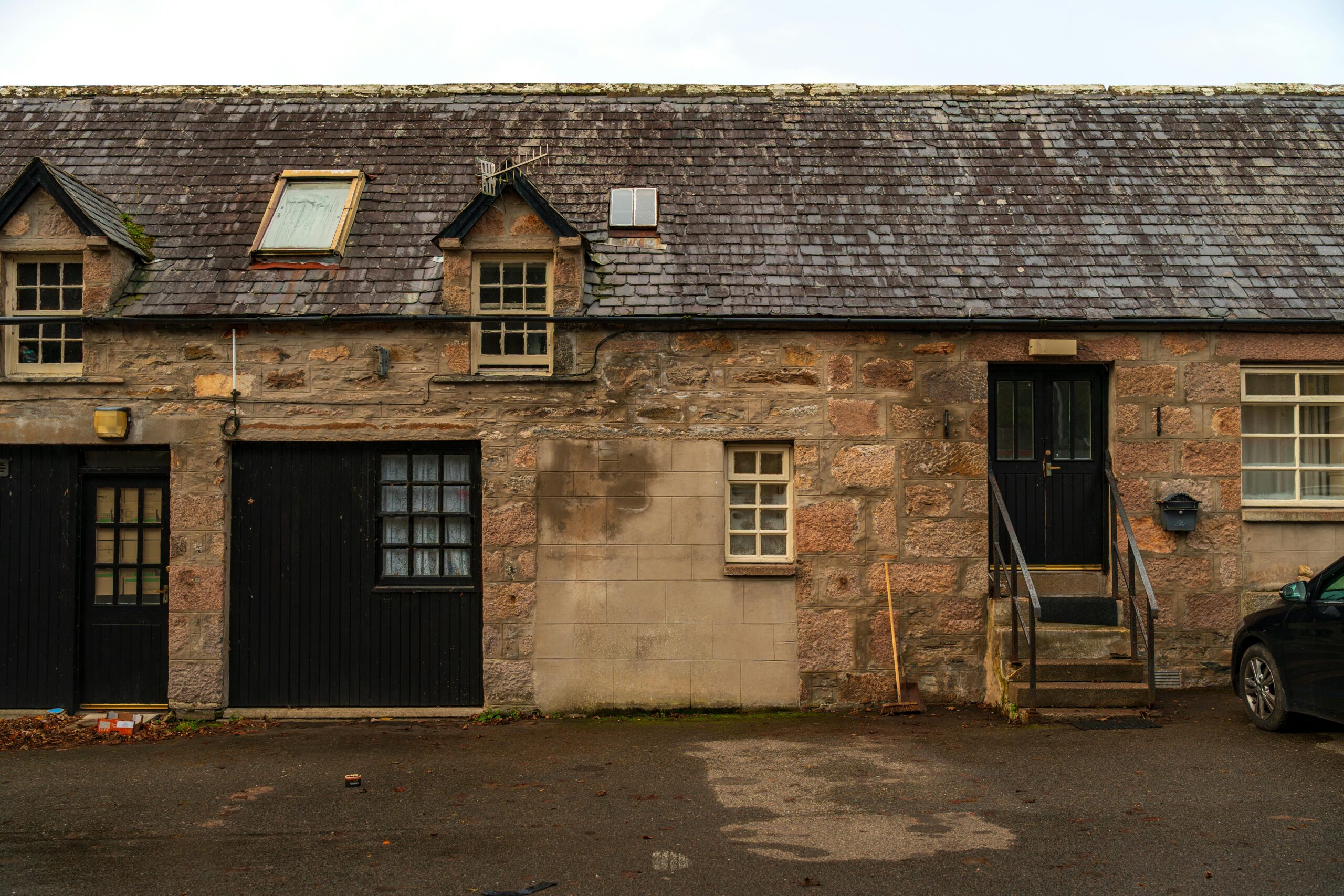
The Stasi — East Germany’s Ministry for State Security — was one of history’s most pervasive surveillance organizations. At its peak in 1989, the Stasi employed 91,000 official staff and 173,000 informants in a country of just 16 million people, monitoring an estimated one in seven adult East Germans. Two Berlin sites preserve this history with remarkable detail: the Stasi Museum Berlin at the former Stasi headquarters in Lichtenberg, and the Hohenschönhausen Memorial at the former Stasi remand prison. Together they offer one of the world’s most chilling and important Cold War history experiences.
This guide covers both sites — what they preserve, how to visit, prices, hours, and how to combine them with other Berlin Cold War history. The Stasi Museum Berlin and Hohenschönhausen Memorial together require a half to full day; both sit in eastern Berlin and are easily combined with Berlin Wall sites.
The Stasi: Brief Background
The Stasi (Ministerium für Staatssicherheit) was founded in 1950, modeled on the Soviet KGB. Its role was to protect the East German communist state from internal and external enemies — which in practice meant surveilling, intimidating, and persecuting dissent. By 1989, the Stasi maintained files on approximately 6 million East Germans (out of 16 million), recorded millions of phone calls, opened millions of letters, used hundreds of thousands of “informal collaborators” (IMs) to spy on neighbors, and operated specialized prisons to hold political prisoners.
After the fall of the Berlin Wall, civil rights activists prevented the Stasi from destroying its files — though many were partially shredded and remain being painstakingly reassembled. The preserved files form one of the world’s most comprehensive archives of authoritarian surveillance, available to the public via the Stasi Records Archive.
Stasi Museum Berlin (Lichtenberg) — The Headquarters
Location and Hours
Address: Ruschestrasse 103, House 1, Lichtenberg
Hours: Mon-Fri 10am-6pm, Sat-Sun 11am-6pm
Cost: €10 adults, €7 reduced
Nearest U-Bahn: Magdalenenstrasse (U5)
What’s at the Stasi Museum
The Stasi Museum is housed in the original headquarters complex of the Stasi — Building 1 of the sprawling Ruschestrasse compound. The most striking element is the preserved office of Erich Mielke, the long-serving Stasi minister (1957-1989), kept exactly as it was on the day the Stasi headquarters fell to civil rights activists in January 1990.
Highlights include:
- Mielke’s preserved office: Wood-paneled, conservative, with original desk, telephones, conference room, and personal artifacts
- Mielke’s preserved canteen: Yes, his private dining room with original 1980s decor
- Surveillance equipment exhibits: Hidden cameras (in shopping bags, books, garden tools), bugged objects, miniature recording devices
- Document examples: Stasi files, surveillance reports, organizational charts
- “Smell sample” archive recreation: The infamous Stasi practice of collecting clothing or personal items containing a target’s scent for tracking
- Persecution of opposition: Documents on dissidents, intellectuals, religious leaders, and ordinary citizens
- The fall of the Stasi: Photos and documents from January 15, 1990, when civil rights activists stormed the headquarters
Allow 90-120 minutes for a comprehensive visit. Audio guides available in English (€3-€5).
The Wider Stasi Headquarters Complex
The Stasi Museum is just Building 1 of a much larger compound. Other buildings now house the Stasi Records Archive (where files can be viewed by appointment) and various government offices. The compound itself — anonymous gray apartment-block-style buildings stretching for several blocks — is part of the experience.
Stasi Records Archive (Optional)
The official Stasi Records Archive (Bundesarchiv Stasi-Unterlagen) is also located in the Lichtenberg complex. East Germans (and others) can request access to their personal Stasi files. The reading room is open by appointment for citizens with documented connections to the GDR. While not a tourist destination, the archive’s existence is itself part of the post-1990 reckoning with Stasi surveillance.
Hohenschönhausen Memorial (Lichtenberg) — The Stasi Prison
Location and Hours
Address: Genslerstrasse 66, Lichtenberg
Hours: Daily 9am-6pm (March-October); 9am-4pm (November-February)
Cost: €7 adults, €4 reduced (guided tour included)
Nearest tram: Genslerstrasse (M5 / M6)
What’s at Hohenschönhausen
The Berlin-Hohenschönhausen Memorial is the former Stasi remand prison — where political prisoners were held during interrogation, often for months or years. The site preserves the prison in its 1989 condition, including:
- The interrogation rooms: Where prisoners were held and questioned for hours under fluorescent light, often in isolation
- The cells: Tiny solitary confinement cells with no windows; some “U-Boot” (submarine) cells designed for sensory deprivation
- The “rubber cells”: Padded cells used for prisoners considered violent or for psychological torture
- The transport vehicles: Disguised trucks (marked “Bread” or other innocuous labels) used to transport prisoners
- Outdoor exercise yards: Small concrete enclosures where prisoners had brief daily exercise
- The administrative areas: Stasi officers’ offices, archives, processing rooms
Visits are by guided tour only (typically 90 minutes). Tours are led by former prisoners or trained guides and provide direct testimony about the prison’s operations. The experience is emotionally demanding — many visitors describe it as one of the most powerful historical sites they’ve ever visited.
Tour Booking
Tours run multiple times daily in German and English. English-language tours typically run weekends and afternoons. Book in advance for guaranteed slots, especially for English tours. Walk-in availability varies. Reservations through the memorial’s official website.
Combining Stasi Museum Berlin + Hohenschönhausen
The two sites are essential together — Stasi Museum shows the headquarters and surveillance apparatus; Hohenschönhausen shows the resulting imprisonment of dissenters. They’re 30-40 minutes apart by transit (different parts of Lichtenberg).
Half-Day Combined Itinerary
- 9:30 AM: Stasi Museum (90-120 min)
- 11:30 AM: U-Bahn/tram to Hohenschönhausen (40 min)
- 12:30 PM: Hohenschönhausen guided tour (90 min)
- 2:00 PM: Lunch in central Berlin
Full Day Including Other Sites
Combine with the East Side Gallery and broader Berlin Wall sites for a comprehensive Cold War day. See our Berlin Wall sites guide.
Other Stasi-Related Sites in Berlin
Tränenpalast (Mitte) — “Palace of Tears”
The former Stasi-monitored border crossing at Friedrichstrasse station — where West Berliners said tearful goodbyes to East German friends and relatives after permitted visits. Now a museum about everyday life under division and Stasi monitoring. Free, central Berlin location. See our Berlin Wall sites guide.
DDR Museum (Mitte)
Interactive museum on everyday life in East Germany — including extensive coverage of Stasi surveillance and its effects on ordinary citizens. €15. Less academically rigorous than the Stasi Museum but more accessible for first-time visitors.
Stasi Bunker (Brandenburg)
A preserved Stasi nuclear bunker outside Berlin (in Brandenburg) — open by appointment. Of interest mainly to serious Cold War enthusiasts.
The Stasi’s Methods: What You’ll Learn
Understanding the Stasi’s methods is part of why visiting these sites matters. Highlights from what you’ll see at the Stasi Museum and Hohenschönhausen:
Surveillance Methods
- Listening devices: Hidden in walls, telephones, light switches, pictures, household objects
- Visual surveillance: Hidden cameras in handbags, books, garden tools, watering cans
- Mail interception: Specialized facilities steamed open millions of letters; some were resealed undetectably, others were destroyed
- Phone tapping: Recorded calls archived for years
- “Informal Collaborators” (IM): 173,000+ ordinary East Germans recruited to spy on family, friends, and neighbors
- Smell archives: Personal items containing a target’s scent collected and preserved for use with tracking dogs
Psychological Operations (“Zersetzung”)
The Stasi developed a specialized form of psychological harassment — Zersetzung (“decomposition”) — designed to destabilize, isolate, and demoralize political opponents without imprisonment. Methods included:
- Spreading rumors to damage marriages, friendships, careers
- Sending forged letters or documents to break up relationships
- Anonymous phone calls and letters
- Subtle physical manipulation of homes (rearranging furniture, etc.) to make targets question their sanity
- Creating professional difficulties through anonymous denunciations
Targets often didn’t know they were targeted. Many discovered their Stasi files only after 1990 — and learned that childhood friends, spouses, or colleagues had been informants for years.
Imprisonment
Hohenschönhausen and similar facilities used techniques designed to break prisoners psychologically:
- Isolation in small cells with no windows
- Sleep deprivation through constantly-illuminated cells
- Sensory deprivation in soundproof “submarine cells”
- Threats to family members
- Disorientation through frequent transfers
- Psychological pressure during interrogations
- Limited or no contact with family
Practical Tips for Visiting Stasi Museum Berlin and Hohenschönhausen
Emotional Pacing
Both sites are emotionally demanding. Hohenschönhausen particularly affects most visitors — guided tours that include former prisoner testimony are deeply moving. Plan a calm afternoon afterward.
Photography
Photography is generally permitted at the Stasi Museum (some restrictions in specific document areas). Hohenschönhausen restricts photography in certain areas — your guide will indicate.
Children
The Stasi Museum is suitable for children 12+ with context. Hohenschönhausen is appropriate for older teenagers and adults; younger children may find the prison environment distressing.
Accessibility
The Stasi Museum has elevator access throughout. Hohenschönhausen is partially accessible — the main visitor areas and most cells are wheelchair-accessible, though some narrower corridors and stairs limit full coverage. Contact the memorial directly for specific access information.
Combining With Lunch
The Lichtenberg area is residential and lacks tourist food infrastructure. Plan to eat in central Berlin before or after. Alternatively, the visitor cafés at both sites have basic refreshments.
Audio Guides and Languages
Stasi Museum: audio guides in English, German, and several other languages (€3-€5).
Hohenschönhausen: guided tours in German daily, English typically afternoons and weekends. Other languages available with advance booking.
Prior Reading
If you have time before your visit, even a brief overview of East German history and the Stasi (Wikipedia, a documentary like “The Lives of Others”) significantly enhances the experience.
The Stasi in Popular Culture
The Stasi has appeared in several major films and books that have shaped global understanding:
- The Lives of Others (2006): Academy Award-winning German film about a Stasi officer surveilling a playwright. Excellent prep for Stasi sites visits.
- Goodbye, Lenin! (2003): Comedy-drama about a son trying to maintain the illusion of East Germany’s survival for his recently-comatose mother. Lighter touch than The Lives of Others but valuable cultural context.
- Stasiland (Anna Funder, 2003): Award-winning non-fiction book gathering Stasi-era testimonies. Considered the best English-language introduction to the Stasi system.
- Various documentaries: The Stasi has been the subject of dozens of TV documentaries, available on streaming platforms.
External Resources
For additional, authoritative information on Stasi Museum Berlin and Hohenschönhausen, the following sources are useful:
- Stasi Museum Berlin: Official site
- Berlin-Hohenschönhausen Memorial: Official site
- Stasi Records Archive (BStU)
Quick Reference: Stasi Museum Berlin
This stasi museum berlin guide is updated for 2026 with current pricing, schedules, and recommendations. Use this stasi museum berlin resource as your one-stop reference and bookmark for return visits. For travelers researching stasi museum berlin alongside related Berlin topics, see our linked guides for additional coverage.
Frequently Asked Questions
What is the Stasi Museum Berlin?
The Stasi Museum Berlin is housed in the original headquarters complex of the Stasi (East German secret police), in Lichtenberg. The museum preserves Erich Mielke’s office, surveillance equipment exhibits, and extensive documentation of the Stasi’s methods. €10 adults; allow 90-120 minutes.
What was the Stasi?
The Ministry for State Security (Stasi) was East Germany’s secret police from 1950-1990. At its peak it employed 91,000 official staff and 173,000 informants in a country of 16 million — one of the most pervasive surveillance states in history.
Is Hohenschönhausen Memorial worth visiting?
Yes — Hohenschönhausen is the former Stasi remand prison, preserved as a memorial. Guided tours (€7) led by trained guides or former prisoners offer powerful direct testimony about the prison’s operations. Among the most emotionally affecting historical sites in Berlin.
How do I get to the Stasi Museum?
Take the U5 to Magdalenenstrasse station, then walk 5 minutes to Ruschestrasse 103. Allow 30-40 minutes from central Berlin (Alexanderplatz). Hohenschönhausen Memorial is in a separate part of Lichtenberg, reachable by tram M5 or M6.
How long should I spend at Stasi Museum Berlin?
90-120 minutes for a thorough visit. Audio guide adds 30-45 minutes. Combined with Hohenschönhausen Memorial (90-minute guided tour), plan a half-day for both sites.
What’s the difference between the Stasi Museum and Hohenschönhausen?
The Stasi Museum is the former Stasi headquarters with preserved offices and surveillance exhibits. Hohenschönhausen is the former Stasi remand prison where political prisoners were held during interrogation. They serve different roles — surveillance/administration vs. imprisonment — and visiting both gives a complete picture of Stasi operations.
Can I see my family’s Stasi file?
Yes — if you have documented connection to the GDR, you can request access to your personal Stasi file via the Stasi Records Archive (BStU). The process takes weeks to months and requires application; not a same-day visit option for most tourists.
Is the Stasi Museum in central Berlin?
No — it’s in Lichtenberg, in the former East Berlin, about 25 minutes by U-Bahn (U5) from Alexanderplatz. Hohenschönhausen is in a separate part of Lichtenberg. Both require dedicated travel from central Berlin.
Are there guided tours of Stasi sites?
Several walking and bus tour operators include Stasi sites in their Cold War or East Berlin tours. Hohenschönhausen requires a guided tour for entry (included in admission). The Stasi Museum can be visited self-guided or with audio guide.
Final Verdict: Stasi Museum Berlin and Hohenschönhausen Cold War Berlin
For travelers seriously interested in Cold War history, the Stasi Museum Berlin and Hohenschönhausen Memorial together rank among Europe’s most important historical sites. The combination — surveillance headquarters with preserved offices, then the prison where surveillance led to imprisonment — provides one of the most complete pictures of authoritarian state operations available anywhere. Plan a half-day for both, allow time afterward for emotional decompression, and consider watching “The Lives of Others” beforehand for context. The visit will reshape how you understand the East German experience under the Wall.
For more historical context, see our Berlin Wall history timeline, best Berlin Wall sites and memorials, and Checkpoint Charlie history and visiting guide.