DDR Museum Berlin: Inside East Germany (2026 Visitor Guide)
Complete visitor guide to the DDR Museum in Berlin — interactive East German life, the WBS-70 apartment, the Trabant simulator, and how it fits with the wider GDR-history museums.
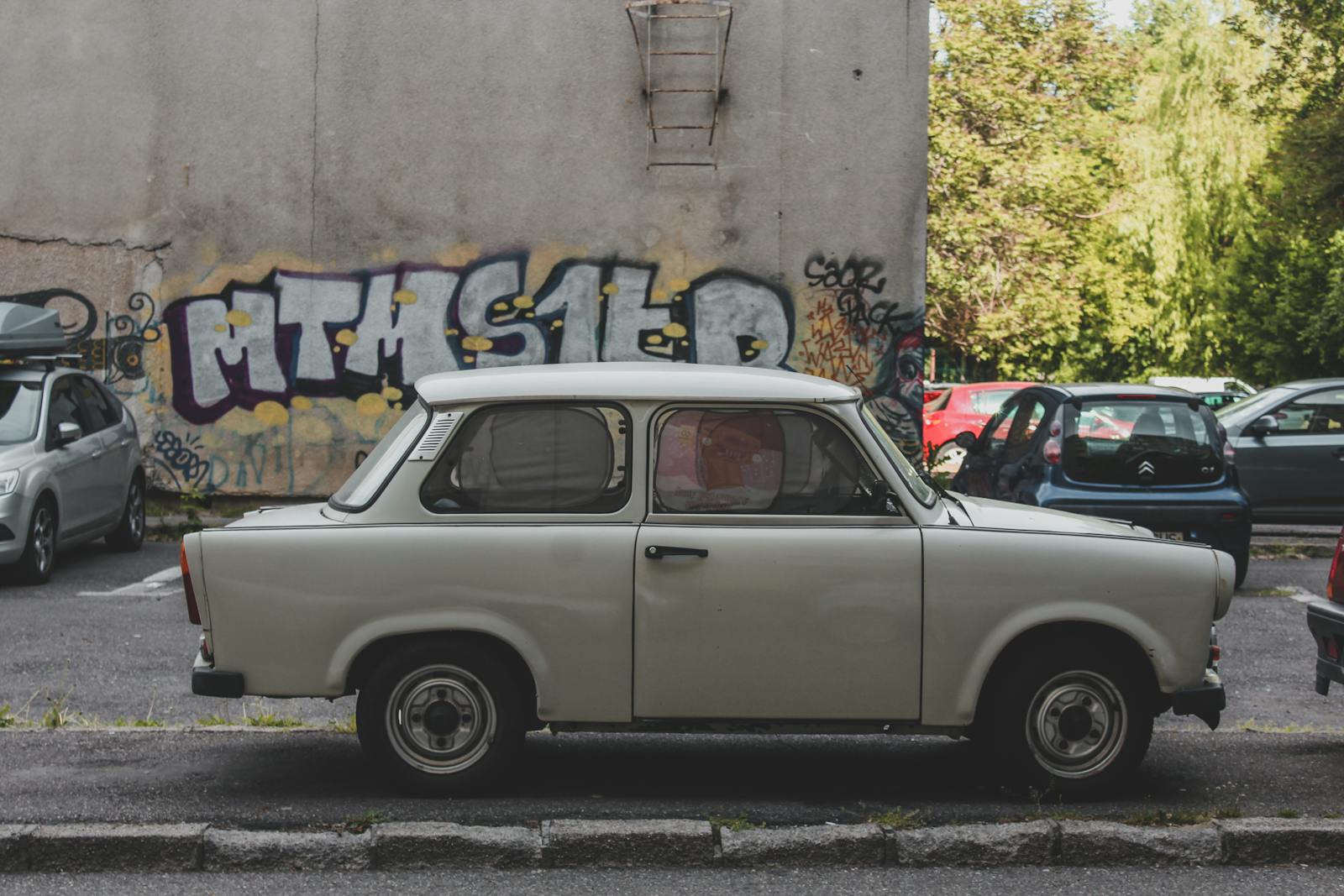
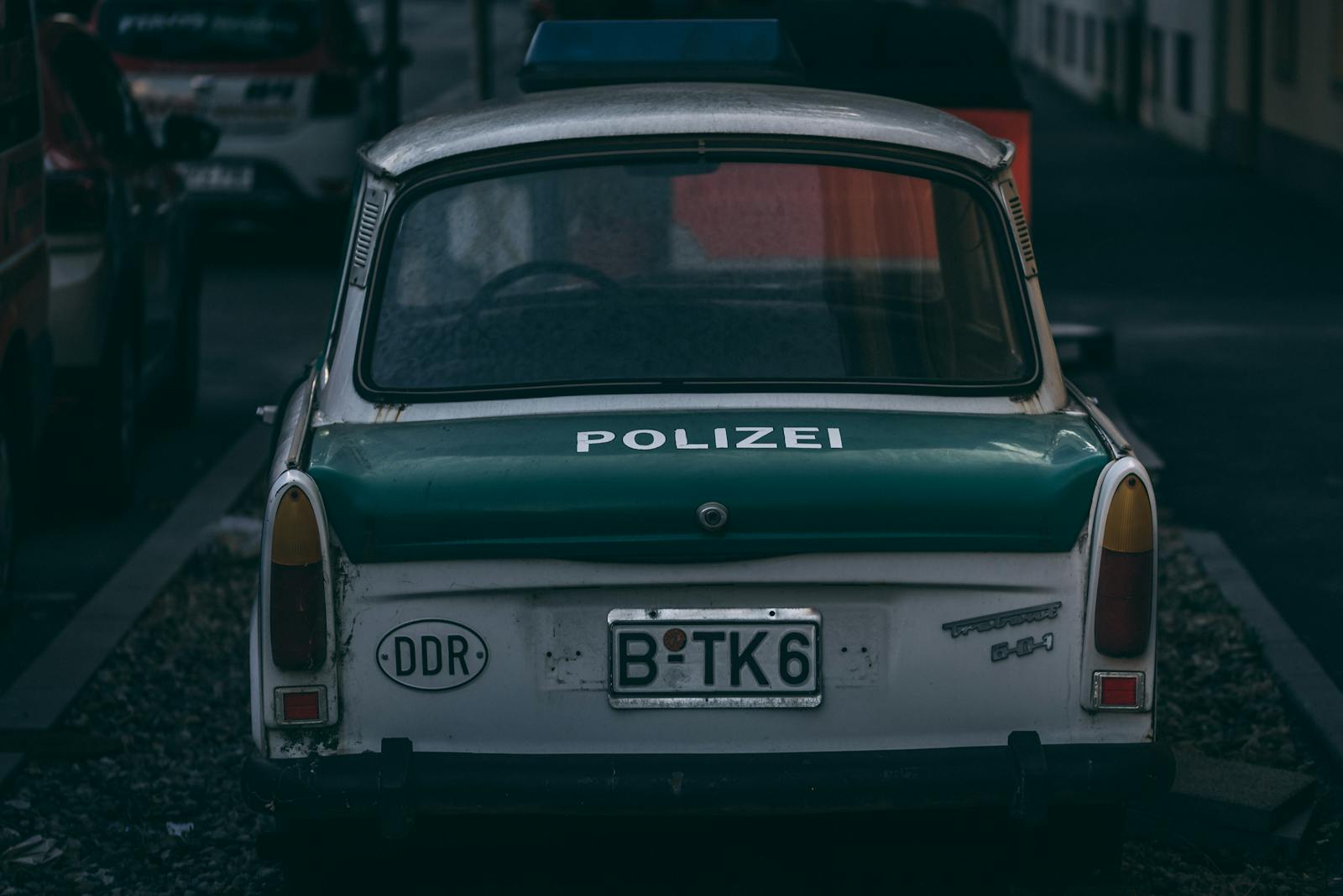
The first thing you do at the DDR Museum is sit in a Trabant. The 601 in the corner of the first gallery has a fully functional driving simulator wired into its dashboard — turn the key, ease into first gear, and a 3D windscreen takes you through a hole in the Berlin Wall and out across a recreated East German road. It’s the kind of theatrical, hands-on opener that some German historians find frivolous. I’d argue it’s exactly the point. The DDR Museum, on the Spree promenade opposite the Berliner Dom, is Berlin’s friendliest doorway into the German Democratic Republic — and the best first step for anyone trying to understand what East Germany was actually like to live in, before you tackle the harder, soberer institutions like the Stasi Museum and the Berlin Wall Memorial.
Quick orientation. The DDR Museum opened on July 15, 2006 in a private founding by ethnologist Peter Kenzelmann. It was nominated European Museum of the Year in 2008 and again in 2012. The collection has grown to more than 360,000 original GDR-era everyday objects. It’s the most-visited museum in Berlin on many days and it’s open 365 days a year from 09:00 to 21:00. Address: Karl-Liebknecht-Strasse 1, 10178 Berlin (the entrance is on Vera-Brittain-Ufer on the Spree side, opposite Berlin Cathedral). Adult €13.90, reduced €8.50, under 6 free. Important: the Berlin Museum Pass does NOT include the DDR Museum — it’s a private institution.
What Does DDR Stand For?
DDR is the German abbreviation for Deutsche Demokratische Republik — the German Democratic Republic. In English you’ll see GDR. It was the state that existed in East Germany from October 7, 1949 to October 3, 1990 (the latter being German Unity Day, when reunification took effect). The DDR was a Soviet-aligned single-party socialist state under the SED (Sozialistische Einheitspartei Deutschlands, the Socialist Unity Party). Its capital was East Berlin. Approximately 16.4 million people lived there at its peak. The Berlin Wall stood from August 13, 1961 until November 9, 1989. That’s the period the museum covers.
The Three-Part Exhibition
The museum is organised into three thematic zones, all interactive. Most visitors spend about 90 minutes; obsessives stay up to four hours.
Public Life
The first zone covers everyday life: the working week, education and the FDJ youth movement, transportation (the Trabant simulator is here, along with a Volvo 264 TE limousine from the GDR ministerial fleet), holidays and FKK beach culture, fashion, music, television (the Sandmännchen children’s character, still a beloved symbol forty years later), the Spreewald gherkin and other GDR consumer specialities, Vita-Cola, Mokka-Bär. A 1:20 scale Plattenbau model divides the room — these were the prefabricated apartment blocks that housed most East Germans by the 1980s.
State and Ideology
The middle zone, sometimes called the “semicircle of power,” covers the apparatus of the East German state: the SED party structure, the Politburo, the Volkskammer parliament, the constitution, the Cold War economy, the planned-economy bureaucracy. A circular display puts the SED at the centre with the ministries radiating outward. There’s a recreated Stasi interrogation room and a small prison cell with original items from Bautzen II. The largest piece in this zone is a 1:125 architectural model (200 × 130 cm) of the Palast der Republik — the GDR parliament and concert hall that stood where the Humboldt Forum now stands, demolished in 2008 after years of controversy. The model includes the famous “Erich’s lamp shop” chandelier installation that gave the Palast its nickname.
The Plattenbau Apartment
Added in August 2016 and now the museum’s signature exhibit. A fully furnished WBS-70 Plattenbau apartment — the standardised East German apartment type — with five rooms (kitchen, bathroom, living room, bedroom, children’s room), a garage with a Trabant inside, and a hidden Stasi control room behind one of the walls. Every drawer, cupboard, and wardrobe opens; the TV plays GDR-era broadcasts; the radio plays East German pop. The deliberate detail is that the apartment is presented as lived-in, not as a museum piece. You can sit on the couch. You can pour yourself a tour of imaginary Vita-Cola from the bottle on the kitchen table. The Stasi room behind the wall is the museum’s quiet reminder that the apartment was never quite private.
Ten Exhibits Not to Miss
- The Trabant 601 driving simulator — the museum’s signature opener.
- The 1:20 Plattenbau model — the housing estate that organised most East German lives.
- The WBS-70 apartment with the hidden Stasi room — the centrepiece, allow 20–30 minutes here.
- The Volvo 264 TE limousine from the ministerial fleet — a state secret of GDR luxury.
- The Palast der Republik model with “Erich’s lamp shop” — the demolished GDR parliament.
- Prison cell with original Bautzen II artefacts — the political prison of the regime.
- Ronald Paris’s “Praise of Communism” mural — large-scale socialist realism.
- SED conference table with touchscreens — interactive party history.
- The 1-megabit chip on display — GDR’s late-Cold War technological aspiration.
- Toys room for children with Sandmännchen and other GDR-era toys you can play with.
Is the DDR Museum Real History or Ostalgie Theme-Park?
The honest answer is that it’s both, deliberately, and the tension is the point. The German term Ostalgie — nostalgia for the East — is real and present in the museum’s approach. You can try on FDJ shirts. You can play with East German toys. You can sit in the Trabant. The exhibits foreground daily life and material culture rather than the political violence of the regime. Some German historians find this irresponsible — the GDR was a dictatorship, the Stasi surveilled millions of citizens, hundreds died trying to cross the Wall, and a private museum that lets tourists snap selfies in the Plattenbau kitchen can feel like a soft-focus take.
The museum’s response, in effect, is that the political violence is covered elsewhere — at the Stasi Museum in Lichtenberg, at the Berlin-Hohenschönhausen Memorial, at the Berlin Wall Memorial on Bernauer Strasse, at the Tränenpalast on Friedrichstrasse — and that the everyday life of forty years of socialist Germany also deserves a museum, especially one accessible to people without German-language fluency. I find this argument persuasive. Treat the DDR Museum as step one of a three- or four-stop East Berlin education: this for the everyday material context, the Stasi Museum for the surveillance apparatus, the Berlin Wall Memorial for the border tragedy, and the Tränenpalast for the human cost of division. Done in that order, the DDR Museum stops looking like Ostalgie and starts looking like the entry-point it really is.
For the harder companion pieces, see our guides to the Stasi Museum, the Berlin Wall sites, and the post-reunification transformation of the city.
The DDR Museum for Kids and Families
One of the better choices in Berlin for families with school-age children. Recommended ages 8 and up — younger kids enjoy the toy room, the Trabant simulator, and the Sandmännchen displays. Teenagers respond well to the surveillance/Stasi sections and the interactive party-politics screens. The interactive concept means kids spend most of the visit doing rather than reading, which matters in a city where many museums are text-heavy. School-group rate is €5.50 per child if you’re with an organised group. For more family options in Berlin, see our museums for kids guide.
Tickets, Opening Hours, and How to Skip the Line
- Hours: Daily 09:00–21:00. One of the few Berlin museums open every day, including Mondays when most state museums are closed. Closes early at 16:00 on December 24 and December 31. Open every other day of the year.
- Adult ticket: €13.90 at the door.
- Reduced (children 6+, students, seniors): €8.50.
- Under 6: free.
- Group rate (10+): €9.00/person.
- School group: €5.50/person.
- Berlin WelcomeCard: 25% off the regular ticket (only at the on-site ticket office).
- Berlin WelcomeCard All Inclusive: free entry.
- Berlin Museum Pass: NOT valid. Plan accordingly.
- No audio guide. Printed guidebook available in German, English, French, Spanish, Italian, and Chinese; guided tours bookable in 14 languages.
- Photography: permitted for personal use only.
- Best time to visit: after 18:00 the crowds thin significantly. The museum stays open until 21:00 with no late-night surcharge.
- Online booking: available via ddr-museum.de. The benefit is skip-the-line, not a discount — the price is the same.
How to Get There
The museum address is Karl-Liebknecht-Strasse 1, 10178 Berlin, but the entrance is on the Spree promenade — Vera-Brittain-Ufer — beneath the Karl-Liebknecht-Brücke (the bridge that runs into Museum Island). Many first-time visitors look for it on Karl-Liebknecht-Strasse and get lost; descend the steps on the DomAquarée side and you’re there.
- U-Bahn: U5 Museumsinsel (3 minutes’ walk).
- S-Bahn: Hackescher Markt (S3, S5, S7, S9; 8 minutes’ walk).
- Tram: M4, M5, M6 to Hackescher Markt or Spandauer Strasse/Marienkirche.
- Bus: 100, 200, 300 to Lustgarten (3 minutes’ walk).
DDR Museum vs. Stasi Museum vs. Tränenpalast vs. Berlin Wall Memorial
The four most important East-German-history sites in Berlin are different in tone, depth, and visit length. If you want to see all four — and a serious GDR education includes them all — this is the order I’d take them.
- DDR Museum (central, interactive, 90 min) — the friendliest doorway, daily life focus.
- Tränenpalast (Friedrichstrasse, free, 30–45 min) — the former East-West border crossing, focused on the experience of separation and reunion.
- Berlin Wall Memorial Bernauer Strasse (Wedding/Mitte boundary, free, 1.5–2 hours) — the most comprehensive site on the Wall and its border deaths.
- Stasi Museum (Lichtenberg, paid, 2 hours) — inside the actual former MfS headquarters at Ruschestrasse 103, preserved as it was in 1990.
Pair the DDR Museum with one or two of the others for a thorough day. The DDR Museum alone is a starting point, not the whole story.
The “Economy of Scarcity” Installation
One of the newer permanent additions, opened in 2025, is the museum’s “Economy of Scarcity” exhibit — around 600 everyday objects clustered to illustrate the practical realities of life in a planned economy. The “shortage diary” wall lets you track the periodic absence of basic goods (coffee, bananas, tropical fruit) across the GDR’s forty years. A reconstructed corner of an HO-Kaufhalle (state-run supermarket) shows the limited range of consumer products and the long queue culture that defined East German shopping. There’s a football from a 1974 East-West Germany match — the only time the two German teams played each other in the World Cup. The installation makes a serious point that the political-violence sections of the museum can’t make alone: the GDR’s failure was not only its surveillance, it was its inability to deliver consumer goods to its own citizens, and the consequence was a slow erosion of legitimacy that climaxed in 1989.
The DDR Museum Depot
A detail that almost no English-language guide mentions. The DDR Museum holds far more than 360,000 objects, and only a fraction is on display at the main exhibition. The museum’s depot in Marzahn — a residential district of East Berlin built largely from Plattenbau in the 1970s and 1980s, perhaps the most representative GDR-era neighbourhood — holds the wider collection and is occasionally open to the public via bookable behind-the-scenes tours. If you’re a serious GDR enthusiast or a researcher, the depot visit is worth the trip out. Book via ddr-museum.de directly. The Marzahn area is also a fascinating piece of urban GDR heritage in its own right.
A Perfect East Berlin Half-Day
- 13:30 — Start at Alexanderplatz. Walk around the square, look at the Fernsehturm (TV Tower, the GDR’s monumental symbol).
- 14:00 — Walk west along Karl-Marx-Allee for ten minutes. Read the preserved socialist boulevard.
- 14:30 — Lunch on Strausberger Platz at a casual café.
- 15:30 — DDR Museum (90 minutes).
- 17:00 — Walk west along the Spree promenade ten minutes to the Humboldt Forum (free admission).
- 18:00 — End at the Tränenpalast by Friedrichstrasse station, fifteen minutes’ walk west — last entry 18:30, closes at 19:00.
A Short History of the Museum Itself
The DDR Museum is unusual among Berlin’s history museums in being a private institution. Founded in 2006 by ethnologist Peter Kenzelmann from Freiburg, the museum opened on July 15 that year with a deliberately interactive concept — a rebuke, in part, to the staid text-and-vitrine treatment of GDR material at other institutions. Initial reception in the German press was mixed: some critics dismissed the museum as Ostalgie theme park; others praised the accessibility and the willingness to engage younger and non-German-speaking visitors. The European Museum of the Year nominations in 2008 and 2012 settled the debate in favour of the museum’s approach, at least in the international museum profession’s eyes. The museum has expanded steadily — the WBS-70 Plattenbau apartment was added in 2016, the Economy of Scarcity installation in 2025 — and the collection has grown from an initial donation base to today’s 360,000+ objects, most of them gifted by private East German citizens who saved them after 1990.
The funding model is also worth knowing about: the museum receives no federal or state subsidies, runs on ticket revenue and private donations, and is therefore vulnerable in ways that the publicly funded state museums aren’t. It’s also why the ticket price (€13.90) is higher than the major state museums on Museum Island (€10–€14 with reduced rates). Whether you support the museum’s existence by buying a ticket is a small political act, in the very Berlin sense that everything is.
The Spree Promenade Approach
One small practical note worth mentioning. The museum’s main entrance is on the Spree-side promenade, Vera-Brittain-Ufer, named for the British writer and pacifist Vera Brittain. The two t’s in her name are correct — many maps and travel guides spell it with one. The promenade is one of the loveliest pedestrian routes in central Berlin, running along the Spree from the Karl-Liebknecht-Brücke past the Berliner Dom and on towards the Humboldt Forum. Even if you don’t visit the museum, the riverside walk past it is worth the detour. In summer, the museum’s small café terrace on the promenade is one of the more pleasant places to sit with a drink and look across the river at the cathedral.
Frequently Asked Questions
Is the DDR Museum worth visiting?
Yes — it’s Berlin’s most accessible introduction to East German daily life and an excellent first step before deeper sites like the Stasi Museum and Berlin Wall Memorial.
How long do you need at the DDR Museum?
Plan 90 minutes. Obsessives stay up to four hours.
Is the DDR Museum suitable for kids?
Yes — recommended for ages 8 and up. Younger children enjoy the toy room and Trabant simulator.
What does DDR stand for?
Deutsche Demokratische Republik — the German Democratic Republic, the East German state from 1949 to 1990.
Can you sit in a Trabant?
Yes — a fully interactive Trabant 601 driving simulator with 3D windscreen takes you through a hole in the Wall.
Is photography allowed at the DDR Museum?
Yes, for private use only. No commercial photography without prior permission.
Is the DDR Museum open every day?
Yes — 365 days a year, 09:00 to 21:00. Closes early at 16:00 on December 24 and 31.
What’s the difference between DDR Museum and Stasi Museum?
DDR Museum is interactive, focused on everyday life, centrally located. Stasi Museum is inside the actual former Ministry for State Security headquarters in Lichtenberg, preserved as it was in 1990, focused on the surveillance apparatus. Visit DDR first, Stasi second.
Final Word
The DDR Museum is one of the most-visited and most-debated museums in Berlin. The interactive concept, the hands-on Plattenbau apartment, the Trabant simulator, the Stasi corner hidden behind the kitchen wall — these are not the deepest or most sober treatment of the GDR, but they are the most accessible. Treat it as the doorway it is. Spend ninety minutes here, then plan the rest of your East Berlin education for the days that follow.
Companion reads: our Stasi Museum guide for the surveillance side, our Berlin Wall timeline for the chronology, our Berlin Wall sites guide for the physical traces, and our Berlin after reunification guide for how the city changed once the GDR was gone.