Berlin History & Culture: Complete Guide to the City’s Past & Present (2026)
Explore Berlin's fascinating history — from the Berlin Wall and Cold War to WWII, Jewish heritage, and reunification. Essential historical sites and cultural insights.
Why Berlin’s History Matters for Every Visitor
No city in Europe wears its history as openly as Berlin. Walk down almost any street in the center and you’ll encounter brass plaques in the sidewalk, fragments of a wall that once divided a nation, bullet holes still visible on building facades, and memorials that force you to confront some of humanity’s darkest chapters. Berlin doesn’t hide from its past — it builds monuments to it.
What makes this berlin history guide different from a textbook is perspective. Berlin’s story isn’t a single narrative — it’s eight centuries of reinvention, from a medieval trading settlement on the Spree to the capital of the Prussian Empire, from the cultural explosion of the Weimar Republic to the horrors of the Nazi era, from a city physically split in half by a concrete wall to the reunified, creative capital it is today. Each era has left physical traces that any thorough berlin history guide should cover that you can still walk through, touch, and experience.
This guide takes you through each period chronologically, connects the history to the sites you can visit, and gives you the practical information you need to plan meaningful visits — including how to emotionally prepare for Berlin’s heavier historical experiences.
Medieval Origins and the Rise of Prussia (1237-1871)
Berlin’s recorded history begins in 1237, when the twin trading settlements of Berlin and Cölln were first documented along the Spree River. For centuries, these were modest trading towns — nothing suggested they would become the capital of one of Europe’s great powers.
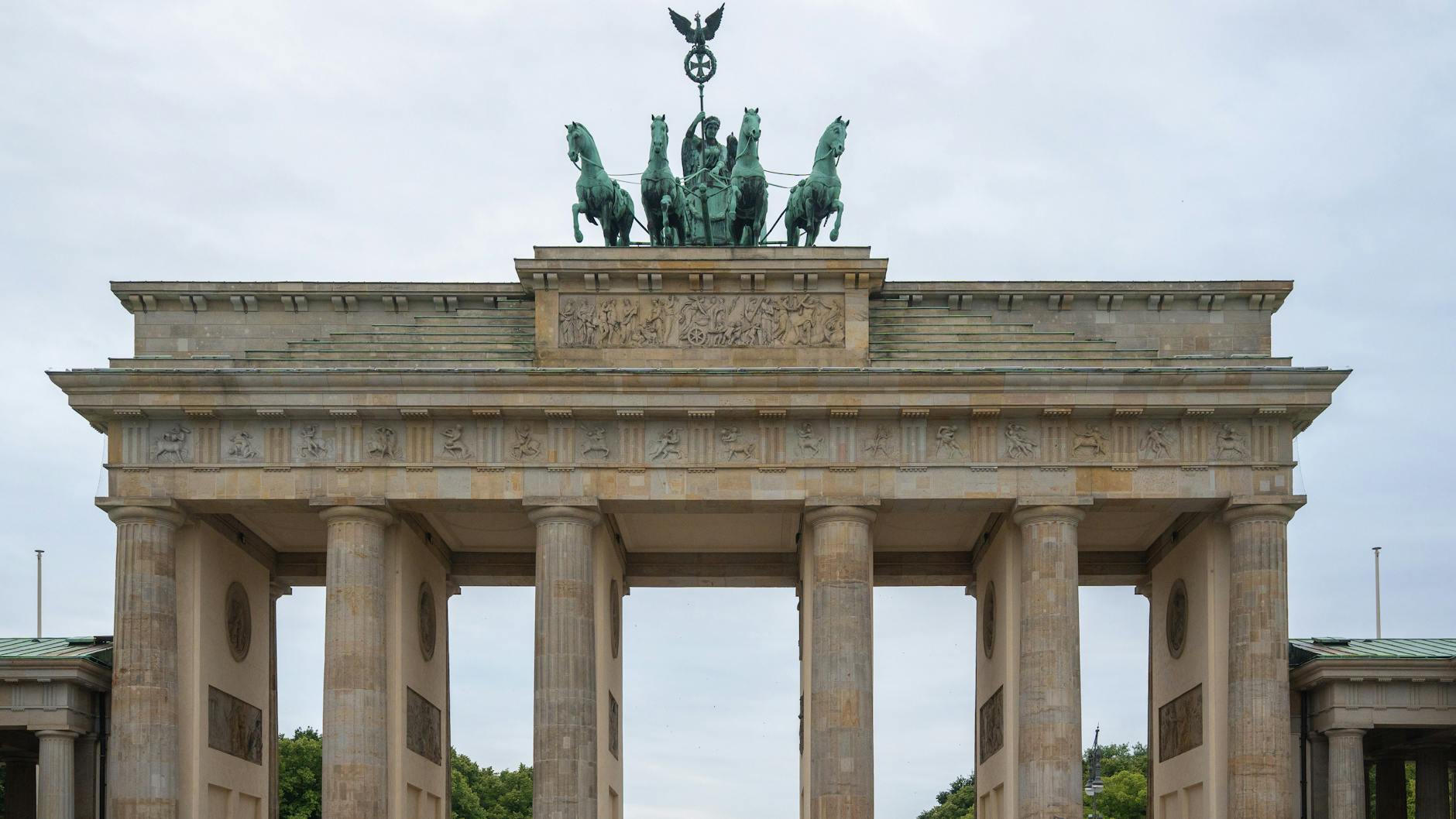
That changed with the Hohenzollern dynasty, which made Berlin their seat of power in the 15th century and gradually transformed it into a royal capital. Under Frederick the Great (1740-1786), Berlin became a center of Enlightenment thinking and artistic patronage. The Brandenburg Gate, completed in 1791, was built as a neoclassical triumphal arch and remains the city’s most iconic landmark — a symbol that has witnessed every chapter of Berlin’s modern history.
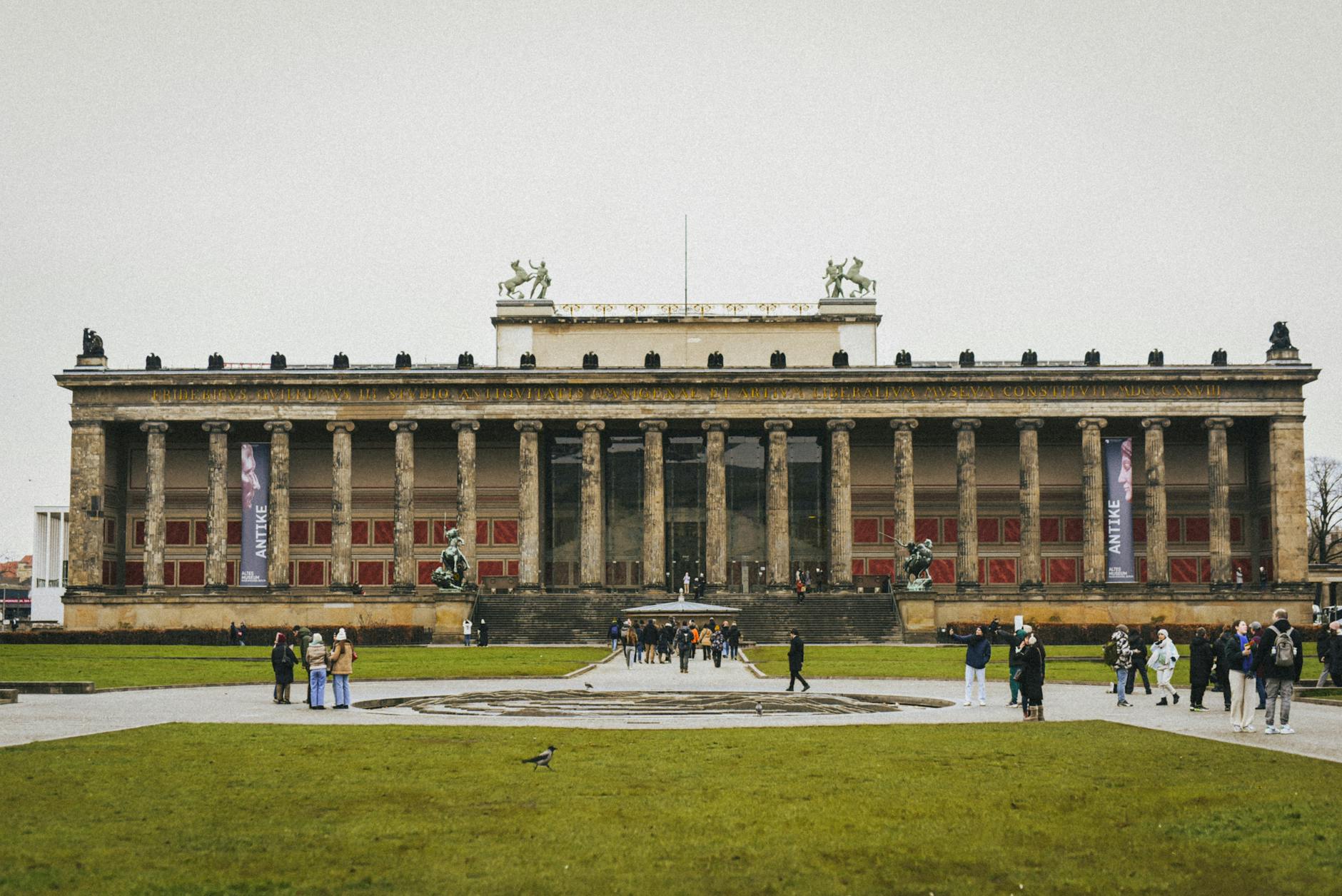
Charlottenburg Palace, Berlin’s largest surviving royal residence, offers the most tangible connection to Prussian Berlin. Built in 1699 as a summer retreat for Queen Sophie Charlotte, its rococo interiors and formal gardens provide a glimpse of the opulence that characterized Prussian court life. Museum Island, a UNESCO World Heritage Site on the Spree, houses five world-class museums built between 1830 and 1930 that showcase the artistic ambitions of Prussian and later Imperial Germany.
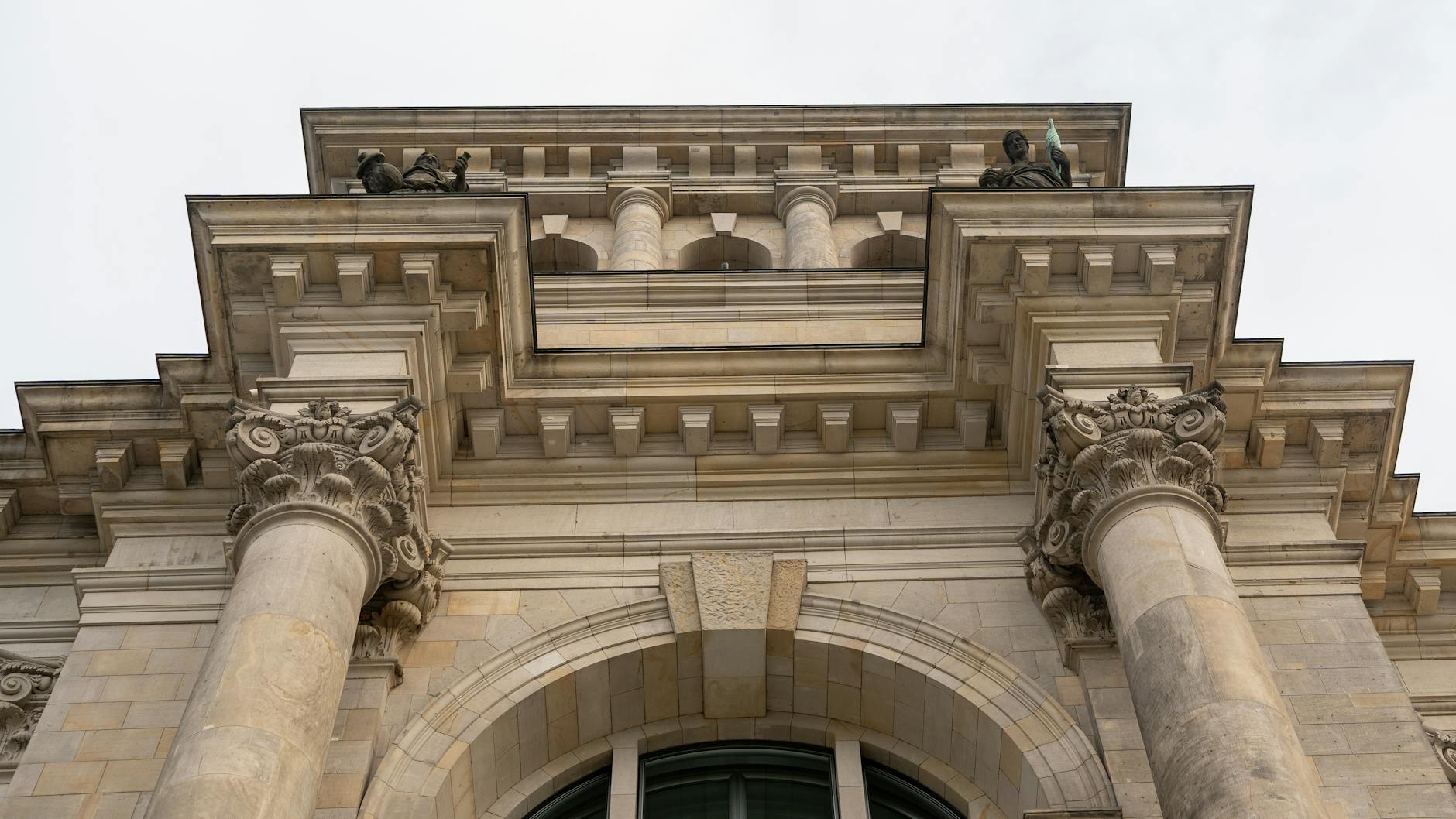
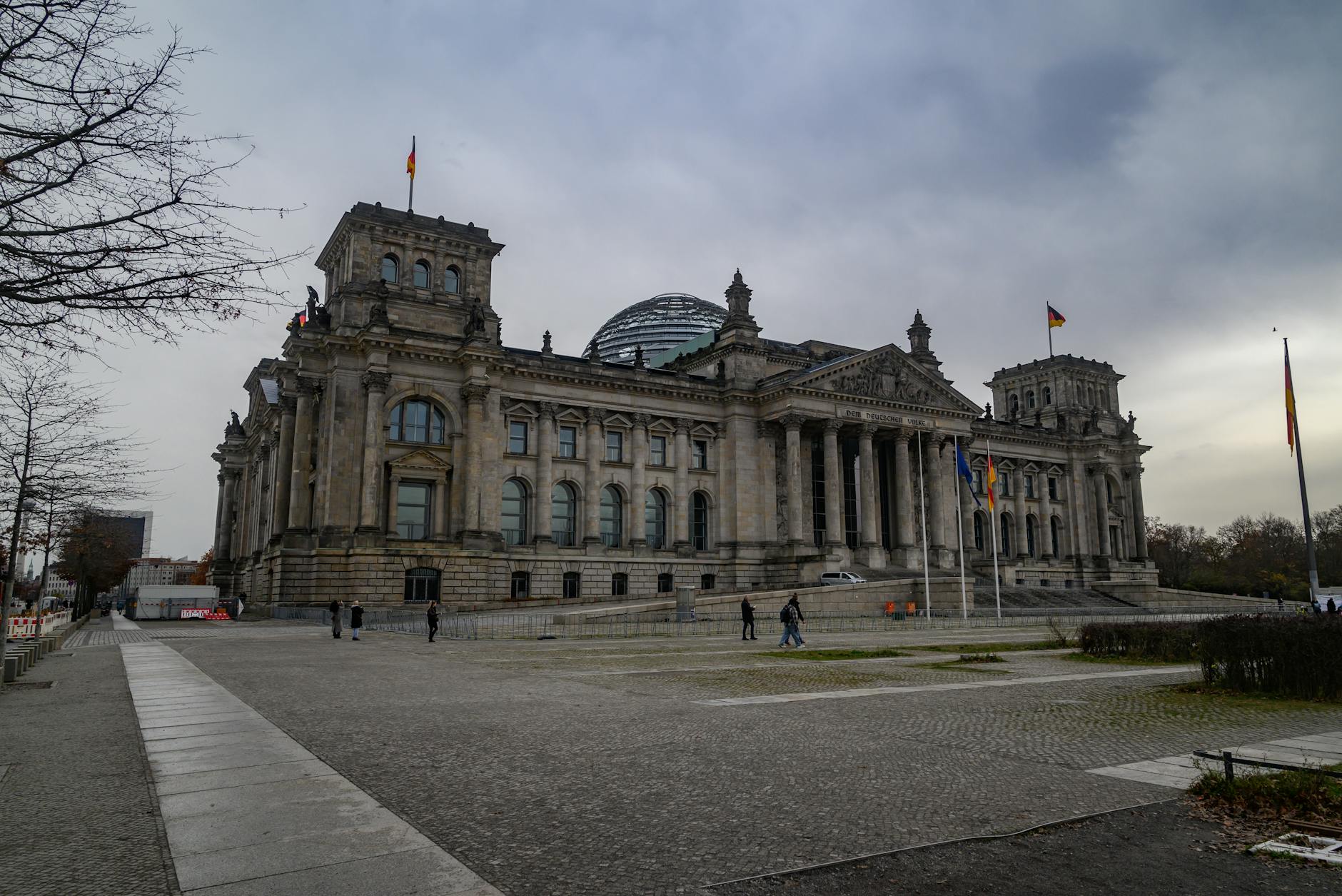
The Prussian era culminated in 1871 when Otto von Bismarck unified the German states under Prussian leadership, and Berlin became the capital of the German Empire. The Reichstag building, completed in 1894, was constructed to house the new parliament — though its journey through the next century would prove far more dramatic than its architects imagined.
The Weimar Republic: Cultural Flowering and Collapse (1918-1933)
After Germany’s defeat in World War I and the abdication of Kaiser Wilhelm II, Berlin became the capital of the Weimar Republic — and one of the most culturally vibrant cities in the world. The 1920s brought an explosion of artistic experimentation: expressionist cinema, Bauhaus architecture, cabaret culture, jazz clubs, and a sexual liberation that was revolutionary for its time.
Figures like Bertolt Brecht, Marlene Dietrich, Albert Einstein, and George Grosz called Berlin home. The city’s nightlife was legendary, its theaters pioneering, and its intellectual life rivaled Paris and Vienna. Traces of this era survive in the Schaubühne theater, the preserved Bauhaus architecture in various districts, and the cultural institutions that first flourished during this period.
But the Weimar era was also defined by catastrophic economic instability. Hyperinflation in 1923 wiped out savings overnight, and the Great Depression after 1929 created mass unemployment. This economic desperation — felt acutely on Berlin’s streets — created the conditions that allowed the Nazi Party to rise to power. Understanding the Weimar era is essential context for what followed, and it’s a period that many berlin history guide resources overlook in favor of jumping straight to 1933.
The Nazi Era and World War II (1933-1945)
On January 30, 1933, Adolf Hitler was appointed Chancellor in the Reichstag. Within months, Berlin was transformed into the command center of a totalitarian state. The Reichstag fire on February 27, 1933 — still debated by historians — provided the pretext for suspending civil liberties. Book burnings occurred on Bebelplatz (then Opernplatz) on May 10, 1933, an event now commemorated by a haunting underground memorial visible through a glass plate in the square.
For Berlin’s Jewish community — roughly 160,000 people in 1933 — the Nazi rise to power began a decade of escalating persecution that culminated in the Holocaust. The Stolpersteine (stumbling stones) embedded in sidewalks across Berlin mark the last freely chosen addresses of individuals who were deported and murdered. There are thousands throughout the city, each bearing a name, a birth date, and a fate. Encountering them unexpectedly while walking — a brass square glinting in the pavement — is one of Berlin’s most powerful memorial experiences.
The key Nazi-era sites in any berlin history guide tell different aspects of this history:
The Topography of Terror, built on the former headquarters of the Gestapo and SS on Niederkirchnerstraße, documents how the Nazi terror apparatus was organized and operated. It’s free, open daily from 10:00 AM to 8:00 PM, and includes both indoor exhibitions and an outdoor section along a surviving 200-meter stretch of the Berlin Wall. Allow at least two hours. This is one of Berlin’s most important museums and often less crowded than Checkpoint Charlie.
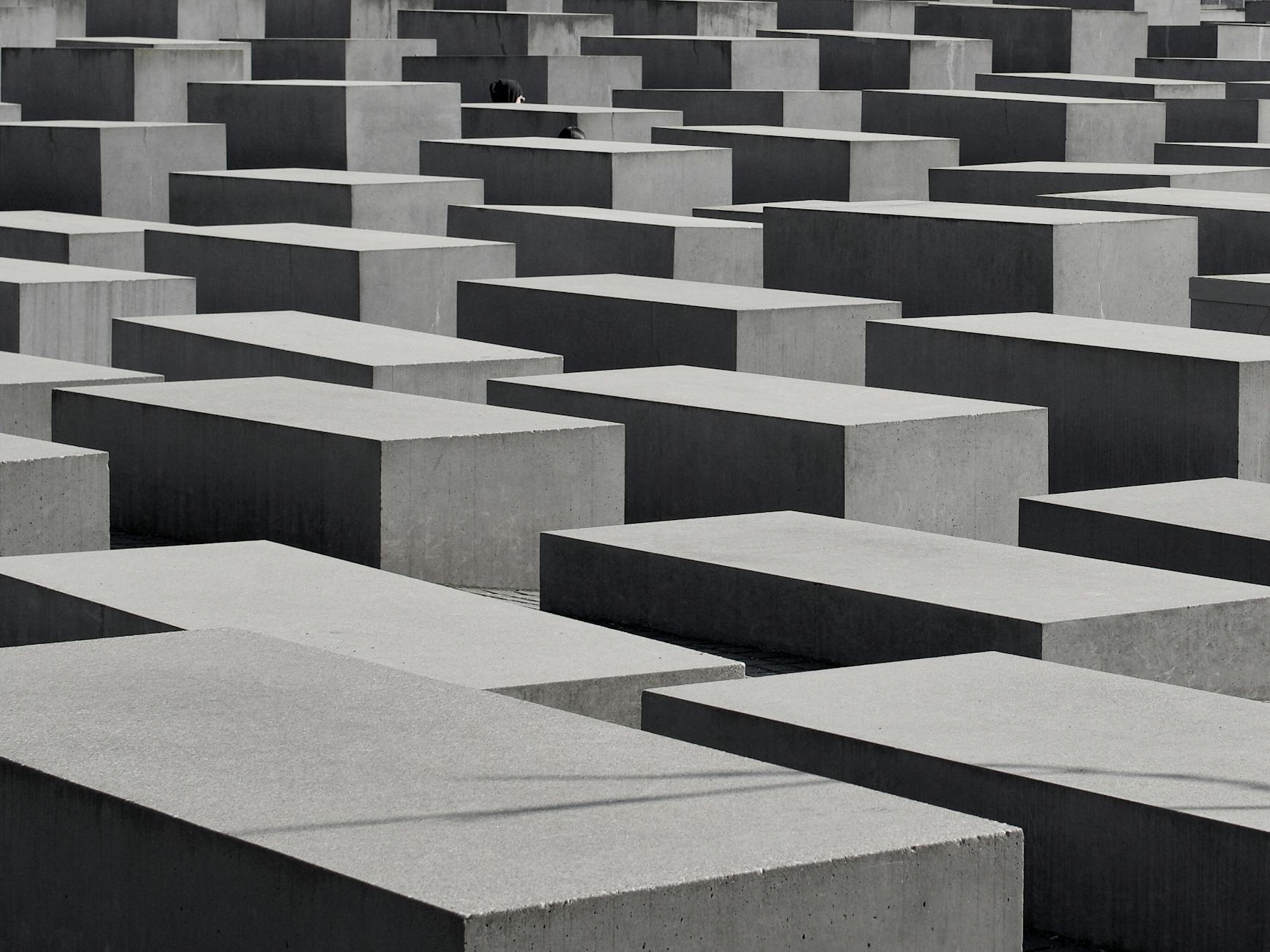
The Memorial to the Murdered Jews of Europe (Holocaust Memorial) occupies an entire city block near Brandenburg Gate — 2,711 concrete stelae of varying heights creating a disorienting, claustrophobic landscape that visitors walk through. The underground Information Centre (Tuesday-Sunday, 10:00 AM-7:00 PM, free) adds deeply personal context through biographical displays and a Room of Names. Plan to spend at least 60-90 minutes here. Visit on weekday mornings for fewer crowds and a more reflective experience.
World War II reduced Berlin to rubble. By 1945, an estimated 80% of the city center was destroyed. The Berliner Unterwelten (Berlin Underworlds) tours take visitors into preserved wartime bunkers and shelters where civilians endured Allied bombing raids — a perspective rarely covered in standard history guides. Tours cost €15-18 and must be booked in advance at berliner-unterwelten.de. For more on these tours, see our Berlin Bunker Tours guide.
For a complete guide to Nazi-era sites and memorials, see our Nazi History in Berlin guide.
A City Divided: Cold War Berlin (1945-1989)
After Germany’s surrender in May 1945, Berlin was divided into four occupation zones controlled by the United States, Britain, France, and the Soviet Union. As Cold War tensions escalated, this division hardened. In 1948-49, the Soviet blockade of West Berlin prompted the legendary Berlin Airlift, during which Western allies flew in supplies for nearly a year to keep the city alive.
On August 13, 1961, East German authorities began constructing the Berlin Wall — initially barbed wire, later reinforced concrete — sealing off West Berlin entirely. Overnight, families were separated, streets were cut in half, and a city became the world’s most visible symbol of ideological division. Over the Wall’s 28-year existence, at least 140 people died attempting to cross it.
The Berlin Wall Memorial on Bernauer Straße is the most comprehensive site for understanding what the Wall meant in human terms. The 1.4-kilometer open-air exhibition includes original wall segments, a preserved death strip, a watchtower, and a documentation center with personal stories of those affected by the division. The Visitor Center and Documentation Centre are open Tuesday-Sunday, 10:00 AM-6:00 PM (free). The outdoor exhibition is accessible daily from 8:00 AM to 10:00 PM.
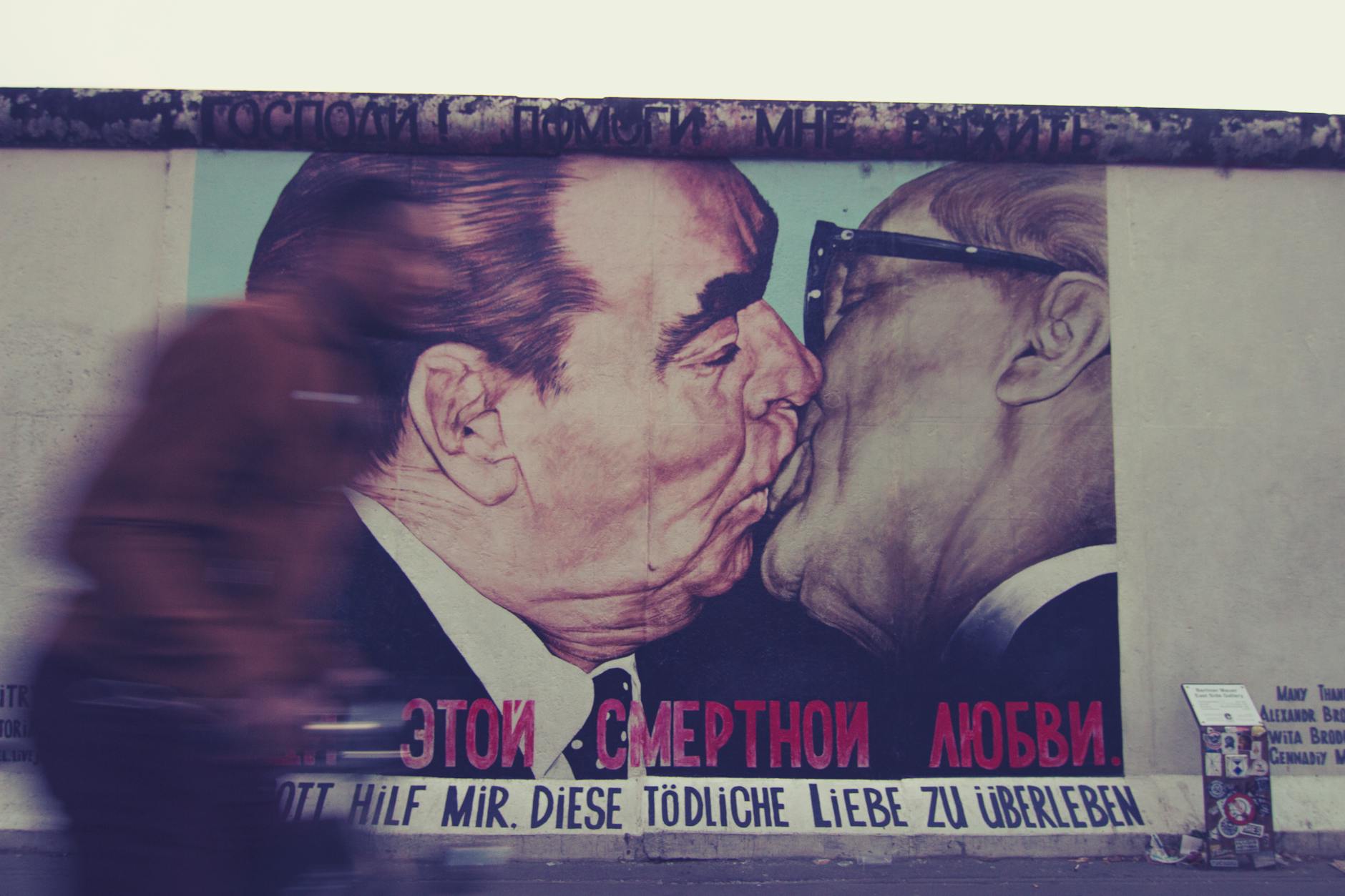
The East Side Gallery in Friedrichshain preserves 1.3 kilometers of the Wall — the longest remaining section — covered with 100 paintings by 87 artists from around the world. The most iconic image is Dmitri Vrubel’s painting of Soviet leader Brezhnev kissing East German leader Honecker. It’s free and accessible 24/7, though early mornings or late afternoons offer the best light and fewer crowds.
Checkpoint Charlie, the most famous Cold War border crossing, remains a major tourist draw — though visitors should know that the outdoor “checkpoint” with guards in uniform is a tourist recreation, not a historical artifact. The Checkpoint Charlie Museum (Mauermuseum) at Friedrichstraße 43-45 documents escape attempts and Cold War history (daily 10:00 AM-8:00 PM, €18.50 adults). A new educational memorial concept is being developed for the site.
For deeper Cold War immersion, the Stasi Museum at the former headquarters of East Germany’s secret police reveals the surveillance apparatus that monitored millions of citizens. The Hohenschönhausen Memorial — a preserved Stasi prison where political prisoners were interrogated and tortured — is among Berlin’s most chilling experiences. Tours run hourly (€6 adults, €1 students), with English-language tours at 10:40 AM, 12:40 PM, and 2:40 PM daily. See our Stasi Museum and Hohenschönhausen guide for full details.
For everything Berlin Wall-related, explore our guides on the Berlin Wall History Timeline, Berlin Wall Sites and Memorials, Checkpoint Charlie, and the East Side Gallery.
The Fall of the Wall and Reunification
On November 9, 1989, a confused East German government announcement inadvertently opened the border. Thousands of Berliners streamed through checkpoints — dancing on the Wall, embracing strangers, and dismantling concrete with hammers in scenes broadcast worldwide. Germany was officially reunified on October 3, 1990, a date now celebrated as German Unity Day.
But reunification wasn’t simply a celebration. Decades of separation had created two different societies with different values, economic systems, and daily realities. East Germans faced mass unemployment as state-owned enterprises collapsed. West Germans shouldered a “solidarity surcharge” tax that persisted for decades. The psychological concept of “Ostalgie” — nostalgia for aspects of East German life — reflects the complex emotions that reunification brought.
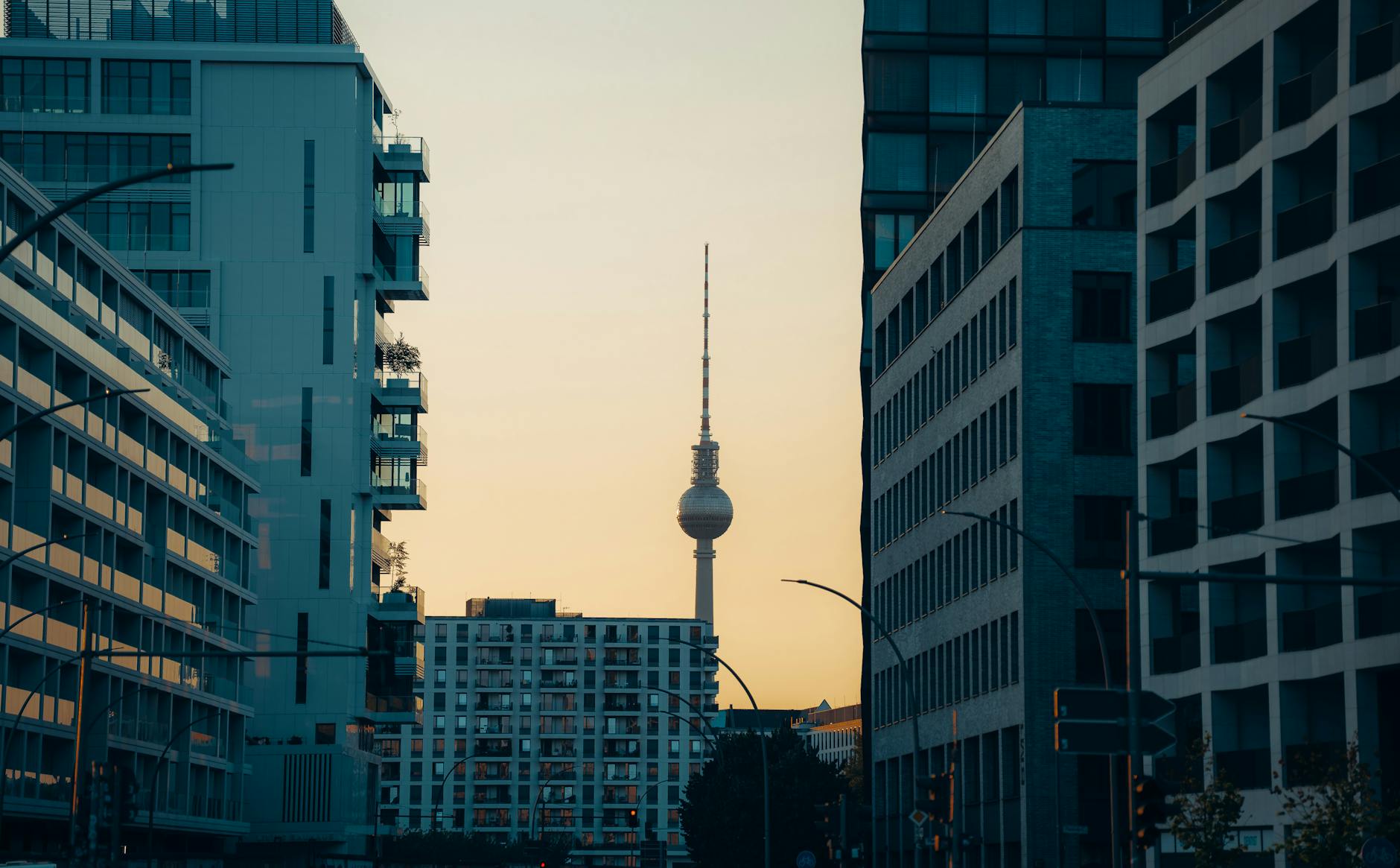
Today’s Berlin still bears traces of this division. Former East Berlin neighborhoods like Prenzlauer Berg and Friedrichshain developed into creative, bohemian districts partly because reunification left a surplus of cheap, empty buildings that artists and squatters claimed. The economic differences between East and West, while narrowing, remain visible in architecture, infrastructure, and subtle cultural differences that observant visitors can detect. Our Berlin After Reunification guide explores how the city has changed since 1990.
Jewish Heritage in Berlin
Berlin’s Jewish history stretches back to the 13th century and encompasses periods of flourishing cultural achievement as well as catastrophic persecution. Before 1933, Berlin’s Jewish community was one of Europe’s most influential — deeply integrated into the city’s intellectual, artistic, and commercial life.
The Jewish Museum Berlin, housed in a striking building designed by Daniel Libeskind, is Europe’s largest Jewish museum. Its architecture is itself a statement — the zinc-clad building features angular voids that represent absence, and the exhibition traces 1,700 years of Jewish life in Germany. The museum sits in Kreuzberg and should be allotted at least 2-3 hours.
The New Synagogue on Oranienburger Straße, with its distinctive golden Moorish dome, was once Germany’s largest synagogue (seating 3,200 when built in 1866). Damaged on Kristallnacht in 1938 and further destroyed by Allied bombing, it was partially restored and reopened in 1995. Today it houses the Centrum Judaicum foundation and a permanent exhibition on the building’s history and the Jewish community of Berlin.
The Stolpersteine (stumbling stones) created by artist Gunter Demnig represent perhaps Berlin’s most affecting memorial form. These small brass plaques, set into sidewalks in front of former residences, name individual victims of Nazi persecution — their birth dates, deportation dates, and fates. There are thousands across Berlin, concentrated in formerly Jewish neighborhoods in Mitte, Prenzlauer Berg, and Charlottenburg. Walking over them is an unavoidable, intimate encounter with individual human loss.
For the full story, see our Jewish History in Berlin guide.
Essential Historical Sites: Practical Information
Planning visits to Berlin’s historical sites benefits from understanding which are free, which require advance booking, and how much time to budget for each.
Free sites (no booking required): Brandenburg Gate (24/7), East Side Gallery (24/7), Berlin Wall Memorial grounds (daily 8 AM-10 PM), Topography of Terror (daily 10 AM-8 PM), Holocaust Memorial field (24/7), and Tempelhofer Feld (the former airport turned public park). These alone could fill two full days.
Free but booking required: The Reichstag dome and roof terrace offer panoramic city views and are free, but you must register in advance at bundestag.de with your name and date of birth. A valid photo ID is required for entry. Book at least two weeks ahead during peak season. The Holocaust Memorial’s underground Information Centre is free (Tuesday-Sunday, 10 AM-7 PM) and doesn’t require booking.
Paid museums worth prioritizing: Checkpoint Charlie Museum (€18.50), Hohenschönhausen Memorial (€6, tours hourly), Berliner Unterwelten bunker tours (€15-18), Jewish Museum Berlin, and the museums on Museum Island. If budget is a concern, the free sites and the Hohenschönhausen tour offer the most historically impactful experiences per euro.
Suggested time budget: The major free sites (Brandenburg Gate, Reichstag, Holocaust Memorial, Topography of Terror, Berlin Wall Memorial, East Side Gallery) require a minimum of two full days at a comfortable pace. Adding the Stasi/Hohenschönhausen sites, Jewish heritage sites, and a bunker tour extends this to four or five days. Many visitors underestimate how much time these sites deserve — rushing through a Holocaust memorial or a Stasi prison misses the point entirely.
How to Experience Berlin’s Heavy History
Berlin’s history includes some of humanity’s most painful chapters, and visiting sites related to the Holocaust, Nazi persecution, and Cold War repression requires a different kind of preparation than typical tourist attractions.
Pace yourself. Don’t try to visit the Topography of Terror, the Holocaust Memorial, and the Hohenschönhausen prison in a single day. Emotional fatigue is real, and stacking heavy experiences diminishes the impact of each. Alternate heavier sites with lighter experiences — follow a morning at the Holocaust Memorial with an afternoon in the Tiergarten park, or pair a Stasi prison visit with an evening in a beer garden.
Prepare children thoughtfully. Berlin’s historical sites can be deeply affecting for young visitors. Age-appropriate preparation is important — discuss what they’ll see beforehand, let them set the pace, and be ready to leave if they’re overwhelmed. The Berlin Wall Memorial and the East Side Gallery are generally manageable for school-age children. The Hohenschönhausen prison and detailed Holocaust exhibitions are better suited to teenagers and adults.
Respect the space. Maintain a quiet demeanor at memorial sites. Avoid loud conversations, keep group sizes small where possible, and follow posted photography guidelines. Some visitors have been criticized for inappropriate social media behavior at the Holocaust Memorial — remember that these are sites of mourning, not photo opportunities.
Consider a guided tour. For sites like the Holocaust Memorial, Sachsenhausen concentration camp, and the bunker tours, a knowledgeable guide adds context that transforms the experience from observation to understanding. English-language tours are widely available. The Holocaust Memorial offers free guided tours on the first Sunday of each month (English) and the third Sunday (German) at 2:00 PM.
Berlin’s Living Culture Today
Berlin’s history isn’t confined to museums, and no berlin history guide is complete without understanding the living culture and memorials. The city’s past directly shapes its present culture — the creative energy, the political awareness, the tolerance for difference, and the determination to remember rather than forget.
The street art scene, particularly prominent in Kreuzberg and Friedrichshain, draws on Berlin’s tradition of using public space for political expression — from Weimar-era posters to Cold War graffiti on the Wall. Berlin’s thriving nightclub culture occupies repurposed industrial spaces and Cold War-era buildings. The city’s openness to immigration and diversity is partly a conscious response to its xenophobic past.
Even Berlin’s architecture tells a history story. The contrast between the reconstructed Prussian elegance of Museum Island, the brutalist East German apartment blocks of Karl-Marx-Allee, the postmodern glass of Potsdamer Platz, and the creative reuse of former industrial sites creates a cityscape where every era remains visible.
If you read only one exhibition in Berlin on how the Nazi state actually functioned, make it this one. The Topography of Terror documents the perpetrators rather than the victims — the officials, their qualifications, their career paths, and what happened to them after 1945, which for a striking number was senior public office in West Germany. It is free, austere and physically demanding, with almost nowhere to sit. Our Topography of Terror guide covers how to approach it.
Explore Berlin’s History in Depth
This berlin history guide provides the overview. For deeper exploration of specific periods and sites, use our specialized guides:
- Berlin Wall History — Complete Timeline 1961-1989 — From construction to fall, year by year
- Berlin Wall Sites and Memorials — Every remaining segment and memorial worth visiting
- Checkpoint Charlie — History, the museum, and what to expect today
- East Side Gallery — The world’s longest open-air gallery, artwork by artwork
- Nazi History in Berlin — Sites, memorials, and the difficult history they document
- Stasi Museum and Hohenschönhausen — Cold War surveillance and political imprisonment
- Jewish History in Berlin — 800 years of community, culture, and commemoration
- Berlin After Reunification — How the city transformed after 1990
- WWII Bunker Tours — Underground history beneath Berlin’s streets