Best Flea Markets in Berlin: A Local’s Guide to Berlin Flohmärkte
The definitive guide to Berlin's best flea markets — Mauerpark, Boxhagener, Arkonaplatz, and more. What to buy, when to go, and how to shop like a local.
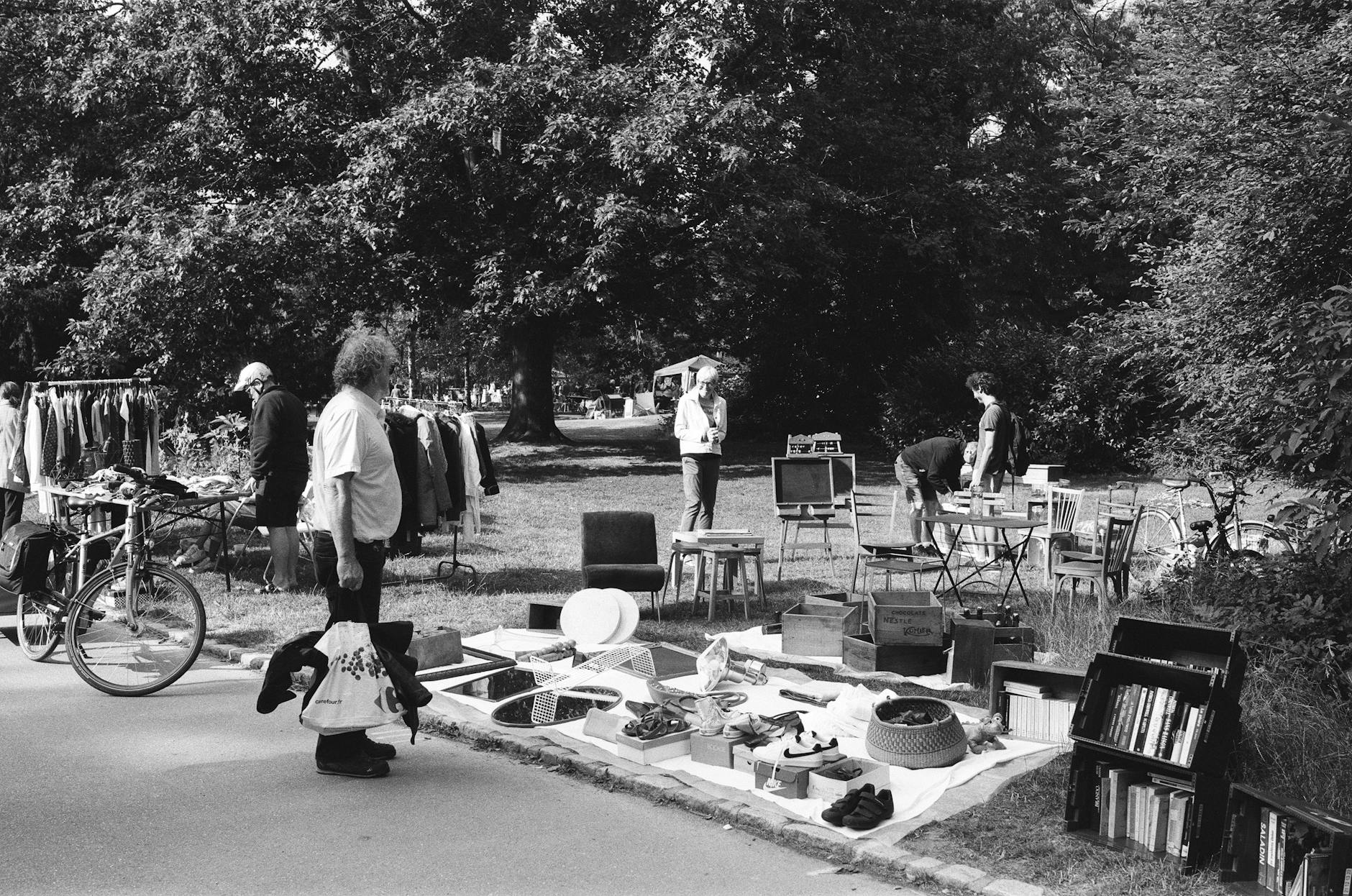
If you’re in Berlin on a Sunday, you go to a flea market. The reason is half cultural and half legal: Germany’s strict Sunday trading laws (the Ladenöffnungsgesetz) shut almost every retail store on Sundays, which has turned Berlin’s outdoor flea markets into the city’s de facto Sunday shopping scene. The famous one is Mauerpark — a former Berlin Wall death strip turned chaotic Sunday market with the legendary outdoor karaoke amphitheatre across the path. But the real flea-market scene is much wider than Mauerpark, and several of the alternatives are better for serious finds. This is a guide to the best flea markets in Berlin for 2026 — eight major markets with addresses, opening hours, what to buy at each, and the haggling etiquette that determines whether you leave with the piece you came for.
Berlin’s Top Flea Markets at a Glance
- Flohmarkt im Mauerpark — Bernauer Strasse 63–64, Prenzlauer Berg. Sundays 9:00–18:00. The famous one.
- Boxhagener Platz — Friedrichshain. Sundays 10:00–18:00. The local favourite.
- Strasse des 17. Juni Antikmarkt — Tiergarten. Saturday and Sunday 10:00–17:00. Berlin’s oldest, highest-quality antiques.
- Arkonaplatz — Mitte/Prenzlauer Berg. Sundays 10:00–18:00. Mid-century modern and GDR design.
- Nowkoelln Flowmarkt — Maybachufer, Neukölln. Every other Sunday March–November 10:00–17:00. Young designer-led.
- Fehrbelliner Platz — Wilmersdorf. Saturday and Sunday 10:00–16:00. Art mile on Sundays.
- RAW Flohmarkt — Revaler Strasse 99, Friedrichshain. Sundays 9:00–17:00. Vintage fashion + street food + clubs.
- Antikmarkt am Ostbahnhof — behind Ostbahnhof, Friedrichshain. Sundays 9:00–17:00. 120+ professional antique dealers.
- Marheinekeplatz — Kreuzberg, Bergmannkiez. Weekend market 10:00–17:00. Bohemian Kreuzberg crossover.
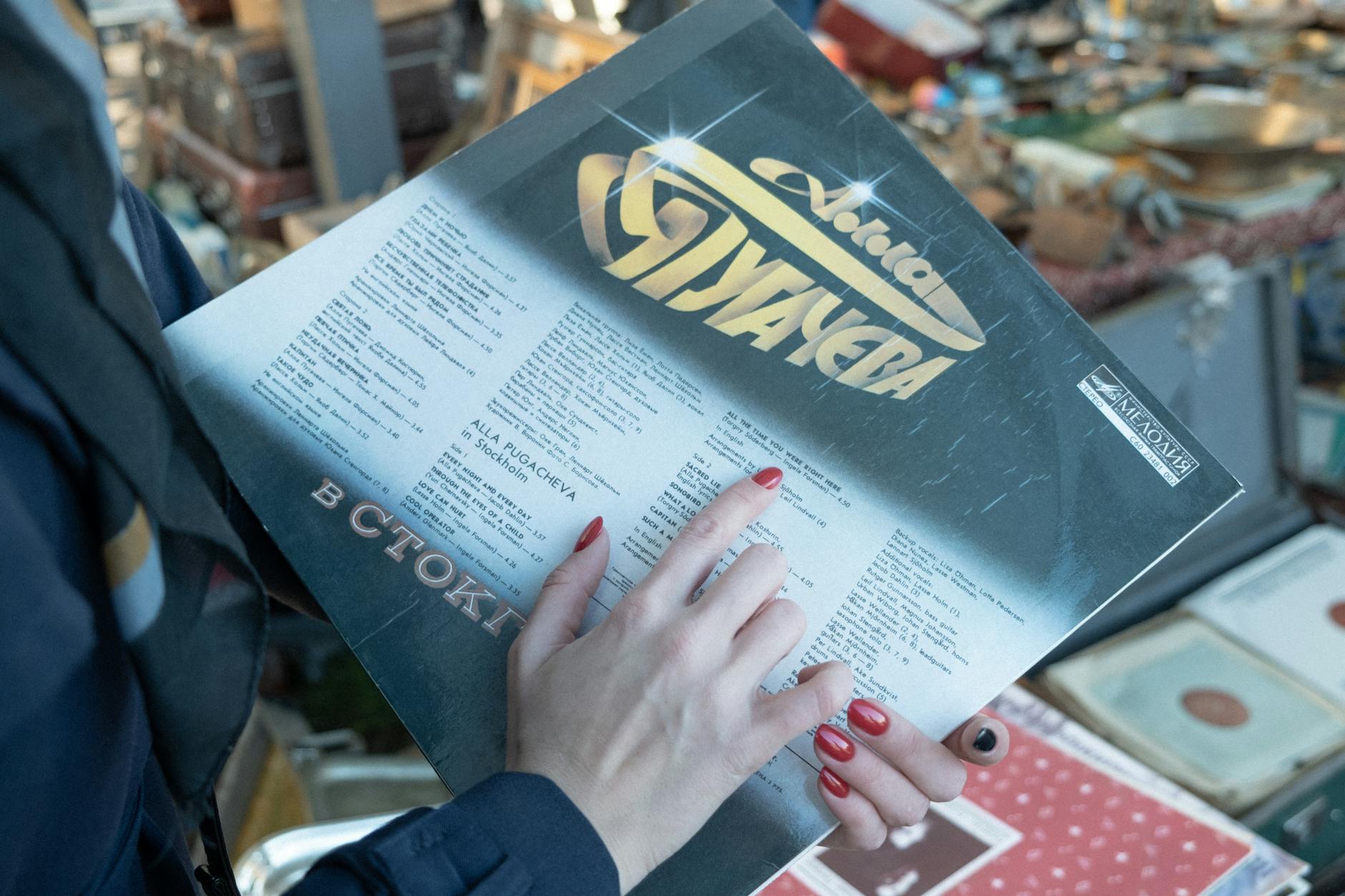
Flohmarkt im Mauerpark — The Iconic Sunday Institution
Bernauer Strasse 63–64, 10437 Berlin (Prenzlauer Berg) · Sundays 9:00–18:00 · U6 Bernauer Strasse.
The most famous flea market in Berlin. About 200 vendors stretched along the former Wall death strip, with the Mauerpark itself (and its famous Sunday afternoon karaoke amphitheatre) immediately adjacent. Roughly 10,000 visitors on a sunny Sunday. The market officially opens at 9:00 — arrive then for selection, mid-afternoon for prices. What you’ll find: vintage clothing (Berlin-cheap by London or Paris standards), East German memorabilia (Ampelmännchen, Sandmännchen, Trabant items), 1970s and 80s German pop-culture ephemera, vinyl, old Berlin photographs, street-art prints, hand-made jewelry, and a fair amount of mass-produced tourist tat that you should ignore.
The Bearpit Karaoke at the Mauerpark stone amphitheatre, hosted by Joe Hatchiban most Sunday afternoons from May to October starting at 15:00, is the standard Berlin Sunday closing ritual. Free, weather-dependent, packed. Combine flea market in the morning, lunch from one of the food trucks at the edges, karaoke until 18:00.
Honest note: Mauerpark has become tourist-saturated. Prices are inflated 30–50% over Boxhagener or RAW. Go for the atmosphere; serious bargain hunters go elsewhere.
Boxhagener Platz — Where Real Berliners Shop
Boxhagener Platz 1, 10245 Berlin (Friedrichshain) · Sundays 10:00–18:00 · S-Bahn Frankfurter Allee or Ostkreuz.
The local-favourite Sunday flea, in the leafy square at the heart of Friedrichshain’s Boxhagener Kiez. Less curated than Mauerpark, less tourist-saturated, cheaper. What you’ll find: real Berlin junk (in the affectionate sense) — old books, vinyl records, GDR-era kitchenware and porcelain, vintage cameras, mid-century lamps, hand-made jewelry. The atmosphere is calmer than Mauerpark, surrounded by cafés on the square (the Sunday brunch culture here is excellent). Family-friendly because of the adjacent playground. Saturday is the food/farmers market on the same square (9:00–15:30); Sunday is the flea market. Combine with brunch at Anita Brückner or one of the Boxi cafés before browsing.
Strasse des 17. Juni Antikmarkt — Serious Antiques
Strasse des 17. Juni 110, 10623 Berlin (Tiergarten) · Saturday and Sunday 10:00–17:00 · S-Bahn Tiergarten.
Berlin’s oldest flea market, running since 1973. Higher quality, higher prices. Professional antique dealers rather than weekend amateurs. What you’ll find: 19th-century books and engravings, porcelain (Meissen, KPM, Rosenthal), silver, vintage cameras (Leica, Praktica), jewelry, Berlin maps and prints, GDR-era collectibles with provenance, mid-century furniture. The selection of certified Berlin Wall fragments and GDR memorabilia is the best in the city — vendors at this market generally know what they’re selling. Bring more money than you would to Mauerpark. Saturdays are slightly less busy than Sundays.
Arkonaplatz — Mid-Century Modern Heaven
Arkonaplatz, 10435 Berlin (Mitte / Prenzlauer Berg border) · Sundays 10:00–18:00 · U8 Bernauer Strasse.
Running since 1990. Smaller and quieter than Mauerpark (about 50 vendors). The specialty: mid-century modern furniture, retro lighting, ceramics, GDR-era design, vinyl, glassware. The collector’s market. If you want a real Bauhaus reproduction chair or a 1960s East German floor lamp, this is where you’ll find one. Combine with brunch on nearby Kastanienallee.
Nowkoelln Flowmarkt — Young Designers by the Canal
Maybachufer 34, 12047 Berlin (Neukölln) · Every other Sunday March–November 10:00–17:00 · U8 Schönleinstrasse.
The young, Neukölln-flavoured alternative. About 130 stalls along the Landwehrkanal — Berlin designers, vintage clothing, hand-made jewelry, ceramics, small-batch design objects. The canal-side setting is beautiful in summer. Runs every other Sunday from late March to early November (check nowkoelln.de for current dates). Different market from the Tuesday/Friday Turkish Market at the same canal — see our Turkish Market guide.
RAW Flohmarkt — Friedrichshain’s Subcultural Edge
Revaler Strasse 99, 10245 Berlin (RAW Gelände, Friedrichshain) · Sundays 9:00–17:00 · S+U Warschauer Strasse.
The flea market at the RAW Gelände — Berlin’s most concentrated alternative culture compound (see our RAW Gelände guide). Vintage fashion, design objects, GDR memorabilia. Lots of food trucks. The surrounding clubs and bars open later in the day; Sunday brunch at Cassiopeia’s Sommergarten or Urban Spree continues straight into the flea market and onwards. The least touristy of Berlin’s major Sunday flea markets.
Antikmarkt am Ostbahnhof — Professional Antique Dealers
Erich-Steinfurth-Strasse 1, behind Ostbahnhof · Sundays 9:00–17:00 · S-Bahn Ostbahnhof.
120–150 professional antique dealers. Specialty in coins, postcards, militaria, vintage cameras, watches, jewelry, and prewar Berlin ephemera. If you collect anything specific — old maps, German military medals, vintage Berlin tram tickets — this is the most likely place to find it. Higher prices than Mauerpark, more verifiable provenance.
Fehrbelliner Platz — The Art Mile
Fehrbelliner Platz, 10707 Berlin (Wilmersdorf) · Saturday and Sunday 10:00–16:00 · U3, U7 Fehrbelliner Platz.
Sundays the market becomes an “art mile” with handmade jewelry, ceramics, vintage books, vinyl. Quieter than the eastern markets; older clientele; more curated. Combine with a Schöneberg / Wilmersdorf café crawl.
Marheinekeplatz — Bergmannkiez Crossover
Marheinekeplatz, 10961 Berlin (Kreuzberg, end of Bergmannstrasse) · Weekend market 10:00–17:00 · U7 Gneisenaustrasse.
The flea market in front of the historic Marheineke Markthalle. Fashion, books, vinyl, bikes. The Kreuzberg-Bergmannkiez crowd. The covered Markthalle next door is open daily for groceries and food. Pair with a Bergmannstrasse café visit.
A Brief History of Berlin’s Flea-Market Culture
Berlin’s flea-market obsession isn’t a tourist invention. The city’s Trödelmarkt tradition predates the Wall, but the modern scene took shape in the 1990s, when reunification dumped two divergent material cultures onto the same city. East Germans cleared out apartments full of GDR-era furniture, electronics, and household items. West Berlin’s squatters and students, meanwhile, were happy to buy any of it for two Deutschmarks. By the late nineties, the Sunday flea market had become as much a social institution as a commercial one — a place where the new Berlin actually mixed.
The big shift came in the mid-2000s. Cheap rent attracted artists and designers from across Europe, and the markets evolved to accommodate them. Stalls selling original prints, handmade ceramics, and small-batch fashion started appearing alongside the traditional bric-a-brac. Mauerpark went from a scrappy local gathering to a tourist landmark with international name recognition. Nowkoelln Flowmarkt arrived in 2010 as a deliberately curated, design-forward alternative.
The pandemic accelerated changes that were already underway. Several smaller markets folded permanently. Survivors leaned harder into either the tourist audience (more food trucks, more music, higher prices) or the local one (earlier hours, fewer souvenirs, more household practical items). Knowing which direction a given market has gone tells you what to expect when you arrive.
Choosing a Market by What You’re Looking For
If you treat Berlin’s flea markets as interchangeable, you’ll be disappointed. Each has carved out its own niche, and matching your shopping goal to the right market matters more than picking the most famous one.
For GDR Memorabilia and East German Design
Arkonaplatz and Boxhagener Platz are your best bets. Both sit in former East Berlin neighborhoods, and the stallholders often come from families that lived through the GDR era. Look for original Trabant manuals, Sandmännchen toys, VEB-stamped enamelware, and Bauhaus-influenced household objects from the 1960s and 70s. Prices have risen significantly — what used to cost five euros at Arkonaplatz a decade ago now sells for thirty or forty.
For Vintage Clothing and Fashion Finds
RAW Flohmarkt and Nowkoelln Flowmarkt attract the strongest fashion sellers. Boxhagener Platz has decent vintage but it’s more hit-or-miss. The serious dealers at Strasse des 17. Juni occasionally carry vintage haute couture but expect prices in the hundreds rather than tens of euros. For affordable everyday vintage clothing, dedicated second-hand shops will serve you better than flea markets — see our Berlin thrift and vintage shopping guide for the full breakdown.
For Art, Prints, and Original Design Pieces
Fehrbelliner Platz on weekends is essentially an outdoor gallery. Nowkoelln Flowmarkt has the highest concentration of working artists selling their own pieces. Mauerpark has plenty of art stalls but the quality varies wildly — you’ll find genuine talent next to derivative knockoffs.
For Books, Vinyl, and Print Ephemera
Strasse des 17. Juni has the deepest book and print selection, including pre-WWII Berlin postcards, antique maps, and first-edition German literature. Mauerpark’s vinyl stalls are well-known among DJs and collectors — most weekends you’ll find genuine rarities mixed in with the bulk crates. Bring cash and arrive early.
Markets That Aren’t Worth a Special Trip
An honest guide includes the markets you can skip. Several Berlin flea markets exist but consistently underwhelm visitors who travel specifically for them. The Sunday market at Rathaus Schöneberg is genuinely sleepy — fine if you live nearby, not worth the U-Bahn ride otherwise. The market at Hohenschönhausen on Saturdays has a loyal local following but offers little for non-residents. Various pop-up markets advertised on Instagram come and go; check the date carefully because cancellations are common and recent posts often promote events that didn’t happen.
One more honest note: prices at Mauerpark have crept up considerably as the market’s reputation has grown. If you’re a budget traveler, Boxhagener Platz and Nowkoelln will give you better value, and the sellers are more willing to negotiate. We cover budget shopping strategies in detail in our Berlin budget travel guide.
What to Buy at Berlin Flea Markets
- GDR memorabilia: Ampelmännchen items (mostly modern reproductions; ask if pre-1990), Sandmännchen toys and books, Trabant ephemera, FDJ uniforms, original GDR porcelain (Kahla brand), Pittiplatsch and Schnatterinchen figurines.
- Vintage clothing: best at Mauerpark, RAW, Nowkoelln. Berlin-cheap by London or Paris standards.
- Mid-century furniture: Arkonaplatz is #1.
- Vinyl records: Boxhagener, RAW, Marheinekeplatz.
- Old books and magazines: Boxhagener, Fehrbelliner.
- Antiques and porcelain: Strasse des 17. Juni, Ostbahnhof.
- Vintage cameras: Strasse des 17. Juni for Leicas and Praktikas with paperwork.
- Vintage bikes: RAW Flohmarkt, Marheinekeplatz.
- Hand-made jewelry and crafts: Nowkoelln Flowmarkt, Fehrbelliner art mile.
- Berlin Wall fragments: only buy at Strasse des 17. Juni or Ostbahnhof from professional dealers with certificates. Friedrichstrasse street stalls sell unverifiable “fragments.”
- Vintage Berlin film and music posters: Boxhagener, RAW.
- German workwear and Bundeswehr surplus: Boxhagener, Strasse des 17. Juni.
How to Shop Berlin Flea Markets Like a Local
Cash Only
Almost no flea-market vendor accepts cards. Bring €40–60 in small notes (5s, 10s, 20s). ATMs are at Mauerpark (Bernauer Strasse), Boxhagener (Simon-Dach-Strasse), and Friedrichshain S-Bahn. Strasse des 17. Juni has fewer nearby ATMs — withdraw before.
Haggling
Expected and friendly at all Berlin flea markets. Start at 50–60% of the asking price; settle around 70–80%. Be polite, take your time, smile. Walking away often produces a counter-offer. The convention is more relaxed than Istanbul or Marrakech but real bargaining exists — Berlin vendors price for it. At professional antique markets (Strasse des 17. Juni, Ostbahnhof) the haggle is more restrained — try 10–20% off, not 50%. Boutique vintage shops (covered in our vintage shopping guide) don’t haggle.
Timing
- Arrive at opening (9:00 or 10:00) for best selection.
- Arrive mid-afternoon (14:00 onwards) for best prices — vendors don’t want to pack the unsold stock back.
- Avoid heavy rain — most markets thin out or close.
- Winter: Mauerpark, Boxhagener, Arkonaplatz, RAW, Strasse des 17. Juni and Ostbahnhof run year-round. Nowkoelln Flowmarkt is seasonal (March–November).
Other Practical Tips
- Bring your own bag — no free plastic bags.
- Basic German helps (“Wie viel?”, “Geht es günstiger?”) but most vendors speak some English.
- Pickpocket awareness in crowds, especially Mauerpark and Boxhagener.
- Sunday transport: U-Bahn and S-Bahn run normally. No tram exceptions.
- Food: nearly every market has food trucks at the edges. Doner, currywurst, falafel, Vietnamese.
A Perfect Berlin Flea-Market Sunday
Two workable routes depending on what you want:
The tourist circuit (atmosphere + iconic): 9:30 Mauerpark opening → 11:30 brunch at one of the Mauerpark-adjacent cafés (Lemon Leaf, Anna Blume) → 13:00 walk south to Arkonaplatz → 15:00 back to Mauerpark for Bearpit Karaoke.
The serious shopper circuit (bargains + variety): 10:00 Boxhagener Platz (Friedrichshain) → lunch on Simon-Dach-Strasse → 13:00 RAW Flohmarkt next door → late afternoon drinks at RAW Gelände’s Cassiopeia Sommergarten in summer.
Both work as full Sunday day-outs and cover most of what you’d want from a Berlin flea-market visit.
The Boxhagener Platz market is worth understanding in context: it sits on the residential square at the centre of a district better known for its clubs, and Sunday there is the most agreeable few hours in east Berlin. Our Friedrichshain guide covers the square, the streets around it and the rest of the neighbourhood.
For a flea market with dealers rather than designers, try the weekend market in front of Rathaus Schöneberg, and make a morning of it: the Winterfeldtmarkt, one of the city’s best food markets, is a short ride away on a Saturday. Our Schöneberg guide puts both into a day with the rest of the district.
Frequently Asked Questions
What is the best flea market in Berlin?
Mauerpark is the most famous; Boxhagener Platz is the local favourite; Strasse des 17. Juni is the best for serious antiques; Arkonaplatz is the best for mid-century design.
When is the Mauerpark flea market?
Every Sunday, year-round, 9:00–18:00. Bernauer Strasse 63–64, U6 Bernauer Strasse.
What can you buy at Berlin flea markets?
GDR memorabilia, vintage clothing, mid-century furniture, vinyl records, old books, antiques, hand-made jewelry, vintage cameras, German workwear, and a lot of one-off oddities.
Are Berlin flea markets cash only?
Almost always. Bring €40–60 in small euro notes. Some professional antique dealers at Strasse des 17. Juni take cards but assume cash.
What is the best antique market in Berlin?
Strasse des 17. Juni in Tiergarten — Berlin’s oldest flea market (since 1973), professional dealers, highest quality. Saturday and Sunday 10:00–17:00.
How do you haggle at Berlin flea markets?
Start at 50–60% of asking, settle around 70–80%. Stay friendly, smile, take your time. Walking away often produces a counter-offer. Less aggressive than Istanbul; more open than London.
Are Berlin flea markets open in winter?
Mauerpark, Boxhagener, Arkonaplatz, RAW, Strasse des 17. Juni, and Ostbahnhof run year-round. Nowkoelln Flowmarkt is seasonal (March–November). Cold-day visits work; heavy rain or snow thins crowds significantly.
Final Word
Berlin’s Sunday flea-market scene is one of the city’s quiet superpowers — partly because German Sunday trading law forces it to exist, partly because Berlin still has the housing turnover and post-Wall material legacy to keep supplying it. Visit Mauerpark for the experience, Boxhagener or RAW for the prices, Arkonaplatz or Strasse des 17. Juni for the serious finds. Bring cash, bring a tote bag, and plan a Sunday afternoon brunch around it.
Companion reads: our vintage and thrift shopping guide, best souvenirs guide, Turkish market guide, and Christmas markets guide.