Turkish Market Berlin & Street Markets: The Complete Guide
The Turkish Market on Maybachufer plus Markthalle Neun, Winterfeldtmarkt, and Berlin's best street markets. Hours, what to buy, what to eat.
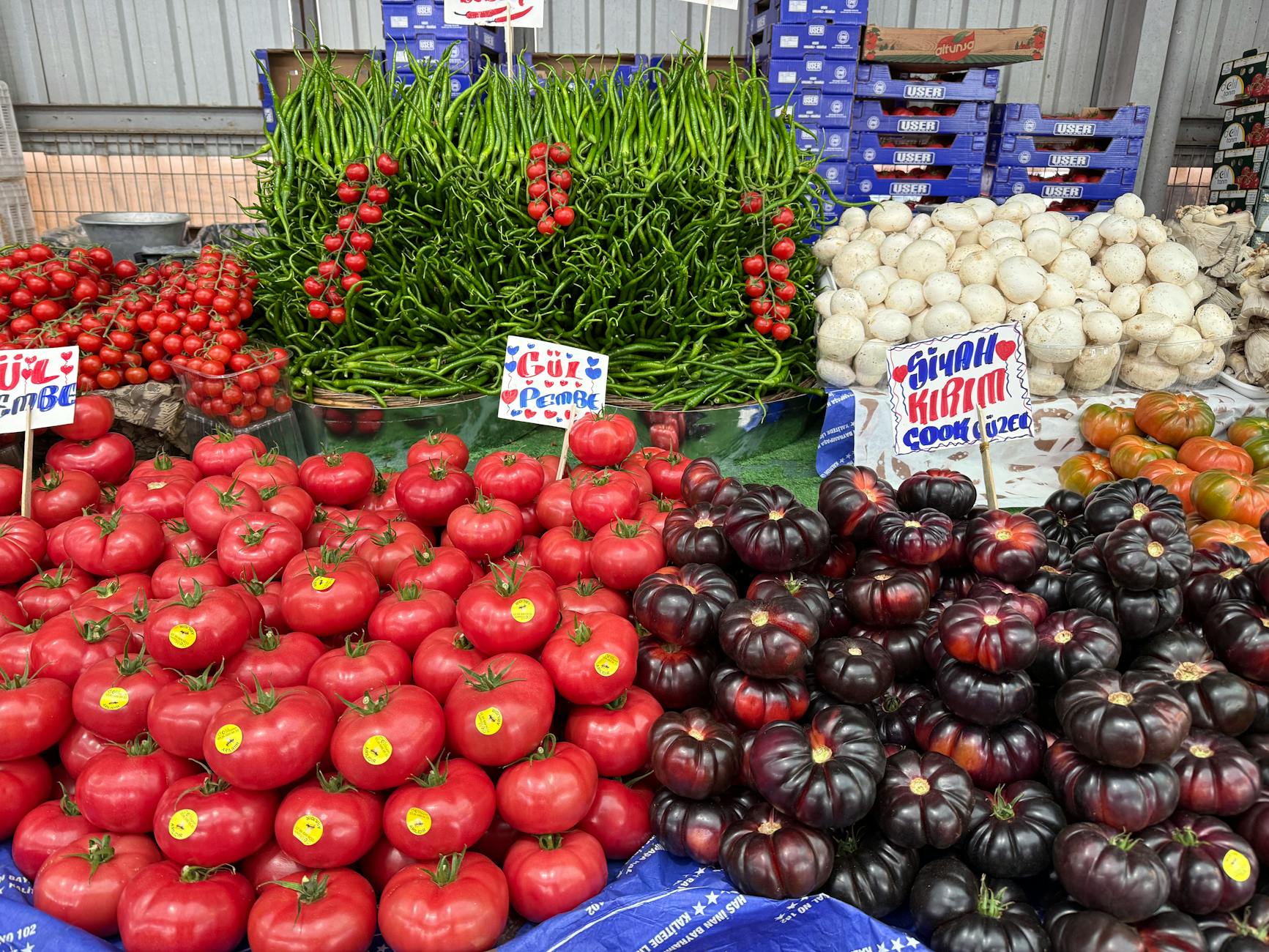
The Turkish Market on Maybachufer is the single most sensory shopping experience in Berlin. Every Tuesday and Friday from 11:00 to 18:30, up to 180 stalls line a four-hundred-meter stretch of the Landwehrkanal in Kreuzberg, selling everything from sun-warm tomatoes and freshly baked simit to cheap cotton fabric and household goods. The crowd is half Turkish-German families doing their actual weekly grocery shopping, half curious visitors, and the food on offer ranges from a one-euro gözleme to wedges of sheep’s cheese sliced from wheels the size of car tires.
This guide covers Maybachufer in depth, plus the broader Berlin street-market scene — Markthalle Neun, Winterfeldtmarkt, Kollwitzplatz Ökomarkt, and a few smaller neighborhood markets worth knowing about. Berlin’s street markets are some of the best in any major European city, partly because of the city’s immigrant communities and partly because Sunday closures push so much of life onto the markets on the days they’re open.
Berlin Street Markets at a Glance
| Market | Day(s) | Hours | Best For |
|---|---|---|---|
| Turkish Market Maybachufer | Tue, Fri | 11:00–18:30 | Turkish produce, cheese, fabric, food |
| Markthalle Neun | Tue–Sat, Street Food Thu | 10:00–18:00 (Thu 17:00–22:00) | Street food, artisan producers |
| Winterfeldtmarkt | Wed, Sat | 8:00–14:00 (Sat to 16:00) | Organic produce, flowers |
| Kollwitzplatz Ökomarkt | Thu | 12:00–19:00 | Organic, locally produced |
| Kollwitzplatz Bauernmarkt | Sat | 9:00–16:00 | Farmer’s market, family-friendly |
| Mauerpark Sunday Market | Sun | 10:00–18:00 | Flea + food + entertainment |
| Karl-August-Platz Markt | Wed, Sat | 8:00–13:00 | Charlottenburg neighborhood market |
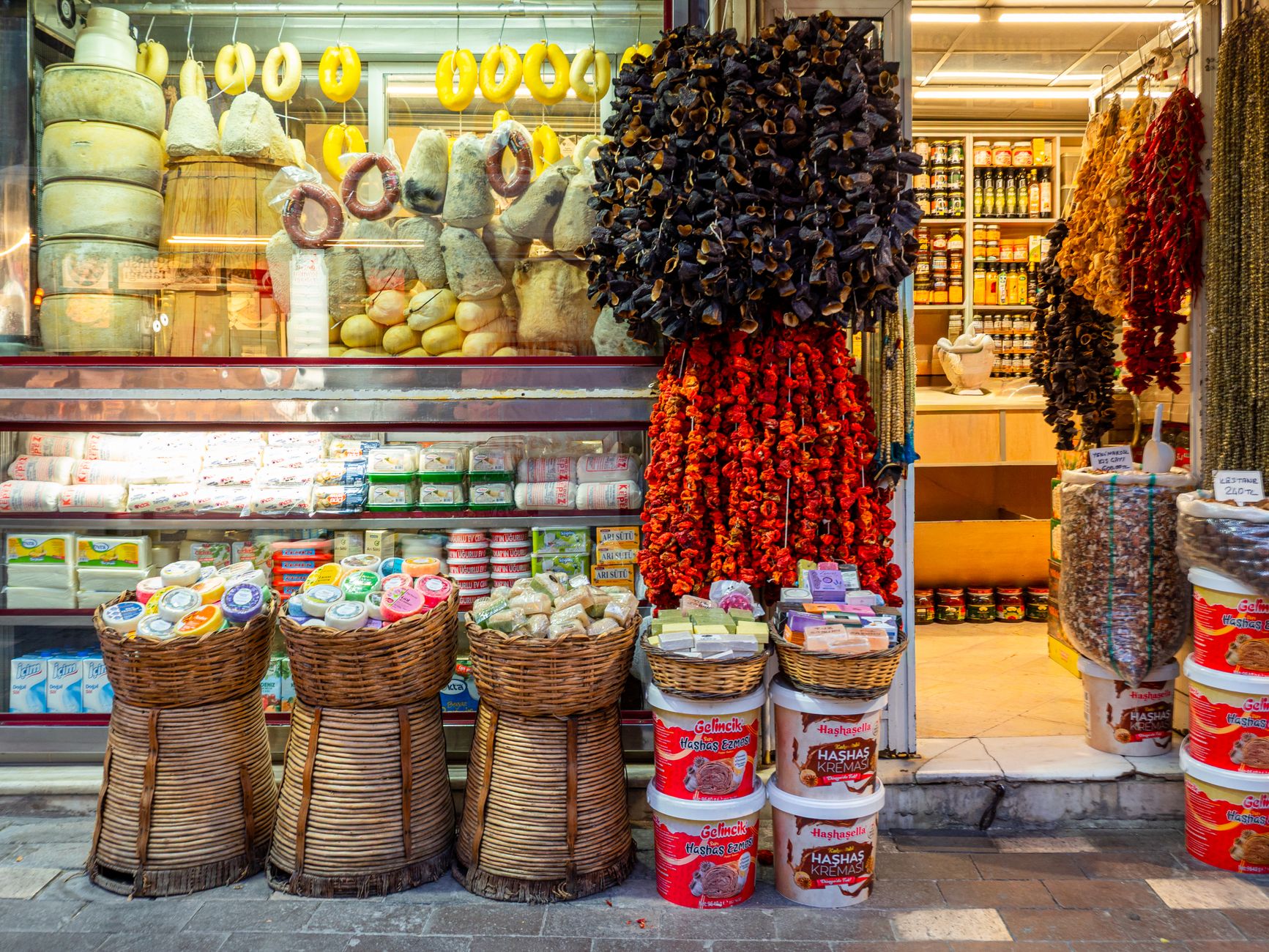
The Turkish Market — Maybachufer Bi-Weekly Spectacle
Officially called the Türkenmarkt or Wochenmarkt am Maybachufer, the Turkish Market has been running on the Kreuzberg-Neukölln canal since 1973. It was originally established to serve the area’s large Turkish immigrant community, and it remains the most authentic Turkish shopping experience outside of Istanbul — Turkish-Germans still come from across Berlin to do their weekly shopping here. The market expanded significantly over the past decade and now stretches further along the canal than it used to, with the stall count reaching about 180 on busy Fridays.
What you’ll find: produce stalls piled with tomatoes, cucumbers, eggplants, peppers, herbs by the bunch, and seasonal items like fresh figs in summer and pomegranates in autumn. Cheese stalls offering wedges from massive wheels — beyaz peynir (Turkish feta), kaşar (a yellow sheep’s cheese), and the salty örgü peyniri (braided string cheese). Olive stalls with twenty or thirty varieties in barrels. Bread stalls with simit (sesame rings), pide, lavash, and the long flat ekmek that comes out steaming. Spice stalls heavy with sumac, urfa biber, Aleppo pepper, and za’atar. Halva stalls with slabs of the sesame paste sweet in flavors ranging from plain to pistachio to chocolate.
Beyond food: bolts of cheap cotton and linen fabric (legitimately some of the cheapest in Berlin), household goods, cookware, kitchen towels, kids’ clothing, and the kind of small everyday items that long-term Berlin residents stock up on. The fabric stalls are an underrated find — if you sew or need lining material for a project, the prices at Maybachufer are a fraction of what dedicated fabric stores charge.
What to Eat at the Turkish Market
Eating is half the reason to come. The food stalls cluster mostly in the middle and eastern sections of the market. The essentials:
Gözleme (€3-5): a thin Turkish flatbread filled with spinach and cheese or potato and cheese, cooked on a curved griddle in front of you by a woman in a headscarf. There are usually three or four gözleme stalls; the one near the eastern end of the market generally has the best technique. Künefe (€4-6): shredded pastry layered with cheese, baked, soaked in syrup, served warm with crushed pistachios. Heavy and worth it. Mantı (€6-8): Turkish dumplings in yogurt sauce, available at one or two stalls. Lahmacun (€2-4): paper-thin pizza-like flatbread with spiced minced lamb, rolled up with parsley and lemon. Better than the döner shops because you can watch them go straight from the oven to your hand.
For dessert: künefe (above), baklava by weight at the dedicated baklava stall (€2-4 per piece for the smaller squares), or Turkish ice cream from the dondurma cart, where the seller will perform the traditional comedy routine of pretending to hand you the cone while keeping it just out of reach.
How to Shop the Turkish Market
A few things to know that distinguish visitors from regulars. First: bring cash. Many stalls don’t accept cards, and the ones that do often have minimum amounts. ATMs nearby exist but get crowded. Second: bring your own bags. The market is environmentally conscious and sellers don’t supply plastic bags — they’ll sometimes wrap things in paper but you’ll struggle if you’re buying multiple items.
Third: prices are mostly fixed, but unlike at flea markets, haggling isn’t expected. You can sometimes get a few cents knocked off a kilo of produce by buying multiple items from the same stall, but don’t push it. Fourth: timing matters. Go Friday afternoon for the biggest market, but Tuesday is calmer and easier to actually move through. The first hour (11:00-12:00) is the quietest. From 16:00 onward on Friday the crowd is shoulder-to-shoulder.
Fifth: try samples. Cheese and olive stalls offer samples freely — it’s expected to taste before you buy. Just don’t graze without buying anything. Sixth: arrive hungry. The food stalls scattered throughout mean you’ll be eating constantly, and the best way to experience the market is to make a meal of it across a couple of hours. For more on Kreuzberg food and the surrounding area, see our best döner kebab guide.
Markthalle Neun — Berlin’s Best Indoor Market
If Maybachufer is the chaotic outdoor experience, Markthalle Neun in Kreuzberg is the curated indoor one. The 1891 covered market hall on Eisenbahnstrasse was rescued from supermarket conversion in 2009 by a community-led project and now houses about thirty permanent stalls plus rotating vendors. The Thursday “Street Food Thursday” event (17:00-22:00) is the must-visit — twenty-five food stalls cooking everything from Vietnamese summer rolls to Argentinian asado to Berlin’s best vegan reuben sandwich.
The permanent stalls during regular hours are also excellent: Heidenpeters craft beer, Sironi for Italian bakery, Endorphina Roasters for coffee, regional cheese mongers, and a few prepared-food stalls. Prices are higher than at Maybachufer (this is a curated artisan market, not a budget grocery option), but the quality is consistently high. The atmosphere is family-friendly, the bathrooms are clean, and it’s an easy stop on any food-focused Berlin itinerary.
Winterfeldtmarkt — Schöneberg’s Saturday Institution
The Saturday market at Winterfeldtplatz in Schöneberg is the most charming neighborhood market in Berlin. About 250 stalls fill the square from 8:00 to 16:00 every Saturday — produce, flowers, baked goods, cheese, sausage, prepared foods, household items, and a small clothing section. The crowd is local rather than touristed, the produce is largely organic, and the surrounding cafés spill onto the square so you can shop, eat, and people-watch in a single loop.
The Wednesday version (8:00-14:00) is smaller and quieter but has the same vendors. Go Saturday morning for the full experience — arrive by 10:00 to get the best stock and the lightest crowd. Pair the market with brunch at one of the surrounding cafés (Café Einstein Stammhaus is the famous one but several smaller spots are better). The neighborhood is one of the most photogenic in Berlin, with restored 19th-century apartment buildings and tree-lined streets.
Kollwitzplatz Ökomarkt and Bauernmarkt
Prenzlauer Berg’s Kollwitzplatz hosts two distinct markets. The Thursday Ökomarkt (12:00-19:00) is an organic-focused market with about 40 stalls — vegetables, breads, regional meats and cheeses, and a few prepared-food vendors. The Saturday Bauernmarkt (9:00-16:00) is the larger neighborhood farmers’ market with about 60 stalls, more variety, and a family-friendly atmosphere with kids’ programming on busy weekends.
The Kollwitzplatz markets attract a specific Berlin crowd — the well-off Prenzlauer Berg residents who treat market shopping as both a weekly necessity and a social event. Prices are higher than at the bigger markets but the quality is excellent, and the experience of doing your shopping among the stroller-pushing locals is genuinely pleasant. Pair the market with a walk through nearby Kastanienallee or coffee at one of the cafés on Knaackstrasse. The area is also a good base for staying in Prenzlauer Berg if you want repeat market access.
Mauerpark Sunday Market — The Tourist Anchor
The Mauerpark Sunday market is technically a flea market (covered in detail in our Berlin flea markets guide), but it functions as a hybrid food-and-shopping market that deserves a brief mention here. The food stalls along the upper edge of the park serve everything from Israeli falafel to Vietnamese summer rolls to Berlin currywurst. The market runs Sundays from 10:00 to 18:00 year-round, though winter editions have fewer stalls.
It’s the most touristed of Berlin’s markets, which has consequences both ways: huge selection and constant entertainment (the famous Bearpit Karaoke happens here May-October at 15:00), but also higher prices and lighter local presence than at the other markets in this guide. Go for the atmosphere, not necessarily for the best food in Berlin.
Smaller Neighborhood Markets Worth Knowing
A few smaller markets fill specific niches and are worth a visit if you’re in the area. Karl-August-Platz Markt in Charlottenburg (Wednesday and Saturday mornings) is the West Berlin equivalent of Winterfeldtmarkt — produce-focused, neighborhood-oriented, and easy to combine with shopping along nearby Kantstrasse. Boxhagener Platz on Friedrichshain hosts a Saturday produce market alongside the Sunday flea market — quieter and more local than the Sunday version.
Heidelberger Platz market on Friday mornings in Wilmersdorf serves a residential audience and has some of the city’s best mushroom selection in autumn. The smaller Hansaplatz market on Saturday mornings is one of the only markets in central Tiergarten and rewards visitors who want a quiet neighborhood feel. For visitors specifically interested in food-focused experiences, our Berlin food guide covers restaurant and street-food options in detail.
A Perfect Berlin Market Day
If you want to experience Berlin’s market culture in a single day, here’s the route I’d recommend. Start Friday at 11:30 at the Turkish Market on Maybachufer (U8 to Schönleinstrasse). Spend ninety minutes eating gözleme, sampling cheese, and watching the market come to life. Walk fifteen minutes east along the canal to Markthalle Neun for an early lunch — try Sironi’s bakery or one of the Italian stalls. From there, take the U1 to Görlitzer Bahnhof and wander through the rest of Kreuzberg for the afternoon.
For a Saturday version: start at Winterfeldtmarkt at 10:00 for the morning produce market and brunch, then U-Bahn to Kollwitzplatz for the Saturday Bauernmarkt and an afternoon in Prenzlauer Berg. Finish with dinner at one of the area’s restaurants. Both days will show you that Berlin’s market scene runs on a totally different rhythm than what tourists usually see — and that the food, shopping, and people-watching are inseparable.
The market is the best-known piece of a much larger story: Kreuzberg holds Berlin’s oldest and biggest Turkish-German community, now into its fourth generation and currently being priced out of the streets it built. Our Kreuzberg guide puts Maybachufer in that context and covers the rest of the district on both sides of the old postcode line.
The market is only the front door to the district behind it. Walk ten minutes south from the stalls and you are on Sonnenallee, the heart of Arab Berlin, with bakeries and hummus counters that make even the gözleme look expensive; walk the other way along the canal and you reach the bar streets of the Reuterkiez. Our Neukölln guide covers the whole neighbourhood, including a sunken garden and an eighteenth-century Bohemian village most visitors never find.
Frequently Asked Questions
When is the Turkish Market in Berlin?
The Türkenmarkt on Maybachufer in Kreuzberg-Neukölln operates every Tuesday and Friday from 11:00 to 18:30, year-round. Friday is the bigger and busier of the two days, with up to 180 stalls. Tuesday is calmer with about 120-140 stalls. The market is closed on public holidays.
How do I get to the Turkish Market?
U8 to Schönleinstrasse is the closest stop — walk five minutes south to Maybachufer. Alternatively, U1/U3 to Kottbusser Tor, then a ten-minute walk south. The market stretches along the north bank of the Landwehrkanal between Kottbusser Brücke and the Hobrechtbrücke. There’s no entrance fee, no specific entry point — just join the crowd along the canal.
Is the Turkish Market touristy?
It has more international visitors than it did ten years ago, but the majority of the crowd is still Turkish-German and other local residents doing their weekly shopping. The Friday market has more tourist presence than Tuesday’s. Go on Tuesday for a more local feel; Friday for the bigger market experience.
What’s the best food market in Berlin?
For sit-down quality food and curated artisans, Markthalle Neun (especially Street Food Thursday). For sensory variety and the best cheap eats, the Turkish Market at Maybachufer. For organic produce and a neighborhood feel, Winterfeldtmarkt. Each serves a different purpose; visit at least two for the full picture.
Can I pay with card at Berlin street markets?
Some stalls accept cards now, especially at Markthalle Neun and the larger Winterfeldtmarkt vendors, but many smaller stalls — particularly at the Turkish Market and the flea markets — remain cash-only. Always bring cash. Withdraw before you go because ATMs near the markets get crowded and sometimes charge tourist-targeted fees.
Is the Bearpit Karaoke really worth it?
Yes, but only between May and October when it actually runs. Sundays at 15:00 in the Mauerpark amphitheater. Free, two-hour show, the host is funny, and the crowd is enormous. Arrive by 14:30 to get a decent seat. Bring something to sit on because the stone tiers are hard.
Are Berlin markets open on Sundays?
Most of the food and produce markets are closed on Sundays. The exceptions are the flea markets (Mauerpark, Boxhagener Platz, Arkonaplatz, and others) which all run primarily on Sundays. Some of these have substantial food components, but they’re flea markets first, food markets second. For more on Sunday options in Berlin, see our Berlin Sunday shopping guide.
Final Word
Berlin’s markets aren’t a tourist attraction in the conventional sense — they’re how a significant part of the city actually shops, eats, and meets each other every week. Visiting them properly means slowing down, eating constantly, talking to the stallholders when you can, and accepting that you’ll spend more than you planned and bring home things you didn’t know you needed. That’s the whole point. The Turkish Market on a sunny Friday afternoon is one of the best two hours you can spend in this city, and once you’ve done it, the version of Berlin most visitors see will feel like the smaller story.