Best Half-Day Trips from Berlin: 7 Easy Excursions
The best half-day trips from Berlin — Pfaueninsel, Glienicke Bridge, Köpenick, Werder, Müggelsee and more. Easy 4-5 hour excursions by S-Bahn.
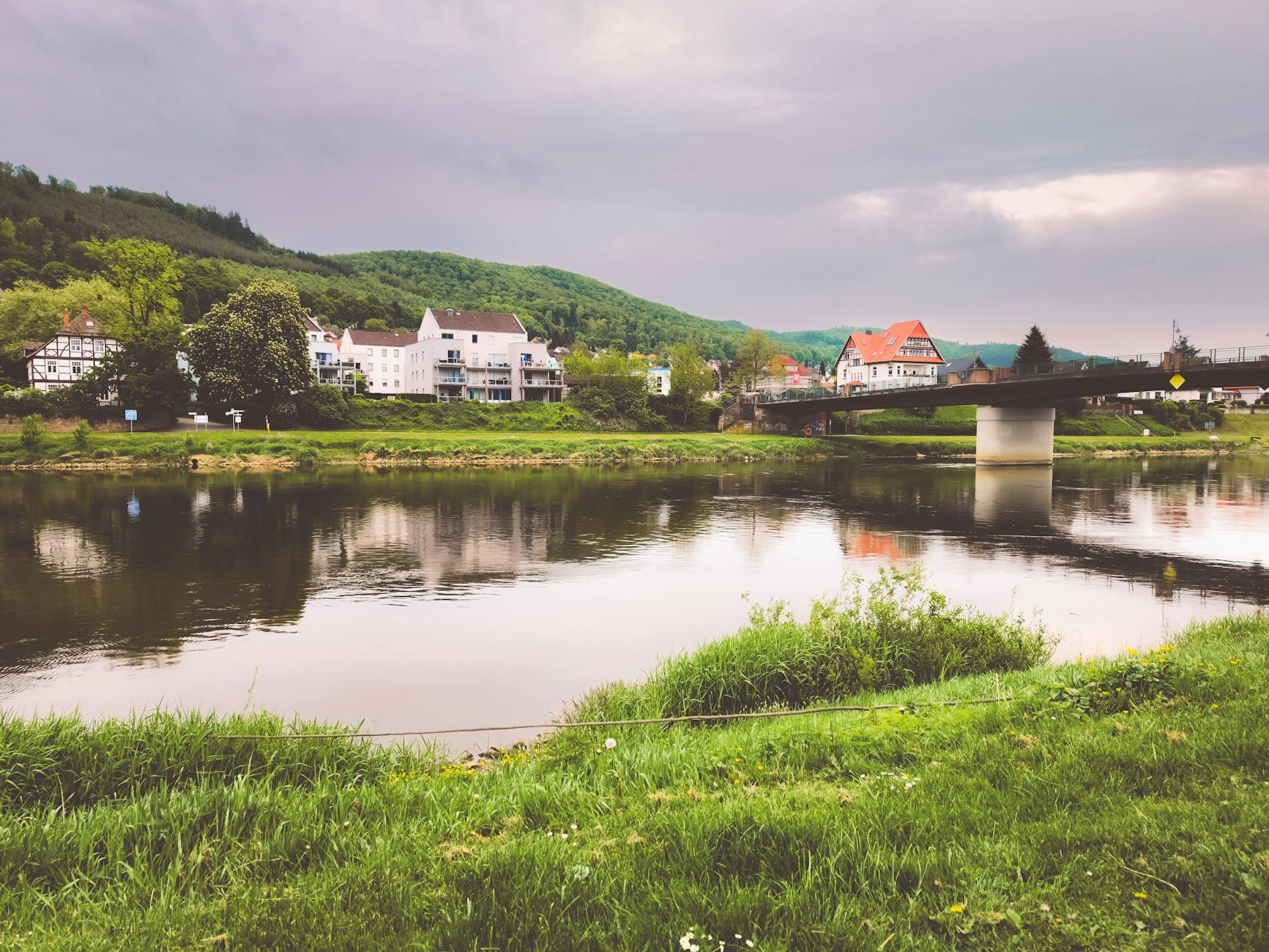
Not every Berlin trip has room for a full day trip. If you’ve already committed three or four days to the city itself and want to see something outside the city limits but still need a Berlin dinner that night, the half-day trip is the answer. The destinations within 60 minutes of central Berlin by S-Bahn or regional train include a real medieval town, a UNESCO World Heritage island, the largest lake system in Europe inside a city, and the most photographed sandy beach in Brandenburg. None require an overnight stay; all of them can be done in a half-day (4-5 hours including transit) and you’ll be back in central Berlin for a 7 pm dinner reservation.
This guide ranks the best half-day options from Berlin in 2026, covers what to expect from each, and gives the realistic timing breakdown for travelers who need to fit it into a busy itinerary.
Best Berlin Half-Day Trips at a Glance
| Destination | Transit Time | Best For | Total Hours |
|---|---|---|---|
| Wannsee + Pfaueninsel | 40 min S-Bahn | Nature, romance, peacocks | 4-5 hours |
| Müggelsee | 45 min S-Bahn | Largest Berlin lake, swimming | 4-5 hours |
| Köpenick Old Town | 40 min S-Bahn/tram | Medieval Berlin town center | 3-4 hours |
| Werder (Havel) | 40 min RE | Fruit blossoms, riverside town | 4-5 hours |
| Strausberg + Bötzow Brauerei | 50 min S-Bahn | Lake town + craft beer | 5 hours |
| Bernau bei Berlin | 30 min S-Bahn | Medieval town walls, quick history | 3-4 hours |
| Glienicke Park + Bridge of Spies | 45 min | Cold War history, palace gardens | 4 hours |
Why Half-Day Trips Work
Berlin is unusual among major European capitals in having genuinely interesting destinations within 30-45 minutes of the city center by public transit. The S-Bahn system extends across the entire Berlin metropolitan area, with frequent trains running until late at night. The combined Berlin-Brandenburg regional train network adds another tier of access to small towns and natural areas further out. A single VBB day pass (€11.40 for the ABC zones) covers everything inside that radius — meaning a half-day trip costs less than a meal in central Berlin.
The other reason half-days work: they let you scale your ambition. The longer day trips (Potsdam, Spreewald, Dresden, Sachsenhausen) demand a full commitment to a specific destination. The half-day options let you slot in a “second” or “third” out-of-Berlin experience without restructuring your itinerary. After a morning at the Pergamon and lunch in Mitte, you can be on Pfaueninsel by 3 pm and back in Friedrichshain for dinner.
Pfaueninsel (Peacock Island)
The UNESCO-listed island in the Havel river is the most romantic half-day option from Berlin. About 88 hectares, accessible only by a small passenger ferry, the island has been preserved as a landscaped park since Friedrich Wilhelm II had it laid out in the 1790s. The white “ruined” castle (Schloss Pfaueninsel) at the island’s center is a deliberate 18th-century architectural folly. Real peacocks roam freely throughout. The island’s small cafés are open in season; pack a picnic if visiting in shoulder months.
How to get there: S1 or S7 to Wannsee, then bus 218 (about 20 minutes) to the Pfaueninsel ferry landing. Ferry runs every 15-30 minutes in season (April-October) and crosses in about 5 minutes. Ferry ticket €4 round trip, free for under-15s. Island access is free. The combination works as a tight 4-5 hour half-day: lunch at Wannsee, ferry across, 2-3 hours on the island, ferry back, late afternoon return.
Best season: Late April through October. May through June for the rhododendrons in bloom; September for the foliage. The Pfaueninsel pairs naturally with our Berlin in spring guide for the broader spring context.
Glienicke and the Bridge of Spies
The Glienicker Brücke — the bridge that crossed the East-West border on the southwest edge of Berlin — was the most famous Cold War prisoner exchange site, where U.S. and Soviet spy swaps happened in 1962, 1985, and 1986. The bridge itself is unremarkable architecture but historically important. The surrounding Schlosspark Glienicke (Glienicke Park) is a landscaped palace garden with views across the Havel into Potsdam.
How to get there: S1 or S7 to Wannsee, then bus 116 directly to the Glienicker Brücke stop. About 45 minutes from central Berlin. Free to walk across the bridge and through the park. The Glienicke Palace itself requires a ticket if you want the interior tour. Combine with Pfaueninsel (the two are 15 minutes apart by bus) for a half-day that covers both.
Köpenick Old Town
Köpenick is the medieval heart of what is now southeastern Berlin — an old town center on a small island where the Spree and Dahme rivers meet. The town’s history predates Berlin proper by several centuries: it was a Slavic settlement from the 9th century, became a town in 1232, and was only absorbed into Greater Berlin in 1920. The Old Town center preserves narrow cobblestone streets, half-timbered buildings, the small Schlossinsel (Castle Island) with the Köpenick Palace, and the famous “Captain of Köpenick” story — the 1906 incident in which an unemployed shoemaker dressed as a captain in a military uniform commandeered local soldiers, occupied the town hall, and stole the municipal treasury. The story became a symbol of Wilhelmine Germany’s deference to uniforms; it’s commemorated by a statue of the captain outside the town hall.
How to get there: S3 to Köpenick station, then a 15-minute walk to the Old Town, or tram 60/62/68 directly to the Schlossinsel. About 40 minutes from central Berlin. The Old Town is walkable in 1.5-2 hours; lunch at one of the riverside restaurants extends it to a comfortable 3-4 hour half-day.
Werder (Havel)
Werder is a small town on an island in the Havel river, about 40 minutes from central Berlin by RE1 train. The town is known for its fruit orchards (cherries, apples, plums) and its annual Baumblütenfest (Tree Blossom Festival) in early May, when the entire island fills with festival stalls and the surrounding orchards bloom together. Outside of festival weeks, Werder is a quiet, photogenic small town with the kind of cobblestone streets and slow-paced river atmosphere that feels properly rural despite the proximity to Berlin.
How to get there: RE1 from Berlin Hauptbahnhof directly to Werder (Havel). About 40 minutes. The historic Old Town is a 15-minute walk from the station. The Tree Blossom Festival is the major event of the year (April 25 – May 4, 2026 confirmed dates); outside festival weeks the town is calmer and easier. Pair with a quick boat trip on the Havel for the full half-day experience.
Müggelsee
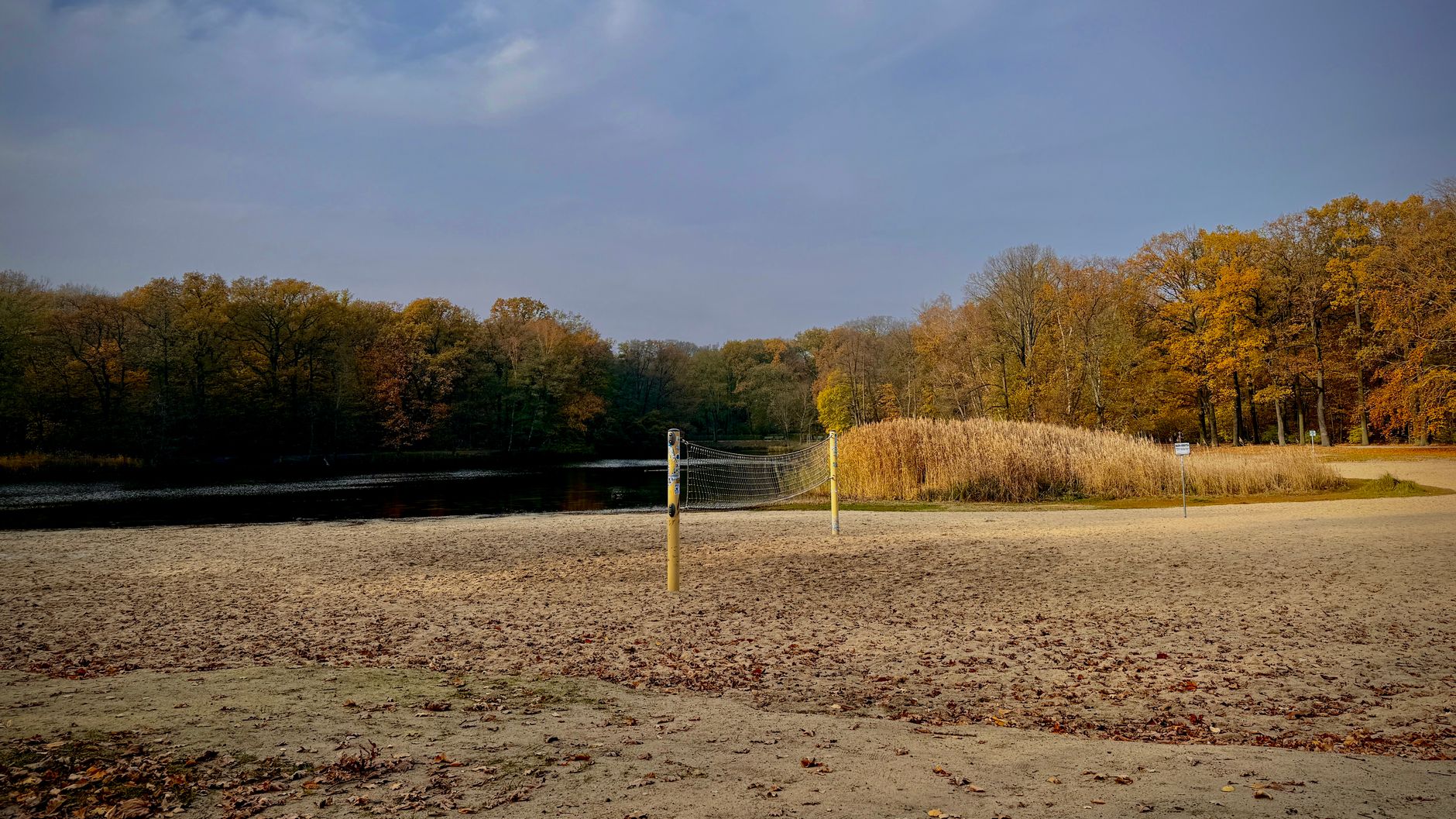
Berlin’s largest lake and the city’s main eastern bathing destination. About 45 minutes from central Berlin by S3 to Friedrichshagen, the lake offers public beaches (Strandbad Müggelsee, €6.50 entry), woodland walks around the perimeter, boat rentals, and the small village of Rahnsdorf at the eastern end. Less polished than Wannsee, more local in atmosphere, and easier to reach if you’re staying in Friedrichshain or Prenzlauer Berg. A half-day works well — train out, swim and lake walk, lunch at Müggelseeperle, train back.
Bernau bei Berlin
Bernau is a small medieval town just north of Berlin, about 30 minutes by S-Bahn (S2). The town’s preserved medieval walls and Steintor (Stone Gate) are the architectural highlights — Bernau is one of the only Berlin satellite towns to retain a substantial portion of its 13th-15th-century city wall. The Bauhaus former trade union school designed by Hannes Meyer in 1928-30 is a UNESCO World Heritage site on the town’s edge, worth combining with the medieval center for a half-day that covers two distinct historical periods. About 3-4 hours total.
Strausberg + Brewery
Strausberg is a lake town east of Berlin, about 50 minutes by S-Bahn (S5). The town sits on the Straussee, has a historic Old Town, and is the home of Bötzow Brauerei (recently restored brewery) for visitors who want to combine some scenery with a brewery tour. About 5 hours total including transit and tour. Off-the-beaten-path option for return visitors who’ve already done the obvious half-days.
More Half-Day Ideas Worth Knowing About
Beyond the main list, several smaller destinations work as half-day trips for specific interests. Mahlsdorf Gründerzeit Museum in the eastern outskirts preserves a Wilhelmine-era apartment with original furnishings, run for decades by the late Charlotte von Mahlsdorf — a remarkable life story now documented at the museum. Free entry on Saturdays; about 45 minutes by S5. Marzahn Gardens of the World (Gärten der Welt) is a 43-hectare themed garden park with Chinese, Japanese, Italian, English, and Balinese themed sections. Best in spring (cherry blossoms in April) and autumn. U5 to Kienberg. Rangsdorf and Klein-Wünsdorf south of Berlin combine lakeside walking with WWII history (the Wünsdorf bunker complex was the headquarters of the German Army general staff). Niche but rewarding for history travelers.
For visitors interested in the unusual: Schöneiche bei Berlin has Germany’s last surviving “country railway” — a small light-rail line running from the S3 station to the suburb, an under-the-radar local infrastructure that day-trip enthusiasts find delightful. Spandau Old Town, west of central Berlin, has medieval city walls, a Citadel from 1559-94, and a historic Old Town that most tourists skip. Often combined with the Spandau Christmas Market in December; year-round it’s a quiet 3-4 hour stop.
How to Build a Half-Day Into Your Berlin Trip
The most efficient pattern: do a morning of central Berlin sightseeing (Museum Island, Mitte galleries, a serious lunch), then head out for the half-day from about 2 pm to 7 pm, and return for dinner in central Berlin. This way you’re not committing a whole day to the outer destination, you’re not rushing the central Berlin attractions that need uninterrupted attention, and you get genuine variety in a single day.
The other pattern that works: do a half-day on your travel day. Arrival days and departure days are often half-days anyway. A morning arrival followed by a Pfaueninsel afternoon gives you a soft introduction to the broader Berlin region before settling in. A morning of packing followed by a Müggelsee afternoon is a relaxed way to end a trip.
Practical Tickets and Logistics
All the destinations in this guide except Werder, Strausberg, and Bernau are in VBB zones A/B and accessible with a standard Berlin day pass (€9.50). Werder, Strausberg, and Bernau are in zone C, requiring the ABC pass (€11.40). The Brandenburg-Ticket covers further regional travel for groups. For visitors with the Berlin Welcome Card, the AB version covers most half-days; upgrade to ABC if you want flexibility for Werder or Bernau.
When to Do Each Half-Day
Spring (April-May): Werder (Tree Blossom Festival), Pfaueninsel (rhododendrons), Köpenick.
Summer (June-August): Müggelsee (swimming), Pfaueninsel, Wannsee combination.
Autumn (September-October): Pfaueninsel (foliage), Glienicke Park (foliage + Cold War history), Köpenick.
Winter (November-March): Köpenick (indoor café-friendly), Bernau (Bauhaus + medieval walls), Bridge of Spies (always atmospheric).
If you would rather stay inside the city limits for your half-day, the north-west of Berlin has an unexpectedly good one: a morning in the prison history park in Moabit, lunch in a restored 1891 market hall, the Plötzensee Memorial, and in summer an afternoon swim at the lakeside lido. It is all within the AB fare zone. Our Wedding and Moabit guide has the details.
Frequently Asked Questions
What’s the best half-day trip from Berlin?
For first-time visitors: Pfaueninsel + Glienicke Bridge combination — gives you a UNESCO-listed romantic island, a major Cold War history site, and views across to Potsdam in a 4-5 hour afternoon. For travelers who’ve already covered the obvious destinations, Köpenick or Werder are the next-tier picks.
How long does a Berlin half-day trip take?
Typically 4-5 hours including transit, with 30-45 minutes each direction. Plan your central Berlin morning to end by noon-1 pm, head out by 2 pm, and aim to be back in central Berlin by 7 pm for dinner.
Do I need a special ticket?
The standard Berlin day pass (€9.50 AB) covers most half-day destinations. The ABC pass (€11.40) is needed for Werder, Bernau, Strausberg, and a few other Brandenburg outer-zone destinations. Buy a day pass before you leave central Berlin to avoid scrambling for tickets at smaller stations.
Can I combine half-day trips with another activity?
Yes — that’s the appeal. Combine a central Berlin morning (Museum Island, gallery, walking tour) with a half-day afternoon out of the city. Or pair a half-day with a quiet evening in your hotel district. Trying to fit two half-days into one day is too much; pick one.
Are these half-day trips family-friendly?
Yes, particularly Pfaueninsel (peacocks, gentle island), Müggelsee (swimming), and Köpenick (small medieval town). See our Berlin with kids guide for the broader family Berlin context. Sachsenhausen and Dresden are full-day trips that aren’t ideal for younger children.
What’s a good half-day in winter?
Köpenick works well — the medieval Old Town has indoor cafés and museum options. Bernau’s Bauhaus school is a year-round indoor attraction. Glienicke Bridge is atmospheric in any weather. Avoid lake-focused half-days (Müggelsee, Pfaueninsel) in winter — the boats don’t run and the cold makes the experience uncomfortable.
Should I skip the full day trips and just do half-days?
Not necessarily. Potsdam, Spreewald, Dresden, and Sachsenhausen all reward the time investment of a full day. The half-days are a complement, not a substitute. If you have 4-5 days in Berlin, build in one full day trip plus 1-2 half-days for the right mix. The Day Trips from Berlin pillar covers the full range.
Final Word
Half-day trips are the way Berlin’s region rewards travelers who treat the city as a base rather than a checklist. Most visitors who come back to Berlin three or four times eventually develop favorite half-days — the Pfaueninsel afternoon, the Köpenick lunch, the Müggelsee swim. Pick one that suits the season and your energy level, plan the transit, and let yourself have an afternoon outside the central Berlin grind. The trip back as the sun drops over a Brandenburg lake will be one of the best memories you take home.