Brandenburg Countryside from Berlin: Nature Day Trips Guide
Complete guide to Brandenburg countryside day trips from Berlin — Rheinsberg, Brandenburg an der Havel, Schorfheide-Chorin, Stechlinsee, Müritz.
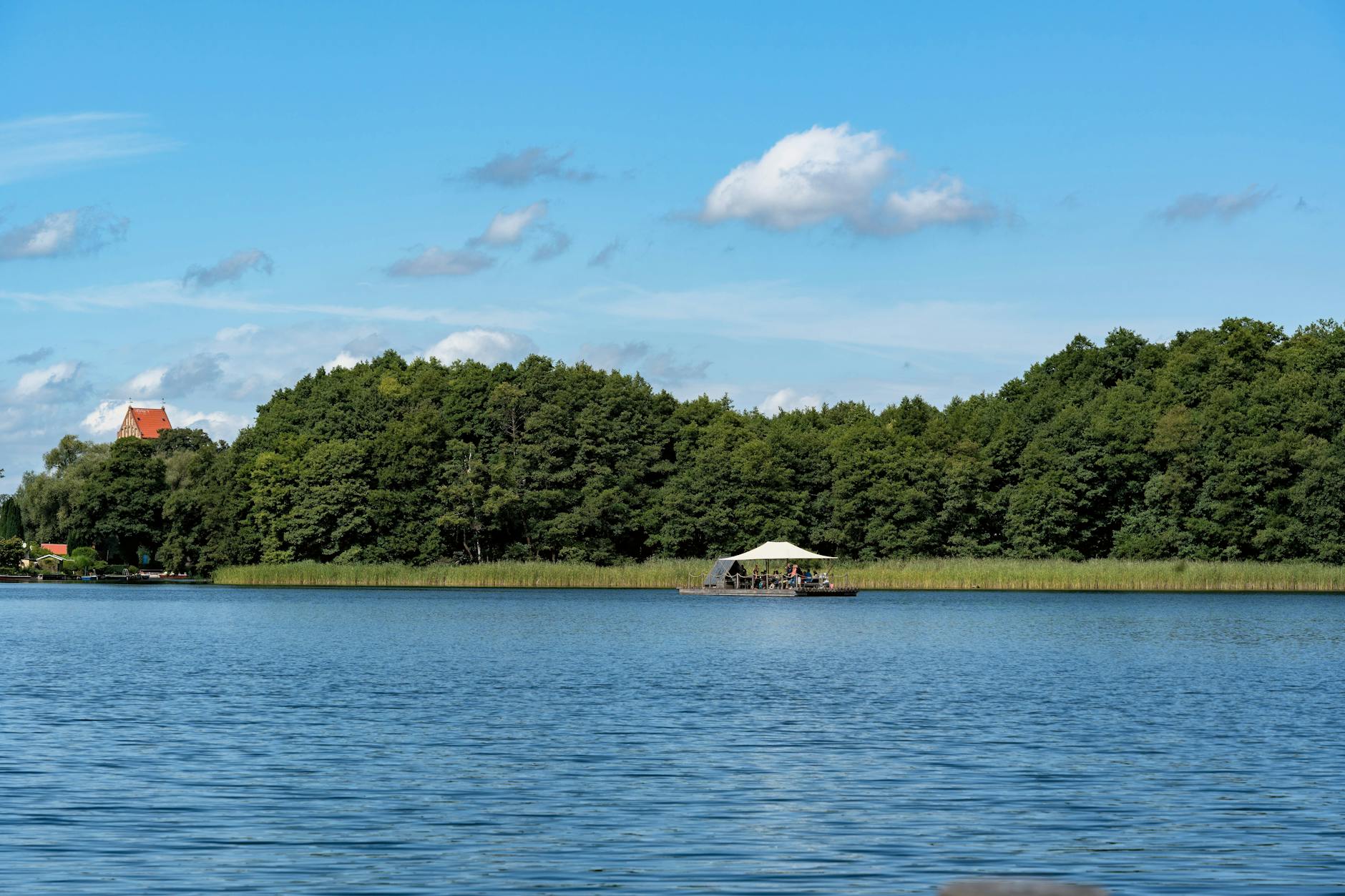
Brandenburg is the state that surrounds Berlin — a 30,000-square-kilometer expanse of lakes, forests, marshlands, and small medieval towns that most Berlin visitors never see. Theodor Fontane wrote five volumes of travel essays about it (“Wanderungen durch die Mark Brandenburg,” 1862-1882) trying to convince the rest of Germany that the region was worth taking seriously. He was right. Brandenburg offers some of the best easy nature access from a major European capital — Müritz National Park, the Schorfheide-Chorin biosphere reserve, the Uckermark lake district, and the Lausitz lake landscape are all within 2 hours of central Berlin.
This guide is for travelers who want to get out of Berlin and into actual countryside. It covers the day-trip-accessible Brandenburg destinations in 2026 — the lake districts, the forests, the riverside towns, the small castles — and the practical logistics that make a Brandenburg excursion feel restorative rather than touristy.
Brandenburg Countryside at a Glance
| Destination | Transit | Highlight | Best Season |
|---|---|---|---|
| Rheinsberg + Schloss | ~90 min RE | Schloss Rheinsberg, Grienericksee | Apr-Oct |
| Brandenburg an der Havel | ~50 min RE | Medieval town, three rivers | Year-round |
| Schorfheide-Chorin | ~75 min RE | Biosphere reserve, Kloster Chorin | Apr-Oct |
| Tropical Islands Resort | ~90 min RE | Indoor tropical resort | Year-round (winter best) |
| Stechlinsee | ~90 min RE + bus | Crystal-clear glacial lake | Summer |
| Müritz Region | ~2 hr RE | Largest German inland lake | May-Sep |
| Buckow & Märkische Schweiz | ~75 min RE | “Little Switzerland” hill landscape | Apr-Oct |
Why Bother With Brandenburg?
Berlin is dense, loud, and architecturally exhausting. Brandenburg is the opposite — flat, quiet, mostly empty, and built to a different tempo. A single afternoon walking around a Brandenburg lake or sitting in a small town café will reset your sensory system after several days of central Berlin. The trains are frequent, the tickets are cheap, and the towns are mostly small enough that you can walk the entire historic center in an hour.
The other reason: Brandenburg is the most underrated part of Germany for nature access. The state contains more than 3,000 lakes, four UNESCO biosphere reserves, and Germany’s largest contiguous forest area outside the Bavarian Alps. The Berlin metropolitan area is one of the only major European capitals where you can leave the city center on a regional train and be in genuine wilderness within 90 minutes.
Rheinsberg and Schloss Rheinsberg
Rheinsberg is a small town about 90 minutes north of Berlin by RE5, set on the Grienericksee lake. The Schloss Rheinsberg — the small Rococo palace where Frederick the Great spent four happy years as crown prince before becoming king — is the architectural highlight. Frederick designed substantial portions of the palace and its grounds himself in 1734-40; the building is widely considered one of the most important pre-Frederick architectural projects of the 18th-century Prussian state. €8 entry; closed Mondays.
The town itself is a quiet riverside settlement of about 4,000 people, with a small Old Town, multiple lakeside cafés, and boat rentals on the Grienericksee. The Rheinsberger Musiktage chamber music festival in August brings serious classical programming to the palace’s small theater. A full day combining the palace, town walk, lake walk, and lunch comes in at about 6-7 hours including transit.
How to get there: RE5 from Berlin Hauptbahnhof to Rheinsberg, about 90 minutes. Brandenburg-Ticket covers the journey. Schloss Rheinsberg is a 5-minute walk from the station.
Brandenburg an der Havel
The city that gives the state its name. Brandenburg an der Havel is about 60 km west of Berlin, set on three lakes (Beetzsee, Wendsee, Quenz) and split by the Havel river into three islands connected by bridges. The city is genuinely medieval — first mentioned in 928, the cathedral (Dom St. Peter und Paul) was started in 1165 and remains one of the most important Romanesque and Gothic buildings in eastern Germany. The Old Town has preserved its medieval street layout, with around 3,000 protected historic buildings.
The visit combines a cathedral interior tour (€5 entry, audio guides available), a walk through the Altstadt focused on the half-timbered residential streets, lunch at one of the riverside restaurants, and a quick stop at the Heimatmuseum for the city’s history of being both Slavic settlement and medieval bishopric. About 5-6 hours including transit. RE1 from Berlin Hauptbahnhof to Brandenburg Hauptbahnhof, about 50 minutes.
Schorfheide-Chorin Biosphere Reserve
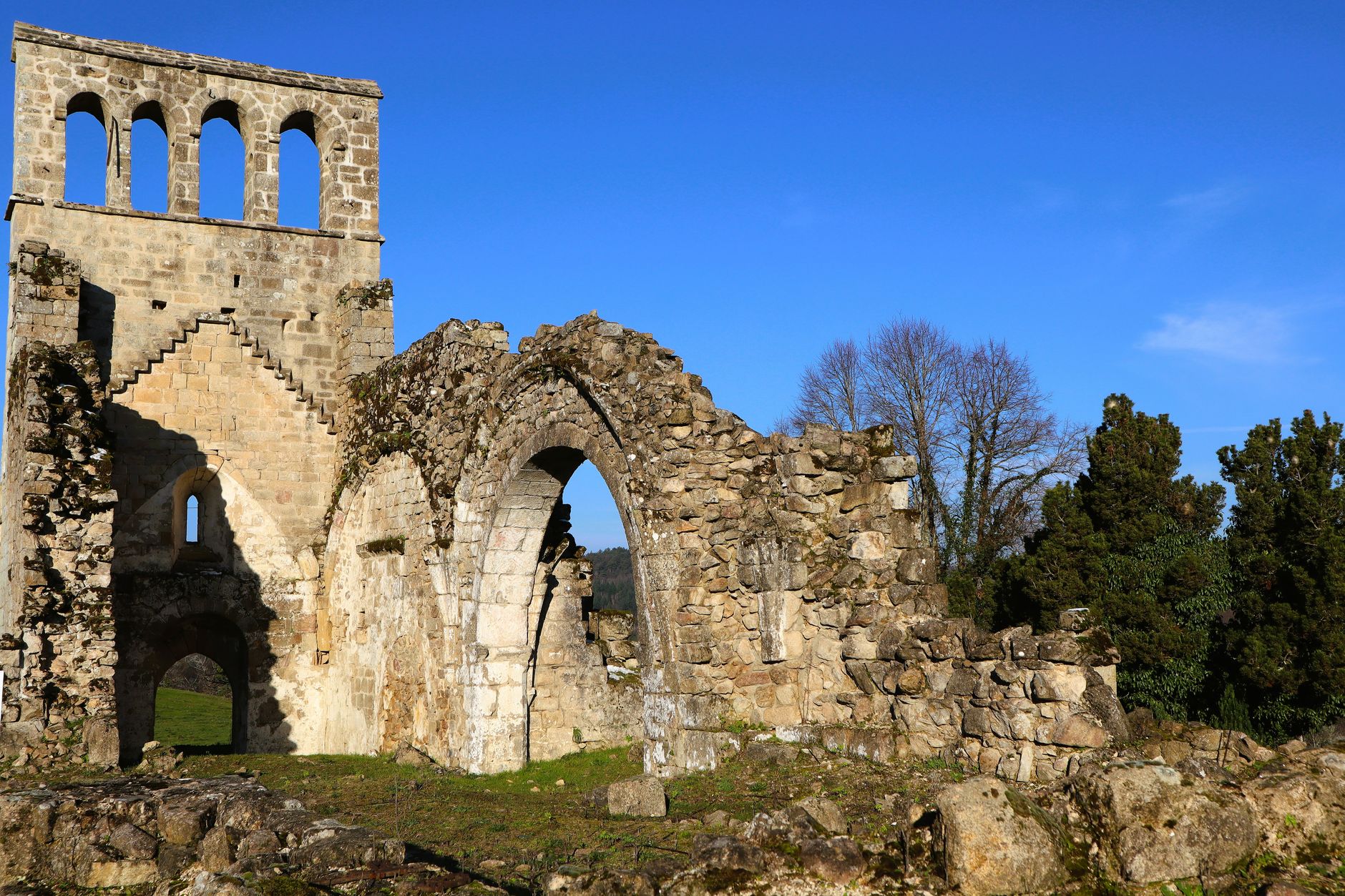
The Schorfheide-Chorin biosphere reserve, about 75 minutes north of Berlin, is the largest protected forest landscape in northeast Germany. The reserve covers 1,290 square kilometers of mixed forest, lake systems, and traditional agricultural landscapes. The medieval Kloster Chorin (Chorin Monastery), founded by Cistercian monks in 1273, sits at the southern edge — a brick-Gothic monumental ruin that’s one of the most photogenic medieval sites in Brandenburg.
The Kloster hosts the Choriner Musiksommer chamber music festival each summer (June-August) and is open year-round for visits. €8 entry. Walking trails through the surrounding forest range from short (30 minutes) to substantial (4-5 hours). The visitor center near Chorin station has maps and trail information.
How to get there: RE3 from Berlin Hauptbahnhof to Chorin, about 75 minutes. The monastery is a 25-minute walk from the station through forest. Combine with a longer forest walk for a full nature day.
Stechlinsee — Brandenburg’s Clearest Lake
Stechlinsee is one of the deepest and clearest lakes in northeast Germany — visibility extends to 10 meters or more in summer, making it popular with divers and ecologists. The lake sits inside the Naturpark Stechlin-Ruppiner Land, surrounded by old-growth forest. Theodor Fontane’s last novel (“Der Stechlin,” 1898) was set on the lake and made it famous in German literature.
The lake has limited tourist infrastructure — small swimming beaches at Neuglobsow on the southern shore, a few cafés, basic boat rentals, and the Stechlin Nature Park visitor center. The point of the visit is the quiet itself. About 90 minutes from Berlin: RE5 to Fürstenberg, then bus 856 to Neuglobsow. Brandenburg-Ticket covers the journey.
Buckow and the Märkische Schweiz
The Märkische Schweiz (“Little Switzerland”) is the local name for a small hilly landscape east of Berlin — geologically distinct from the rest of flat Brandenburg, with the small town of Buckow at its center. The area is one of the closest places to Berlin where you’ll find actual elevation changes and forest-river landscapes that feel different from the standard Brandenburg flatland. Bertolt Brecht and Helene Weigel had a summer house in Buckow from 1952; the Brecht-Weigel-Haus is now a small museum.
The town is small (around 1,500 residents) but offers proper hiking trails through the surrounding hills and forests, lakeside walking around the Schermützelsee, and a slower pace than most Brandenburg towns of similar size. RE1 from Berlin to Müncheberg, then bus 928 to Buckow, about 75 minutes total. Best from April through October.
Müritz Region — Brandenburg’s Lake District
The Müritz is the largest lake entirely within Germany (about 110 square kilometers) and the centerpiece of the Mecklenburg Lake District, which technically extends from Brandenburg into Mecklenburg-Vorpommern. The Müritz National Park is one of Germany’s largest national parks and protects about 320 square kilometers of lake, forest, and wetland. White-tailed eagles, ospreys, and cranes nest here in significant numbers; the spring and autumn crane migrations bring tens of thousands of birds to the lakeshores.
The trip is at the outer edge of day-trip range from Berlin — about 2 hours each way by RE5 to Waren (Müritz). Day-trippers typically focus on Waren’s small lakeside town, the National Park visitor center, and a boat trip on the lake. For serious nature time, an overnight stay is more rewarding than a day trip; many Berlin residents treat Müritz as a long weekend rather than a day excursion.
Practical Logistics for Brandenburg Day Trips
The Brandenburg-Ticket (€33 base for one adult, +€8 per additional adult up to 5) is the most economical option for groups doing regional travel within Brandenburg. It covers all regional trains and most local buses within the state, valid 9 am to 3 am the following day on weekdays and all day on weekends. For solo travelers, the Deutschland-Ticket (€58/month) or standard regional return tickets often work out better.
Cash matters: Many smaller Brandenburg towns and rural cafés are still cash-only. Withdraw before you leave central Berlin.
Sunday closures: Brandenburg follows the same shop-closure rules as Berlin — Sunday means most shops closed. Restaurants and cafés open but limited. Plan grocery shopping for Saturday afternoon if you’re doing a Sunday excursion.
Language: English is significantly less common in rural Brandenburg than in central Berlin. Basic German phrases help; Google Translate covers gaps.
Building Brandenburg Into a Longer Berlin Trip
For a 7-day Berlin trip, I’d recommend one Brandenburg day in the middle — maybe day 4 or 5 — to break up the urban rhythm. Pick a destination that suits the season and your energy level. A more nature-focused trip might allocate two Brandenburg days (one lake-focused, one historical-town focused). Combine with the half-day trip options covered in our half-day trips guide for additional flexibility. The Day Trips pillar covers the full range from full-day to half-day options.
Cycling Brandenburg — A Distinct Approach
One way to experience Brandenburg that the standard day-trip format doesn’t capture: cycling. Brandenburg has one of the densest networks of long-distance cycling paths in Europe, with more than 7,000 kilometers of marked routes. The major routes radiating from Berlin include the Berlin-Usedom cycle path (heading northeast to the Baltic), the Berlin-Copenhagen cycle path (heading north), the Gurkenradweg through the Spreewald, and the Havel-Radweg following the Havel river west toward Brandenburg an der Havel.
For a day-trip-friendly cycling outing, take the regional train to Erkner or Strausberg with a rental bike, then ride along quiet country roads back toward Berlin via the lake regions. Multiple Berlin cycle shops rent road and trekking bikes by the day (typically €15-25 for a full day), and the trains accept bikes for a small surcharge (~€2). The combination of train-out and ride-back is one of the more rewarding ways to spend a warm Brandenburg day.
Brandenburg Food and Where to Eat
Brandenburg’s regional cuisine is heavier and less famous than Bavaria’s or Saxony’s, but it has authentic specialties worth seeking out. Teltower Rübchen (Teltow turnip) is a small white-fleshed turnip variety with PGI protection, traditionally served as a side dish; restaurants in Potsdam and Berlin often feature it on autumn-winter menus. Beelitzer Spargel (Beelitz asparagus) — the white asparagus harvest from the town of Beelitz, southwest of Berlin — is a major spring event from late April through June, with the Beelitz Spargelmuseum dedicated to the crop. Many restaurants in Brandenburg offer specific asparagus menus during the season.
For lunch in any Brandenburg small town, look for the local Gaststätte — the traditional German pub-restaurant. Quality varies but the format is reliable: fresh fish from the local lake, regional vegetables, hearty meat dishes, and beer from a regional brewery. Don’t expect Berlin-level culinary innovation; do expect honest food at fair prices in atmospheric old buildings.
When to Visit Brandenburg
Late April through October: the natural window for outdoor-focused Brandenburg trips. Lakes accessible, forests in leaf, festival season active. May and June: spring growth, fewer crowds, best for cherry blossoms and wildflower meadows. September: autumn foliage, harvest festivals in small towns, comfortable hiking weather. November-March: indoor destinations only — castles, monasteries, small-town cafés. The Brandenburg countryside feels genuinely austere in winter; some visitors love this, others find it desolate.
You do not have to leave the city limits for a formal parterre and an English landscape park. The Schlossgarten behind Charlottenburg Palace was laid out in 1697 by a pupil of Le Nôtre and reworked in the nineteenth century, so the geometry dissolves into lawns, a lake and a stretch of the Spree as you walk away from the building. It is free and open longer than the palace. Our Charlottenburg Palace guide covers the gardens and the three pavilions in them.
If you are staying out in Brandenburg rather than in the city, getting to the airport for the flight home is a different calculation: public transport from the countryside can mean several changes, and driving to BER and parking is often the sensible choice, especially for families. Our BER airport parking guide compares the car parks and prices.
Frequently Asked Questions
What’s the best Brandenburg countryside day trip from Berlin?
For first-time visitors interested in nature: Schorfheide-Chorin with the Kloster Chorin monastery and forest walks. For history and architecture: Brandenburg an der Havel (the original Brandenburg city). For literary and Rococo interest: Rheinsberg and Schloss Rheinsberg. Each has a different focus.
How long does a Brandenburg day trip take?
Most destinations require 5-8 hours total including transit. Rheinsberg or Schorfheide-Chorin: 6-7 hours. Brandenburg an der Havel: 5-6 hours. Müritz: 8+ hours (closer to a full-day commitment). Plan around the regional train schedules — most lines run hourly to two-hourly.
Is the Brandenburg-Ticket worth it?
For groups of 2-5 doing regional Brandenburg travel: yes, significantly cheaper than individual round-trip tickets. For solo travelers: depends on the specific journey — sometimes individual tickets work out cheaper. Always price the alternative before buying.
Can I visit Brandenburg in winter?
Yes, but focus on indoor destinations. Brandenburg an der Havel’s cathedral and Old Town work year-round. Kloster Chorin is photogenic in any weather. Castle visits at Schloss Rheinsberg continue through winter. Lake destinations (Stechlinsee, Müritz) are quieter in winter and the visitor infrastructure is limited.
Are there guided tours to Brandenburg?
Some Berlin operators run organized Brandenburg day trips, but the train system is straightforward enough that DIY trips work well. Guided tours make more sense for specific interests (forest hiking with a naturalist, wine tasting in the Spreewald) than for general sightseeing.
Should I rent a car?
For most Brandenburg destinations covered in this guide, no — the regional train and bus network reaches all of them. A car becomes useful for very specific itineraries: combining multiple lakes, reaching remote rural areas, or family trips with significant luggage. For a single-destination day trip, public transit is more relaxing.
Is Brandenburg safe for solo travelers?
Generally yes. The region is rural and quiet; petty crime is rare. The main considerations are the early closing of small-town infrastructure (cafés closing at 6 pm, last buses running early) rather than personal safety. Plan return travel with margin to avoid getting stranded.
Final Word
Brandenburg is the part of the Berlin region most visitors miss — and the part that often becomes the favorite memory for travelers who do venture out. The lakes are quiet, the forests are real, the small towns have actual cafés where actual locals drink afternoon beers. Pick a destination that matches the season and your energy level, take a regional train an hour out of the city, and spend the day at the pace of the place. You’ll come back to Berlin grateful for the contrast — and the next time you visit, you’ll already know where you want to go for a Brandenburg day.