Best Souvenirs from Berlin: What to Buy & Where to Find Them
The best Berlin souvenirs — Ampelmann, KPM porcelain, Rausch chocolate, GDR memorabilia, and where to buy authentic versions of each.
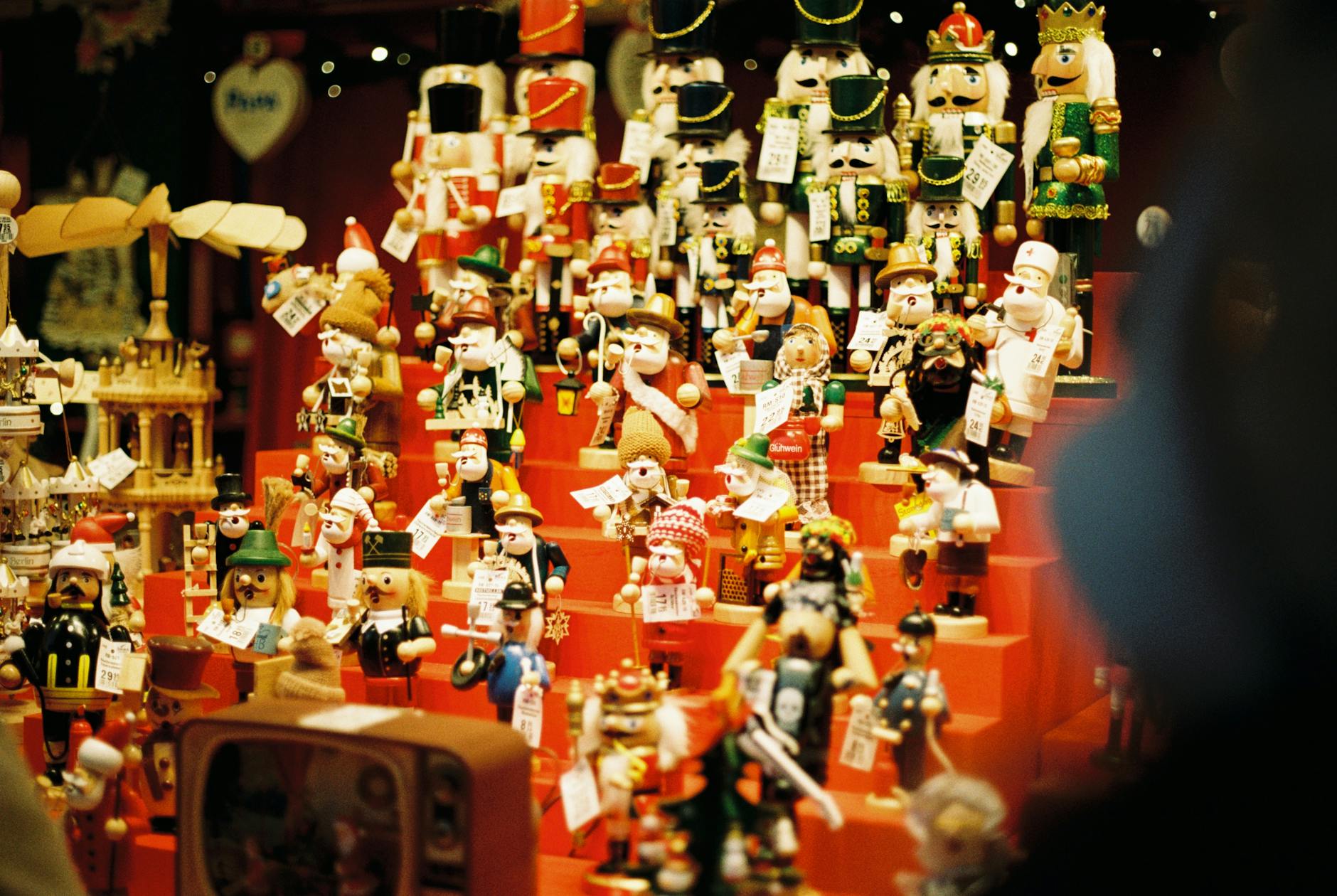
Berlin doesn’t really do souvenirs the way Munich or Paris do. There’s no equivalent of the Eiffel Tower keychain or the Lederhosen-wearing Bavarian doll that defines a city brand. What Berlin does have is a quieter, more interesting set of authentic local products — things that grew out of the city’s specific history, its post-reunification design culture, and its long tradition of small-batch craft production. The trick is knowing the real things from the airport-shop knockoffs, which is what this guide is for.
I’ve been buying gifts for friends from Berlin for almost a decade. The list below is what I actually bring home — the items that survive the test of “would the recipient still like this in a year?” and that say something about the city beyond “I went to Berlin.”
The Souvenir Quick-Reference Table
| Souvenir | Price Range | Best Place to Buy | Best For |
|---|---|---|---|
| Ampelmann merchandise | €5–80 | Ampelmann shop, Hackescher Markt | Quick gifts, kids |
| KPM porcelain | €30–500+ | KPM Manufactory, Tiergarten | Heirloom gifts |
| Rausch chocolate | €8–40 | Rausch Schokoladenhaus, Gendarmenmarkt | Foodie gifts |
| Currywurst seasoning | €4–10 | Curry 36, KaDeWe food hall | Quirky food gifts |
| GDR/Ostalgie items | €2–50 | Mauerpark, Boxhagener, Intershop 2000 | History buffs |
| Berlin street art prints | €15–150 | Urban Spree, Pretty Portal | Art lovers |
| Mustard from Altonaer Senf | €5–8 | Markthalle Neun, KaDeWe | Foodie gifts |
| Manufactum tools & goods | €10–300 | Manufactum, Hardenbergstrasse | Quality-obsessed gift-recipients |
Ampelmann — The Souvenir Berlin Actually Made Famous
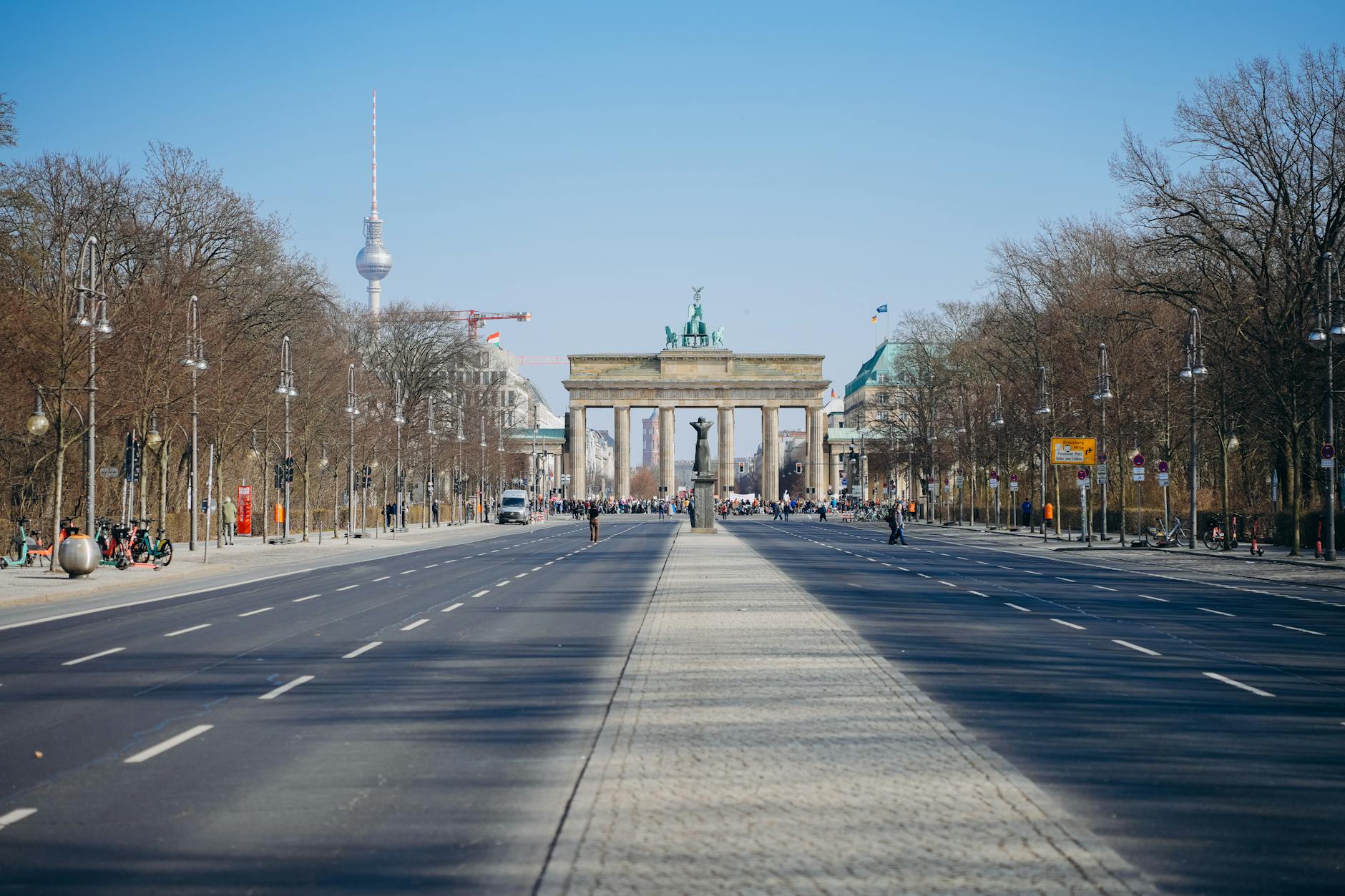
The little hat-wearing pedestrian who shows you when to cross the street has become the de facto symbol of unified Berlin — and it’s a genuinely good story. Karl Peglau designed the original Ampelmann in East Germany in 1961, and after reunification the figure was almost wiped out in favor of standardized Western pedestrian lights. A grassroots campaign saved him. He now appears on traffic lights across both halves of the city and on more merchandise than I can list.
The flagship Ampelmann shop at Hackescher Markt has the widest selection: t-shirts, enamel mugs, magnets, bottle openers, kids’ picture books, baby clothes, and the iconic stoplight-shaped gummies. Prices are reasonable — most small items run €5-15 — and the quality is fine for the price. There are additional Ampelmann shops at Potsdamer Platz and Friedrichstrasse station, and Ampelmann-branded items appear at most airport shops. The flagship store has the broadest range and the staff who can tell you the actual history.
KPM Berlin Porcelain — The Heirloom Souvenir
KPM (Königliche Porzellan-Manufaktur Berlin) has been making porcelain in Berlin since 1763, founded by Frederick the Great. Their pieces are hand-painted in Berlin to this day, and the cobalt-blue sceptre mark on the base is one of the most respected in European porcelain. A KPM teacup is not a casual purchase — basic pieces start around €60-90 and serious dinnerware runs into the hundreds — but it’s the kind of object that gets passed down rather than thrown out.
The KPM Manufactory shop in Tiergarten (near Tiergarten S-Bahn station) is the destination if you’re serious. The building itself is an attraction — you can take a tour of the workshop and watch the painters work. The shop sells current designs, traditional patterns, and the more affordable “Berlin” series of small espresso cups (€30-50) that make excellent gifts. There’s also a smaller KPM boutique at Kurfürstendamm with a narrower selection. For more on the Tiergarten neighborhood and its museums, see our museums and galleries guide.
Rausch Chocolate — Berlin’s Bean-to-Bar Tradition
Rausch has been making chocolate in Berlin since 1918 and now operates the Rausch Schokoladenhaus on Gendarmenmarkt — a four-story chocolate experience that combines retail, café, and a chocolate museum on the top floor. The signature item is the “Wahre Schokolade” (true chocolate) bars made from single-origin beans, available in dozens of varieties from milk to 85% dark.
Don’t miss the chocolate sculptures in the ground-floor window displays — replicas of Brandenburg Gate, the Reichstag, and the TV Tower made entirely from chocolate, which Rausch updates throughout the year. The chocolate truffles (about €1.50 each, sold by weight) are some of the best in the city. Pair this stop with a visit to the nearby Christmas market at Gendarmenmarkt if you’re visiting in December.
GDR Memorabilia — Ostalgie Done Right
“Ostalgie” — nostalgia for East Germany — is a real phenomenon, and the market for authentic GDR objects has grown rather than shrunk in recent years. Original items are interesting souvenirs because they’re genuinely from a country that no longer exists. The honest ones, though, are getting harder to find as the supply diminishes.
Authentic items to look for: original Trabant memorabilia (license plates, dealer brochures), Sandmännchen toys (the children’s television character that survived reunification), VEB-stamped enamelware, FDGB union pins, original GDR-era cookbooks (often genuinely good), and Pittiplatsch puppet figurines. Reproductions are sold everywhere — the test is whether the seller can tell you what factory or era a specific piece comes from.
Best places to buy real ones: stalls at Arkonaplatz and Boxhagener Platz flea markets on Sundays, the Intershop 2000 store at Friedrichstrasse station (a curated shop), and the gift shops at the DDR Museum and the Stasi Museum. Tourist-shop knockoffs are everywhere along Friedrichstrasse and at Checkpoint Charlie — easy to spot because they’re cheap, factory-fresh, and the sellers can’t answer questions about provenance.
Currywurst Seasoning and Berlin Food Souvenirs
Currywurst is Berlin’s most famous food, and you can take home most of it in jar form. Curry 36 and Konnopke’s both sell their proprietary curry powder blends (€4-8 a tin) — buy the original at the source rather than the branded version at the airport. The KaDeWe food hall on the sixth floor has an excellent Berlin section with bottled Berliner Weisse syrup (the raspberry and woodruff syrups used to color the local wheat beer), Berlin mustards, and locally produced gin.
For something more unusual, look for Altonaer Senf-Mühle mustards (made in Hamburg but stocked widely in Berlin) and Berlin’s own Mussgnug gin. The mustard variety pack at Markthalle Neun on Thursdays is a packable food gift. For a deeper look at Berlin food culture worth knowing about before shopping, see our Berlin food guide and best currywurst article.
Berlin Street Art Prints and Original Art
Berlin is one of Europe’s great street art cities, and several galleries sell affordable prints from the artists you’ve been seeing on walls. Pretty Portal in Kreuzberg specializes in limited-edition prints from street artists — most prints are €30-150, with serious original pieces in the four-figure range. Urban Spree near the RAW Gelände has a more affordable selection skewed toward emerging artists. Both galleries can ship internationally, which removes the awkwardness of carrying art home.
The East Side Gallery shop, located at the eastern end of the famous Wall section, sells reasonably priced prints and books featuring the painted Wall art. Avoid the tourist stalls along the East Side Gallery itself — they sell mass-produced posters that have nothing to do with the actual artists. The same warning applies to the Wall fragments sold along the street: the genuine certified pieces are sold at the Berlin Wall Memorial gift shop and at a few authenticated retailers; anything else is almost certainly concrete from a German driveway.
Manufactum — The Quality-Obsessed Souvenir
Manufactum is a German retail chain dedicated to “things that still exist” — well-made traditional products that survived industrialization, from wooden kitchen tools to enamel coffee pots, leather goods, gardening implements, and stationery. The Berlin store on Hardenbergstrasse near Zoologischer Garten is one of the best in the chain. Nothing here is specifically “Berlin,” but everything is German-made and the quality is exceptional.
The store is dangerous to visit if you’re trying to keep luggage light. Highlights to look for: the heavy-cotton kitchen aprons, leather card cases stamped in small German workshops, hand-bound notebooks from Saxon paper mills, and the cast-iron Dutch ovens. Prices are not cheap (€30-300 range for most items) but the products are the kind that lasts decades.
Berlin Books, Records, and Print
Berlin’s bookstore scene is exceptional, and books are some of the best souvenirs for serious gifts. Do You Read Me?! in Mitte sells the best curated selection of independent magazines in Berlin, including locally produced art and culture journals. Pro qm, also in Mitte, focuses on architecture, urbanism, and politics — many of the books are about Berlin specifically. The DDR Museum and the Berlin Wall Memorial bookshops have outstanding history selections.
For vinyl, Hard Wax in Kreuzberg is the legendary techno record store — even non-DJs visit just for the experience. Space Hall has a deeper general selection. Most flea markets have vinyl stalls; quality varies but the prices are usually better than at dedicated shops. For more on Berlin’s club culture, see our techno clubs guide.
What to Avoid — Common Souvenir Traps
The souvenir stalls along Friedrichstrasse, around Checkpoint Charlie, and along Karl-Liebknecht-Strasse near Alexanderplatz are tourist traps with almost no authentic Berlin product. The “Wall fragments” are essentially impossible to verify and most are not real. The fur Soviet hats are leftover from twenty years of tourist demand and have nothing to do with Berlin’s actual history. The “Berlin” t-shirts are the same designs sold in Prague, Vienna, and Amsterdam with the city name swapped.
If you want a Berlin t-shirt, go to one of the local design shops in Kreuzberg or Friedrichshain — VEB Orange has a small but solid local-design section, and the Berlin Design House at Friedrichstrasse station carries actual local labels. Prices are double what the tourist stalls charge, but the shirts will outlast them by years.
Where to Shop by Neighborhood — A Quick Walking Strategy
Berlin is too big to shop randomly. If you have one souvenir-focused afternoon, plan your route by neighborhood rather than by item. Three concentrated areas cover almost everything in this guide.
Mitte / Hackescher Markt: The Ampelmann flagship, the courtyards of the Hackesche Höfe (small design boutiques and independent shops), the KaDeWe alternative Galeria at Alexanderplatz, the Intershop 2000 for GDR items, and Do You Read Me?! for magazines. Allow two to three hours. The Hackesche Höfe’s eight interconnected courtyards are themselves an attraction.
Gendarmenmarkt area: Rausch Schokoladenhaus for chocolate, KPM’s Mitte boutique a short walk away, the high-end Quartier 206 mall on Friedrichstrasse for luxury items, and pro qm for books. The whole loop takes under two hours. Pair this with a coffee at one of the cafés on Gendarmenmarkt itself.
West Berlin / Kurfürstendamm: KaDeWe’s full department store experience including the sixth-floor food hall, Manufactum on Hardenbergstrasse, the KPM flagship at the Tiergarten manufactory (a short detour worth taking), and Bikini Berlin for design-forward concept stores. This route takes a full half-day. For more on shopping along Kurfürstendamm, see our Kurfürstendamm and KaDeWe luxury shopping guide.
Practical Notes — Customs, Tax-Free Shopping, and Packing
Non-EU residents can claim VAT back on purchases over €50 made in a single shop — ask for a tax-free form (Tax-Free Shopping or Global Blue) at the till. The forms get validated at the airport before you check your bags. Most major retailers offer this; smaller flea-market stalls do not.
For shipping internationally, KPM and most galleries will ship; flea markets won’t. Chocolate and liquid souvenirs (mustard, gin) need to go in checked luggage. Berlin Wall fragments and original GDR objects are fine for international travel, but if you’re carrying multiple kilograms of Wall concrete you may get pulled aside at customs for an interesting conversation.
If you do leave it to the last minute, know what the airport can and cannot do for you. BER’s shops sell the usual souvenirs at airport prices, duty-free is only duty-free on flights leaving the EU, and the tax-free stamp has to be collected from customs before you check your bag in. Our BER airport food and shopping guide explains what is worth buying airside and what is not.
Frequently Asked Questions
What is the most authentic Berlin souvenir?
If we’re picking just one: Ampelmann merchandise from the official Ampelmann shop. The figure is genuinely Berlin-specific, the story behind it captures the city’s history of East-West reconciliation, and the products are decently made at reasonable prices. For something fancier, KPM porcelain is the heirloom-quality option.
Where can I buy real GDR memorabilia?
The Sunday flea markets at Arkonaplatz, Boxhagener Platz, and Mauerpark are the best sources for genuine items. The Intershop 2000 at Friedrichstrasse station is a curated retail option. The DDR Museum gift shop sells some authentic items alongside reproductions. Avoid the tourist stalls at Checkpoint Charlie — most of what they sell is fake or generically Eastern Bloc rather than specifically East German.
Can I get tax-free shopping in Berlin?
Yes, non-EU residents can claim VAT (19% on most goods) back on single-shop purchases over €50. Ask for a Tax-Free Shopping or Global Blue form at the till. Get the form validated by customs at the airport before checking your bags. This works at most major retailers including KaDeWe, Galeries Lafayette successors, and KPM, but not at flea markets or small independent shops.
Are Berlin Wall fragments real?
Some are. The certified fragments sold at the Berlin Wall Memorial gift shop, the Topography of Terror bookshop, and a handful of authenticated retailers come with provenance documentation. The pieces sold at street stalls and tourist shops around Checkpoint Charlie usually do not — and most are likely not genuine Wall concrete at all. If authenticity matters to you, buy from an institutional source.
What food souvenirs travel well?
Sealed chocolate (Rausch, Lindt-owned Sarotti), curry powder for currywurst, mustards in sealed jars, vacuum-sealed Berliner Pfannkuchen (only if you’re flying soon), tinned Lebkuchen if traveling in winter, and small bottles of gin or schnapps in checked luggage. Liquids over 100ml must go in checked bags.
Final Word
The best souvenirs from Berlin are the ones that recall a specific moment of your trip — the bar where you bought the Ampelmann magnet, the flea market where you spent an hour debating whether the Sandmännchen figurine was original, the chocolate shop on Gendarmenmarkt where you watched it snow. Pick objects that mean something rather than that signal you went somewhere. Berlin rewards that approach more than most European cities, because the things worth buying here all have a specific local story behind them.