Berlin Thrift & Vintage Shopping Guide: Best Secondhand Stores
Berlin's best thrift and vintage stores by neighborhood — Humana, Pick'n'Weight, VEB Orange, Made in Berlin, and the boutique designer-vintage scene.
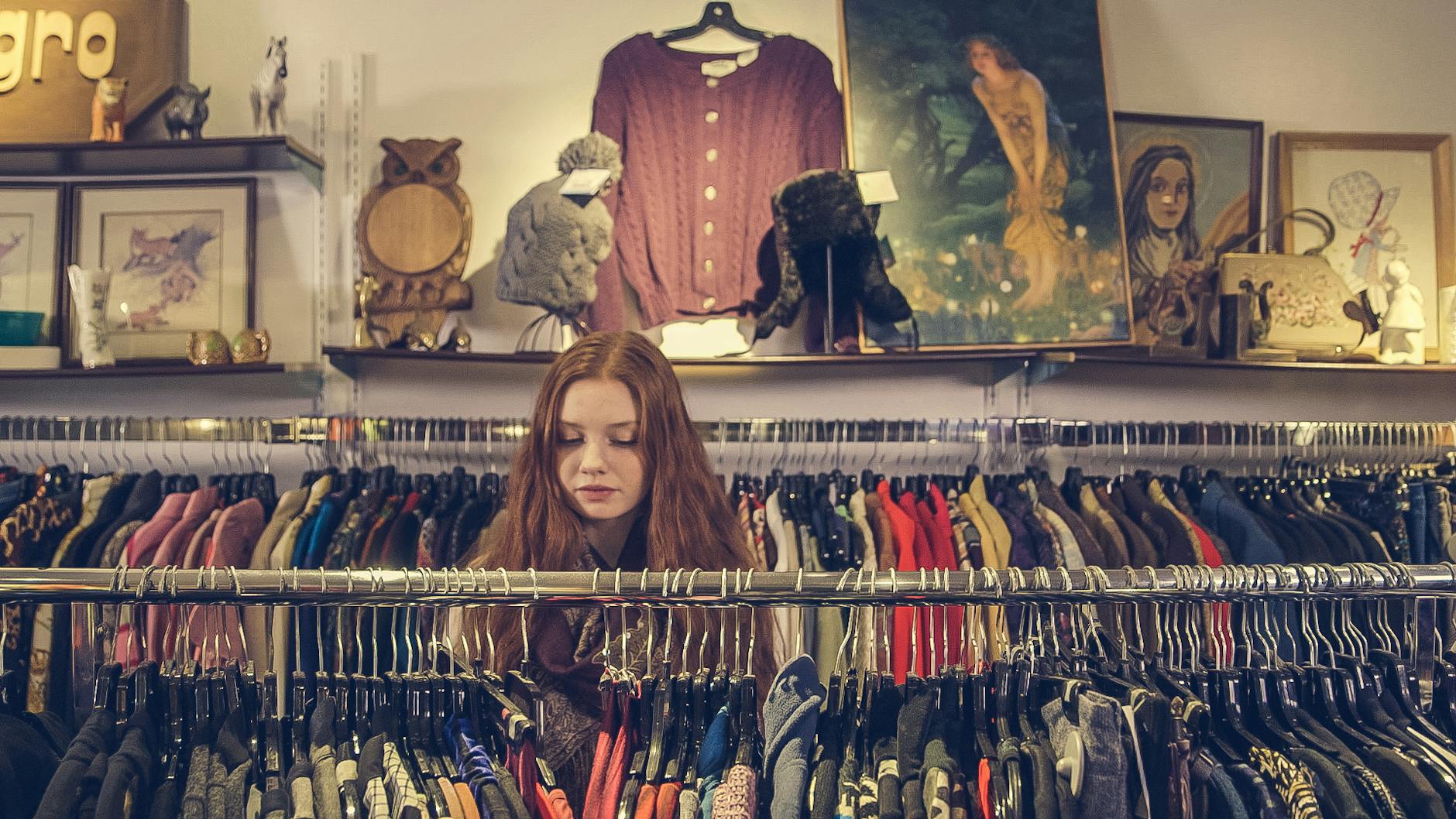
Berlin has the best secondhand shopping in Europe, and the reasons go deeper than the city’s reputation for cool. Three decades of cheap rent gave thrift stores room to thrive in central neighborhoods that would be uneconomical for them anywhere else. The mass apartment clear-outs that followed reunification left a constant supply of high-quality vintage that’s only now beginning to thin out. And Berlin’s club culture means people actually wear vintage daily — it’s not just a stylistic affectation, it’s the practical wardrobe. The result is a thrift scene that runs from massive weight-priced warehouses to carefully curated boutiques where individual pieces sell for hundreds of euros.
This guide is organized by what you’re shopping for and which neighborhoods to target. Whether you’re hunting for affordable everyday vintage, serious archival fashion pieces, or just a coat that fits the look without breaking your budget, Berlin will deliver — but only if you know where to go and what to expect.
Berlin Thrift Shopping at a Glance
| Shop / Type | Neighborhood | Price Range | Best For |
|---|---|---|---|
| Humana Frankfurter Tor | Friedrichshain | €3–30 | Massive selection, bargain hunters |
| Pick’n’Weight | Mitte, Kreuzberg | €40–60/kg | By-the-kilo vintage |
| VEB Orange | Prenzlauer Berg | €10–80 | 1960s-70s curated vintage |
| Garments | Mitte | €80–500+ | Designer vintage, archival |
| Made in Berlin | Mitte | €20–150 | Curated mid-range vintage |
| Sing Blackbird | Kreuzberg | €30–120 | 1950s-80s, café included |
| Paul’s Boutique | Mitte | €30–200 | Sneakers and streetwear vintage |
| Oxfam Berlin | Multiple | €2–25 | Charity, lowest prices |
Humana — Berlin’s Thrift Foundation
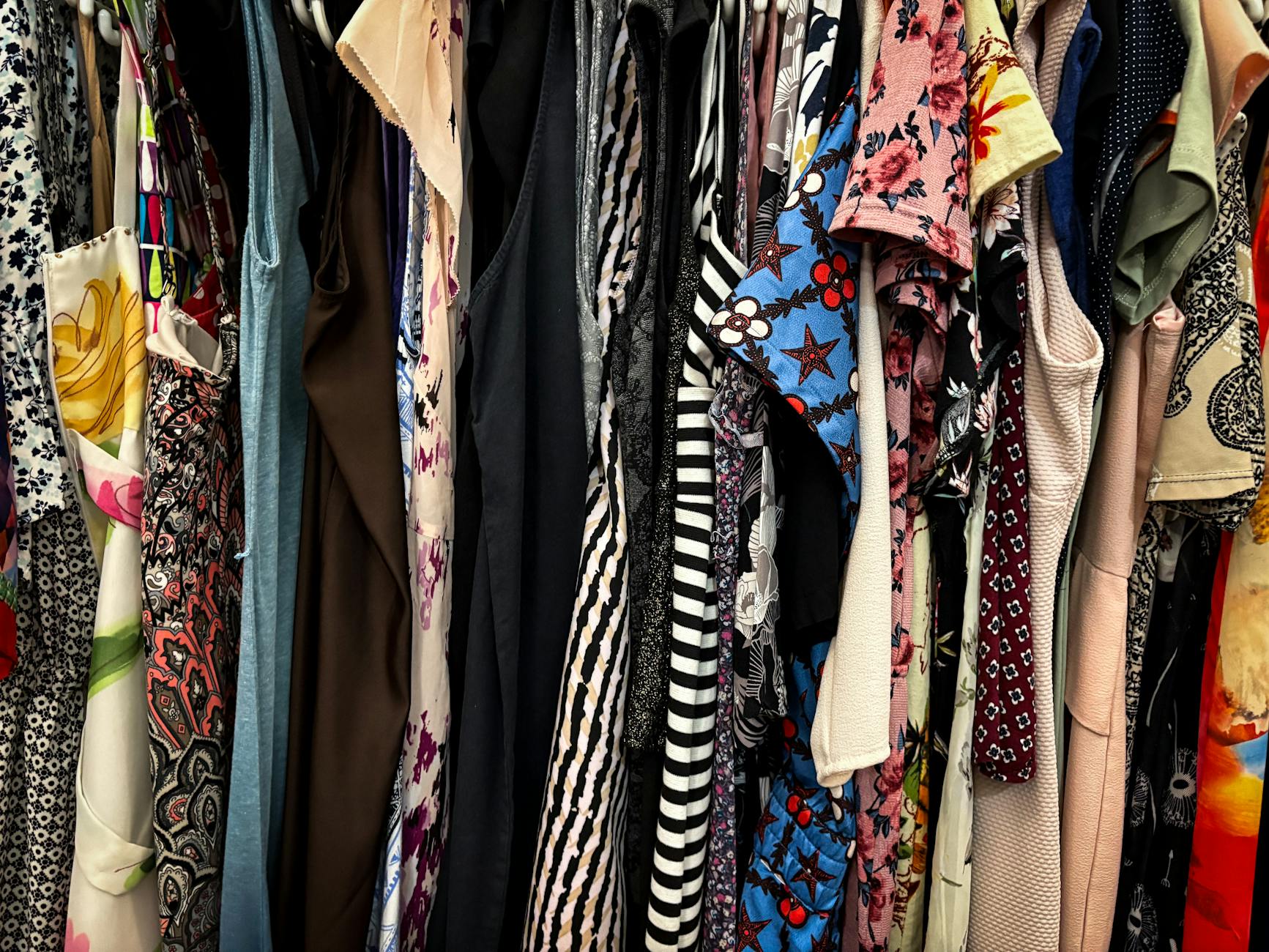
If you do one thrift store in Berlin, make it the Humana at Frankfurter Tor. Three floors, thousands of items, and prices that haven’t risen much in a decade — most pieces sell for €3-15. Humana is technically a Danish charity that operates a massive chain of secondhand stores across Europe, and the Berlin branches are some of the best-stocked. The Frankfurter Tor location is the flagship: women’s clothing and accessories on the ground floor, men’s on the second, vintage and “special” pieces on the third with slightly higher prices but still affordable.
Going to Humana requires a strategy. The selection is overwhelming and the racks are dense. Plan for at least two hours if you want to do it properly. Go early in the day for better stock — new items are added throughout the week but mornings have less competition. Try things on; sizing varies wildly because the stock comes from across Europe. The third floor (vintage) is where you’ll find real 1970s jackets, GDR-era workwear, and the occasional designer piece. There are smaller Humana branches across the city — Alexanderplatz, Karl-Marx-Allee, Friedrichstrasse — but Frankfurter Tor has the deepest stock.
Pick’n’Weight — Vintage Sold by the Kilo
Pick’n’Weight is exactly what it sounds like: a vintage clothing store where you fill a bag and pay by weight (currently €40-60 per kilo depending on the location). The Mitte store on Linienstrasse and the Kreuzberg branch are both well-stocked, and the model rewards visitors who buy multiple pieces. A bomber jacket might cost €25, a t-shirt €3, a wool coat €40 — once you start adding to the bag, the per-item economics work out.
The stock skews 1980s-2000s, with heavy emphasis on denim, leather, sportswear, and oversized silhouettes. Pieces are pre-sorted and reasonably well-organized by type. Avoid going on weekends if you can — Saturday afternoons get crowded enough that the fitting-room queue eats into your shopping time. The Mitte location is easier to combine with central sightseeing; the Kreuzberg location has more of the “rougher” vintage that suits Berlin’s club aesthetic.
VEB Orange — The Curated GDR-Era Shop
VEB Orange in Prenzlauer Berg deserves its own visit even if you’re not buying. The shop specializes in 1960s and 70s East German design — pottery, furniture, lighting, household goods, and a small but excellent clothing selection. Owner Carsten Carlson has been collecting GDR-era pieces for over twenty years, and the curation shows. This is where to come for original Trabant memorabilia in mint condition, authentic VEB-stamped enamelware, original orange plastic kitchen accessories, and the boldly graphic clothing that defined East German design.
Prices are higher than at flea markets — €10-80 for clothing, €30-200 for ceramics and lighting — but the items are verified authentic and in good condition. If you’ve already explored GDR memorabilia options at the flea markets and want something genuinely curated, VEB Orange is the destination. The shop is small, so visits typically take twenty to thirty minutes. Closed Sundays.
Garments and the Mitte Designer-Vintage Scene
For serious designer vintage — Margiela, early Comme des Garçons, Helmut Lang from his Vienna era, archival Issey Miyake — Berlin has a small but growing constellation of high-end vintage boutiques concentrated in Mitte. Garments on Mulackstrasse is the most established. Prices reflect the curation (€80 for basic pieces, €500-2,000 for serious archival items), but the stock is genuinely museum-quality. The staff knows their inventory and the history behind each piece.
Other shops worth knowing about in this category: Voo Store (mixed vintage and contemporary, curated by a former stylist), Acne Studios Vintage selection at their Berlin store, and the smaller boutiques along Almstadtstrasse. The shopping in this area pairs well with a visit to the Hackescher Markt area, which is just a few blocks south.
Made in Berlin and the Mid-Range Curated Shops
Made in Berlin on Neue Schönhauser Strasse hits the sweet spot between Humana’s chaos and Garments’ museum prices. Pieces are €20-150, the selection is intentional rather than dumped, and the staff knows the inventory. Strong on 1970s and 80s pieces, leather goods, and dressier items that are harder to find at the big-volume thrift stores. The shop has a small café attached, which makes it a comfortable stop on a longer walking route.
Sing Blackbird in Kreuzberg is the same model with a different vibe — a vintage shop with an attached café-restaurant where you can actually eat lunch while sorting through what you tried on. The collection skews 1950s-80s women’s clothing with excellent dresses and outerwear. Pair this with a walking tour of Kreuzberg or an evening at one of the area’s bars (see our best bars guide).
Sneakers and Streetwear Vintage
Berlin’s sneaker resale scene is small but serious. Paul’s Boutique on Oderberger Strasse in Prenzlauer Berg is the longest-established sneaker and streetwear vintage shop. Owners specialize in 1990s sportswear (the Champion sweatshirts, the original Helly Hansen, vintage Nike), and the sneaker wall covers deadstock and pre-loved pairs from the 1980s onward. Prices for serious pieces run €100-500.
For everyday sneaker hunting, the regular Humana branches sometimes turn up surprisingly good pairs at €5-15 — patience required. The flea markets at Boxhagener Platz and RAW occasionally have decent sneaker stalls; the prices are random but the negotiation room is large. Avoid the tourist sneaker stores on Kurfürstendamm and around Alexanderplatz — they sell new releases at retail or above and have nothing to do with the vintage scene.
Charity Shops — Oxfam and the Quieter Options
Berlin’s Oxfam shops are slept-on. They’re charity-run, the prices are the lowest in the city (most items €2-15), and the stock turnover is fast because the donations come from across the neighborhood rather than from European wholesale supply chains. The Oxfam at Schlossstrasse in Charlottenburg and the one in Schöneberg both regularly turn up small luxury items that the donors didn’t realize they were giving away.
Other charity options: NochMall (a department store-sized secondhand operation run by Berlin’s waste authority — yes, really) in Reinickendorf is enormous and worth the trip if you want a full half-day of thrift. AWO secondhand shops scattered across the city are quieter and cheaper than Humana. None of these will produce the curated experience of the boutiques, but they reward patient browsing.
Thrift Shopping by Neighborhood
Friedrichshain
The thrift epicenter. Humana Frankfurter Tor anchors a strip of vintage shops along Boxhagener and Simon-Dach-Strasse. Most are walkable from the Frankfurter Tor U-Bahn. Combine with a Sunday flea market visit at Boxhagener Platz for a full-day shopping route. The neighborhood’s bars are good if you want to extend the day into the evening.
Mitte
The premium and mid-range concentration. Mulackstrasse, Linienstrasse, Almstadtstrasse, and Neue Schönhauser Strasse form a walkable triangle with most of the serious curated vintage. Plan three to four hours if you want to do them properly. Prices are highest here, but the curation justifies them.
Kreuzberg
The most eclectic. Pick’n’Weight, Sing Blackbird, and a scatter of smaller shops along Bergmannstrasse and around Kottbusser Tor. The vibe is rougher and the stock more random — good if you’re patient, less good if you have a specific item in mind. Pair with a meal at one of the döner kebab spots in the area.
Prenzlauer Berg
The curated mid-range and the GDR specialists. VEB Orange and Paul’s Boutique anchor a quieter scene around Oderberger Strasse and Kastanienallee. Less volume than Friedrichshain or Mitte, but the stock is intentional. Closes earlier on weekday evenings — plan to start by mid-afternoon.
A Perfect Berlin Thrift Day
If you have one day to dedicate to thrift shopping, here’s the route I recommend. Start at 10:00 at Humana Frankfurter Tor — go early for the best stock and shortest fitting-room queues. Spend ninety minutes to two hours. Walk or take U5 one stop west to the Berghain area and stop at any of the smaller vintage shops on Karl-Marx-Allee. Lunch at one of the cafés on Boxhagener Platz, then a leisurely walk to Pick’n’Weight Kreuzberg via Warschauer Strasse.
Spend an hour at Pick’n’Weight (set a kilo budget before you start), then U1 to Hallesches Tor and walk up to Mitte for the curated shops. Garments, Made in Berlin, and a couple of the smaller boutiques can fill the late afternoon. Finish with a coffee at Hackescher Markt or, if you’ve found something to celebrate, dinner in the area. This route covers the high, mid, and budget tiers in a single day and shows you why Berlin’s thrift scene is what it is.
What to Look For — Berlin-Specific Vintage
A few categories are genuinely better in Berlin than anywhere else and worth focusing on. Original GDR-era workwear and outerwear: the heavy-cotton jackets, the brown corduroy work trousers, the felt slippers — utilitarian, well-made, and now genuinely scarce. 1990s German techno t-shirts: rave-era graphics, original prints from clubs that no longer exist, an entire subculture’s wardrobe. Mid-century German design pottery and ceramics — Bauhaus-influenced shapes that show up at every flea market and several of the curated shops.
For leather goods, Berlin’s selection of vintage motorcycle jackets and biker boots is exceptional, partly because of the long German motorcycle tradition and partly because the punk and techno scenes generated decades of leather wardrobes. Sizing is the issue — vintage leather rarely fits modern proportions perfectly, so try everything on.
Neukölln rewards a secondhand afternoon more than any other district, because the shops sit close together and the neighbourhood around them is worth the walk in its own right. Our Neukölln guide covers the Reuterkiez and Sonnenallee, where to eat in between, and the canal-side market days.
Frequently Asked Questions
Is Berlin good for thrift shopping?
Yes — arguably the best in Europe. The combination of long-standing thrift culture, abundant secondhand supply from post-reunification clearouts, and the city’s club culture (which keeps demand for vintage steady) means Berlin’s selection at every price point is exceptional. Prices have risen but remain reasonable compared to London, Paris, or Amsterdam.
What’s the best thrift store in Berlin?
For volume and value, Humana Frankfurter Tor. For curated vintage with a fair price-to-quality ratio, Made in Berlin in Mitte. For designer vintage, Garments. For by-the-kilo shopping, Pick’n’Weight. The “best” depends on what you’re hunting and how much you want to spend.
When do Berlin thrift stores get new stock?
Humana receives shipments throughout the week, but Monday and Tuesday mornings tend to have the most “new” items on the floor. Pick’n’Weight restocks weekly. Smaller curated shops update more sporadically — Instagram is the best way to track new arrivals at the boutique level. Most shops post when interesting pieces come in.
Can I haggle at Berlin thrift stores?
No, not at the established shops — Humana, Pick’n’Weight, and the curated boutiques all have fixed prices. Haggling is appropriate at flea markets but not at brick-and-mortar thrift stores. Asking for a discount on multiple items occasionally works at the smaller boutiques if you’re spending several hundred euros.
Are Berlin thrift stores cash-only?
Most accept cards now, but bring cash as a backup. Humana, Pick’n’Weight, and the larger boutiques have card readers. Smaller independent shops are sometimes cash-only — check the door for sticker logos before committing to an hour of trying things on.
What’s the difference between Humana and Pick’n’Weight?
Humana sells individual items at fixed prices (mostly €3-30). Pick’n’Weight sells by the kilo (€40-60 per kg), which rewards buying multiple pieces. Humana has more volume and breadth; Pick’n’Weight has tighter curation toward 1980s-2000s vintage. Both are worth visiting on the same trip if you’re serious about thrift shopping.
Where do Berliners actually shop vintage?
Honestly, mostly the Sunday flea markets — Boxhagener, Arkonaplatz, RAW — and Humana for everyday needs. The curated boutiques skew more toward visitors and the local fashion industry. Berliners treat vintage as practical wardrobe rather than as a styling exercise, which means the flea markets are where the everyday turnover happens.
Final Word
The pleasure of Berlin’s thrift scene is the pace — you can spend a full day at it without exhausting the options, and the city is structured so that you can chain shops together with cafés, restaurants, and other small attractions in between. Treat thrift shopping here as part of the way you experience the city’s neighborhoods rather than as a separate activity. The best things I’ve found in Berlin’s secondhand shops were the ones I wasn’t specifically looking for — and that’s the whole point.