Berlin Night Buses Trains: After Midnight Transport Guide (2026)
Complete guide to Berlin night buses trains and after-midnight transit: N-buses, M-trams, weekend 24-hour U-Bahn, prices, and safety tips for 2026.
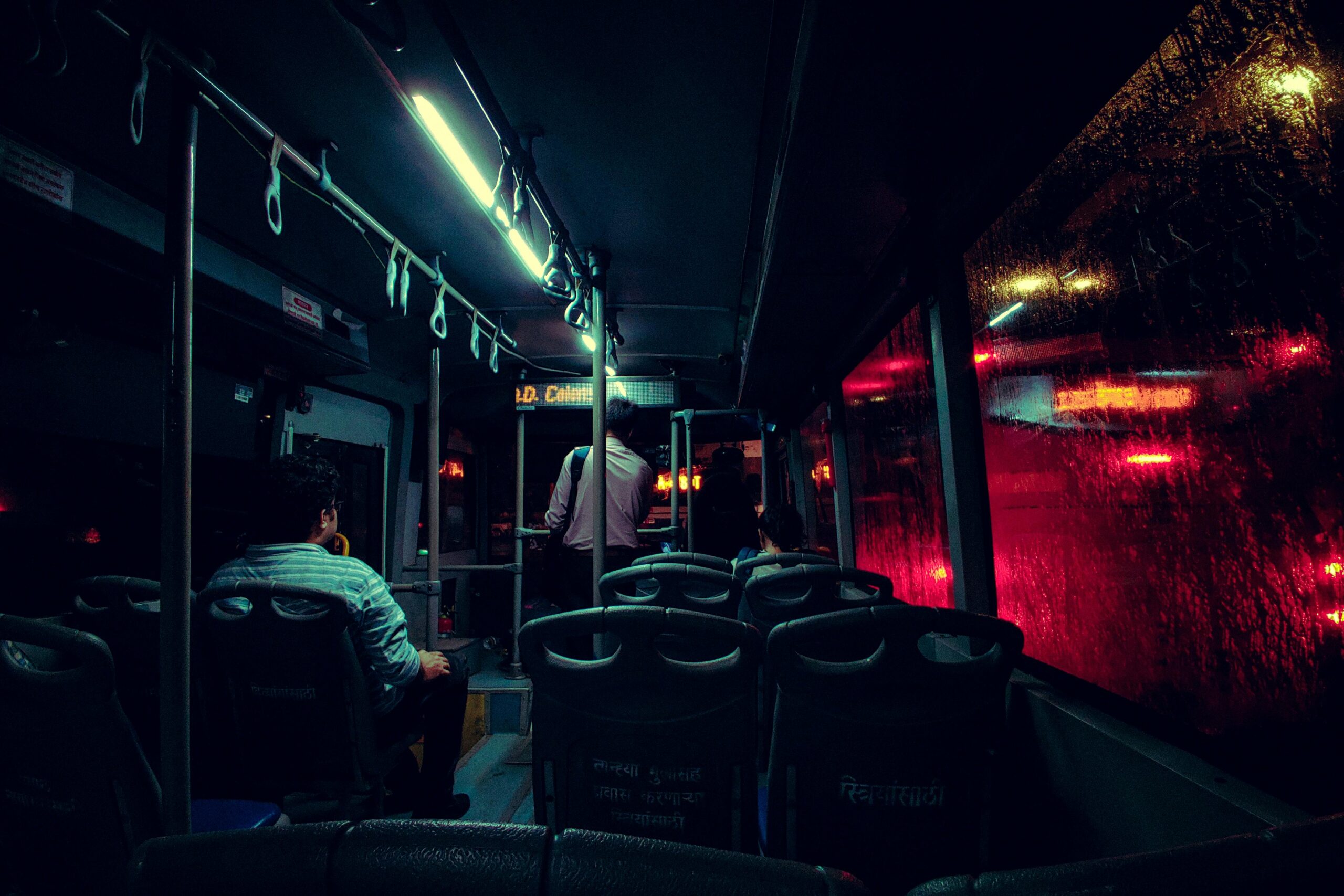
Berlin’s nightlife runs late — Friday and Saturday nights, the city’s clubs don’t close until Monday morning. Which means the question of Berlin night transportation matters more here than in almost any other European capital. The good news: Berlin has one of the best after-midnight transit networks in Europe. The U-Bahn and S-Bahn run 24 hours on weekends, a comprehensive night bus and tram network covers weeknights, and your standard transit ticket works on everything overnight with no surcharge. This guide explains exactly how the system works, with all current 2026 schedules, route info, and practical tips for getting home safely after dark.
Whether you’re catching a 2am drink in Kreuzberg or leaving Berghain at 8am Sunday, here’s how to navigate Berlin after midnight without surprises.
Berlin Night Transportation: The Quick Overview
Berlin’s after-hours transit comes in two distinct modes:
Friday and Saturday Nights (24-hour service)
From around 1am Friday morning through approximately 1am Monday morning, the U-Bahn and S-Bahn run continuously every 15 minutes. This is the most important rule for nightlife travelers: on weekend nights, you can use the regular subway and metro to get home no matter what time it is.
Sunday-Thursday Nights (night bus and tram network)
On weeknights, the U-Bahn and S-Bahn shut down between approximately 12:30am and 4:30am. During this gap, the night bus network (N-buses) and the 24-hour MetroTram (M-tram) network take over. Routes mirror the daytime U-Bahn lines — for example, the N1 night bus follows roughly the same route as the daytime U1.
Pricing
The regular Berlin transit ticket system applies overnight with no surcharge. Your standard AB single (€3.80), day pass (€10.60), or week pass (€43.50) covers all night services. See our BVG tickets guide for full pricing.
The Night Bus Network (N-Buses)
Berlin’s night buses are numbered N1 through N97 and operate Sunday through Thursday nights when the U-Bahn shuts down. Buses run every 15-30 minutes depending on route and time. The system is designed so that:
- N-buses with single-digit numbers (N1-N9) follow the corresponding U-Bahn lines (e.g., N1 follows the U1 route)
- N-buses with higher numbers (N10-N97) cover supplementary routes, including outer districts
- Most night buses converge on Hardenbergplatz (near Bahnhof Zoo) or Alexanderplatz, which act as central transfer points
Key Night Bus Routes
| Route | Mirrors | Notable Stops |
|---|---|---|
| N1 | U1 | Warschauer Strasse — Wittenbergplatz (East Kreuzberg, Tiergarten) |
| N2 | U2 | Pankow — Ruhleben (Prenzlauer Berg, Mitte, Charlottenburg) |
| N5 | U5 | Hauptbahnhof — Hönow (Mitte, Friedrichshain) |
| N6 | U6 | Tegel — Mariendorf (Mitte, Kreuzberg) |
| N7 | U7 | Spandau — Rudow (Charlottenburg, Schöneberg, Kreuzberg) |
| N8 | U8 | Wittenau — Hermannstrasse (Mitte, Kreuzberg, Neukölln) |
| N9 | U9 | Osloer Strasse — Steglitz |
| N42 | U42 | Long-distance east-west across Berlin |
For a comprehensive night transit map, the BVG Fahrinfo app shows all live night routes with departure times. The official BVG website at bvg.de also publishes downloadable PDF maps.
The 24-Hour MetroTram Network (M-Trams)
Berlin’s tram network operates primarily in the eastern districts (a legacy of GDR-era infrastructure that was retained after reunification). Several MetroTram lines (prefixed with “M”) run 24 hours a day, every 30 minutes during the night. These are particularly valuable for nightlife travelers in Friedrichshain and Prenzlauer Berg.
Key Night M-Trams
- M1: Mitte (Am Kupfergraben) → Pankow via Rosenthaler Platz, Eberswalder Strasse
- M2: Alexanderplatz → Heinersdorf via Hackescher Markt
- M4: Hackescher Markt → Hohenschönhausen — important for nightlife near Greifswalder Strasse
- M5: Hauptbahnhof → Zingster Strasse
- M6: Hackescher Markt → Hellersdorf
- M8: Hauptbahnhof → Ahrensfelde
- M10: Hauptbahnhof → Warschauer Strasse — the critical east-west tram for Friedrichshain nightlife
- M13: Warschauer Strasse → Virchow-Klinikum
- M17: Falkenberg → Schöneweide
The M10 deserves special mention — it runs east-west across the entire central north of Berlin and is the easiest way to get home from Friedrichshain clubs to Mitte or Prenzlauer Berg accommodations any time, any day.
Weekend U-Bahn and S-Bahn (24-Hour Service)
From approximately 1am Friday morning through 1am Monday morning, all U-Bahn lines and all S-Bahn lines run 24 hours per day at 15-minute intervals. This is the most important rule for tourists planning Berlin nightlife around weekends.
Practical implications:
- You can stay out as late as you want on Fri/Sat nights without thinking about transit timing
- Many clubs (Berghain, RSO, Sisyphos) extend operating hours through Sunday morning specifically because the transit supports it
- The ride home from Berghain at 7am Sunday is a 10-minute U1 from Warschauer Strasse to wherever you’re staying
Berlin Night Transportation by District
Mitte
Excellent overnight coverage. N5 (mirrors U5), N6 (mirrors U6), and night M-trams M2/M5/M8 all converge on Alexanderplatz. Hauptbahnhof is a major night bus hub. From Mitte you can reach virtually anywhere by 2-3 transfers.
Friedrichshain
Critical for nightlife travelers — Berghain, RSO, OST, and the RAW area cluster here. The M10 tram is your best friend, running 24 hours. The M13 covers north-south. On weekends, the U1, U3, S3, S5, S7, S9 from Warschauer Strasse give 24-hour direct connections to the city center.
Kreuzberg
The N1 covers the U1 route through the heart of nightlife Kreuzberg, including Schlesisches Tor, Görlitzer Park, and Kottbusser Tor. The N8 also serves the area. M-tram M1/M10 runs to the Mitte border. Weekend U-Bahn 24-hour service makes things much easier.
Prenzlauer Berg
The M1 tram (24-hour on M-line) runs through the heart of the neighborhood. N2 mirrors the U2. From Prenzlauer Berg, all major nightlife districts are within 20-30 minutes by night transport.
Charlottenburg and Schöneberg
Lower nightlife density but well-served by night buses. N1, N2, N7, N9 all cover the area. Bahnhof Zoo and Wittenbergplatz are key transfer points.
Neukölln
The N7 and N8 cover most of the area. Hermannplatz is the critical transfer point. M-tram coverage is limited in southern Neukölln.
How to Plan a Night Journey
Use the BVG App
The BVG Fahrinfo (or Jelbi) app shows live arrival times for all night services. Enter your origin and destination, and the app will route you via the appropriate night bus, tram, or weekend U/S-Bahn. Available in English.
Print or Screenshot the Night Map
The official BVG night network map (downloadable from bvg.de) shows all N-bus and night tram routes on a single page. Useful as a backup if your phone runs out of battery.
Know the Transfer Points
The major night transit hubs in Berlin are:
- Alexanderplatz — central and well-served by every night bus and tram in the eastern half of the city
- Hardenbergplatz / Bahnhof Zoo — west Berlin equivalent, hub for N1-N9 night buses
- Hermannplatz — Neukölln/Kreuzberg transfer point
- Warschauer Strasse — central for Friedrichshain
- Hauptbahnhof — main rail station, M5/M8/M10 trams converge plus N5/N6 buses
Berlin Night Buses Trains: Pricing
All Berlin night transit operates on the same ticket system as daytime services with no surcharge. Useful tickets for late-night travelers:
- Single ticket (Einzelfahrausweis) AB: €3.80 — valid for 2 hours, one direction
- Day ticket AB: €10.60 — valid 24 hours from validation; pays for itself with 3+ rides
- 7-day ticket AB: €43.50 — best for week-long nightlife trips
- Group day ticket (5 people) AB: €31.00 — excellent value for groups of clubbers
Buy via the BVG app, at vending machines (English language available), or from bus drivers. See our BVG tickets guide for the full breakdown.
When to Take a Taxi or Rideshare Instead
Even with great night transit, sometimes a taxi makes more sense. Consider rideshare or taxi when:
- Your destination is far from any night bus or tram route (rare in central Berlin)
- You’re traveling in a group of 3+ where the per-person taxi cost competes with transit
- You’re carrying heavy items, dressed up, or simply too tired
- The wait for a night bus exceeds 25-30 minutes
- You have an early flight after a club night
Berlin taxis are reasonably priced (€2-€3 base, €2-€2.50/km). Uber, Bolt, and FreeNow all operate, with Bolt typically offering the cheapest rates. After 5am Friday-Sunday morning, queues can build outside major clubs — pre-book if you have a flight or a strict timing.
Safety Tips for Berlin Night Travel
Berlin’s transit is generally safe at all hours, even compared to other major European cities. That said, common-sense precautions apply:
- Travel in pairs after 3am if possible
- Stay in well-lit, busier sections of stations and stops
- Keep your phone charged enough for the journey home
- Avoid Kottbusser Tor area late at night if alone — there’s an open drug scene that doesn’t usually target tourists but can feel unsettling
- Use registered taxi or rideshare apps rather than unmarked cars
- Don’t display valuables on the train; keep your phone secure
- If you feel uncomfortable on a bus or tram, get off at the next well-lit stop and either continue on foot or call a taxi
Berlin transit has CCTV throughout, and emergency intercoms at every U-Bahn and S-Bahn station. For more, see our Berlin safety tips.
External Resources
For additional, authoritative information on Berlin night buses trains, the following sources are useful:
Quick Reference: Berlin Night Buses Trains
This berlin night buses trains guide is updated for 2026 with current pricing, schedules, and recommendations. Use this berlin night buses trains resource as your one-stop reference, and bookmark for return visits. For travelers researching berlin night buses trains alongside other Berlin topics, see our linked guides for related coverage.
Frequently Asked Questions
What time does Berlin public transportation stop running?
Sunday-Thursday nights: U-Bahn and S-Bahn shut down at approximately 12:30am-1am, restarting at 4:30am. Night buses (N-buses) and 24-hour MetroTrams cover the gap. Friday-Saturday nights: U-Bahn and S-Bahn run continuously every 15 minutes.
How do night buses work in Berlin?
N-buses are numbered N1-N9 (mirroring U-Bahn lines) and N10-N97 (supplementary routes). They run every 15-30 minutes during weeknights. Use the BVG app for live arrival times.
Are Berlin night buses safe?
Yes — Berlin night buses are generally safe and well-monitored. Standard nighttime urban precautions apply: travel in pairs when possible, stay in well-lit areas, keep valuables secure.
How much does Berlin night transportation cost?
The same as daytime transit. A standard single AB ticket (€3.80), day pass (€10.60), or week pass (€43.50) covers all night services with no surcharge.
Do I need a special ticket for the night bus?
No — your regular BVG ticket works on all night services. There is no night surcharge.
What’s the latest Berlin U-Bahn?
Sunday-Thursday: approximately 12:30am-1am (last train of the night). Friday-Saturday: 24-hour continuous service.
How do I get from Berghain home at 7am Sunday?
Easy — Berghain is a 10-minute walk from Warschauer Strasse, where the U1, U3, S3, S5, S7, S9, and night M10 tram all run 24 hours on weekends. Catch any of them home.
Are there 24-hour trains in Berlin during the week?
No — only on weekend nights (Fri-Sat and Sat-Sun). On weeknights, night buses and MetroTrams (M-lines) take over.
What’s the Berlin night transportation network’s biggest hub?
Alexanderplatz is the densest night transit interchange in central Berlin. Hardenbergplatz / Bahnhof Zoo serves the western half. Both have multiple night buses and trams meeting throughout the night.
Final Verdict: Berlin Night Buses Trains
Berlin’s after-midnight transit is one of the city’s underrated assets. Weekend 24-hour U-Bahn and S-Bahn coverage make late-night clubbing easy without taxis. Weeknight night buses and 24-hour MetroTrams fill the gap thoroughly enough that most travelers never need to think about taxis. Combined with cheap pricing (no night surcharge), the system makes Berlin one of Europe’s most accessible cities for after-dark exploration.
For broader transit context, see our Berlin transportation guide, Berlin U-Bahn & S-Bahn guide, and where to stay in Berlin for nightlife.