Berlin Transportation Guide: Trains, Buses, Bikes & More (2026)
Navigate Berlin like a local. Complete guide to U-Bahn, S-Bahn, buses, bikes, and getting from BER airport to the city center.
Getting Around Berlin: Your Complete Transportation Overview
Berlin’s public transportation network is one of the most comprehensive in Europe, connecting every corner of a city that spans nearly 900 square kilometers. Whether you’re heading from the Brandenburg Gate to Museum Island or making the journey from BER Airport to your hotel in Kreuzberg, the system is efficient, affordable, and surprisingly easy to navigate once you understand the basics.
This Berlin public transportation guide covers everything you need to know about the city’s trains, buses, trams, bikes, and taxis — including current 2026 ticket prices, the best apps to download, and the insider tips that will save you both time and money.
Understanding Berlin’s Fare Zones: AB vs. ABC
Before buying any ticket, you need to understand Berlin’s three-zone fare system. Zone A covers the city center inside the S-Bahn ring (Ringbahn). Zone B extends from the ring to the city limits. Zone C reaches beyond Berlin into the surrounding Brandenburg region, including Potsdam and BER Airport.
Most tourists only need an AB ticket. The exception is if you’re traveling to or from BER Airport or visiting Potsdam — both require a zone C ticket. A common mistake is buying an ABC ticket for your entire trip when you only need the C extension for one or two journeys. You can save money by purchasing AB passes and adding single C-extension tickets (Anschlussfahrausweis) when needed.
All tickets are valid across every mode of BVG and S-Bahn transport within the purchased zones — U-Bahn, S-Bahn, trams, buses, and ferries. One ticket, one system — that’s what makes Berlin public transportation so convenient for visitors.
The U-Bahn: Berlin’s Underground Railway
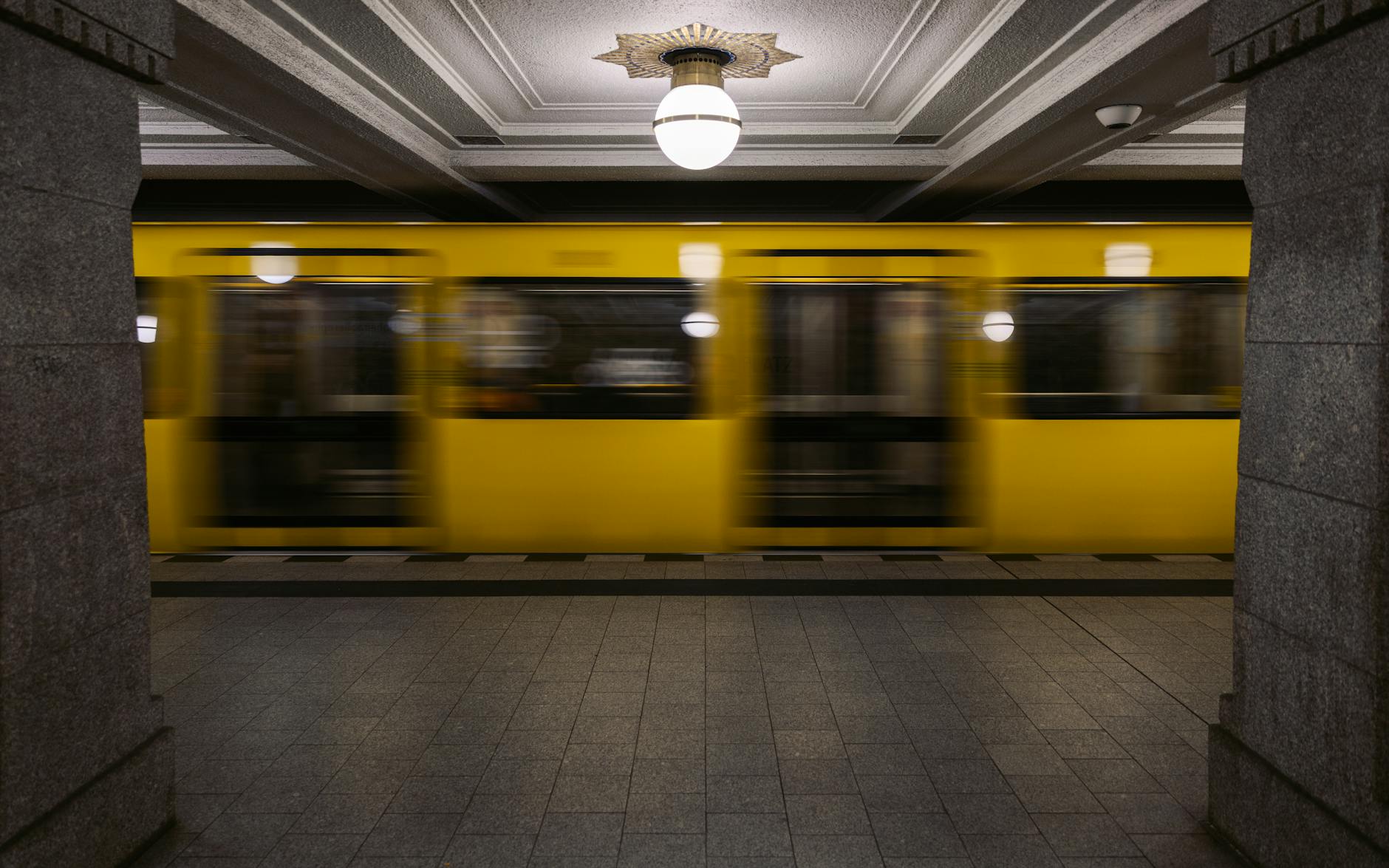
The U-Bahn (Untergrundbahn) is Berlin’s metro system, operated by BVG. With 10 lines, 175 stations, and over 146 kilometers of track, it’s the backbone of getting around the city. Trains run from approximately 4:00 AM until 1:00 AM on weekdays, and 24 hours on Friday and Saturday nights.
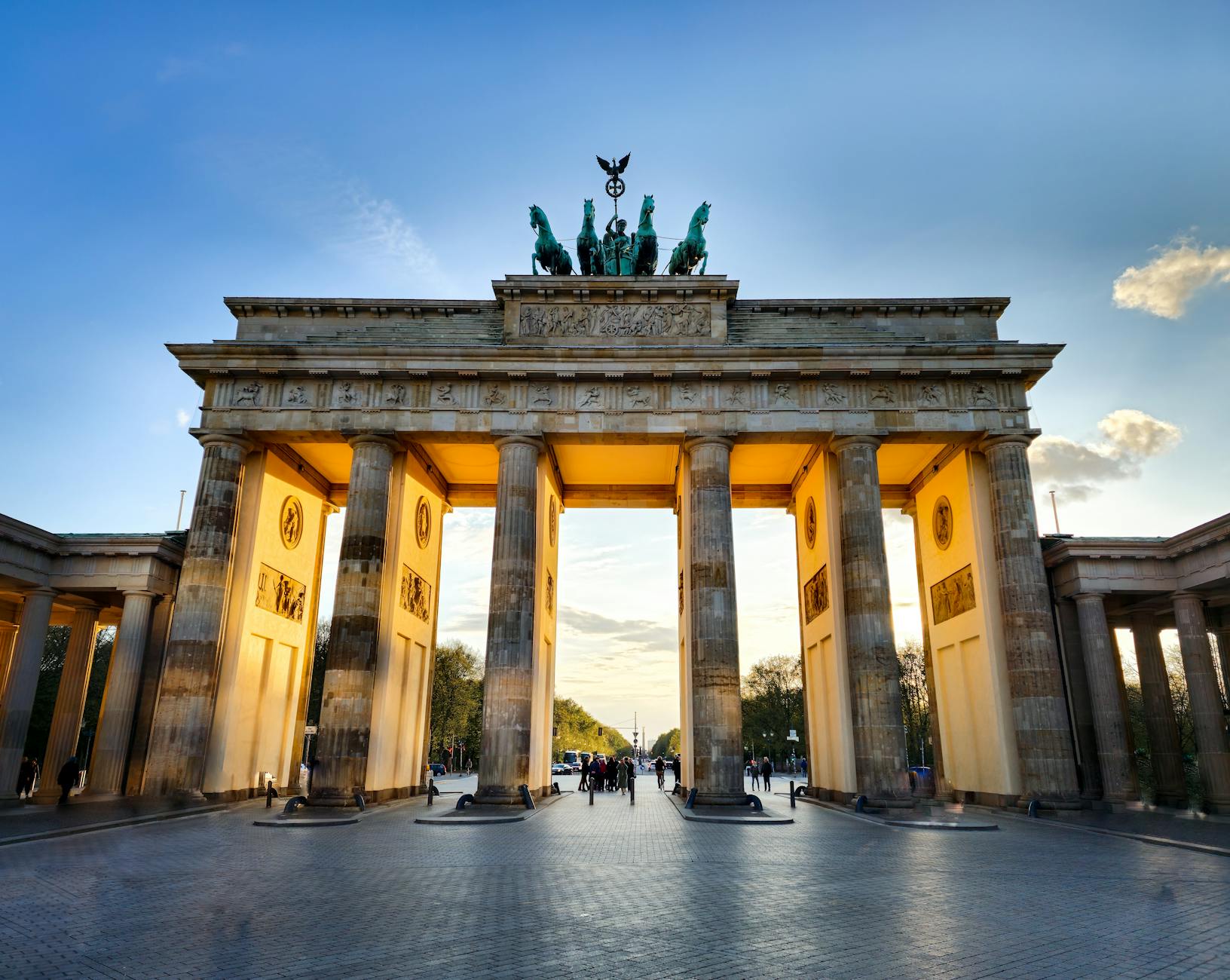
For tourists, certain U-Bahn lines are particularly useful. The U2 connects Alexanderplatz, Potsdamer Platz, and the Zoo station area in Charlottenburg — three major tourist hubs in one line. The U5 runs from Berlin Hauptbahnhof (the main train station) through Brandenburger Tor, Unter den Linden, and Alexanderplatz, making it ideal for sightseeing in the historic center. The U6 passes through Friedrichstraße and connects to Tempelhof, where you can visit the former airport turned public park.
The U1 and U3 deserve special mention because they run on an elevated track through Kreuzberg, offering excellent views of the neighborhood from above street level. The stretch between Schlesisches Tor and Warschauer Straße crosses the Oberbaum Bridge — one of the most photographed spots in Berlin.
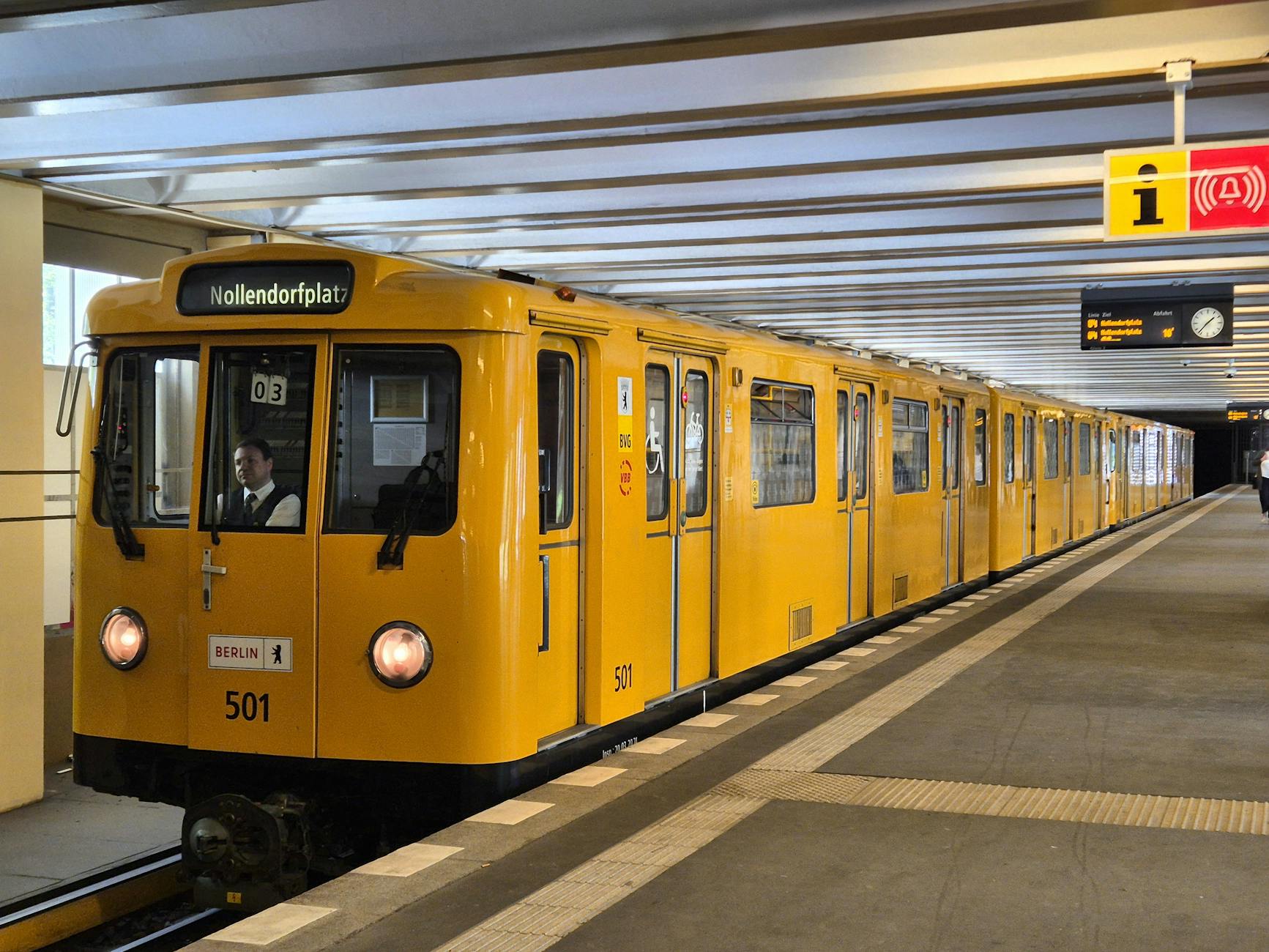
U-Bahn stations in Berlin operate on an honor system. There are no turnstiles or gates — you simply validate your ticket at the yellow or red stamping machines on the platform before boarding. However, plainclothes inspectors (Kontrolleure) regularly check tickets, and the fine for riding without a valid ticket is €60. They check more frequently than many visitors expect, so always have your validated ticket ready.
The S-Bahn: Berlin’s Suburban and City Rail
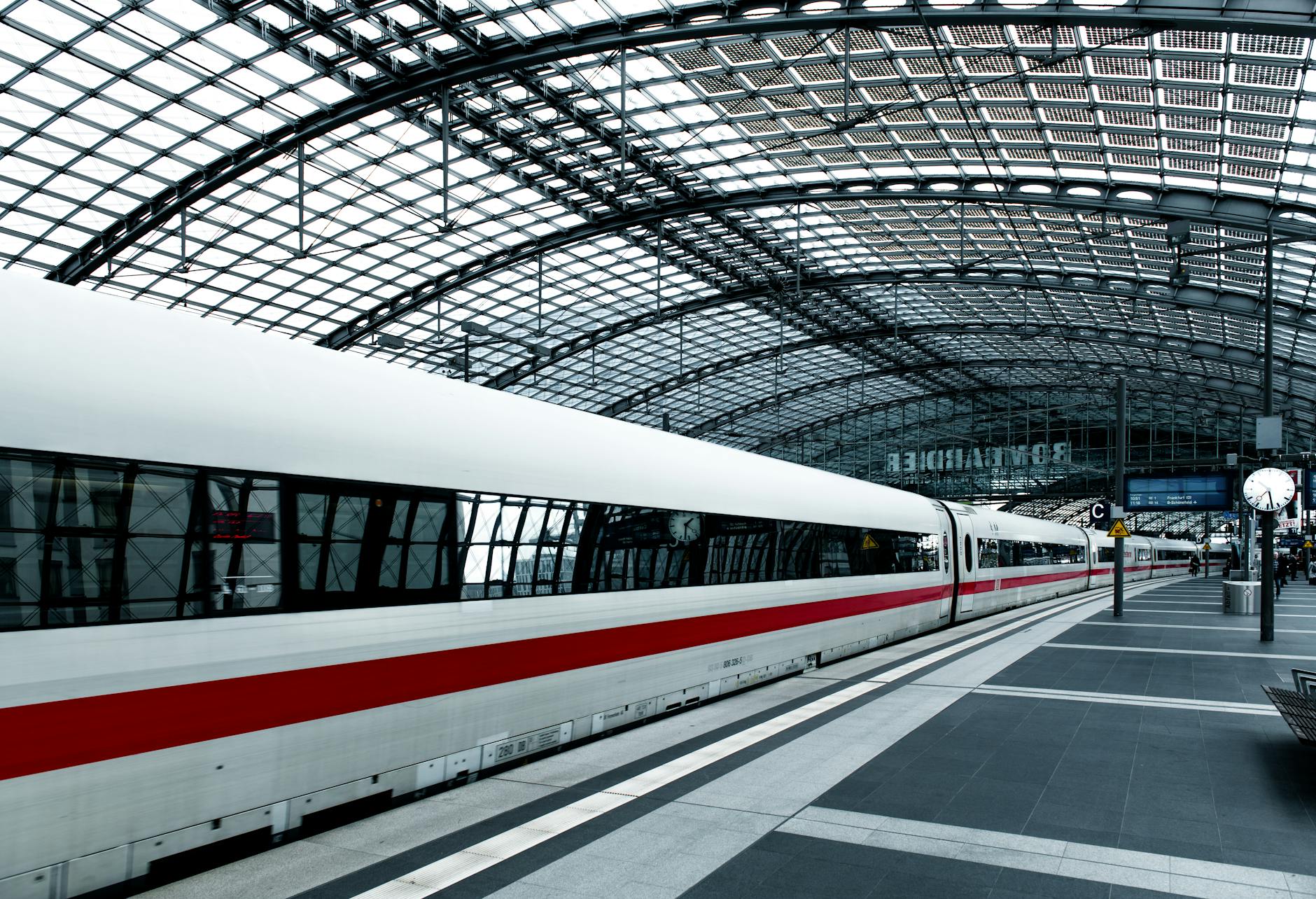
The S-Bahn (Stadtschnellbahn) complements the U-Bahn with 16 lines covering a wider area, including connections to the outer boroughs and surrounding Brandenburg. While the U-Bahn handles short inner-city hops, the S-Bahn is better for covering longer distances quickly.
The most iconic S-Bahn route is the Ringbahn — the circular lines S41 (clockwise) and S42 (counterclockwise) that loop around central Berlin. The full circle takes about 59 minutes and passes through 27 stations. It’s an efficient way to move between major interchange stations like Westkreuz, Südkreuz, Ostkreuz, and Gesundbrunnen without passing through the congested city center.
Key S-Bahn lines for visitors include the S1 (which connects to Potsdam and its palaces), the S7 (running through the city center between Westkreuz and Ostkreuz via Zoologischer Garten and Friedrichstraße), and the S9 (connecting the city center to BER Airport).
S-Bahn trains run every 5 to 10 minutes on most lines during peak hours and every 10 to 20 minutes at off-peak times. Like the U-Bahn, S-Bahn trains run 24 hours on weekends, though with reduced frequency during late-night hours.
Buses and Trams: Seeing Berlin at Street Level
Berlin’s Bus Network
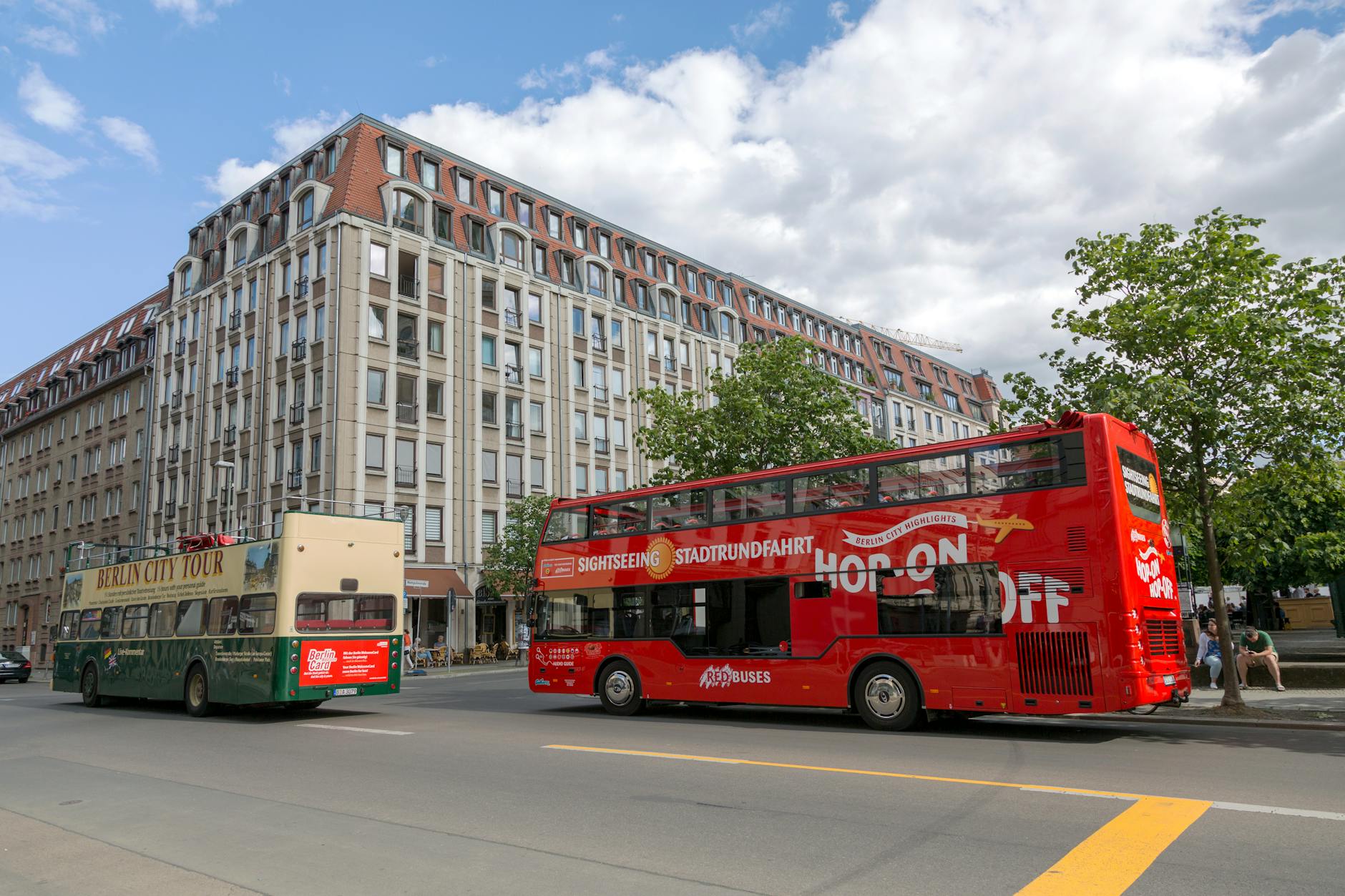
Berlin operates one of the largest bus networks in Germany, with over 150 routes covering areas where rail doesn’t reach. For tourists, the Bus 100 and Bus 200 are legendary — they run between Zoologischer Garten and Alexanderplatz, passing virtually every major landmark in western and central Berlin. The route takes you past the Victory Column, the Reichstag, Brandenburg Gate, and Unter den Linden. It’s essentially a free sightseeing tour with a standard transit ticket, making it one of the best budget travel tips for Berlin.
Express buses (marked with an “X”) make fewer stops for faster service on longer routes. MetroBuses (marked with an “M”) run on high-demand routes with extended operating hours, many running 24 hours.
Berlin’s Tram Network
Trams (Straßenbahn) operate primarily in eastern Berlin, a legacy of the city’s divided past. The network covers 190 kilometers and is operated by BVG. Trams are particularly useful for getting around Prenzlauer Berg, Friedrichshain, and Mitte’s eastern sections.
The M10 tram — nicknamed the “Party Tram” — is perhaps the most famous line among visitors. It runs from Hauptbahnhof through Prenzlauer Berg to Friedrichshain, connecting some of Berlin’s liveliest nightlife and dining districts. The M1 is useful for reaching the Hackescher Markt area near Museum Island.
MetroTram lines (prefixed with “M”) operate 24 hours a day, making them particularly valuable for getting around late at night in the eastern districts. Regular tram lines run from approximately 4:30 AM to 1:00 AM.
Night Transportation: Getting Around After Midnight
Berlin’s nightlife is famous for running until dawn, and Berlin public transportation keeps up. On Friday and Saturday nights, U-Bahn and S-Bahn trains run throughout the night on most lines, though with reduced frequency (typically every 15 minutes).
On weeknights (Sunday through Thursday), when U-Bahn service stops around 1:00 AM, a comprehensive night bus network takes over. Night buses are numbered N1 through N9 and follow routes that roughly mirror the corresponding U-Bahn lines. For example, the N1 follows the U1 route, the N2 follows the U2 route, and so on. This makes it easy to figure out which night bus to take — just find the N-bus matching your usual U-Bahn line.
MetroTram and MetroBus lines also continue through the night, providing additional coverage in eastern and outer districts. You can use the same tickets for night services — no surcharge applies.
2026 BVG Ticket Prices and Passes
Berlin public transportation tickets are valid across all modes of transit (U-Bahn, S-Bahn, buses, trams, and ferries) within the purchased fare zones. Here are the current 2026 prices for the most commonly used tickets:
Single tickets: A single ride in zones AB costs €4.00, while an ABC ticket costs €5.00. Each single ticket is valid for two hours in one direction — you can transfer between any modes of transport but cannot make a return journey. The Kurzstrecke (short trip) ticket costs €2.80 and covers three stops on the U-Bahn or S-Bahn, or six stops on a bus or tram. It’s ideal for quick hops between nearby stations.
Day passes: A Tageskarte (day ticket) for zones AB costs €11.20 and is valid until 3:00 AM the following day. If you plan to take three or more rides in a day, the day pass pays for itself. The small group day ticket (up to 5 people) costs €28.80 for AB zones — an excellent deal for families or groups traveling together.
Multi-day passes: A 7-day ticket for zones AB costs €36.00, which works out to just €5.14 per day — less than half the cost of a single day pass. For stays of four days or longer, the 7-day ticket is almost always the best value.
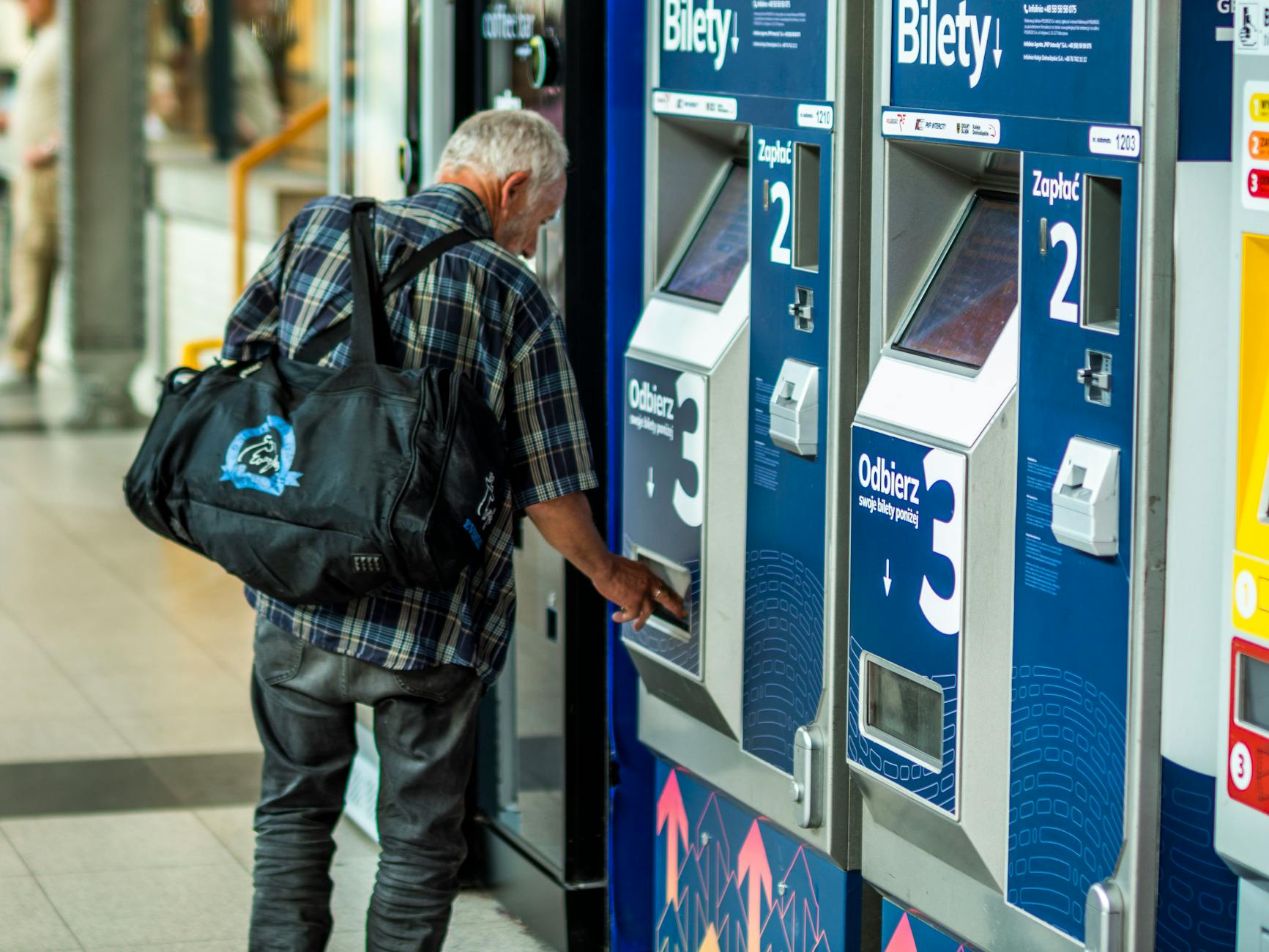
Where to buy: Tickets are available from yellow vending machines at every U-Bahn and S-Bahn station, on board trams (from the driver), through the BVG app (Fahrinfo), and at BVG service centers. The BVG app is the most convenient option — it sells digital tickets that don’t require validation, and it includes a journey planner.
Berlin Welcome Card vs. Museum Pass
If you’re planning heavy sightseeing, two tourist passes deserve consideration. The Berlin Welcome Card combines unlimited public transport with discounts of up to 50% at over 200 attractions, restaurants, and tours. The Classic version starts at €28.50 for 48 hours (AB zones). The Museum Pass Berlin costs €32 for three consecutive days and grants free admission to over 30 museums on Museum Island and throughout the city, but does not include transit.
Which is better value depends on your itinerary. If you’re planning to visit three or more major museums, the Museum Pass often saves more than the Welcome Card’s percentage discounts. For visitors focused on a mix of sightseeing, dining, and tours, the Welcome Card’s broader discount range may be more useful. You can also combine both — buy the Museum Pass for museums and a separate transit pass for transportation.
We break down the full comparison, including a calculator for your specific plans, in our detailed Berlin Welcome Card vs. Museum Pass guide.
Getting from BER Airport to Central Berlin
Berlin Brandenburg Airport (BER) is located about 25 kilometers southeast of the city center in fare zone C. Several transportation options connect the airport to central Berlin, each with different trade-offs between speed, cost, and convenience.
The FEX (Airport Express) is the fastest public transit option, reaching Berlin Hauptbahnhof in approximately 23 minutes. It runs every 30 minutes and costs €5.00 (ABC single ticket). The FEX also stops at Südkreuz and Gesundbrunnen stations. This is the best option for most visitors staying near the Hauptbahnhof or in Mitte.
The S9 S-Bahn takes longer (about 50 minutes to Alexanderplatz) but runs more frequently and connects to more stations along the way, including Ostkreuz, Warschauer Straße, and Alexanderplatz. It uses the same €5.00 ABC ticket. Choose the S9 if your hotel is in Friedrichshain or eastern Mitte.
The X7 Express Bus connects BER to U-Bahn station Rudow (U7 line) in about 15 minutes, from where you can transfer to the U-Bahn. Total journey time to central Berlin is 45-55 minutes. This option uses the same ABC ticket and is useful if your destination is along the U7 line (Neukölln, Kreuzberg).
Taxis from BER to the city center cost approximately €60-75, depending on your destination and traffic. The journey takes 30-45 minutes. Taxis in Berlin use meters and are regulated — agree on the metered fare rather than a flat rate. Ride-sharing services like Uber and Bolt also operate from BER at similar or slightly lower prices.
For a complete breakdown of all airport transfer options, see our dedicated Berlin Airport to City Center guide.
Cycling in Berlin
Berlin is one of Europe’s most bike-friendly cities, with over 620 kilometers of dedicated cycling paths and largely flat terrain. Many Berliners use bicycles as their primary mode of transport, and the infrastructure supports it — most major streets have separated bike lanes, and drivers are accustomed to sharing the road.
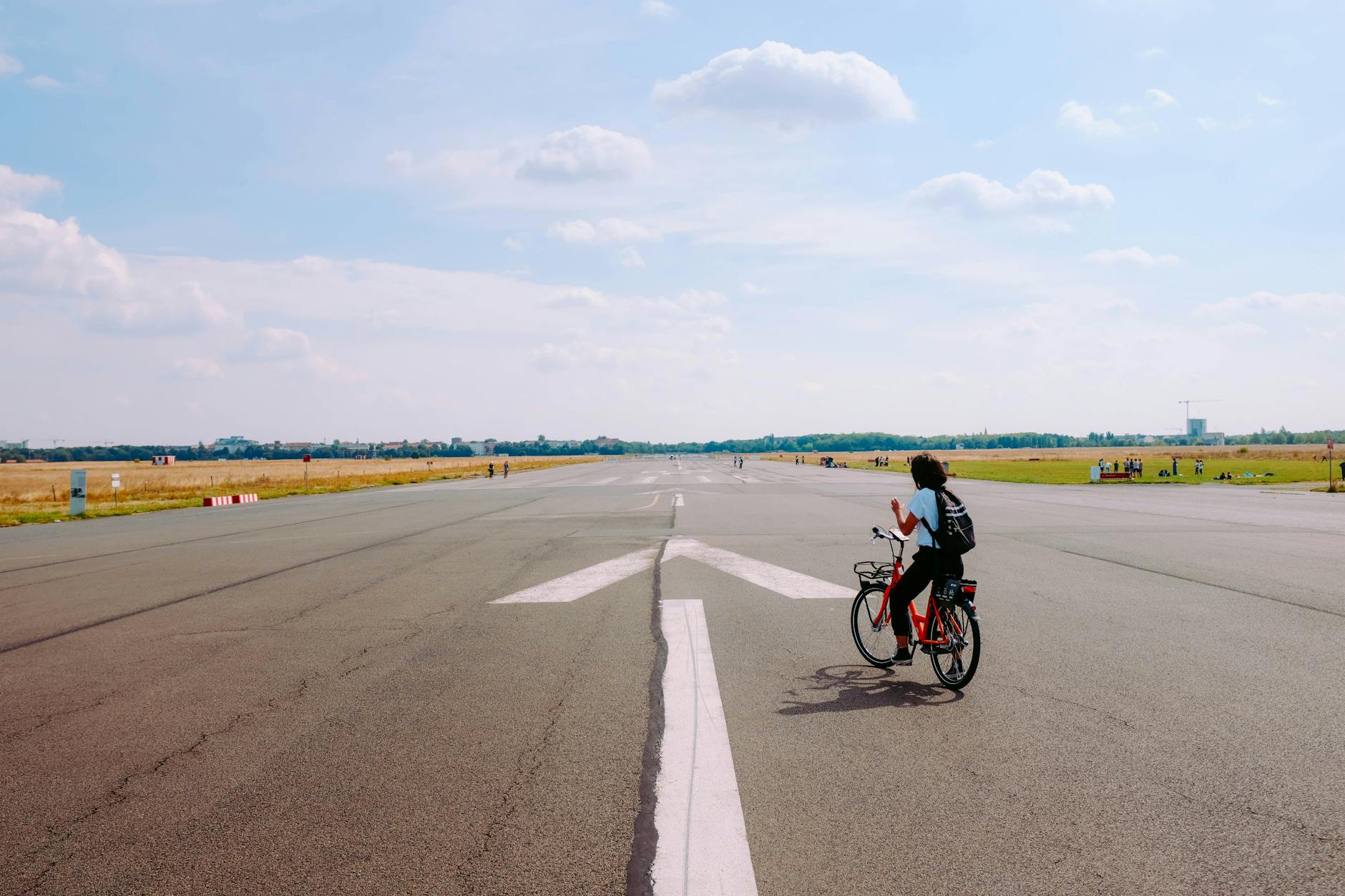
Several bike-sharing services operate across the city. Nextbike (operated by Lyft) and Lime are the most widely available, with bikes and e-bikes scattered throughout the central districts. Pricing typically starts at €1 to unlock plus €0.15-0.20 per minute, though passes are available for frequent use. The bikes are GPS-tracked and can be picked up and dropped off at designated stations or anywhere within the service area.
For longer or more comfortable rides, renting from a dedicated bike shop is often better value. Day rentals typically cost €10-15 from shops in tourist areas like Mitte and Friedrichshain. Many hotels also offer bikes to guests, sometimes for free.
Key cycling tips for Berlin: always use the designated bike lanes (cycling on sidewalks is illegal and fined), signal your turns with hand gestures, and invest in a good lock if you’re leaving your bike unattended. Bike theft is common in Berlin, particularly with unlocked or poorly locked bikes. Most importantly, watch for tram tracks — they can catch thin bike tires and cause falls, especially when wet.
Our Berlin by Bike guide covers the best cycling routes, rental options, and safety tips in detail.
Accessibility on Berlin Public Transport
Berlin has made significant progress in making its public transportation system accessible. Approximately 86% of U-Bahn stations are now step-free with elevators, though some older stations on lines like the U1 and U6 still lack full accessibility. The BVG website and app indicate which stations have elevators and whether they’re currently in service — always check before your journey if step-free access is essential.
All BVG buses are low-floor and wheelchair accessible, with ramps that drivers deploy on request. Trams feature low-floor sections, and newer models are fully step-free. S-Bahn platforms are generally level with train doors, though the gap can vary at older stations.
Wheelchair users and people with severe disabilities can travel free on Berlin public transport with a valid German disability pass (Schwerbehindertenausweis) with the “B” marking. Companions also travel free. Visitors with mobility challenges should download the BVG app, which offers barrier-free journey planning that avoids stations without working elevators.
For comprehensive accessibility information, see our Berlin Accessible Transportation guide.
Essential Apps for Berlin Transportation
Having the right apps makes navigating Berlin public transportation significantly easier. The BVG Fahrinfo app is the official journey planner and ticket shop — it covers all BVG services plus S-Bahn, shows real-time departures, and lets you buy digital tickets without needing to find a machine. It’s the single most useful app for getting around Berlin.
The DB Navigator app from Deutsche Bahn is useful for S-Bahn schedules and regional train connections beyond Berlin. Google Maps and Citymapper both provide reliable public transit directions for Berlin, with Citymapper offering more detailed transfer instructions and alternative route comparisons.
For bike-sharing, download the Nextbike and Lime apps before you arrive. For taxis and ride-sharing, FREE NOW (formerly myTaxi) is the dominant taxi app in Berlin, while Uber and Bolt offer ride-sharing alternatives.
Money-Saving Tips for Berlin Transit
A few strategies can significantly reduce your Berlin public transportation costs. First, do the math on passes versus single tickets before your trip. If you’re staying three days or more and plan to use transit regularly, the 7-day ticket at €36.00 is almost always the best deal — it costs less than buying day passes for four or more days.
Take advantage of the Kurzstrecke (short trip) ticket for quick journeys of three stops or less on the U-Bahn or S-Bahn. At €2.80, it’s 30% cheaper than a full single ticket. Many common tourist trips — like Alexanderplatz to Hackescher Markt, or Zoologischer Garten to Savignyplatz — fall within the short trip range.
The small group day ticket (€28.80 for up to 5 people in AB zones) is an exceptional deal for families or groups. Compare: five individual day passes would cost €56.00, so the group ticket saves nearly 50%.
Consider walking for shorter distances. Berlin’s central attractions are more walkable than many visitors realize — Brandenburg Gate to Checkpoint Charlie is only about 1.5 kilometers, and the walk takes you through some of Berlin’s most interesting streets. Bus 100 is free with any valid transit ticket and passes major landmarks, making it a smart alternative to paid sightseeing tours.
For more detailed strategies on optimizing your transit spending, see our BVG Tickets and Passes guide.
Practical Tips for Using Berlin Public Transport
Validate your ticket. Paper tickets purchased from machines must be stamped in the yellow or red validation machines before boarding. Unstamped tickets are treated as no ticket at all, and inspectors will issue a €60 fine regardless of your explanation. Digital tickets purchased through the BVG app are automatically validated at the time of purchase.
Mind the doors. U-Bahn and S-Bahn doors do not reopen automatically if something is in the way. You must press the button (green or illuminated) to open the doors at each stop. On older trains, you may need to lift a handle. Do not hold doors open — they close with significant force, and trains will not wait.
Stand on the right. On escalators, stand on the right side and leave the left side free for people walking past. This is a deeply ingrained social norm in Berlin, and blocking the left side will earn you sharp looks and audible sighs.
Peak hours. Rush hour runs from about 7:30-9:30 AM and 4:30-6:30 PM on weekdays. The U-Bahn and S-Bahn can be quite crowded during these windows, particularly on lines passing through Mitte, Friedrichstraße, and Alexanderplatz. If your schedule is flexible, travel slightly outside these windows for a more comfortable experience.
Bikes on transit. You can bring bicycles on the U-Bahn and S-Bahn (but not on buses or trams) by purchasing a reduced-fare Fahrrad (bicycle) ticket. Bikes are allowed in designated areas of the train, typically at the ends of carriages. Avoid bringing bikes during peak hours — it’s technically allowed but strongly discouraged and can attract complaints from other passengers.
Stay aware of service disruptions. Berlin’s transit network undergoes regular maintenance and construction work, particularly on weekends. Check the BVG website or app for current disruptions (Störungen) before planning your route. Replacement bus services (Ersatzverkehr) are common during U-Bahn closures and are marked with signs at affected stations.
If you are thinking of driving to the airport instead, compare the cost first: from central Berlin the train is almost always cheaper than even a weekend in the airport car parks. Our BER airport parking guide sets out the prices, the free drop-off rules and when parking does make sense.
Getting Around Berlin: Quick Reference
For a comprehensive deep dive into any specific aspect of Berlin’s transportation, explore our detailed guides:
- Berlin U-Bahn and S-Bahn Guide — Line-by-line breakdown with maps and transfer tips
- BVG Tickets and Passes — Complete pricing, where to buy, and how to choose the right pass
- Berlin Airport to City Center — All BER transfer options compared step by step
- Berlin Welcome Card vs. Museum Pass — Which tourist pass saves you more money
- Berlin by Bike — Best routes, rentals, and cycling safety
- Berlin Night Transportation — Getting around safely after midnight
- Berlin Accessible Transportation — Step-free routes, elevator status, and assistance services