Berlin Safety Tips — What to Know Before You Visit (2026)
The honest 2026 Berlin safety guide — neighbourhood-by-neighbourhood, cannabis law update, practical tips, and exactly what to do if something goes wrong.
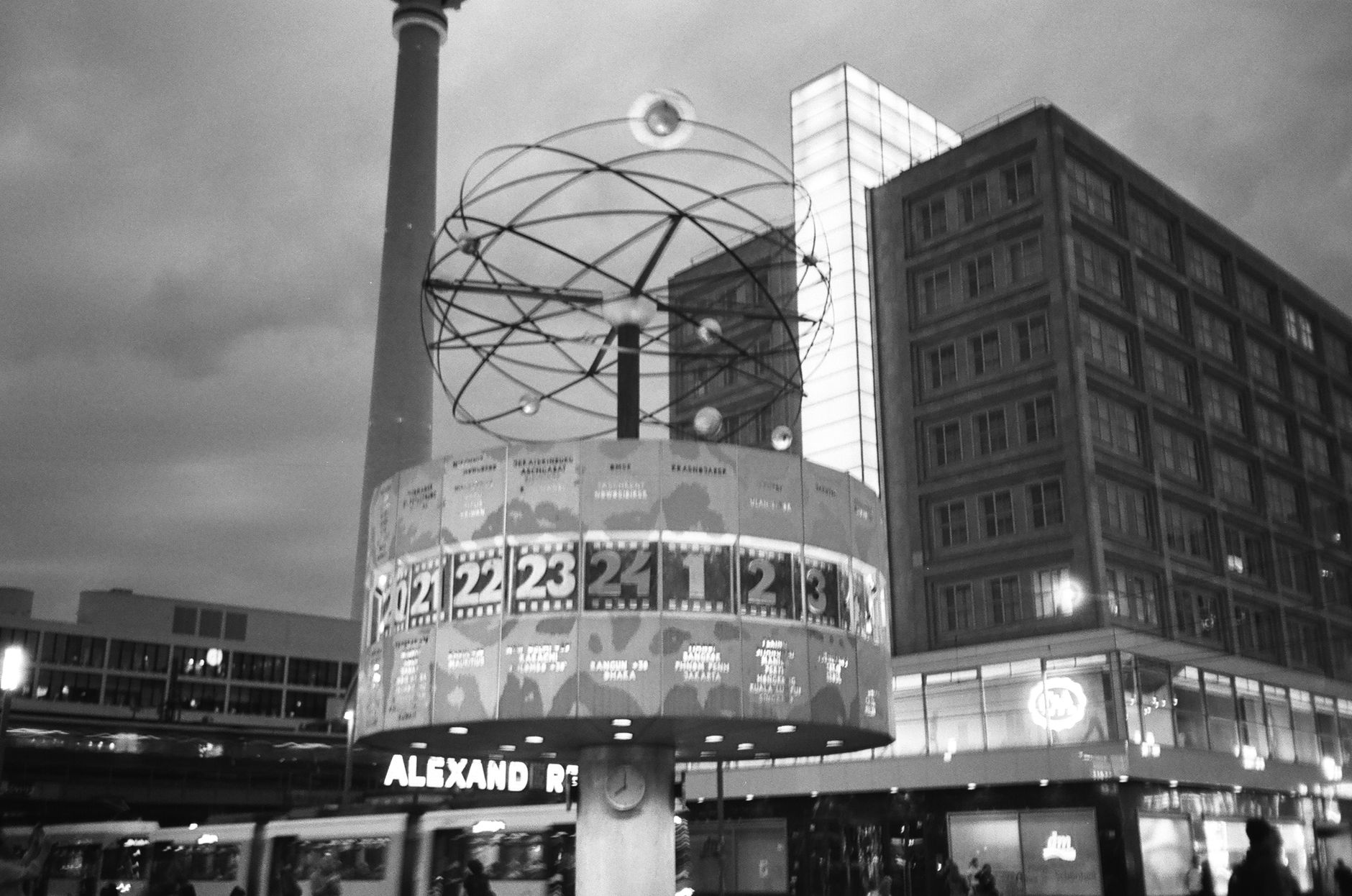
Here’s the short answer: yes, Berlin is safe. Statistically, you are safer walking around Berlin than you are in Paris, London, Rome, or Madrid. The city ranks moderately on European crime indices, with the bulk of reported offences being petty property crime — pickpocketing, bicycle theft, opportunistic phone-snatching on the U-Bahn. Violent crime against tourists is rare. The “scary Berlin” you’ll read about in some headlines is mostly drug-corner ambience around two or three specific spots, late-night politics in Kreuzberg on May Day, and the kind of urban edginess that comes with being one of the world’s most multicultural capitals.
This guide is the calm version. Not the fearmongering one and not the sugar-coated one. I’ll tell you where to pay closer attention, which neighbourhoods to avoid after dark (the answer is shorter than you’d think), the cultural and legal etiquette tourists routinely get wrong (cannabis law confusion, photography rules, the Holocaust Memorial), and how to actually handle an incident if one happens. Use ordinary big-city awareness, learn a few Berlin-specific quirks, and the rest of your trip will look after itself.

Is Berlin safe? The honest 2026 numbers
Berlin police registered about 539,000 offences in 2024 — roughly 30% of those theft-related. Within Germany, Berlin (along with Hamburg and Bremen) sits at the high end of the national crime league table, but that’s mostly because city-states skew higher than rural ones; the comparison that actually matters is to other European capitals. There, Berlin compares favourably. The Numbeo crime index puts Berlin in the moderate band, below the European average for violent crime and slightly above average for petty theft.
Tourists almost exclusively encounter the petty-theft side of that ledger. The single most common incident is pickpocketing — on busy U-Bahn lines, at Alexanderplatz, around the Brandenburg Gate, and at Christmas markets. The second most common is bicycle theft, which won’t affect you unless you’ve bought your own. The third is opportunistic phone-snatching from outdoor café tables, which is preventable with one simple habit (more below).
Berlin neighbourhood safety overview
The neighbourhoods where tourists actually stay are, almost without exception, safe by day and night. The areas where things get a little edgier are mostly residential corners that no one’s sightseeing in anyway. Here’s the honest read:
- Mitte — very safe day and night. Watch pickpockets at Alexanderplatz, around Brandenburg Gate, and on the U2 line.
- Prenzlauer Berg — very safe. Family district, quiet by 11pm.
- Charlottenburg — very safe. West Berlin polished; statistically the safest tourist-relevant district.
- Friedrichshain — safe and lively. Some rowdiness around Boxhagener Platz on summer weekends and around Warschauer Strasse late at night, but it’s bar crowd, not threatening crowd.
- Kreuzberg — safe and vibrant overall. Görlitzer Park has open drug dealing and is best avoided after dark; Kottbusser Tor feels edgy late at night but passing through is fine.
- Neukölln (north) — safe by day, mostly safe by night. Sonnenallee and Hermannplatz have higher petty crime; the southern stretches of Neukölln are calm and residential.
- Wedding — mostly safe but edgier than tourist districts. Leopoldplatz and Gesundbrunnen have a rougher feel late at night. Not a tourist destination, no need to be there.
- Schöneberg — very safe. Berlin’s LGBTQ+ heart around Nollendorfplatz.
The mental shortcut Berliners use is the S-Bahn Ring rule. Inside the ring (the U-shaped train line that loops central Berlin), you’re in well-lit, well-populated territory at almost any hour. Outside the ring to the north and east, things thin out after midnight and you should be a little more aware — though “rarely dangerous” remains the accurate description even there. Our Berlin neighbourhoods guide goes deeper into the texture of each.
The twelve practical safety tips that actually matter
These are the tips Berliners would tell their out-of-town friends without thinking. None of them require paranoia.
- Wear backpacks on your front on packed U-Bahn cars. Phones go in front pockets, not back. Pickpockets work the U2, U5, U8, and the S-Bahn ring most heavily.
- Never hang a bag on a café chair back. Either keep it between your feet or clip it to your chair leg with a small carabiner. Outdoor café tables in Mitte, Friedrichshain, and Neukölln are the city’s #1 phone-theft hotspot.
- Don’t fall asleep on night trams or trains. Opportunistic theft hotspot. Set a phone alarm if you’re tired.
- Validate transit tickets before boarding. Fare inspectors are plain-clothed, polite, and unforgiving — €60 fine on the spot, no exceptions. Our BVG ticket guide covers what to buy.
- Avoid Görlitzer Park after dark. Open drug dealing, a noticeable police presence, occasionally tense. Daytime is fine and the park is full of families.
- Decline anyone offering “petitions,” friendship bracelets, or passport stamps at Checkpoint Charlie and around the Brandenburg Gate. Classic distraction scams.
- Watch your drink get poured at clubs. Never accept opened drinks from strangers. Most clubs have free tap water in the bathrooms — use it, especially long nights at Berghain.
- Carry photo ID. Passport plus a photocopy stored separately. German police can stop you and request ID; refusal can lead to brief detention until identity is verified.
- Cycling rules are enforced. Stay in bike lanes, mandatory lights at night, no phone, no beer. Fines €15-180. Red-light running can also earn a Flensburg point on top of the fine.
- Don’t jaywalk, especially with children nearby. Berliners will openly disapprove (“Es sind Kinder da!”) and €5 fines do exist. The bigger cost is social.
- Save the emergency numbers. 112 for ambulance/fire (works EU-wide, English speakers available), 110 for police, 116 117 for non-urgent doctor, 0800 00 22 833 for the emergency pharmacy finder.
- Tap water is excellent. Drink it freely. Berlin’s water quality is among the cleanest in Europe.

The cultural and legal etiquette tourists get wrong
Safety isn’t only about crime. A handful of cultural and legal landmines catch tourists every season. These aren’t dangerous — but they can land you in awkward, expensive, or briefly serious trouble.
Cannabis (legal since April 2024) — but not the way tourists think
Germany’s CanG law, effective April 1, 2024, legalised cannabis for residents aged 18+ to possess up to 25 grams in public. The catch for tourists: you can possess cannabis, but you cannot legally buy it. There are no dispensaries. The cannabis social clubs (Anbauvereinigungen) require German residency. Smoking is also banned within 100 metres of schools, playgrounds, and sports facilities, in pedestrian zones before 8pm, and on the U-Bahn / S-Bahn. Importing cannabis across the border remains a federal crime.
What this means in practice: many Berliners smoke openly in parks (Görlitzer, Volkspark Friedrichshain, Tempelhofer Feld) without consequence. Tourists doing the same are unlikely to be stopped. But the formal rules are stricter than the street vibe suggests, and source-of-supply remains technically illegal regardless of who’s holding it.
The Memorial to the Murdered Jews of Europe (Stelae Field)
Photos are acceptable. Selfies on the stelae, posing for content, jumping between them, picnicking, or yoga reels are not. Staff and security will approach. The same applies to Stolpersteine — the brass squares in the pavement marking individual victims of Nazi persecution. Don’t step on them deliberately. Don’t photograph them as a kitsch aesthetic. Berlin’s Holocaust memorials are functioning, daily acts of remembrance — treat them as such.
Nazi salutes and swastikas — illegal, period
Under §86a of the German criminal code, displaying Nazi symbols or making the salute is illegal — even ironically, even at a memorial, even to your friend group’s Instagram. Tourists have been arrested for it. Don’t joke about WWII. Let Germans bring up the war if they want to discuss it.
FKK and sauna culture
Most German saunas are nude and mixed-gender. Swimwear is forbidden inside the sauna itself; you sit on a towel that covers your entire body. Phones are strictly off-limits — this is a legal issue, not just etiquette. The same applies to FKK lake beaches (Teufelssee is the famous one). Nobody stares, nobody comments, nudity is not sexualised. If you can’t handle the cultural shift, choose a regular textile pool instead.
Political demonstrations
Berlin sees demonstrations weekly, especially around the Brandenburg Gate, Pariser Platz, and Hermannplatz. Most are peaceful. The one to know about: May 1 (May Day) in Kreuzberg. The festival-style MyFest fills Lausitzer Platz with food stalls, sound systems, and good-natured crowds; the Revolutionary May Day demonstration follows in the evening and occasionally produces clashes around Görlitzer Park / Lausitzer Platz after dark. Tourists can enjoy daytime MyFest safely. The rule is simple: avoid the front of the demo procession; the rest is fine by day. If you see riot police arriving, move two streets away.
Football days
Hertha BSC (Olympiastadion) and Union Berlin (Köpenick) match days produce drunken crowds on the S-Bahn — usually good-natured, occasionally loud. Worth knowing if you’re catching a train at the same time as a stadium emptying.
If stopped by police
Be polite, present ID, don’t argue. You can ask why (“Warum?”) in a non-confrontational tone. Recording in public is legal. German police are generally professional and English-speaking in tourist areas. The interaction usually ends with an ID check and a wave-off.
Solo female travel safety in Berlin
Berlin consistently ranks among Europe’s top solo-female-friendly cities. The combination of 24-hour weekend transit, walkability, English-friendliness, and a culture where women alone in restaurants, bars, and clubs is the norm rather than a curiosity makes it unusually easy.
Verbal harassment exists in certain corners — Kottbusser Tor late at night, parts of Hermannplatz, occasionally Alexanderplatz after midnight. Assault rates against women remain low by European-capital standards. Most women report that night U-Bahn cars feel comfortable when they’re not completely empty (a half-full carriage is usually fine; a completely empty one is when a quick walk to a more populated car is sensible).
Practical tips for solo women: stay in Mitte, Prenzlauer Berg, Friedrichshain, or Charlottenburg as a first-time base; share live location with someone at home when out clubbing; use FreeNow, Bolt, or Uber after midnight rather than walking unfamiliar streets; carry a portable phone charger. For more, see our Berlin solo travel guide.
LGBTQ+ safety in Berlin
Berlin is one of the world’s most queer-friendly cities. Same-sex marriage has been legal since 2017. Public displays of affection are unremarkable in central districts. The Schöneberg scene around Nollendorfplatz has a century-long queer history; Kreuzberg and Friedrichshain host major LGBTQ+ venues.
That said, verbal harassment has been reported in pockets of Neukölln (especially Sonnenallee), parts of Wedding, and around some station areas late at night. Physical incidents remain rare but have been ticking up slightly in recent annual reports from the LSVD (Germany’s largest queer rights group). Standard awareness applies: stick to busier streets after midnight in less central areas, use ride-share to and from venues if travelling alone, save the emergency number 110. Our LGBTQ+ nightlife guide covers the venues worth knowing.
Health and medical care
Germany has one of Europe’s strongest healthcare systems and Berlin’s hospitals — Charité Mitte, Charité Virchow, Vivantes Friedrichshain, Vivantes Neukölln — handle emergencies efficiently. English-speaking doctors are abundant in central districts. Pharmacies (Apotheken) carry most international brands, but as we covered in our packing guide, over-the-counter drugs are sold behind the counter and only at pharmacies — not at supermarkets.
EU and EEA visitors: your EHIC card is valid. UK visitors: your GHIC covers state care under the same terms as Germans. Neither covers private clinics, repatriation, or non-emergency dental — bring travel insurance regardless. Our Berlin travel insurance guide covers what to look for.
For non-emergency English-speaking doctor appointments, the Doctolib app is widely used in Berlin — filter by Sprache: Englisch. Air Doctor is the visiting-doctor-to-your-hotel alternative.
If something does happen
If you’re pickpocketed
File a police report (Anzeige) within 24 hours. You can do this at any Polizeiwache or online via the Internetwache Berlin — the case number (Vorgangsnummer) is what your insurance will ask for. Block any stolen cards immediately by calling the German universal card-blocking line: +49 116 116.
If you lose your passport
Report to the police, then contact your embassy. The US, UK, Canadian, Australian, and Irish embassies are all centrally located in Mitte near the Brandenburg Gate / Tiergarten. Bring a passport photocopy, any other photo ID, and police report. Emergency travel documents can usually be issued within 24-48 hours.
If you have a medical emergency
Dial 112. The operator speaks English. State the address (or the nearest landmark) and the nature of the emergency. Berlin has multiple central A&E departments — Charité Mitte is the main one. Bring passport and insurance card; if you’ve signed up for a private travel insurer’s direct-billing service, give the hospital their phone number.
If you have an accident on a rented bike
If you’re hurt, dial 112. If only your bike is damaged or you damage another vehicle, exchange details and contact the rental provider via app. Berlin’s cycling injury rate is meaningful — see our Berlin by bike guide for the routes and rules that keep most riders out of trouble.
Things that aren’t worth worrying about
It’s worth saying clearly. Berlin is not dangerous in the ways some tourists imagine.
- Anti-American or anti-British sentiment. Essentially nonexistent. Speaking English in public is normal. Berliners are direct, sometimes blunt, but rarely hostile.
- Terrorism risk. Standard European-capital baseline. Threat assessments are no higher than Paris, London, or Madrid.
- Random street violence. Very rare; almost always associated with specific corners and times, not random.
- Food/water safety. Tap water is excellent. Street food is regulated and safe.
- Driving safety. If you’re not driving, irrelevant; if you are, German drivers are skilled and orderly. Speed limits in town are 50 kph and strictly enforced.
Frequently asked questions
Is Berlin safe to walk around at night?
In central districts — Mitte, Prenzlauer Berg, Charlottenburg, Schöneberg, Friedrichshain, most of Kreuzberg — yes, very. The S-Bahn ring is well-lit and populated even at 3am. Use ride-share or stick to busy streets in less central areas after midnight.
Which Berlin neighbourhoods should tourists avoid?
None outright. Görlitzer Park after dark is the one specific corner I’d skip. Late-night Kottbusser Tor and parts of Sonnenallee are edgier but rarely dangerous. Wedding around Gesundbrunnen feels rougher at night but isn’t a tourist destination anyway.
Is the Berlin U-Bahn safe late at night?
Yes, with awareness. Don’t fall asleep, keep valuables in front pockets, and if a carriage is completely empty, walking to a more populated car takes thirty seconds. Weekend night service runs all night; weekday late service runs roughly every 30 minutes on most lines. See our Berlin night transport guide.
Can tourists legally smoke cannabis in Berlin?
Possession of up to 25 grams in public is legal for adults aged 18+. Tourists may possess but cannot legally buy. Smoking is banned within 100m of schools, playgrounds, sports facilities, in pedestrian zones before 8pm, and on public transit. Enforcement varies; rules are stricter than the street vibe suggests.
Is Berlin safe for solo female travellers?
Yes — Berlin consistently ranks among Europe’s best solo-female destinations. Practical awareness still applies (avoid empty late-night U-Bahn cars, watch drinks at clubs, share live location). See the full solo travel guide.
Is Berlin safe for LGBTQ+ travellers?
Yes, among the safest cities in the world. Public displays of affection are unremarkable in central districts. Verbal harassment has been reported in pockets of Neukölln and Wedding late at night; physical incidents remain rare. See our LGBTQ+ nightlife guide.
What should I do if I’m pickpocketed in Berlin?
Block your cards immediately (call +49 116 116), then file a police report — in person at any Polizeiwache or online at Internetwache Berlin. Your case number (Vorgangsnummer) is what your insurance will need.
Do I need to carry my passport in Berlin?
Yes — German law requires photo ID. Passport plus a photocopy stored separately is the standard travel approach. Some travellers carry just a national ID card if applicable.
What are the emergency numbers in Berlin?
112 for ambulance and fire (works EU-wide). 110 for police. 116 117 for non-urgent doctor. +49 116 116 for card-blocking.
Is May Day in Kreuzberg dangerous for tourists?
The daytime MyFest street festival is safe and enjoyable. The evening Revolutionary May Day demonstration can produce clashes around Görlitzer / Lausitzer Platz after dark. Tourists can enjoy daytime, leave the area before sunset, and avoid the front of any demo procession.
The closing thought
Berlin’s reputation precedes it — alternative, edgy, gritty, scary in equal measure depending on who’s talking. The reality is more boring and more reassuring. It’s a working European capital with low violent crime, professional emergency services, a handful of pickpocket-heavy spots, and a cultural texture that takes a few days to read. Use the same awareness you’d bring to any city of 3.7 million people. Don’t drift into the one or two corners that genuinely require caution. Respect the memorials, the police, the bike lanes, and the unspoken rule that everyone in this city would rather you blend in than perform tourist. The city will reward you. Build the rest of your trip around our Berlin practical travel tips and our Berlin etiquette guide, and you’ll be fine.