Berlin Travel Insurance — What You Actually Need
Unbiased Berlin travel insurance guide — what coverage you need, top providers, EHIC/GHIC reality, claims walkthrough with Berlin hospital names and German vocabulary.
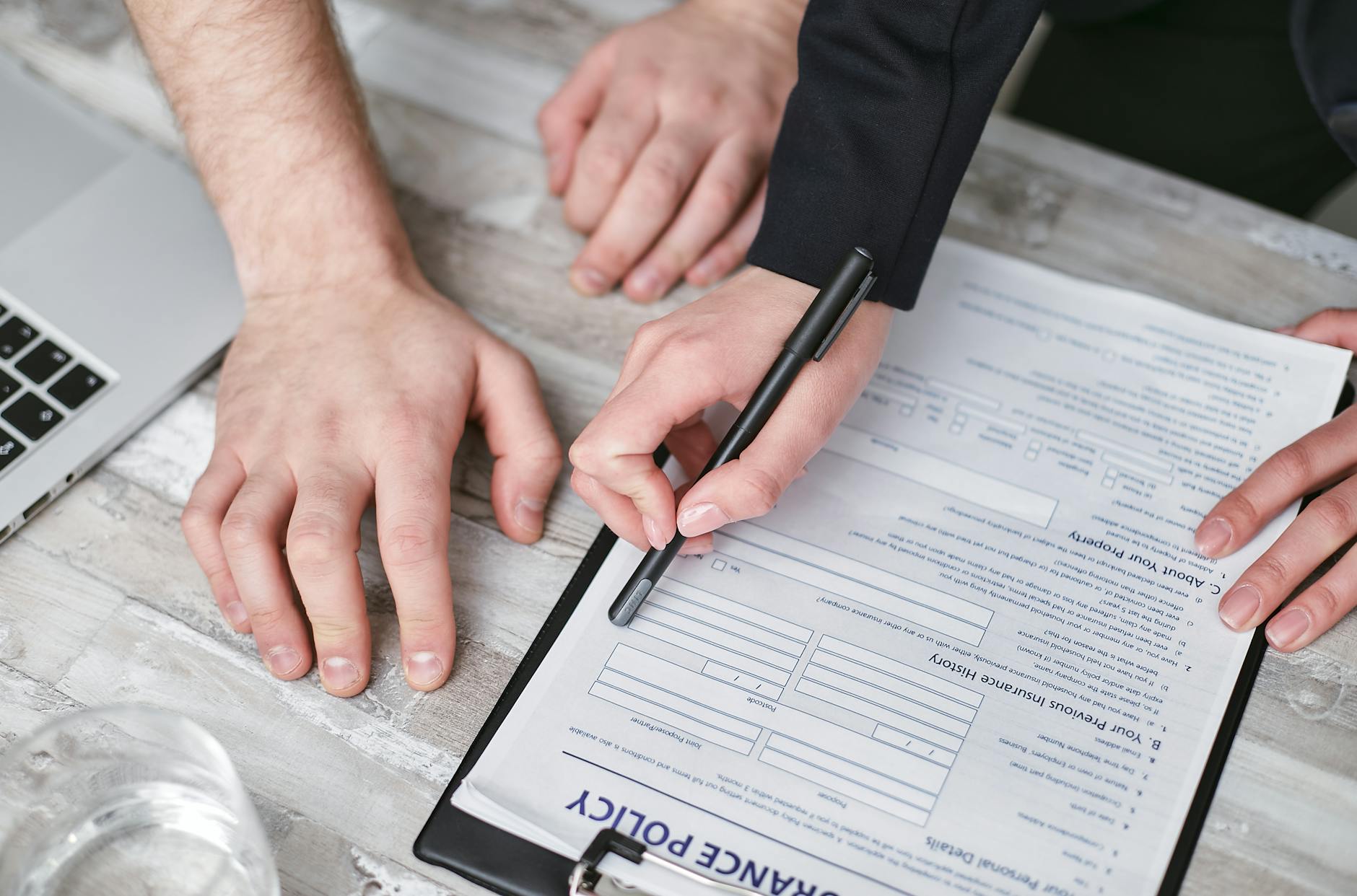
Most travel insurance guides on the internet are quote-engine funnels with a thin layer of advice on top. They list five providers, push you to click their affiliate links, and tell you to “compare quotes” without ever explaining what you’re actually buying. This one is different. It’s written by someone who lives in Berlin, knows which hospitals to actually go to, knows the German vocabulary you’ll need on a claims form, and has no skin in which insurer you pick. The goal is to tell you exactly what travel insurance you need for a Berlin trip, what’s worth paying extra for, what the rules look like in 2026, and what to do if something actually goes wrong — pickpocketing on the U-Bahn, a bike collision in Mitte, a sleepless trip to Charité with a kidney stone.
Quick context before we dive in. The EU’s EES went live in April 2026; ETIAS launches later this year (covered in our Berlin visa and entry requirements guide). Neither requires travel insurance, but Schengen visa applicants do — €30,000 minimum medical cover. Everyone else technically doesn’t need insurance to enter Germany, but you’d be unwise to skip it. German healthcare is excellent and not free for non-residents. A weekend’s hospital stay at Charité as an uninsured American can hit four figures by the discharge desk.
Is travel insurance mandatory for Berlin?
Three different answers depending on who you are.
- Schengen visa applicants (Annex I nationalities): Yes. Mandatory. €30,000 minimum medical cover, must include repatriation, must be valid across all Schengen, must cover every day of your stay. No insurance, no visa.
- Visa-exempt non-EU travellers (US, UK, Canada, Australia, etc.): Not mandatory. Strongly recommended. Border guards may ask to see proof of “sufficient resources” — a credit card with available limit usually suffices, but a printed insurance certificate is a faster end to the conversation.
- EU/EEA/Swiss citizens: Not mandatory. Your home country’s state insurance and EHIC/GHIC card cover emergency care in Germany. Travel insurance is still worth it for the things EHIC doesn’t cover — repatriation, private clinics, lost luggage, cancellation, theft.
What good Berlin travel insurance actually covers
The Schengen visa minimum (€30,000 medical) is a regulatory floor, not a recommendation. For a real Berlin trip, here’s what coverage levels actually look useful:
| Coverage | Schengen minimum | Recommended for Berlin |
|---|---|---|
| Emergency medical + hospitalisation | €30,000 | €100,000+ (US travellers: $250,000+) |
| Medical evacuation / repatriation | Must be included | $250,000–$500,000 |
| Repatriation of remains | Must be included | Included |
| Geographic validity | All Schengen | All Schengen + connections |
| Trip cancellation | Not required | 100% of prepaid trip cost |
| Trip interruption | Not required | 100-150% of prepaid trip cost |
| Baggage / personal items | Not required | €1,500–€3,000 (single-item cap €300+) |
| Theft of money/documents | Not required | €300-€500 |
| Personal liability | Not required | €1m+ (low cost, high value) |
| Adventure-sport rider | Not required | Add if cycling, lake swimming, day-tripping to ski |
A typical 1-week Berlin trip insurance runs €18-30 budget, €40-70 mid-range, €100+ premium with cancel-for-any-reason. For a couple booking a €2,000 trip, the math heavily favours buying it.
Berlin-specific risks worth insuring for
Pickpocketing — high frequency, low value per incident
Berlin’s most common tourist incident. Phones lifted from outdoor café tables in Mitte and Friedrichshain, wallets pulled on the U2 and U8, bags taken from chair-backs in Kreuzberg cafés, Christmas-market pickpocketing in December. Coverage to look for: theft of personal items with a reasonable single-item cap (€300+ so it covers a modern phone), no exclusion for “left unattended in a public place” beyond the obvious (insurers will deny if you literally left it on a bench and walked away). For more on prevention, see our Berlin safety tips.
Bike accidents — Berlin’s biggest underrated risk
Berlin’s cycling infrastructure is good by global standards and not great by Dutch standards. Tourists on rental bikes — confused about which side of the road, mistaking pedestrian paths for bike lanes, riding without lights at night — collide with cars, trams, and each other regularly. If you plan to cycle, confirm your policy covers cycling as a “leisure activity” (most do, but a few exclude it as “adventure sport”). Read our Berlin by bike guide before riding.
Berghain queue injuries and clubland incidents
Twisted ankles on cobblestones, drink-spike incidents, dance-floor scrapes. Standard medical cover handles all of it. The exclusion to watch: most policies do not cover injuries sustained “while under the influence of alcohol or illegal drugs.” Cannabis is now legal in Germany for personal use, but combining that with a treadmill at the gym at 6am still won’t get covered if you fall off. Use common sense; insurance covers accidents, not deliberate stupidity.
Lake swimming and day trips
Wannsee, Müggelsee, Schlachtensee, Krumme Lanke — Berlin’s lake culture is part of summer. Drowning and swim-related injuries are rare but real (cold water, currents, hidden underwater structures). Most policies cover lake swimming as routine; check the geographic-scope wording if you’re day-tripping to Tropical Islands or Spreewald.
The honest provider overview
Listed alphabetically within categories. None of these are affiliate links — pick what fits your trip, your country of residence, and your appetite for cost-vs-coverage.
Global / single-trip travellers
- Allianz Travel — Europe’s largest travel insurer. Instant Schengen-compliant certificate, 24/7 multilingual claim line, mid-priced, strong claims reputation. The default choice if you want one less decision to make.
- AXA Schengen — Built specifically for visa applicants. Their cheapest “Low Cost” plan meets the €30k minimum but is thin on extras. Upgrade to “Europe Travel” if you want cancellation cover too.
- Heymondo — App-based, direct billing with partner hospitals (you don’t pay upfront for major incidents), strong for tech-comfortable travellers, often cheaper than the legacy insurers.
- World Nomads — The go-to if you’re adding adventure activities — hiking day trips, bike tours, lake swimming, climbing. More expensive than the basic plans but better for cycling/sport cover.
- AIG Travel Guard (US-focused) — Strong cancellation cover and high medical caps. Pricier than the European options but the choice many US travel agents recommend.
- Generali / Travel Insured International / Tin Leg / IMG — Solid US-market comprehensive plans, well rated by Forbes/NerdWallet annual reviews.
Comparison aggregators (use to compare, not to buy directly)
- InsureMyTrip and Squaremouth — Filter by Schengen-compliance, medical cap, pre-existing condition waiver, cancel-for-any-reason. Useful for the side-by-side. Don’t take their “best” labels at face value.
For German / EU residents (annual multi-trip)
- HanseMerkur — Long-standing German market leader; annual plans from €10-20/year for individuals. The Lidl-cheap option.
- ERGO Reiseversicherung — Big German insurer, slightly more polished than HanseMerkur, slightly pricier.
- ADAC Auslandskrankenschutz — Tied to ADAC membership (Germany’s AAA equivalent); excellent rates if you’re already a member for the breakdown cover.
- Feather — Berlin-based, English-speaking-friendly, 4.8 Trustpilot rating. From around €25/year for individual annual coverage. Strong for expats who want German-quality insurance with an English interface.
Long-stay and digital nomads
Berlin is Europe’s biggest digital-nomad destination, and the standard 30-day trip policies don’t fit. Look at:
- SafetyWing Nomad Insurance — Around $56 per 4 weeks; 12-month rolling cap; popular but basic in coverage depth.
- Genki Traveler / Genki Native — German company (Berlin-friendly), Allianz-backed. Traveler from €52.50/month for short-to-medium term; Native is true international health insurance for longer-term residents.
- Insured Nomads — Higher cap, better mental health and outpatient cover; pricier.
- IMG Global — Established long-term traveller insurer; strong claims reputation.
EU / EEA / UK travellers — EHIC and GHIC
If you’re an EU/EEA citizen, your EHIC (European Health Insurance Card) covers emergency state medical care in Germany on the same terms as Germans. If you’re a UK citizen, the GHIC (Global Health Insurance Card, the post-Brexit replacement) does the same. What neither covers: private clinics, medical repatriation, planned/elective care, dental beyond emergency, mountain rescue, non-urgent care.
Always pair EHIC/GHIC with private travel insurance for a Berlin trip. The free state card handles the broken arm; the private policy handles the flight home with a cast.
The claims walkthrough — what to do if something happens
Before you leave home
- Save your insurer’s 24/7 emergency line, policy number, and claims email to your phone notes, your cloud account, and (in old-school fashion) on a paper card in your wallet.
- Photograph the serial numbers of valuables (laptop, camera, phone). Insurers ask for them.
- Screenshot your insurance certificate in case of no signal.
The moment something happens
Call the 24/7 line first. Most insurers require notification within 24 hours, especially for medical incidents and theft. Get a case or reference number; everything from this point forward attaches to that number.
Medical incident in Berlin
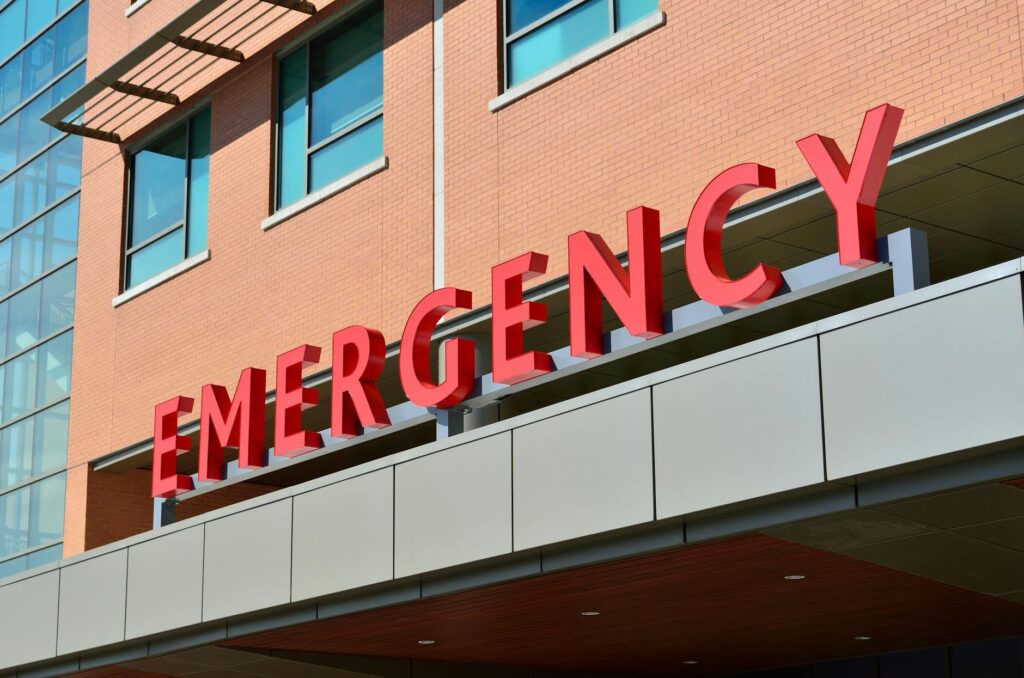
Emergency: dial 112 (ambulance, EU-wide). For after-hours non-emergencies, dial 116 117 — the Kassenärztlicher Bereitschaftsdienst (on-call doctor service). The major Berlin A&E hospitals are Charité Mitte (Charitéplatz 1), Charité Virchow (Augustenburger Platz 1), Vivantes Klinikum Friedrichshain, and Vivantes Klinikum Neukölln. Bring your passport and insurance certificate. If your insurer offers direct billing (Heymondo, Genki, some Allianz tiers), give them the hospital billing department contact and the hospital will invoice them directly. Otherwise pay upfront and submit for reimbursement.
Keep every piece of paper: Arztrechnung (doctor’s bill), Krankenhausrechnung (hospital bill), Rezept (prescription), Quittung (receipt). Bills will be in German. That’s fine — insurers translate them at their end.
Theft or pickpocketing
File a police report (Anzeige) within 24 hours. Two options: visit any Polizeiwache (police station) in person — central Berlin has stations near Alexanderplatz, in Friedrichshain, in Kreuzberg, in Mitte — or file online via Internetwache Berlin (Berlin’s online police portal). Note the Vorgangsnummer (case number); your insurer will need it. For card theft, call +49 116 116, the German universal card-blocking line.
Lost luggage at BER
Before you leave the baggage hall, file a Property Irregularity Report (PIR) with the airline’s lost-luggage desk. Your insurance covers what airline liability doesn’t — under the Montreal Convention, airline liability is capped at around €1,300. Anything above that, or specific items not on the bag tag manifest, goes through your travel insurer.
Lost passport
Report to police, then book an emergency appointment at your embassy. The US, UK, Canadian, Australian, and Irish embassies are all centrally located near the Brandenburg Gate. Emergency travel documents can usually be issued within 24-48 hours. Your travel insurance covers the replacement fee and (most policies) the additional accommodation if you have to extend your stay.
Submitting the claim
Most insurers now have an app or online claims portal. Upload: the police report, all medical invoices, proof of payment, boarding passes, your trip itinerary, photographs of damaged items. Typical processing time is 2-6 weeks. If you have receipts in German, submit them as-is.
If your claim is denied
Request the denial reason in writing. Most denials are documentation issues, not policy denials — supplying the missing receipt or police case number often reverses the decision. If that fails and you believe the denial is unfair, German consumers can escalate to the Versicherungsombudsmann e.V., an independent free ombuds office.
The 2026 details people miss
- ETIAS does not require travel insurance to apply, but Schengen border guards retain the right to ask for proof of “sufficient resources” — insurance certificates are accepted as evidence.
- EES (live since April 2026) doesn’t change insurance rules, but worth knowing if a guide tells you otherwise.
- COVID is now treated as a standard illness by most major insurers. The dedicated COVID rider that older guides talk about is no longer necessary with Allianz, AXA, Heymondo, World Nomads, or Generali. If your quoted policy still wants extra for COVID cover, it’s behind the times.
- The EU Travel app stores your travel records but not your insurance. Carry digital and paper proof of your policy.
- UK travellers post-Brexit need insurance more than they did pre-2021 — see our visa guide for the post-Brexit detail.
One Berlin-specific reason to check your policy’s delay and missed-connection cover: BER has a strict night-flight ban between midnight and 05:00, so a badly delayed late-evening flight can be diverted or cancelled rather than simply landing late, and German airport strikes are an occasional reality. Our BER airport guide explains how both work in practice.
Frequently asked questions
Do I need travel insurance to visit Berlin?
Mandatory for Schengen visa applicants (€30,000+ medical, repatriation, all Schengen, full duration). Not legally required for visa-exempt travellers, but strongly recommended — German healthcare is excellent and not free for non-residents.
Is travel insurance mandatory for a German Schengen visa?
Yes. Minimum €30,000 medical, must cover repatriation, must be valid for the entire Schengen Area, and must cover every day of your planned stay.
Does my EHIC or GHIC card cover me in Berlin?
Yes, for emergency state medical care on the same terms as Germans. Not for private clinics, repatriation, planned care, or dental beyond emergencies. Pair with private travel insurance.
How much does travel insurance for a week in Berlin cost?
€18-30 for budget single-trip policies, €40-70 for mid-range with trip cancellation, €100+ for premium policies with cancel-for-any-reason. Annual multi-trip policies from German insurers start at €10-25 for individuals.
What’s the cheapest Schengen-compliant policy?
AXA Schengen’s “Low Cost” plan meets the €30,000 minimum at the lowest published rates. For better coverage at modest extra cost, look at Heymondo, Allianz Travel Basic, or HanseMerkur for German residents.
Does travel insurance cover bike accidents in Berlin?
Most policies cover recreational cycling as a standard activity. Check that cycling isn’t excluded under “adventure sport” wording. World Nomads, Allianz Travel, and Heymondo cover it explicitly.
Will my insurance pay out if I get hurt at Berghain?
If the injury wasn’t sustained while under the influence of alcohol or illegal drugs, yes. Trip-and-fall on the dance floor, twisted ankle in the queue — covered. Falling off a stage drunk — likely not.
What do I do if my bag is stolen at Alexanderplatz or on the U-Bahn?
Block cards immediately (call +49 116 116). File a police report within 24 hours at a Polizeiwache or online via Internetwache Berlin. Note the case number (Vorgangsnummer). Notify your insurer with the case number, receipts where possible, and serial numbers of stolen electronics.
Does travel insurance cover COVID, flu, or other illness?
Most major insurers (Allianz, AXA, Heymondo, World Nomads, Generali) now cover COVID as a standard illness. Older policies might exclude it — verify before buying.
Do digital nomads need different insurance for Berlin?
Yes if you’re here for more than 30-90 days, or planning continuous travel afterwards. SafetyWing, Genki, Insured Nomads, and IMG Global are the leading options. Genki is the strongest for German-based nomads because it’s a German company.
Is travel insurance required for ETIAS in 2026?
No. ETIAS does not require insurance to apply. Border guards retain the right to ask for proof of sufficient resources, and insurance certificates are accepted.
What’s the German emergency number?
112 for ambulance and fire (EU-wide). 110 for police. 116 117 for non-urgent doctor. Charité Mitte is the main central A&E.
The closing advice
Don’t overthink it. For a one-week Berlin trip, a €30-50 single-trip policy from Allianz, Heymondo, or AXA covers the realistic risks — pickpocketing, an A&E visit for a stomach bug, the cancelled flight that strands you for a night. Match the policy to your trip cost: insure 100% of prepaid expenses for the cancellation cover to make sense. Save the 24/7 number to your phone. Take a photo of your insurance certificate. Then read our Berlin safety guide and our practical travel tips, because the best insurance claim is the one you never have to file.