Berlin Visa and Entry Requirements — Complete 2026 Guide
Definitive 2026 Berlin entry guide — EES is live at BER, ETIAS launching Q4 2026, Schengen visa process, long-stay options, and what changed for UK travellers.
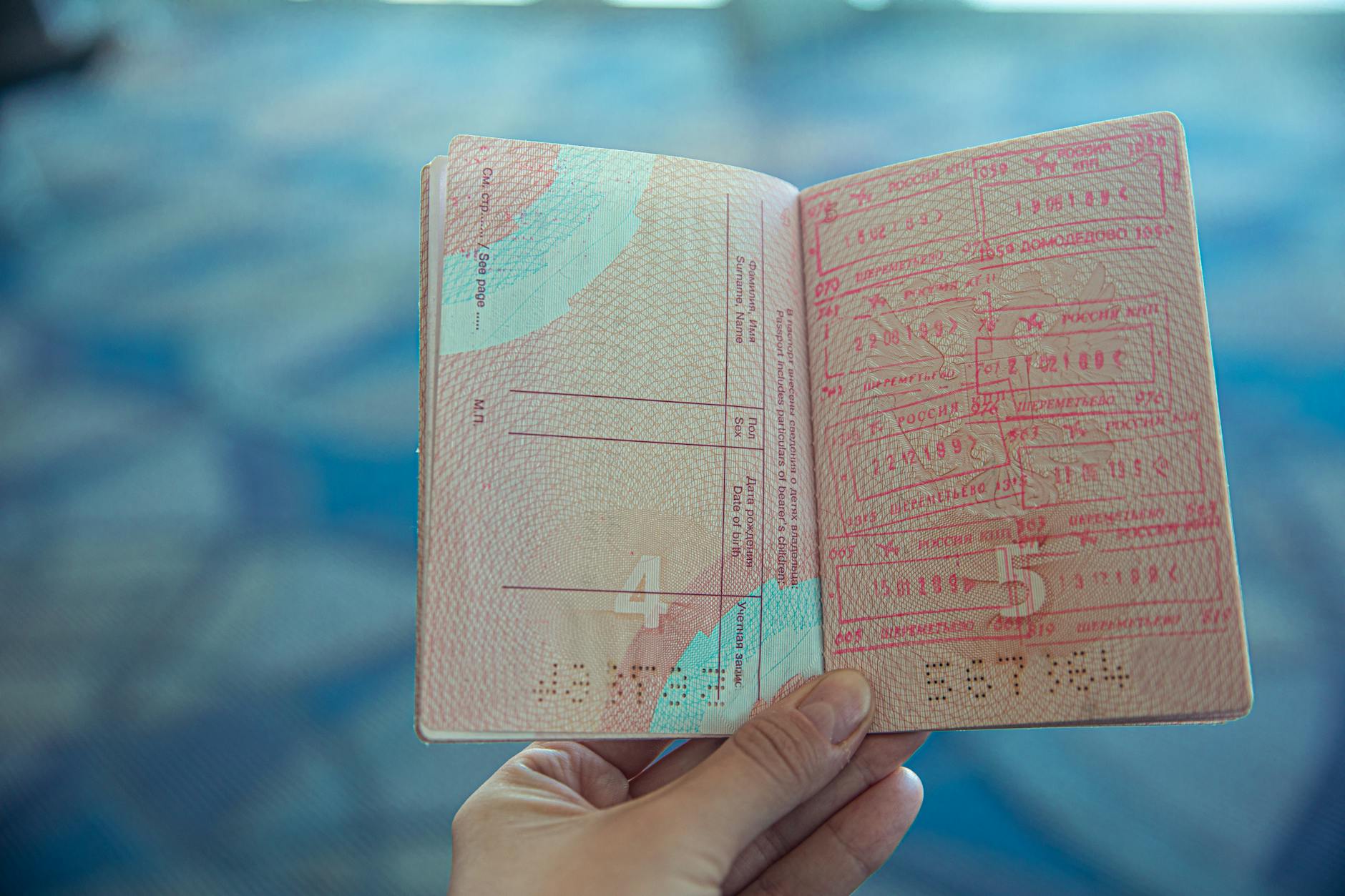
August 2026 is a strange moment to write a visa guide for Berlin. The EU’s Entry/Exit System (EES) went live on April 10, 2026 — meaning if you’re not an EU citizen and you arrive at Berlin Brandenburg Airport, you’ll spend three to seven minutes at a self-service kiosk having your fingerprints scanned and your face captured before you ever see a passport officer. The ETIAS pre-travel authorisation that’s been promised for years is not yet operational — it’s scheduled for the last quarter of 2026, with a six-month transition and a further grace period that runs into 2027. The Schengen visa fee went up. The remonstration appeal got abolished. The €20 ETIAS fee replaced the long-promised €7. Several “old” facts about visiting Germany are now wrong.
This guide is for travellers who want the actual 2026 situation: who needs a visa, who doesn’t, what changes when you arrive at BER, what ETIAS will mean when it launches, and how to handle every common scenario from a US weekend trip to a six-month German Opportunity Card move. It covers the Schengen short-stay process step by step, the long-stay options nobody else talks about clearly, and what to do if things go wrong — denials, overstays, lost passports.

Quick answer: do you need a visa to visit Berlin?
If you hold a passport from the EU/EEA, Switzerland, the UK, US, Canada, Australia, New Zealand, Japan, South Korea, Singapore, Brazil, Argentina, Mexico, Chile, Israel, the UAE, and most of Latin America — no, you don’t need a visa for stays up to 90 days within any 180-day period. You will need a valid passport, you will need to enroll in the EES at the border, and from late 2026 onward you’ll need ETIAS pre-authorisation (€20, valid 3 years).
If you hold a passport from India, China, Pakistan, Nigeria, Egypt, Russia, Turkey, Vietnam, the Philippines, Indonesia, South Africa, Algeria, Morocco, or most of Africa, Asia, and the Middle East — yes, you need a Schengen Type C short-stay visa applied for in advance at the German embassy/consulate in your country of residence. The current fee is €90 for adults, €45 for children aged 6-12, and free for under-6s.
For stays over 90 days for any purpose — work, study, freelance, family — you’ll need a national German visa (Type D) regardless of nationality.
The two big 2026 changes: EES and ETIAS
EES is live (since April 10, 2026)
The Entry/Exit System replaces the physical passport stamps you used to get at the border. When non-EU travellers arrive at any Schengen external border — which for Berlin means BER Airport — you’ll first stop at an EES self-service kiosk. The kiosk captures four fingerprints (not the thumbs) and a facial image, and asks a few questions about the purpose of your stay and your accommodation. A border officer then verifies your record and waves you through. First-time enrollment takes 3-7 minutes per person; subsequent visits (because the system already has your biometrics) take under a minute. Children under 12 are not fingerprinted but are photographed.
At BER, EES kiosks are installed in both Terminal 1 (the main terminal) and Terminal 2. The kiosks have screens in English, German, and a dozen other languages. US, UK, South Korean, Hong Kong, and Taiwanese passport holders aged 12+ are eligible for the EasyPass automated gates after enrollment, which speeds the process meaningfully.
Practical tip: arrive expecting an extra 20-30 minutes at immigration during peak hours. The four-month-old system is still finding its rhythm and queues at busy times have stretched well beyond pre-EES baselines.
ETIAS — coming, not yet here
ETIAS — the European Travel Information and Authorisation System — is a pre-travel online authorisation for visa-exempt travellers, equivalent to the US ESTA. As of August 2026, it is not yet operational. The current schedule has ETIAS launching in Q4 2026 with a 6-month transitional period (during which it’s recommended but not enforced) and a further 6-month grace period (during which enforcement begins). Full enforcement is expected by mid-to-late 2027.
When it goes live, ETIAS will cost €20 (raised from the original €7 in July 2025), be valid for three years or until your passport expires, and be free for travellers under 18 or over 70, and for EU family members. Applications are online (https://travel-europe.europa.eu/etias), take about ten minutes, and most are approved within minutes. Apply at least 96 hours before travel to allow for edge cases.
What this means for August 2026 travellers: you don’t need ETIAS yet. When the launch is announced (watch the official EU site, not the third-party scam sites that have been live for years), apply promptly. Don’t pay the third-party services charging €60-100 for what is a €20 government application.
Who needs a visa and who doesn’t — the full breakdown
EU/EEA and Swiss citizens
No visa, no passport required (a national ID card works for travel within Schengen). EES does not apply. Free movement for living, working, and studying. If you intend to stay over three months, you register your address with the Bürgeramt (Anmeldung) but no formal residence permit is needed.
Visa-exempt non-EU nationals (Schengen “Annex II” countries)
This includes US, UK, Canadian, Australian, New Zealand, Japanese, South Korean, Singaporean, Brazilian, Argentine, Mexican, Chilean, Israeli, and most other “rich-country” passport holders. No visa for stays up to 90 days in any rolling 180-day period across the entire Schengen Area. ETIAS required from launch. EES enrollment at the border.
Eight “privileged” countries (US, UK, Canada, Australia, New Zealand, Japan, South Korea, Israel) can apply for a residence permit after arriving in Germany if they intend to stay longer than 90 days for a specific purpose. Everyone else must obtain a Type D national visa from a German mission before travel.
Visa-required nationals (Schengen “Annex I” countries)
India, China, Pakistan, Nigeria, Egypt, Russia, Turkey, Vietnam, the Philippines, Indonesia, South Africa, Algeria, Morocco, and most of Africa and Asia. Schengen Type C visa is required in advance for any visit — even a 24-hour layover that exits the airport.
The 90/180-day rule explained with examples
This rule confuses everyone. The visa-exempt allowance is 90 days within any rolling 180-day window — not “90 days every 6 months” reset on a fixed date. The window moves with you. Every day you’re in any Schengen country counts toward the 90.
Example 1: You visit Berlin for 30 days in January, return home for 60 days, then come back to Spain for 30 days in April. Total Schengen days in the rolling 180-day window: 60. You have 30 days left.
Example 2: You spend the full 90 days in Berlin from August to October. You must then leave the Schengen Area for 90 days before re-entering. A trip to London, Istanbul, or New York doesn’t count against the limit — only Schengen days do.
The EU’s official calculator (search “Schengen short stay calculator”) is the only reliable way to plan complex itineraries. Overstaying — even by one day — can result in fines, an entry ban, and a flag on your record that follows you across all 29 Schengen countries.
Passport requirements
- Valid for at least three months beyond your planned departure from the Schengen Area.
- Issued within the last 10 years.
- At least two blank pages for entry/exit needs (even though stamps are being phased out under EES).
- For UK citizens specifically: the post-Brexit rules mean both the “10-year-issue” and “3-months-after-departure” rules now apply to UK passports — a passport issued 9 years and 11 months ago is fine; one issued 10 years and one day ago is not, even if it shows a future expiry date.

What to expect at Berlin Brandenburg Airport
BER has consolidated all Berlin commercial flights since November 2020 (Tegel and Schönefeld are closed). Passport control happens in Terminal 1 for the vast majority of flights and Terminal 2 for low-cost European routes that may bypass full controls.
For non-EU travellers in 2026, the sequence is:
- Disembark, walk to immigration.
- Approach an EES kiosk (look for “Non-EU / Non-EEA” signage).
- Scan your passport. Provide four fingerprints (non-thumbs) and look into the camera for facial capture.
- Answer screen prompts about your length and purpose of stay, accommodation address, and contact info.
- Receive a printed receipt with your unique reference number.
- Proceed to a border officer who verifies the EES record and confirms entry.
From there, you’re at baggage reclaim and onward to Berlin city centre. Direct trains (FEX, RE7, RE8, S9) to the centre take 30-45 minutes. The Welcome Card option is covered in our Berlin Welcome Card review.
Applying for a Schengen Type C visa
If you need a visa, here’s the step-by-step process. Apply at the German embassy or consulate in your country of legal residence (not nationality — if you live in Dubai with an Indian passport, apply at the German Consulate in Dubai).
- Step 1 — Determine your main destination. If Berlin is the longest or main stay in your trip, apply to the German mission. If Berlin is only a layover or short stop within a longer Italian or French trip, apply to the relevant country’s mission instead.
- Step 2 — Book an appointment. Either directly with the German mission or through VFS Global / TLScontact, who handle outsourced appointments in many cities. Lead time is typically 2-6 weeks; high-demand markets (Delhi, Beijing, Lagos) can stretch to 8-12 weeks. Apply up to six months before travel; the latest you can apply is 15 working days before.
- Step 3 — Gather documents. Passport (valid 3+ months beyond stay, issued within 10 years, 2 blank pages); completed Schengen visa application form; two recent biometric photos (35mm × 45mm); flight itinerary (booked or held); accommodation proof (hotel booking, Airbnb, or invitation letter from a host with their ID); travel health insurance with €30,000+ coverage valid across all Schengen; proof of funds (€60/day in Germany — bank statements covering the last three months); employment letter or business registration; a cover letter explaining the purpose and dates of your trip.
- Step 4 — Attend the appointment. Submit biometrics, hand over documents, pay the €90 fee in cash or card depending on the centre.
- Step 5 — Wait 15 calendar days typical. Up to 45 days possible in peak season or for additional security checks. Up to 60 days for certain complex applications.
- Step 6 — Collect your passport with the visa sticker. Verify the dates and the number of permitted entries (single / multiple).
- Step 7 — At BER, present your passport plus visa, complete EES enrollment if first time, see the officer.
Long-stay options: working, studying, freelancing
If you intend to stay in Berlin longer than 90 days, the route depends on your purpose.
- Type D national long-stay visa — for stays over 90 days while you transition to a residence permit. €75 for adults, €37.50 for under-18s.
- Opportunity Card (Chancenkarte) — launched June 2024. A points-based 12-month job-seeker visa for non-EU professionals; you can work part-time while searching for a qualifying role.
- EU Blue Card — for highly qualified professionals with a job offer at or above the salary threshold (€50,700 standard / €45,934.20 for shortage occupations in 2026). Application fee €100-147.
- Freelance permit (Aufenthaltserlaubnis für freiberufliche Tätigkeit) — Berlin’s famously friendly route for writers, artists, designers, IT consultants. Apply at the Berlin Bürgeramt / Ausländerbehörde after arriving on a Type D visa. Requires proof of clients, qualifications, and health insurance.
- Student visa — for accepted students at a German university. Proof of admission, blocked account (Sperrkonto) with €11,904 for one year as of 2026, health insurance.
All long-stay holders need to complete Anmeldung — registering your Berlin address — at any Bürgeramt within 14 days of moving in. Appointments are notoriously difficult in Berlin; book the second you have an address.
UK travellers post-Brexit
UK passport holders are now treated as visa-exempt non-EU nationals (Annex II). What changed since Brexit:
- 90/180-day rule applies — UK visitors are time-limited like Americans.
- Passport must meet the 10-year-issue and 3-months-validity rules.
- EES enrollment required at the border from April 2026 onward.
- ETIAS will be required when launched.
- UK GHIC card (the successor to EHIC) still covers state medical care.
- UK driving licences valid for visits; no IDP required.
- Travel insurance more important than pre-Brexit — see our Berlin travel insurance guide.
Children, minors, and special situations
Children travelling with only one parent should carry a notarised letter of consent from the absent parent, the child’s birth certificate, and the absent parent’s passport copy. German border officers have asked for these documents in past cases, even with EU/EEA nationals.
Cruise passengers docking at Warnemünde for a Berlin day-trip need the same documentation as air arrivals. The 90/180 clock starts at the first Schengen entry.
Transit through BER — most travellers transiting BER and not exiting the airport’s international zone don’t need a visa. The exception is Airport Transit Visa (ATV) for certain nationalities (Afghanistan, Bangladesh, DR Congo, Eritrea, Ethiopia, Ghana, Iran, Iraq, Nigeria, Pakistan, Somalia, Sri Lanka). Verify before travel.
If you’re denied, or if you overstay
Schengen visa denial — what changed in 2025
The remonstration appeal process was abolished on July 1, 2025. If your German Schengen visa application is refused, your two options now are: (a) reapply with corrected documentation, or (b) file a formal court appeal at the Berlin Administrative Court (Verwaltungsgericht Berlin) within one month. For most travellers, reapplying is the faster and cheaper route.
Overstays
Overstaying the 90-day limit can result in a fine (€25-300 typical), an entry ban (6 months to 5 years depending on severity), and a permanent flag on your immigration record visible across all 29 Schengen states. Genuine accidents are sometimes treated leniently if you go to the Ausländerbehörde and self-report before leaving, but don’t count on it. Use the EU calculator.
Keep the passport handy after you land, too. The Reichstag dome is free but requires advance registration, and security check the photo ID against the name on the booking — non-EU visitors need the passport itself, not a driving licence, and the spelling has to match what was entered. People are turned away over this every summer. Our guide to Reichstag dome tickets covers what to bring and what security will refuse.
Almost every international visitor to Berlin enters through one airport, and knowing its layout makes the border formalities easier. Our BER airport guide explains what happens between the aircraft door and the train, how long passport control and baggage reclaim usually take, and how early to arrive for the exit checks on the way home.
If you are flying into Berlin, the border check happens at BER before baggage reclaim, and on your first entry since April 2026 it includes Entry/Exit System registration: fingerprints and a facial image for non-EU visitors, which adds a few minutes per person when several long-haul flights land together. Our step-by-step guide to arriving at BER covers what to have in your hand at the desk, the customs allowances, and how to get from the arrivals hall to the train.
Frequently asked questions
Do I need a visa to visit Berlin if I’m from the US/UK/Canada/Australia?
No, for stays up to 90 days within any rolling 180-day Schengen window. You need a valid passport meeting the 10-year and 3-month rules. EES enrollment happens at the border. ETIAS will be required when launched.
Is ETIAS required to enter Germany right now?
As of August 2026, no. ETIAS is scheduled to launch in Q4 2026 with a transitional period running into 2027. The fee will be €20.
What’s the difference between EES and ETIAS?
EES is a border system — biometric check-in at the airport, replacing passport stamps. ETIAS is a pre-travel online authorisation. EES is operational now; ETIAS is coming. Both apply to non-EU travellers, even visa-exempt ones.
How long can I stay in Berlin without a visa?
Up to 90 days within any rolling 180-day window across the entire Schengen Area. Time spent in Munich, Paris, or Rome all count toward the same 90.
What happens at BER with the new biometric system?
Non-EU travellers stop at an EES kiosk first, scan their passport, provide four fingerprints and a facial image, and answer a few screen prompts. The whole process takes 3-7 minutes the first time and under a minute on return visits.
How much does a Schengen visa for Germany cost in 2026?
€90 for adults, €45 for children aged 6-12, free for under-6s. The long-stay Type D visa is €75 for adults, €37.50 for under-18s.
What documents do I need at the German border even if I’m visa-exempt?
Valid passport, return or onward ticket, proof of accommodation (hotel booking confirmation, host invitation), proof of sufficient funds (~€60/day in Germany — credit card with available limit is usually enough), and travel health insurance is strongly recommended.
What if my Schengen visa application is denied?
The remonstration appeal was abolished in July 2025. Your options are to reapply with corrected documentation or to file a formal appeal at the Berlin Administrative Court within one month. Reapplication is usually faster and cheaper.
Do I need to register my address (Anmeldung) if staying under 90 days?
No — Anmeldung is only required for stays over three months. Short-term tourists, including Airbnb guests, are exempt.
What’s the German Opportunity Card?
A points-based job-seeker visa launched in June 2024, allowing non-EU professionals to enter Germany for up to 12 months to search for qualifying work, with part-time work permitted during the search. Points are awarded for qualifications, German language, work experience, age, and previous Germany connections.
Can my child travel to Berlin with only one parent?
Yes, but carry a notarised letter of consent from the absent parent, the child’s birth certificate, and the absent parent’s passport copy. German border officers have requested these documents.
What happens if I overstay my 90-day Schengen limit?
Fines (€25-300), potential entry bans (6 months to 5 years), and a permanent flag on your Schengen record visible across all 29 member states. Use the EU’s official Schengen Short Stay Calculator to track your days.
The closing thought
Berlin’s entry rules are not complicated for most visitors — but they’ve shifted enough in the last 18 months that older guides are now wrong. Bookmark this page, double-check your passport meets the 10-year and 3-month rules, expect a longer queue at BER than you might be used to, and watch for the official ETIAS launch announcement later this year. Once you’re in, the rest of your trip is on you — start with our Berlin practical travel tips, get covered with Berlin travel insurance, and figure out the best time to visit Berlin for what you actually want to do.