Berlin with Toddlers: Practical Tips for Families (2026)
Practical 2026 guide to Berlin with toddlers (0-3) — stroller-friendly transport, ANOHA and Zoo tips, baby changing, naps and nap-anchored itineraries.
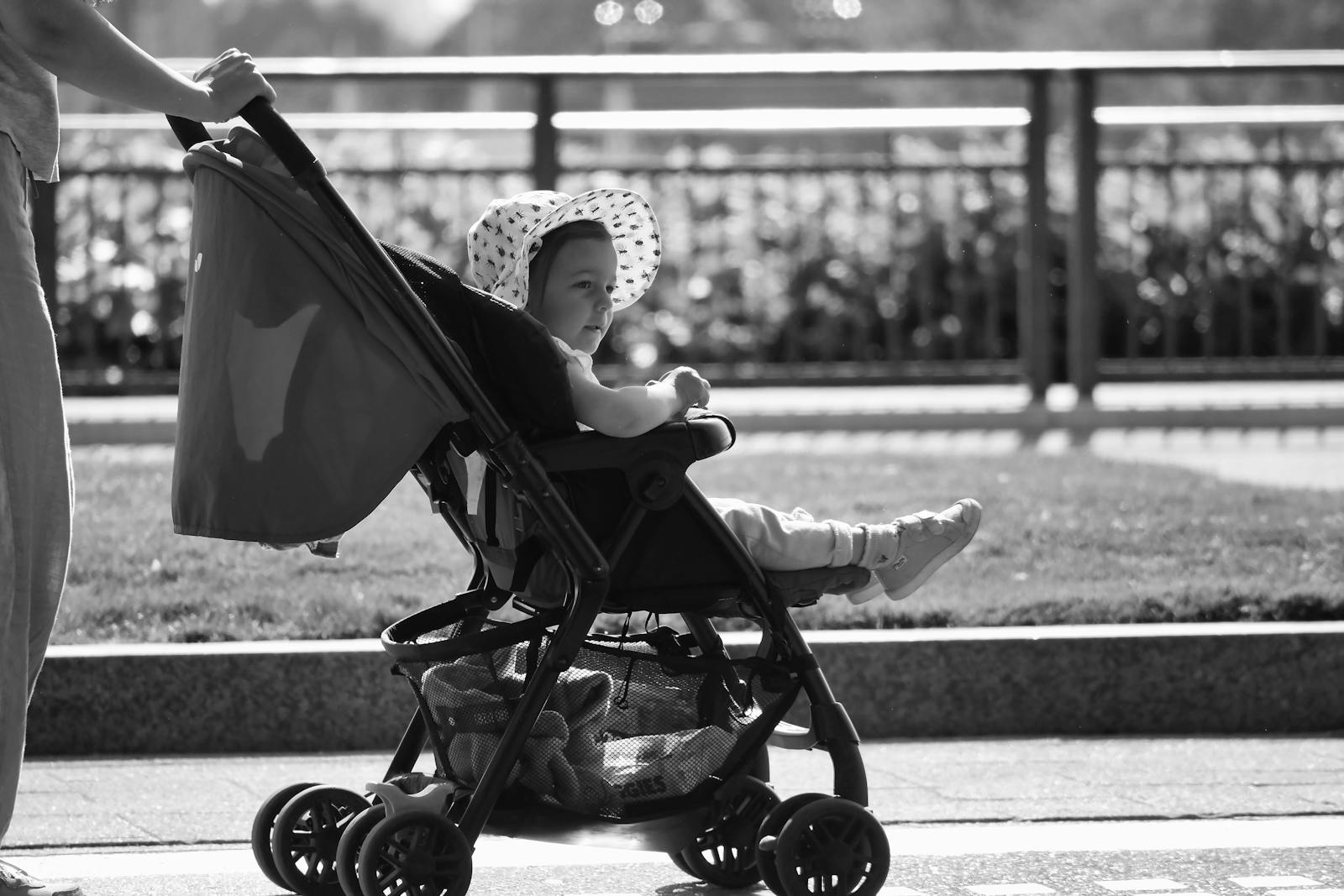
Berlin with a toddler is genuinely easier than most major European capitals. Under-6s ride public transport free, always. Most U-Bahn stations have lifts. Baby change facilities exist at every shopping mall and major museum (and a Berlin-specific tool — FixMyDiaper.com — maps 160+ verified changing locations across the city). The “stroller district” of Prenzlauer Berg has so many young families that the entire neighbourhood treats prams as standard furniture. This is a practical guide to Berlin with toddlers in 2026 — what works for 0–3 year olds, what to skip, how to handle the BVG with a pram, where to nap, where to change a nappy, and how to plan a day around the toddler-rhythm.
When to Go
The toddler-friendly sweet spot is April–October. Summer (June–August) can hit 35°C with limited air conditioning in older buildings and trams; bring sunhats, sun cream, and a stroller fan. Winter (December–February) drops to -5°C with serious wind — proper layers, snowsuit for the stroller, sheepskin liner. The most pleasant toddler weeks are typically late April, May, early June, and September. School holidays (late July through late August in Berlin) bring extra family crowds to the Zoo and parks.

Where to Stay with a Toddler
- Prenzlauer Berg — Berlin’s “stroller district.” Cafés with Spielecke (play corners) on every block, multiple playgrounds (Helmholtzplatz, Kollwitzplatz, Mauerpark), quieter residential streets, easy walking distances. The single best neighbourhood for a family base.
- Charlottenburg — quieter alternative in West Berlin, family-oriented, near Berlin Zoo, larger hotel rooms, more space.
- Wilmersdorf — also western, very quiet, less central but pleasant.
- Mitte — central but more expensive and busier; fine if you specifically need to be close to attractions.
- Avoid: party-heavy Friedrichshain street-facing rooms (especially Simon-Dach-Strasse corridor), Kreuzberg SO36 evenings if you have light sleepers. Daytime fine in both.
For accommodation tips: hotels with cribs (Kinderbett) on request — most chains have them — or apartment rentals via Wunderflats and vetted Airbnb for the kitchen and laundry. Apartments at 4+ nights typically beat hotel rates. See our budget accommodation guide.
Getting Around with a Stroller
Public Transport Basics
- Under-6s ride free on BVG (U-Bahn, S-Bahn, tram, bus) always — no separate ticket needed.
- Strollers ride free with a valid adult ticket.
- Designated stroller spaces are near middle bus doors and on trams. U-Bahn carriages also have wider door areas.
- Most U-Bahn stations have lifts — check the BVG app for the current “Aufzüge / elevator malfunctions” status before you go. Elevator outages are not rare.
- Bus is always stroller-friendly — drivers lower the entrance for prams. Tram has dedicated spaces near the middle doors.
- S-Bahn: older carriages have a step at the door; newer rolling stock (added 2026) has wider door access. Most stations have lifts.
- Avoid rush hour: 7:30–9:00 and 17:00–19:00.
Taxis
Request “Kindersitz, bitte” when booking a taxi if your toddler needs a car seat. Not all taxis carry them; book ahead via FreeNow or Taxi-Berlin (030 202020). For young toddlers, most parents accept the held-on-lap approach for short rides, which is technically not legally compliant in Germany but common practice.
Tram Track Safety
One real hazard for stroller users: Berlin trams run in dedicated tracks down the middle of many streets in central and eastern districts. Crossing the tracks requires you to be aware of incoming trams from both directions. Trams are quieter than expected. Walk carefully, especially on busy streets like Karl-Liebknecht-Strasse, Schönhauser Allee, and Greifswalder Strasse.
Toddler-Appropriate Attractions
- ANOHA Children’s World (next to Jewish Museum) — purpose-built for ages 3–10, but works for slightly younger toddlers too. Wooden Noah’s Ark, 150 touchable animals, indoor space, free entry. Non-slip socks required. The single best toddler indoor option in Berlin. See our Jewish Museum guide.
- Labyrinth Kindermuseum (Wedding) — has a dedicated toddler corner alongside the older-kid spaces.
- MACHmit! Museum (Prenzlauer Berg) — sensory rooms work for 2+.
- Naturkundemuseum — dinosaurs work from age 3, though strollers must be coat-checked at the entrance. Best for ages 4+.
- Berlin Zoo — compact, paved, lots of close-up animal viewing. Pandas, sea lions, the petting zoo. Allow 3–4 hours. See our Zoo and Aquarium guide.
- Berlin Aquarium — jellyfish wall is the toddler magnet.
- Tierpark Berlin — larger, less crowded, free park train when running. Better for stroller pushing because of the space.
- Tiergarten playgrounds — Café am Neuen See has the best one. The Englischer Garten section is quieter.
- Tempelhofer Feld — completely flat for stroller pushing. Multiple toddler playgrounds at the edges (the Fliegerspielplatz has wooden propeller planes). Best for ages 1+.
- Volkspark Hasenheide — free petting zoo, 1001 Nights themed playground, large open lawns. Fenced playground means toddlers can run.
- Britzer Garten — themed playgrounds, miniature railway in summer, water labyrinth. €3 adult / under-6 free.
- Pfaueninsel (Wannsee ferry) — free-roaming peacocks, no cars, no bikes, completely toddler-safe. Bring a carrier rather than a stroller; the gravel paths are bumpy.
- Domäne Dahlem — working farm with animals to feed. €3 / under-18 free.
- Bikini Berlin Monkey Window — free, indoors, looks directly into the Zoo’s monkey enclosure. Toddlers love it.
What to Skip with Under-3s
- DDR Museum — interactive but text-heavy; the Trabant simulator is the only hit for under-3s.
- Most Museum Island museums — beautiful but quiet, slow-paced.
- Topography of Terror — text and photos, dark themes, not appropriate.
- Jewish Museum core exhibition — too intense and quiet. Use ANOHA instead.
- Most walking tours — 3 hours is too long for toddlers.
- Pergamon Museum closed anyway through 2027.
- Berlin Story Bunker / Stasi Museum / Berlin Dungeon — heavy adult material.
- Reichstag dome — works for older kids but the elevator + dome viewing has nothing for a toddler.
- Fine-dining restaurants — see our family restaurants guide for toddler-friendly alternatives.
Baby Changing Facilities
FixMyDiaper.com/berlin is the single most useful tool — a community-maintained map of 160+ verified changing locations across Berlin, with notes on cleanliness and accessibility. Bookmark it on your phone.
Reliable changing facilities at:
- Major malls: Mall of Berlin (Leipziger Platz), Alexa (Alexanderplatz), Bikini Berlin (Zoologischer Garten), KaDeWe (Wittenbergplatz). All have dedicated baby-change rooms.
- Hauptbahnhof: baby-change room near the women’s bathroom on the central level. Open 24h.
- Most major museums: Naturkundemuseum, Technikmuseum, ANOHA, Jewish Museum, Hamburger Bahnhof. The Humboldt Forum has excellent facilities.
- Larger café chains: Coffee Fellows, Starbucks, McCafé.
- Dussmann das KulturKaufhaus (Friedrichstrasse) — baby change in the basement.
Plan around malls and museums on long walking days. Public toilets cost €0.50–€1 and rarely have changing tables; treat them as last-resort.
Public Breastfeeding and Nursing
Berlin is generally relaxed about public breastfeeding. Most cafés welcome it without comment. Larger shopping malls (Mall of Berlin, KaDeWe, Alexa) have dedicated nursing rooms or quiet seating areas. Parks, restaurant terraces, museum cafés — all fine. If you want privacy, the Humboldt Forum has a quiet room available on request.
The Nap-Anchored Daily Rhythm
The single best toddler-travel principle: build the day around the nap rather than trying to fit naps into a packed itinerary. A workable Berlin rhythm:
- 09:00–13:00: first activity (museum, attraction, park).
- 13:00–14:00: lunch with the toddler.
- 14:00–16:00: nap. Stroller nap on a park bench works for most toddlers (Tiergarten, Tempelhofer Feld). Hotel room nap is the alternative.
- 16:00–19:00: second activity or a slower park visit.
- 19:00: early dinner (German restaurants are open by then and quieter).
- 20:00: bedtime.
Plan the morning slot for whatever needs energy and concentration (museum, attraction with timed entry). Save the afternoon for parks, café visits, or browsing — things that survive a tired toddler.
Eating with a Toddler
- Bakery lunches are the toddler-friendly default — Brötchen with cheese or sausage, butter, fruit. €3–5 per child, eaten in any park or on a bench.
- High chairs (Hochstuhl) available at most German restaurants — ask “Haben Sie einen Hochstuhl?”
- Kid menus (Kinderkarte) usual at mid-range restaurants. €5–9 for small schnitzel, spaghetti with red sauce, pancakes.
- Eat early. 18:00 is the family dinner hour in Berlin; restaurants are quiet and accommodating. By 20:00 the adult dinner crowd dominates.
- Café Anna Blume, Datscha, Restauration Tucholsky are the Prenzlauer Berg brunch standards. Café Mini Me and Spielzimmer have indoor playgrounds inside the café.
- Späti for emergency snacks. Berlin’s late-night corner shops sell Brötchen, fruit, biscuits, milk, water — €5 gets you a toddler emergency kit.
- Free tap water: ask for Leitungswasser bitte — not always given but cafés are flexible.
- Baby food jars: available at any Drogerie (dm, Rossmann), supermarket (Lidl, Rewe), and most pharmacies. Brand: Hipp is the German standard.
See our family restaurants guide for the full picture.
Stroller Logistics
- Berlin is a stroller-supportive city. Almost every café, restaurant, and museum accommodates strollers without complaint.
- Cobblestones are real in old districts (Prenzlauer Berg side streets, parts of Mitte). Bring sturdy wheels — beach-buggy-style strollers are unhappy on Berlin streets. Lightweight umbrella strollers struggle.
- Some museums don’t allow strollers inside. Naturkundemuseum requires coat-checking strollers. Most other museums accept them.
- Stroller rental: available at Berlin Zoo (€3/day, deposit) and a few hotels.
- Subway-elevator etiquette: strollers have priority. People generally yield space. Drivers wait for strollers at bus and tram stops.
Health and Emergencies
- 112 — pan-European emergency (free, dispatchers speak English).
- 116 117 — non-emergency doctor on-call line; can route to English-speaking doctors.
- 22833 (mobile) or 0800 00 22833 (landline) — Notdienst Apotheke (emergency pharmacy) locator. Berlin pharmacies rotate Sunday/night service.
- Pharmacies (Apotheke) — basic baby supplies (formula, nappies, baby medicine, paracetamol) widely available.
- Berlin pediatric ERs: Charité (Augustenburger Platz 1, Mitte and Steglitz campuses) and Sankt Hedwig Krankenhaus (Große Hamburger Strasse 5–11). Both accept walk-ins and have pediatric services.
- English-speaking doctors: doctorberlin.de and arztbesuche.de offer home visits in English. Welcome Center Germany maintains a list of English-speaking pediatricians.
- EHIC card covers most basic medical care for EU citizens.
Packing for Berlin Weather with a Toddler
- Summer (June–August, 20–35°C): sun hat, sun cream (SPF 30+), water bottle, stroller fan, swimsuit + swim diaper for the Plansche fountains, lightweight rain jacket for sudden showers.
- Spring/Autumn (April–May, September–October, 8–18°C): layers, waterproof shell, sturdy shoes, hat.
- Winter (November–March, -5 to +8°C): snowsuit, sheepskin stroller liner, mittens, hat, warm boots, hot drink in a thermos. Berlin’s wind makes it feel colder than the temperature suggests.
- Year-round: spare clothes, two extra nappies, wipes, snack pouch, sippy cup, small toy.
Rest and Quiet Time
Berlin can be overwhelming for a toddler. Build in quiet hours each day.
- Tiergarten quiet areas: the Englischer Garten section, Café am Neuen See lakeside benches.
- Pfaueninsel — free of cars, bikes, and crowds.
- Schlosspark Charlottenburg gardens — quiet, paved, formal.
- Bürgerpark Pankow — small park with a free mini-zoo, peaceful.
- Hotel naps — pick a hotel near a U-Bahn so you can return easily for nap windows.
Toddler Safety Considerations
- Traffic: Berlin drivers respect zebra crossings and pedestrian lights. Always use marked crossings with a toddler. Don’t jaywalk; locals frown on it especially with children.
- Bicycles: Berlin has a major cycling culture and dedicated bike lanes along most main roads. Don’t walk in the bike lane. Always check both directions before crossing a sidewalk that has a bike lane built in.
- Tram lines: as mentioned, the trams are quieter than expected. Watch carefully on Schönhauser Allee, Karl-Liebknecht-Strasse, and Greifswalder Strasse.
- Pickpocket hotspots: Hauptbahnhof, Kotti, Warschauer Strasse — keep wallets in front pockets and don’t leave bags hanging off the stroller handles.
- Dog culture: dogs are often off-leash in Berlin parks. Most are well-trained but supervise your toddler around unknown dogs.
- Späti late-evening culture: Görlitzer Park east side and Mauerpark Sunday afternoons after 17:00 attract a party crowd. Daytime everywhere is family territory; later evenings less so.
Berlin Bath Time and Swimming
One Berlin pleasure that works particularly well for toddlers: the city’s outdoor swimming and Plansche fountain culture. From mid-May to mid-September, free public paddling fountains operate in Volkspark Friedrichshain, Görlitzer Park, Plänterwald, and Volkspark am Weinberg. Toddlers in swim diapers can splash freely. Strandbad Wannsee (Europe’s largest inland sand beach) and Strandbad Müggelsee have shallow lake entries safe for very young children. Stadtbad Neukölln has dedicated family swimming hours indoors year-round. Bring swim diapers (required for non-toilet-trained kids at pools — sometimes available at the entrance for €1–2, but bring your own for reliability).
Berlin Etiquette for Visiting Families
A few quiet cultural norms that smooth the toddler experience.
- Berlin children call adult strangers “Du” (informal you) — no need to teach your toddler the formal “Sie”. German children are addressed informally always.
- “Bitte” and “Danke” go far. Even toddlers attempting “Danke” earn smiles.
- Quiet hours (Ruhezeit) apply in residential buildings 22:00–06:00 and Sundays. If you’re in an Airbnb, keep toddler noise down during these hours.
- Berliners are friendlier to parents than their reputation suggests. People offer to help carry strollers, hold doors, give up seats on transit. Accept it.
- The German conversational “Servus” or “Guten Tag” entering shops, “Tschüss” leaving — toddlers find it fun to learn.
A Sample Two-Day Toddler Itinerary
Day 1 (West Berlin focus):
- 9:00–12:30: Berlin Zoo (focus on petting zoo, sea lions, pandas, picnic in the grounds).
- 13:00: Light lunch at Restaurant Giraffe near the Zoo.
- 14:00–16:00: Stroller nap in Tiergarten or hotel.
- 16:30: Bikini Berlin Monkey Window + KaDeWe sixth-floor food spectacle.
- 18:30: Family dinner at Mommseneck (Bavarian beer hall, kid-friendly).
Day 2 (Kreuzberg focus, indoor backup if raining):
- 9:00–12:30: ANOHA + free Jewish Museum core exhibition (booked time slot).
- 13:00: Lunch in Kreuzberg.
- 14:00–16:00: Nap in stroller, walk through Markthalle Neun on Thursday or weekend market days.
- 16:30: Tempelhofer Feld run-around and kite-flying.
- 18:30: Casual Italian dinner in Bergmannstrasse area.
Plan the airport end of the trip with the same care as the rest. Getting sleepy small children across the city for a 06:00 flight is miserable; a family room at one of the hotels a few minutes’ walk from Terminal 1 can be worth every euro. Our BER airport hotels guide compares them.
Frequently Asked Questions
Is Berlin good for toddlers?
Excellent. Free under-6 transit, abundant playgrounds, ANOHA purpose-built for 3–10, easy Zoo, exceptional café-with-Spielecke culture in Prenzlauer Berg, and the most stroller-friendly major-city public transport system in Europe.
Are U-Bahn stations stroller-friendly?
Most have lifts. Check the BVG app for current elevator status before each trip. Buses are universally stroller-accessible.
Do toddlers need a BVG ticket?
No — children under 6 ride completely free on all BVG transport. Reduced child tickets start at age 6.
Where can I change a nappy in Berlin?
Major shopping malls (Mall of Berlin, Alexa, Bikini Berlin, KaDeWe), Hauptbahnhof, all major museums, larger café chains. The FixMyDiaper.com/berlin map has 160+ verified locations.
Best Berlin attraction for under-3s?
ANOHA (free, indoor, purpose-built for ages 3+, but works for slightly younger), Berlin Zoo for the variety of animals at close range, Tempelhofer Feld for running space, Volkspark Hasenheide for the free petting zoo and themed playground.
Where can I buy baby supplies?
dm and Rossmann Drogerie chains everywhere — nappies, formula, baby food, wipes, basic medicine. Supermarkets (Lidl, Rewe, Edeka) carry the basics. Pharmacies (Apotheke) for medicine.
English-speaking pediatrician in Berlin?
Use doctorberlin.de, arztbesuche.de, or 116 117 (non-emergency doctor line). Welcome Center Germany maintains a list. Charité and Sankt Hedwig accept walk-ins for pediatric ER.
Final Word
Berlin with a toddler rewards a slower pace and a flexible plan. Build the day around naps, lean on Prenzlauer Berg or Charlottenburg as your base, use the under-6 free transit rule heavily, bookmark FixMyDiaper for changing locations, and let ANOHA + the Zoo + a few parks be the spine of the trip. Most of what works for older kids works for toddlers too at a reduced dose. The city’s infrastructure is genuinely supportive — you won’t fight the city the way you might in Paris or Rome.
Companion reads: our family attractions guide, parks and playgrounds guide, Zoo + Aquarium guide, family restaurants, and rainy day activities.