Budget Accommodation in Berlin: Under €50/Night Stays (2026)
Honest 2026 guide to Berlin budget accommodation under €50/night — hostels, budget hotels, apartment rentals, booking strategy, seasonal pricing.

The €50-a-night Berlin hotel still exists, but the picture is more complicated than it was a decade ago. Post-pandemic inflation lifted average Berlin hotel rates by 30–40% between 2022 and 2026. The €40 hotel rooms in central Mitte are gone. The €25 hostel dorm beds in trendy Friedrichshain still exist but only in low season. The good news: Berlin remains one of the most affordable major European capitals for accommodation, and you can absolutely build a trip on €40–60 a night for sleeping. This is the honest 2026 guide to budget accommodation in Berlin under €50 a night — what’s real, where to look, and what to avoid.
The €50/Night Reality Check in 2026
- Hostel dorm bed: €25–45 in low season, up to €60 in peak summer/event weekends.
- Private hostel room: €60–100.
- Budget hotel: €60–90 in low season, €90–150 in peak.
- Mid-range hotel: €100–180.
- Average Berlin hotel rate: €100–120/night in 2026 (up from ~€80 in 2022).
For context: Paris equivalent is €180–220/night. Amsterdam is €175–250. London is €200+. Berlin remains 30–40% cheaper for equivalent accommodation. But the days of finding a private room in central Berlin for €40 are over outside of very low-season weeknights or a hostel.
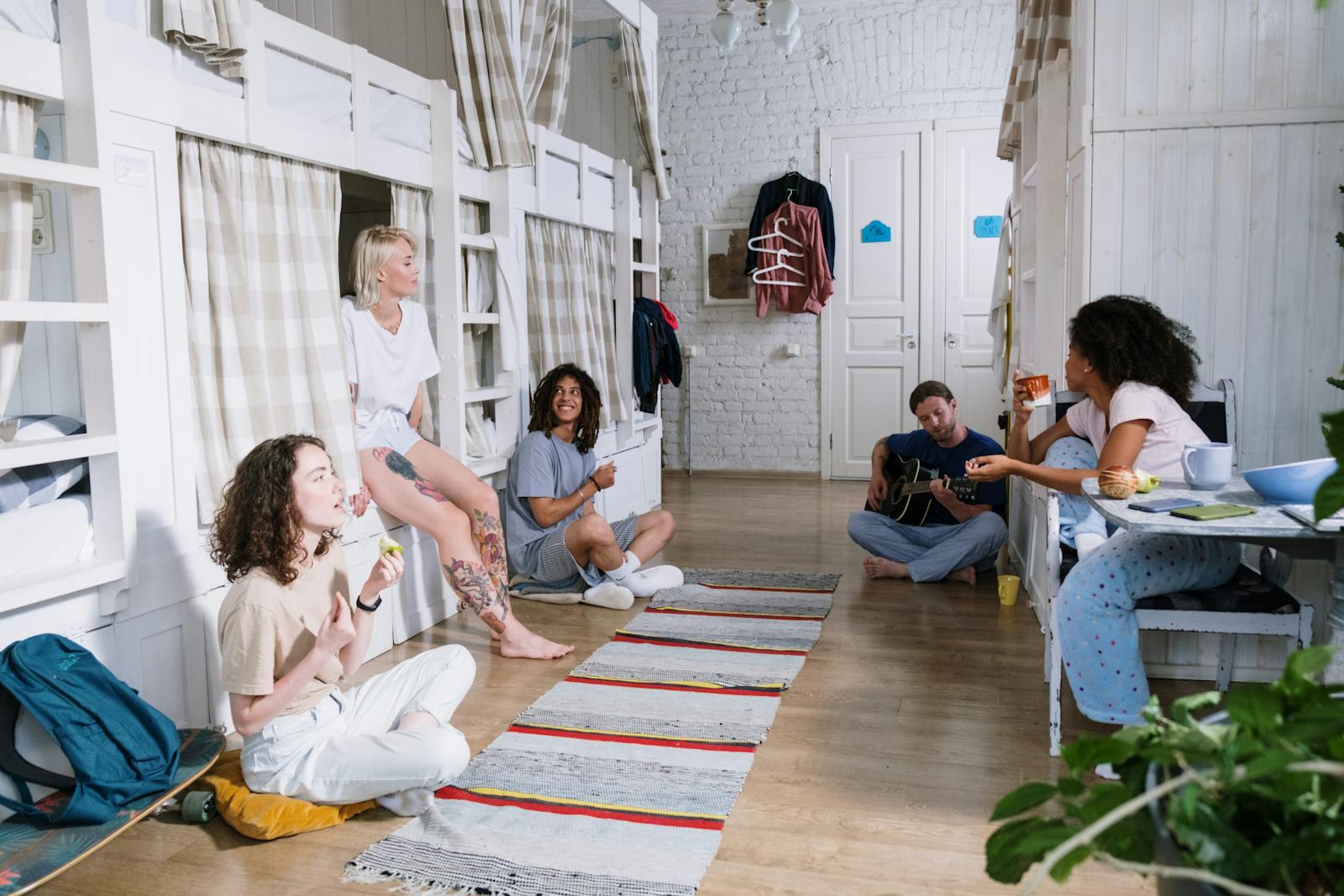
Best Hostels in Berlin Under €45/Night
- Wombat’s City Hostel Berlin (Alte Schönhauser Strasse 2, Mitte) — Austrian chain known for design quality. Dorms from €25–40, central. Excellent on-site bar.
- Generator Berlin Mitte and Generator Berlin Prenzlauer Berg — design-led hostel chain. Dorms from €17.50 low season, breakfast included. Two locations, both well-rated.
- PLUS Hostel Berlin (Warschauer Platz 6) — pool, sauna, party-adjacent. Dorms from €25.
- EastSeven Berlin Hostel (Schwedter Strasse 7, Prenzlauer Berg) — independent, small (60 beds), garden, communal dinners three nights a week. Dorms €30–40, private rooms €70–90. The hostel for travellers who want community over party.
- Circus Hostel (Weinbergsweg 1A) — beds from €19, central Mitte, the best community vibe in Berlin hostels. Run by the Circus Hotel next door, which has a serious cocktail bar.
- Three Little Pigs Hostel (Stresemannstrasse 66) — former convent building near Anhalter Bahnhof. Dorms from €25.
- Heart of Gold Hostel (Johannisstrasse 11) — Hitchhiker’s Guide to the Galaxy themed, central Mitte, dorms from €30.
- St Christopher’s Inn at the Mitte (Pfalzgrafenstrasse 4) — party-hostel chain.
- Grand Hostel Berlin Classic (Tempelhofer Ufer 14, Kreuzberg) — library bar in a former Bishop’s Palace. Beautiful building. Dorms from €30.
- Wallyard Concept Hostel (Moabit) — family-run, industrial-design aesthetic, garden, slightly off-tourist-path.
Budget Hotels Under €100
- MEININGER Berlin (multiple locations: Hauptbahnhof, Alexanderplatz, Mitte, Tiergarten, Kreuzberg) — hostel-hotel hybrid, doubles from €50 in low season. The most reliable budget chain in Berlin.
- A&O Hostels (multiple locations: Kolumbus, Mitte, Hauptbahnhof, Friedrichshain) — hotel-style, designed for families and groups. Doubles from €60.
- Ibis Budget Berlin (Alexanderplatz, Hauptbahnhof, Kurfürstendamm) — French Accor chain, no-frills, reliable. €55–85.
- Motel One (multiple locations) — design-forward budget chain. Doubles from €89–110. Best value at the budget-design intersection.
- B&B Hotel Berlin (multiple locations) — French chain, doubles from €60.
- Premier Inn Berlin Alexanderplatz — UK chain, reliable, doubles from €70–90.
- Hotel Indigo Berlin Centre Alexanderplatz — usually mid-range but occasional budget rates.
- Vienna House Andel’s Berlin — mid-range with occasional budget rates in low season.
What €50/Night Actually Gets You in 2026
- Hostel dorm bed in low season, most areas: realistic.
- Budget hotel double in Wedding, Moabit, or outer districts: sometimes.
- Private hostel room: only with luck or booking 8+ weeks ahead in low season.
- Airbnb private room (not whole apartment) in cheaper district: sometimes.
- Whole apartment: basically no, unless 4+ nights with significant per-night discount.
- Central Mitte hotel under €50: realistically no.
Best Berlin Neighbourhoods for Budget Travellers
- Friedrichshain — close to nightlife, RAW Gelände, East Side Gallery. Best ratio of price to fun for under-35 travellers.
- Prenzlauer Berg — central, slightly more expensive than Friedrichshain, less party.
- Wedding — cheapest district. Less central, slightly rougher in spots, but well-connected by U-Bahn (U6) and S-Bahn (Ring).
- Neukölln — emerging hipster district. Some budget options, excellent food, growing nightlife.
- Moabit — overlooked, central enough, good budget hotels including Meininger. Close to Hauptbahnhof.
- Mitte — central but most expensive. Pay the premium only if you specifically need to be in the centre.
- Charlottenburg — quieter west, some budget options especially around Zoologischer Garten.
- Kreuzberg — has gotten expensive, especially around Bergmannkiez and Görlitzer Park. SO36 side near Mariannenplatz still has some budget options.
Booking Strategies That Work
- Book 6–8 weeks ahead in low season for cheapest rates.
- Avoid event weekends: Berlin Marathon (last weekend September), ITB Berlin tourism trade show (March), Berlinale (mid-February), Gallery Weekend (early May), Berlin Art Week (mid-September), Christopher Street Day (last weekend July), New Year’s Eve, and the entire month of December (Christmas markets).
- Sunday–Wednesday cheaper than Thursday–Saturday — typically 15–25% less. Flexible-date travellers can save meaningfully.
- Off-season (November–February except Christmas markets in December) is significantly cheaper — 25–40% below summer.
- For 4+ night stays: Wunderflats, Spotahome, or Airbnb whole apartments often beat hotels on per-night cost.
- Hostelworld for hostels, Booking.com for hotels, but always compare direct rates — independent hostels sometimes have direct discounts.
- Late-cancellation rates appear on Booking.com on Sunday evenings as next-week stock gets adjusted.
- Hostel loyalty programs (Generator, MEININGER, A&O) give 5–10% off after the first stay.
How to Stretch Your Budget Even Further
- Stay slightly outside Zone A but still on U-Bahn — Wedding (Zone A boundary), Lichtenberg (just inside Zone B), Tegel — all under €60.
- Book a hostel with kitchen access and self-cater two meals a day. See our cheap food guide.
- Travel in February or November when Berlin is cheapest.
- Avoid Friday and Saturday check-in if possible.
- Use VBB Tageskarte (€9.90) instead of paying per ride — see our cost per day guide.
- Skip the hotel breakfast (often €15–25) and eat at a bakery for €3–5.
- Combine a Welcome Card with a budget hotel for the full package — see our Welcome Card guide.
Detailed Hostel Reviews
A bit more detail on the major hostel picks, ordered by what they’re best for.
Best for First-Time Hostelers — Generator Berlin
Two locations (Mitte and Prenzlauer Berg). Design-led, with proper bars, breakfast included on most rates, English-speaking staff, well-lit corridors, modern bathrooms. Generator is a European hostel chain that has done more than anyone else to make hostels feel like contemporary boutique hotels at hostel prices. The Mitte location at Oranienburger Strasse 65 is the more central; Prenzlauer Berg at Storkower Strasse 160 is slightly quieter and cheaper. Both have dorms from €17.50 in low season and private rooms from €55.
Best for Community — EastSeven Berlin Hostel
Schwedter Strasse 7, Prenzlauer Berg. Independent, family-run, only 60 beds. Communal dinners three nights a week (about €5 — pasta, vegetarian curry, soup). Garden where guests gather in summer. The kind of hostel where you’ll know everyone’s name by the end of your second day. Dorms €30–40, private rooms €70–90. The hostel for travellers who want to meet people and have actual conversations.
Best for Party — PLUS Hostel Berlin
Warschauer Platz 6, right between Friedrichshain and Kreuzberg, walkable to Berghain, the RAW Gelände, and the East Side Gallery. Pool, sauna, on-site bar with cheap drinks, generally loud. Dorms from €25. Party-hostel atmosphere — not for light sleepers.
Best Building — Grand Hostel Berlin Classic
Tempelhofer Ufer 14, Kreuzberg. A converted former bishop’s palace from the 1870s, with the highest ceilings of any hostel in Berlin, a library bar with leather armchairs, and a quietly civilised feel. The building is the experience. Dorms €30–40, private rooms €80–100.
Best for Families — Wombat’s Mitte
Alte Schönhauser Strasse 2. Larger family rooms (4–6 bed private rooms) available. Excellent rooftop bar. Central location. Family rooms from €120 in low season.
A Worked Three-Night Budget
To anchor the numbers, here’s a realistic three-night budget for a solo traveller staying in a hostel dorm in Friedrichshain in low season (February):
- 3 nights × €27 dorm bed at PLUS Hostel = €81
- 3-day BVG pass: €27 (or Welcome Card 72hr ~€36 for the discounts)
- 3 days of food (breakfast included at hostel, Späti lunch + Imbiss dinner): €40–50
- 3 paid attractions × €12 average = €36
- One free walking tour tip: €12
Total: about €200 for three full days in Berlin. The equivalent trip in Paris would cost €350–400.
Hostels vs Budget Hotels vs Airbnb — Quick Decision
- Solo traveller under 30, social vibe wanted: hostel dorm or private room.
- Solo traveller wanting privacy: budget hotel double or hostel private room.
- Couple short stay (1–3 nights): budget hotel.
- Couple longer stay (4+ nights): Airbnb or Wunderflats apartment for kitchen access.
- Family of four: family room at A&O or Meininger, or an Airbnb apartment.
- Three or more friends: Airbnb whole apartment — much cheaper than separate hotel rooms.
- Backpacker on a strict budget: hostel dorm in Friedrichshain or Neukölln.
A Note on Airbnb Regulations
Berlin has strict short-let regulations — homeowners need a city permit (Zweckentfremdungserlaubnis) to legally rent their primary residence on Airbnb, and apartments cannot be rented out short-term without one. This has reduced Airbnb supply and pushed prices up since around 2020. Most legitimate Airbnbs are now either licensed primary residences (host stays there normally), licensed second-home properties (rare), or short-stay properties run as small businesses. Booking outside of these can technically be illegal, though enforcement against guests is rare. For longer stays (1 month+), platforms like Wunderflats and Apartment Trader work in a different legal category (mid-term furnished rental) and are usually the cheaper and more reliable option.
A Note on Hostel Safety
Berlin hostels are, on the whole, very safe. The major chains (Wombat’s, Generator, MEININGER, A&O, PLUS, Circus, EastSeven) all have keycard access to dorms, in-room lockers, 24-hour reception, and CCTV. Personal belongings can be locked in lockers — bring your own padlock or rent one for €1–3. Don’t leave laptops or expensive cameras visible in dorm rooms; use the locker. Female-only dorms are available at most major hostels for travellers who want one. Berlin’s broader city-centre safety levels are higher than tourists often assume — the city has one of the lower violent-crime rates in major European capitals — but pickpocketing in U-Bahn stations and at tourist hotspots is real, so keep your hostel keycard separate from your wallet.
Booking Platforms Compared
- Hostelworld — the dedicated hostel platform. Best filtering for hostel-specific features (private rooms, female dorms, bar on site, kitchen access). Often has cheapest hostel rates.
- Booking.com — broader inventory including hostels. Sometimes has lower hostel rates than Hostelworld due to volume deals. Best for budget hotels.
- Direct hostel websites — independent hostels (EastSeven, Circus, Grand Hostel) often have 5–10% discounts for direct bookings.
- Hostelz — useful aggregator that compares rates across Hostelworld + Booking.com + direct.
- Wunderflats — mid-term furnished rentals (1+ month). The cheapest legal option for stays over four weeks.
- Spotahome — similar to Wunderflats, for medium-term rentals.
- Airbnb — short-let regulations limit supply; most listings now require host stays. Often not the cheapest option for 1–3 nights.
- Google Hotels — quick price comparison aggregator across multiple booking sources.
Seasonality and Event Calendar
One detail that’s worth its own section because it has by far the biggest impact on what €50 actually buys. Berlin’s hotel rates are highly seasonal, and the spread between cheapest and most expensive periods runs 50–100% on the same room.
- Late January – early February: the cheapest period. Hotels can run 35–40% below their summer average. The trade-off is cold grey weather (-2 to +5°C), short days, and limited outdoor experience. February is the single best month for a budget-focused city break.
- Mid-February: Berlinale film festival lifts rates significantly. Avoid these ten days unless you’re attending the festival.
- March: ITB Berlin tourism trade show (usually mid-March) is the city’s biggest hotel-pricing event of the year. Avoid this week.
- April–May: mid-range pricing, with a spike during Easter and Gallery Weekend (early May).
- Summer (June–August): uniformly busy and uniformly expensive. No event premium but base rates are simply higher across the board.
- September: two major event weekends — Berlin Art Week (mid-September) and the Berlin Marathon (last weekend). Both spike rates 30–60%.
- October–November: rates drop back significantly. November is the second-cheapest month after February.
- December: Christmas markets lift rates 25–40% throughout the month. New Year’s Eve is the single most expensive night of the year.
If you have flexibility on dates, a Sunday-to-Wednesday stay in late February is the cheapest possible combination — you might find central budget hotels at €45–55 that would cost €110 in July.
Hidden Costs and Watch-Outs
- City Tax (Kurtaxe): Berlin charges 5% of the room rate as a city tourist tax, capped at 21 nights. Most hotels add it at checkout rather than including it in the headline rate. A €50 room becomes €52.50 after tax.
- Breakfast charges: often €15–25 per person per morning at hotels. Skip and use the bakery next door for €3–4.
- Towel and linen fees at some budget hostels (€2–5 one-time).
- Padlock rental at hostels (€1–3) — bring your own.
- Late check-in fees at some hostels — check policies if arriving after 22:00.
- Booking fee surcharges on some platforms (avoid by booking direct where possible).
One budget trap to avoid: booking the cheapest room in town and then paying for a dawn taxi to the airport. If your flight home leaves before about 07:00, a room near BER can work out cheaper overall, and the budget hotels in Schönefeld cost less than their city equivalents. Our guide to hotels near BER airport runs the numbers.
Frequently Asked Questions
What’s the cheapest hostel in Berlin?
Generator Berlin (Mitte or Prenzlauer Berg) has dorms from €17.50 in low season. MEININGER and Circus also dip to €20–25 weeknights.
Can I really stay in Berlin for €50 a night?
Yes — hostel dorm in any district, or a budget hotel double in Wedding or Moabit in low season. Don’t expect central Mitte at this price.
What’s the best budget hotel in Berlin?
MEININGER or Motel One for hotel-feel at budget rates. A&O for families. Meininger Hauptbahnhof and Motel One Hauptbahnhof are both excellent for early train departures.
Budget accommodation near Berlin Hauptbahnhof?
A&O Berlin Hauptbahnhof, MEININGER Berlin Hauptbahnhof, and Motel One Berlin Hauptbahnhof are all 5–10 minutes’ walk from the station.
Is Airbnb cheaper than hotels in Berlin?
Only for stays of 4+ nights, where the per-night rate of an apartment drops below hotel rates. Berlin’s strict short-let licensing has reduced Airbnb supply and pushed prices up. For 1–3 nights, hostels and budget hotels are usually cheaper. For 1 month+, Wunderflats wins.
Best time to book Berlin hotels?
6–8 weeks ahead in low season for cheapest rates. Travel in February or November (excluding Christmas markets in December) for the deepest discounts.
Are Berlin hostels safe?
Yes — all major chains have keycard access, 24h reception, in-room lockers, and CCTV. Personal vigilance with valuables in dorm rooms is sensible everywhere.
How much for a Berlin hotel on average?
Average 3-star Berlin hotel runs €100–120/night in 2026 across the year. Drops to €70–90 in February. Spikes to €150+ during event weekends.
Final Word
The €50/night Berlin trip is doable but requires planning. Hostels are the dependable floor. Budget hotels open up in low season and outer districts. Apartment rentals work for longer stays. Avoid event weekends, book 6–8 weeks ahead, and stay outside central Mitte. Berlin remains the most affordable major Western European capital for accommodation — just with less margin than ten years ago.
Companion reads: our Berlin cost per day guide, best hostels guide, accommodation overview, and our neighbourhoods guide.