Berlin in Winter 2026/27: Christmas Markets, Ice Skating & Berlinale
Complete guide to Berlin in winter 2026/27 — Christmas markets, ice skating rinks, Berlinale, indoor escapes, cosy bars, and what to do when it's cold.
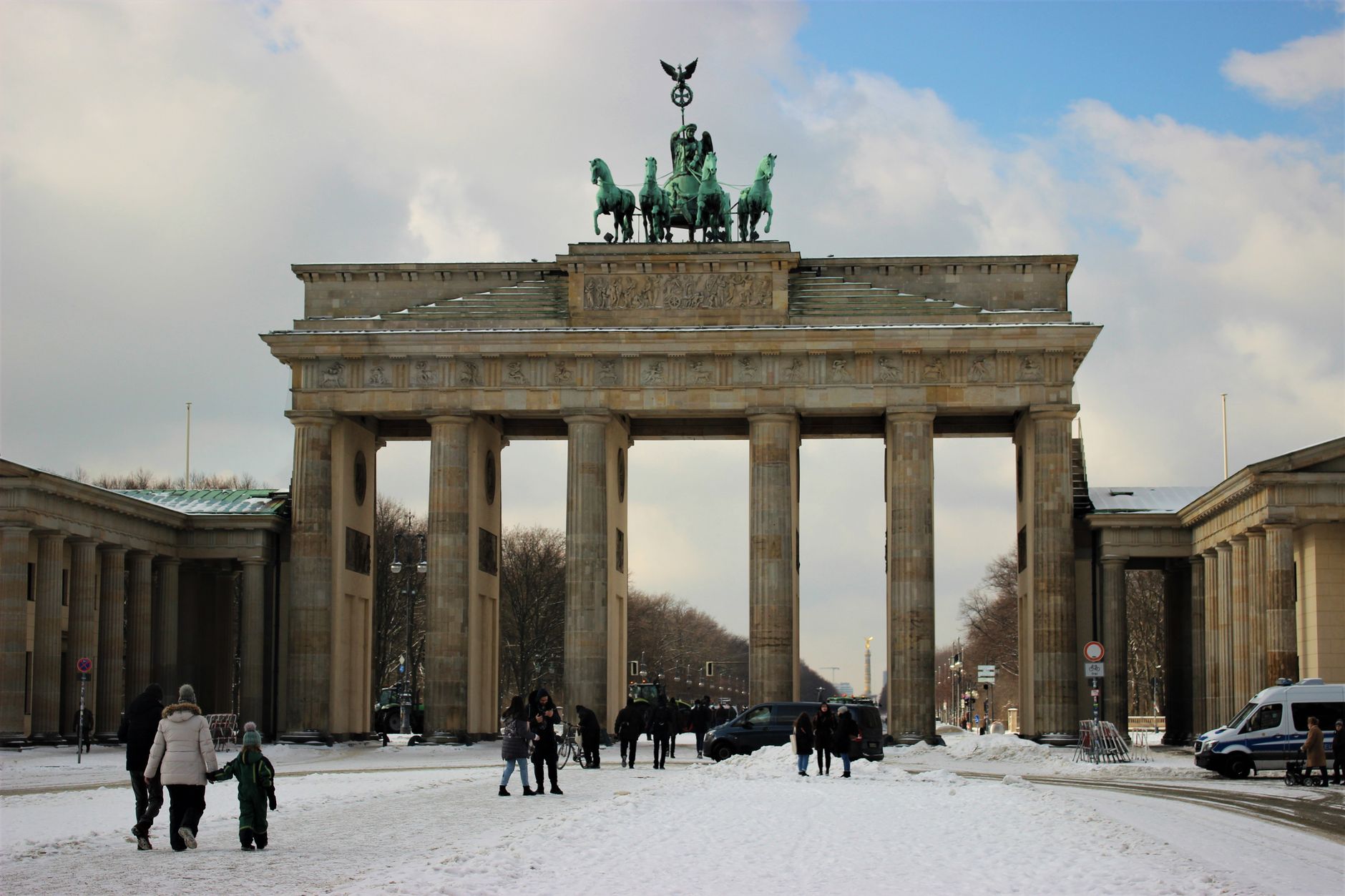
Winter in Berlin is a different city again — quieter, more cinematic, and significantly more atmospheric than the summer postcard version suggests. From late November through mid-February, the days are short, the sun sits low through bare trees, and a thick layer of indoor culture takes over. Christmas markets light the central squares for a month. The Berlinale brings the global film industry to town in February. Outdoor ice skating rinks open across the city. The Berliner approach to cold is to lean into it: hot Glühwein at five o’clock, long indoor evenings, and a quiet that summer doesn’t allow.
This guide covers what’s actually worth doing in Berlin between December 2026 and February 2027 — the markets, the ice skating, the Berlinale, the indoor escapes for genuinely cold days, and the practical advice you’ll need to enjoy it rather than survive it.
Winter in Berlin at a Glance
| Month | Avg High / Low | Daylight | What to Expect |
|---|---|---|---|
| December | 4°C / 0°C | ~8 hours | Christmas markets in full swing, occasional snow, lots of grey |
| January | 3°C / -1°C | 8-9 hours | Coldest month, highest snow chance, post-NYE quiet |
| February | 5°C / 0°C | 9-11 hours | Berlinale, lengthening days, last winter sales |
Why Visit Berlin in Winter
The honest case for Berlin in winter has three pillars. First: the Christmas market season is one of the best in Europe — over eighty markets across the city, more variety than Munich or Vienna, and the most authentic local atmosphere of any major German city. Second: the cultural programming is dense — major opera, theater, and music seasons hit their stride from November through March. Third: hotel prices are 40-50% below summer peak rates, and the popular museums are finally walkable without a queue.
The honest case against: it’s cold and grey. Daylight is short (sunset by 4 pm in late December). Some outdoor attractions close for the season. If you require sunshine and outdoor sitting, this is not the trip for you. If you can lean into the indoor culture and don’t mind dressing seriously for the cold, winter rewards you with a city most travelers never see.
Berlin Christmas Markets 2026 — The Backbone of December
The Christmas market season opens November 23, 2026 (the first Monday of Advent) and most major markets run through December 22-23. A smaller group, including WeihnachtsZauber Gendarmenmarkt, extends through New Year’s Eve. The full deep dive on which markets to prioritize is in our Berlin Christmas markets guide, but the short version: WeihnachtsZauber Gendarmenmarkt for the most beautiful setting (€2 entry, free before 14:00 on weekdays), Charlottenburg Palace for the most photogenic at night, Spandau for the largest and most traditional, Alexanderplatz for the loudest and most family-friendly, Lucia at Kulturbrauerei for the Nordic-themed alternative, and RAW Holymarkt in Friedrichshain for the alternative scene.
Go early in the season if you can — the first two weeks have the lightest crowds, the freshest stock, and the best-tempered stallholders. December weekends, particularly the last two before Christmas, get genuinely overwhelming at the famous markets.
Ice Skating in Berlin — The Best Rinks
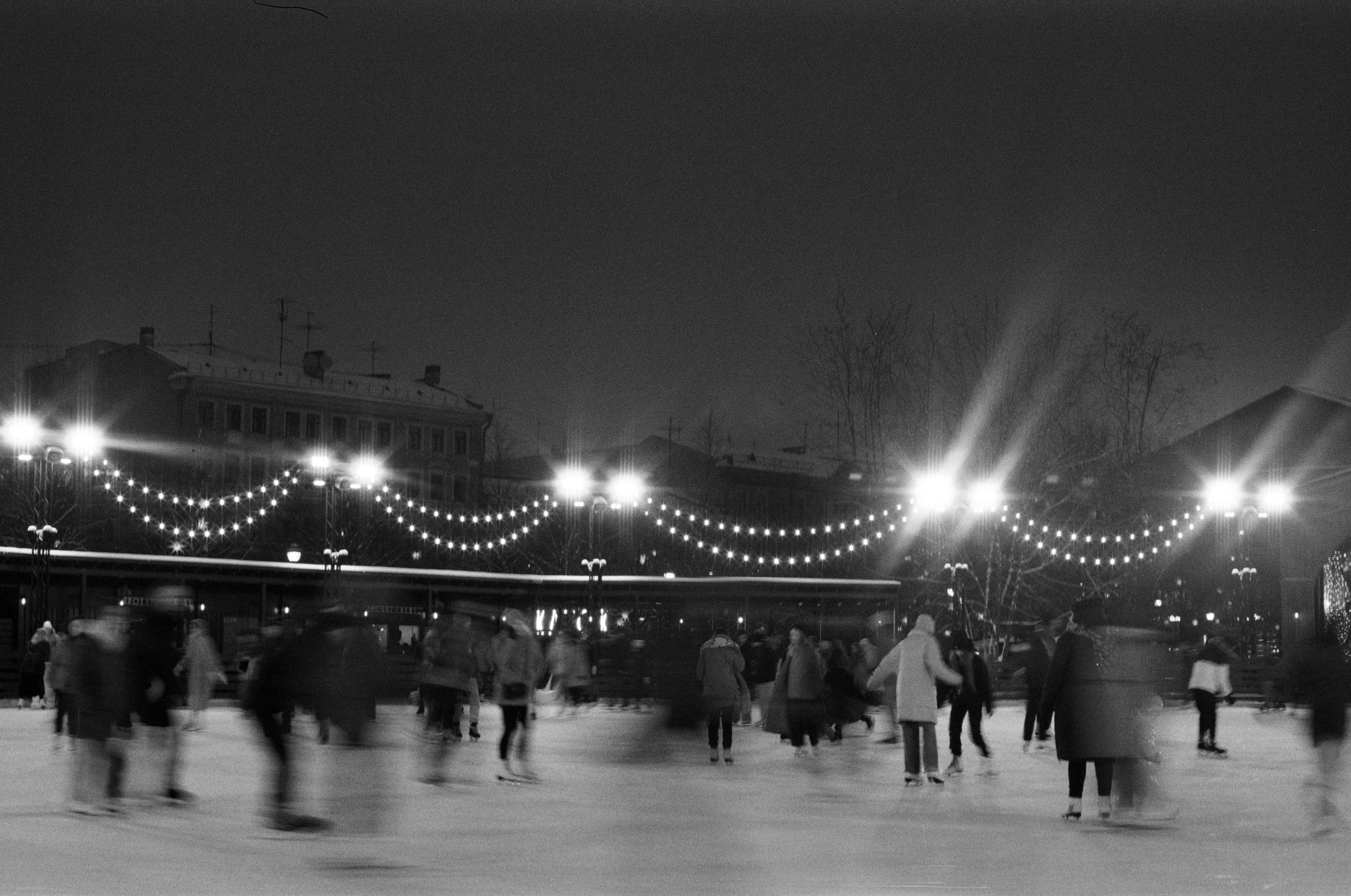
Berlin’s outdoor and covered ice skating culture is one of the city’s underrated winter pleasures. Most rinks open in early November and run through mid-March. Skate rental runs €4-6 at most rinks. Entry tickets €4-7.
Horst-Dohm-Eisstadion (Wilmersdorf): The biggest at 6,170 square meters, outdoor with covered sections. Open mid-October through early March. Mon 7:15-22, Tue-Fri 9-18 plus 19:30-22, Sat 9-22, Sun 10-18. Excellent for serious skaters, good rental gear. U7 to Fehrbelliner Platz.
Erika-Heß-Eisstadion (Wedding): Third-largest rink, with covered indoor and outdoor sections. The covered area makes it the most weather-resilient option — works fine in heavy snow when outdoor rinks struggle. U6/U9 to Leopoldplatz.
Eisbahn Lankwitz: Family-friendly neighborhood rink with a strong Saturday-night “skating disco” tradition. Lights, music, kids and teens, classic German neighborhood institution. S25 to Lankwitz.
Neukölln Eisbahn: Seasonal outdoor rink with the most relaxed, neighborhood feel. Opens roughly with the others, closes a touch earlier in February. U8 to Hermannstrasse.
Winterwelt am Potsdamer Platz: Not a traditional rink — it’s a winter festival including ice skating, curling lanes, and a toboggan run. Operates late October through early January. Touristy, central, and worth a visit when nothing else is open. See our Christmas markets guide for the broader Winterwelt experience.
New Year’s Eve in Berlin
Silvester in Berlin is its own animal. The free open-air party at Brandenburg Gate (called “Yeah 26!” for the 2026/2027 transition) hosts about 20,000 ticketed attendees from 22:00 on December 31. Fireworks are legal across most of the city from 18:00 December 31 to 07:00 January 1, with four official ban zones (Alexanderplatz, parts of Steinmetzkiez Schöneberg, parts of Sonnenallee Neukölln, and the Admiralbrücke area in Kreuzberg). The U-Bahn runs all night. Berghain hosts its multi-day Silvester Klubnacht starting at 1 am on January 1. Watergate closed permanently in December 2024 — older guides still reference it. The full guide is in our Berlin New Year’s Eve article.
Berlinale — February’s Cinematic Highlight
The Berlin International Film Festival — the Berlinale — is one of the world’s three major film festivals (alongside Cannes and Venice) and the only one open to public ticket sales for most screenings. The 76th edition ran February 12-22, 2026; the 77th edition is expected in mid-February 2027 (typical dates Thursday opening through Sunday awards ceremony). Programming spans the Competition (red carpet titles, major premieres), Berlinale Special (industry-favorite screenings), Generation (films for and by young people), Forum (experimental and political cinema), and Panorama (independent international features).
Tickets go on sale to the public 72 hours before each screening through the festival website. Most public screenings sell out fast — set alarms for the release time. The Berlinale Palast at Potsdamer Platz is the marquee venue; satellite screenings happen at the Zoo Palast, Kino International on Karl-Marx-Allee, and a dozen other historic Berlin cinemas. Even non-ticket holders can experience the festival vibe — Potsdamer Platz hosts the public installations and the red carpet during the festival.
Indoor Attractions for Cold Days
When the temperature drops below freezing and the rain turns to sleet, Berlin’s indoor culture earns its reputation. The major museums on Museum Island — the Pergamon (parts still under renovation through 2026), Neues Museum, Bode, Alte Nationalgalerie, and Altes Museum — are at their most pleasant in winter, with shorter queues and warm interiors. The Jewish Museum Berlin, the DDR Museum, and the Stasi Museum offer dense, focused experiences for grey afternoons. The TV Tower observation deck is dramatic in winter twilight — book online for skip-the-line access.
Tropical Islands Resort: About 60 km south of Berlin in Brandenburg, the converted Cargolifter hangar houses a year-round indoor “tropical beach” at 26°C with sand, lagoons, water slides, and a rainforest. Reachable by RE2 regional train (about 90 minutes). Day ticket €54 adult; family options available. Unusual, worth doing once with kids.
Vabali Spa: The largest urban day spa in Berlin, in Moabit. Multiple saunas, pools, and a Balinese-influenced design across 20,000 square meters. €34.50 for four hours. Open 9am-midnight. Adults only (16+). The single best place in Berlin to be on a freezing January afternoon.
Liquidrom: Smaller, more atmospheric than Vabali. Salt water flotation pool with underwater music. Right next to Anhalter Bahnhof — easy from central Berlin. €25.50 for two hours.
Cosy Bars and Winter Drinking
Berlin’s serious cocktail bars are at their best in winter. Buck and Breck in Mitte (cocktail nerd’s destination, eight seats), Becketts Kopf in Prenzlauer Berg, Truffle Pig (atmospheric cocktail concept across multiple addresses), and Green Door in Schöneberg are the classics. Tausend on Schiffbauerdamm is the late-night drinking institution. Cosy neighborhood standouts: Velvet Bar in Charlottenburg, Lebensstern at Café Einstein for proper old-school atmosphere. The best bars in Berlin guide covers the broader scene.
The Berliner Approach to Winter Food
Winter is when Berlin food makes the most sense. Heavy German classics — Eisbein (pickled pork knuckle), Sauerbraten, Gänsebraten (roast goose, particularly for the Christmas season), Rouladen, and Königsberger Klopse (capers-and-cream meatballs) — are all best in winter. The traditional restaurants worth visiting: Zur Letzten Instanz (Berlin’s oldest restaurant, dating to 1621), Marjellchen for East Prussian classics, Max und Moritz in Kreuzberg, and Henne Alt-Berliner Wirtshaus for fried chicken in a setting unchanged for a century.
Glühwein season runs alongside Christmas markets. After they close, look for Feuerzangenbowle (the flaming sugar-loaf version of mulled wine) at certain bars through January. Coffee with Schnaps is a perfectly reasonable afternoon order at traditional Berlin cafés in winter.
Karneval, Winterschlussverkauf, and Other Winter Notes
Berlin is a Protestant city and never developed the serious Carnival/Fasching culture of the Rhineland (Cologne, Düsseldorf, Mainz). The main Berlin event closest in spirit is the Karneval der Kulturen, which is May, not winter. A handful of Rhineland-style Karneval parties happen in Berlin pubs around Rosenmontag (Carnival Monday, February 16, 2026 for the 2027 timing — falls in February 2027), but they’re niche.
Winterschlussverkauf — the traditional German winter sales period — runs roughly from the second week of January through the first week of February. Major retailers, department stores like KaDeWe, and many independent boutiques run their deepest discounts of the year. Combine with shopping at the major malls (see our Mall of Berlin and Alexa guide) for the most efficient sales-hunting.
What to Pack for Berlin in Winter
Take this seriously. Berlin winters can be brutal in ways most travelers underestimate. The temperatures are not extreme by Scandinavian standards, but the combination of damp air, wind, short daylight, and long outdoor walks makes the cold feel much more aggressive than the thermometer suggests. Pack: a proper winter coat (knee-length is ideal), thermal base layers, wool socks, waterproof winter boots (essential — sneakers are a mistake), a heavy scarf, gloves, and a beanie or warm hat. Hand warmers are cheap at any pharmacy. A small umbrella for the wet days.
Most importantly: dress for the cold you’ll feel standing at a Christmas market for two hours, not the cold you feel walking briskly from a U-Bahn station to a restaurant.
A Suggested Three-Day Winter Itinerary
Day 1: Morning at Museum Island (pick two of: Neues Museum, Pergamon if open sections, Alte Nationalgalerie). Lunch nearby. Afternoon walking the Brandenburg Gate / Reichstag / Holocaust Memorial axis. Early evening at WeihnachtsZauber Gendarmenmarkt before the dinner crowd. Late dinner at Zur Letzten Instanz.
Day 2: Half-day at the DDR Museum + a Berlin Wall walk along the East Side Gallery. Late lunch in Friedrichshain. Afternoon at Vabali Spa or, if traveling with kids, the TV Tower observation deck. Evening Christmas market at Alexanderplatz and Rotes Rathaus. Optional clubbing for night owls (see our techno clubs guide).
Day 3: Morning at Charlottenburg Palace + the smaller Bröhan Museum. Late lunch in Charlottenburg. Afternoon at Charlottenburg Christmas Market (opens at 14:00). Evening cocktail crawl in Mitte (Buck and Breck, Truffle Pig, Tausend).
Frequently Asked Questions
Is Berlin worth visiting in winter?
Yes, particularly if you’re going for the Christmas markets (late November through December), the Berlinale (February), or simply want a quieter, indoor-focused cultural trip. Hotel prices are 40-50% below summer rates. The trade-off is short daylight, frequent grey weather, and the need for serious cold-weather clothing.
How cold does Berlin get in December, January, and February?
December averages 4°C / 0°C, January 3°C / -1°C, February 5°C / 0°C. Cold snaps can drop temperatures well below freezing for a week at a time. Wind chill and humidity make Berlin winter feel colder than the temperatures suggest.
Does it snow in Berlin?
Yes, but inconsistently. January is the snowiest month with roughly nine snow days. December and February see less reliable snow. Berlin doesn’t usually accumulate much — most snow events drop a few centimeters and melt within days. Cold rain is more common than snow.
When are Berlin Christmas markets open in 2026?
Most major markets open November 23, 2026 and run through December 22-23. WeihnachtsZauber Gendarmenmarkt extends through December 31. Winterwelt am Potsdamer Platz runs October 30 through early January. Detailed dates in our Berlin Christmas markets guide.
When is the Berlinale 2026 / 2027?
The 76th Berlinale ran February 12-22, 2026. The 77th edition is expected in mid-February 2027 (official dates announced closer to the event). Public tickets go on sale 72 hours before each screening through the festival website.
What’s the best indoor activity in Berlin on a rainy/cold day?
For culture: Museum Island (Neues Museum, Alte Nationalgalerie). For relaxation: Vabali Spa or Liquidrom. For families: TV Tower, Tropical Islands (day trip), Aquadom successor planning if confirmed. For shoppers: KaDeWe or Mall of Berlin. For nightlife: the cocktail bars in Mitte.
Is New Year’s Eve at Brandenburg Gate free?
Yes — but ticketed. Free personalized tickets are distributed by Kulturprojekte Berlin starting December 1, with about 20,000 spots available. Photo ID required for entry. See our Berlin NYE guide for the full breakdown.
Final Word
Berlin winter is the season that converts skeptics. Most travelers I’ve taken around the city in January admit, by day three, that this is the version they’d quietly recommend. The cold imposes a slower pace. The indoor culture is dense. The food gets heavier and richer. The Christmas markets do exactly what they’re supposed to do. Come prepared for the weather, plan a few standing reservations indoors, and the city becomes one of Europe’s better winter destinations.