Berlin in Spring 2026: Events, Cherry Blossoms & Things to Do
Complete guide to Berlin in spring 2026 — cherry blossoms, the Half Marathon, May Day in Kreuzberg, Karneval der Kulturen, and when the city moves outdoors.
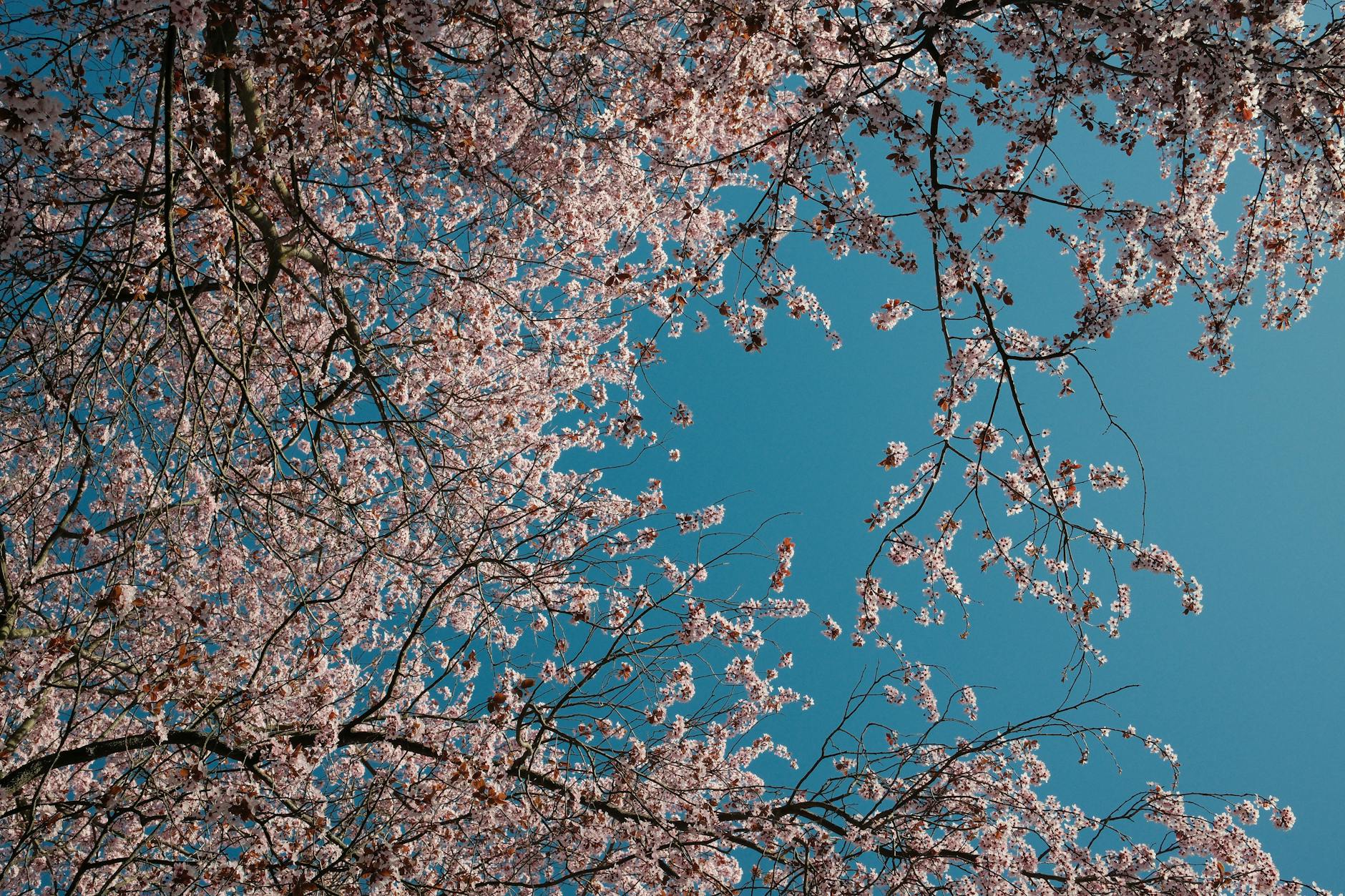
Spring in Berlin is the season the locals quietly fall in love with all over again. After four months of grey, you walk past a beer garden one Wednesday afternoon and realize the chairs are out, half of Mitte is sitting in the sun in t-shirts, and the magnolias in front of the apartment buildings have opened overnight. Berlin doesn’t ease into spring the way southern European cities do — it explodes into it, usually in the second or third week of April, and the city becomes a completely different place for ten weeks.
This guide covers what’s actually happening in Berlin between March and May 2026 — the cherry blossoms (yes, including the Teltow allee that reopened this year), the half marathon, May Day in Kreuzberg, the Karneval der Kulturen, and the moment when the city’s outdoor culture wakes up. It’s also a planning resource for anyone considering when to come: spring is, in my opinion, the most undersold season for visiting Berlin.
Spring in Berlin at a Glance — Month by Month
| Month | Avg High / Low | What to Expect | Headline Events |
|---|---|---|---|
| March | 9°C / 2°C | Cold, occasional snow flurries, daffodils late in month | Half Marathon (late March), Berliner Frühlingsfest opens |
| April | 14°C / 5°C | Cherry blossoms peak mid-month, parks come alive | Easter markets, Cherry Blossom Festival Gärten der Welt, Tulipan Britzer Garten |
| May | 20°C / 9°C | Beer gardens packed, outdoor pools open May 1, magnolias peak | Tag der Arbeit, Karneval der Kulturen, Gallery Weekend |
Why Spring Is Berlin’s Most Undersold Season
Most travelers come to Berlin in summer (lakes, festivals, long evenings) or December (Christmas markets). Spring tends to get skipped, partly because the city looks miserable on the first warm Berlin webcam shot anyone checks in March. But by mid-April the weather genuinely turns, prices are still in the low season range for hotels, and the city’s locals are out doing all the things they’ve been promising themselves since November. The first warm Saturday of the year — and I mean genuinely warm, around 18°C — is the closest thing Berlin has to a national holiday. Every park overflows. Every beer garden is packed by noon. Outdoor cafés along Kantstrasse, Bergmannstrasse, and Kastanienallee turn into impromptu street festivals.
The other thing spring gives you that summer doesn’t: a manageable city. The major attractions are open and operating normally, but they’re not yet at the August crush where the Pergamon line wraps around the building. Hotel prices are 20-30% lower than peak July/August. Restaurant reservations are easier. The crowds at the East Side Gallery are bearable. You get the Berlin Berliners actually live in, rather than the version the tourist brochures sell.
Cherry Blossoms in Berlin — Where and When in 2026
Berlin’s cherry blossoms are one of the city’s quietest, most photogenic spring stories. The trees were donated by Japanese TV broadcaster TV Asahi starting in 1990, as a goodwill gesture to celebrate German reunification. Over 9,000 trees were planted across Germany, with the largest concentration along the former Berlin Wall death strip. The result is a unique kind of historical bloom — you’re walking through cherry blossoms growing on what used to be the most heavily militarized border in Europe.
TV Asahi Kirschblütenallee (Teltow / Lichterfelde-Süd): The single best spot, reopened in 2026 after the soil restoration work that closed it for parts of 2025. Over a thousand trees stretch across nearly two kilometers along the former death strip. Take S25 or S26 to Lichterfelde-Süd, then walk to Holtheimer Weg. Peak bloom is typically the last week of March through the second week of April, though it shifts annually with the weather. Quiet on weekdays, popular on Sunday afternoons.
Bornholmer Strasse: The cherry trees along the former Wall-crossing point at Bornholmer Strasse are smaller in scale but layered with history — this was where the first East Berliners crossed on the night of November 9, 1989. The trees here also came from the TV Asahi donation. S1/S2/S25 to Bornholmer Strasse.
Hanami Cherry Blossom Festival at Gärten der Welt: The closest thing Berlin has to a proper Japanese hanami. April 11-12, 2026, noon to 5 pm, in the Japanese garden inside the Gärten der Welt park complex. Tea ceremony demonstrations, traditional music, food stalls. Entry to the park required (€7 adults). Take U5 to Kienberg/Gärten der Welt.
Other spots worth knowing: the Schwedter Steg footbridge, the eastern edge of Mauerpark, and the Japanese garden inside Gärten der Welt itself. Photographers should plan for early morning or sunset light — the trees photograph best when low-angle sun catches the underside of the blossoms.
The Berlin Half Marathon — A March Tradition
The Generali Berlin Half Marathon ran on Sunday, March 30, 2026 — the 45th edition. The 2027 edition is confirmed for April 4, 2027. If you’re a runner planning to enter, registration typically opens the previous September and sells out by December for the elite cap. For spectators, the course winds through central Berlin past the Brandenburg Gate, Unter den Linden, and Karl-Marx-Allee, with the best vantage points around the Berliner Dom for the early kilometers and the home stretch at Strasse des 17. Juni for the finish.
The full Berlin Marathon is a September event — covered in our Berlin Marathon guide — and the two events function as bookends to the city’s running season. For non-runners, the half marathon morning is an unusually good time to walk central Berlin: most car traffic is rerouted, and the energy on the course is contagious without being overwhelming.
Berliner Frühlingsfest — The Classic Spring Fair
Running from March 28 to May 3, 2026, the Berliner Frühlingsfest at the Kurt-Schumacher-Damm central fairground is the city’s traditional opener to outdoor festival season. Free admission, classic German fair atmosphere — rides, beer tents, bratwurst stalls, Ferris wheel views over Tegel. The fair attracts a mostly local crowd; tourists rarely make the trip to the Tegel area, which is part of its charm. Best evenings are warm weekends when the place is packed; weekday afternoons are quieter and easier for families with small children. Take U6 to Kurt-Schumacher-Platz.
Tag der Arbeit — May 1 in Berlin
May 1 in Berlin is unlike May 1 anywhere else in Germany. The day combines a legitimate public holiday (Tag der Arbeit, Labor Day, with all shops closed), a long-standing tradition of political demonstrations, and the city’s biggest neighborhood street party in Kreuzberg. The “Meinfest” (MyFest) gatherings, organized around Mariannenplatz and Görlitzer Park, have evolved over decades from contentious protests into a sprawling community party with stages, food stalls, and tens of thousands of people drinking on the streets.
If you’re a first-time visitor, the energy is genuinely worth experiencing — but go expecting density. Specific advice: arrive in Kreuzberg by mid-afternoon (the energy peaks 3-8 pm), leave before the late-night turnover (Berlin police have had occasional clashes with smaller protest groups historically, usually concentrated around midnight). Avoid bringing valuables. The U1 to Görlitzer Bahnhof is the closest station; expect crowds. The whole experience pairs well with our Kreuzberg döner guide — the kebab stalls on Skalitzer Strasse have some of their busiest days of the year.
Karneval der Kulturen — Berlin’s Biggest Spring Party
The Karneval der Kulturen — Carnival of Cultures — is Berlin’s biggest spring festival and one of the largest free events in the city. The 30th anniversary edition ran May 22-25, 2026, over the Whitsun (Pentecost) weekend, with the main parade on Sunday, May 24, starting from Frankfurter Allee in Friedrichshain and finishing at Kino International on Karl-Marx-Allee. About a million people attended over the four days. The street festival at Blücherplatz in Kreuzberg runs throughout the weekend with stages, food from sixty-plus nations, and music spanning every conceivable genre. Free, family-friendly during the day, properly chaotic by Sunday evening. See our full Carnival of Cultures guide for the deep dive.
Spring in Berlin’s Parks and Gardens
Berlin’s park culture is the unsung pleasure of spring. The city has more green space than any major European capital, and from late April onward, the parks transform from grey expanses to active social spaces. A few worth prioritizing:
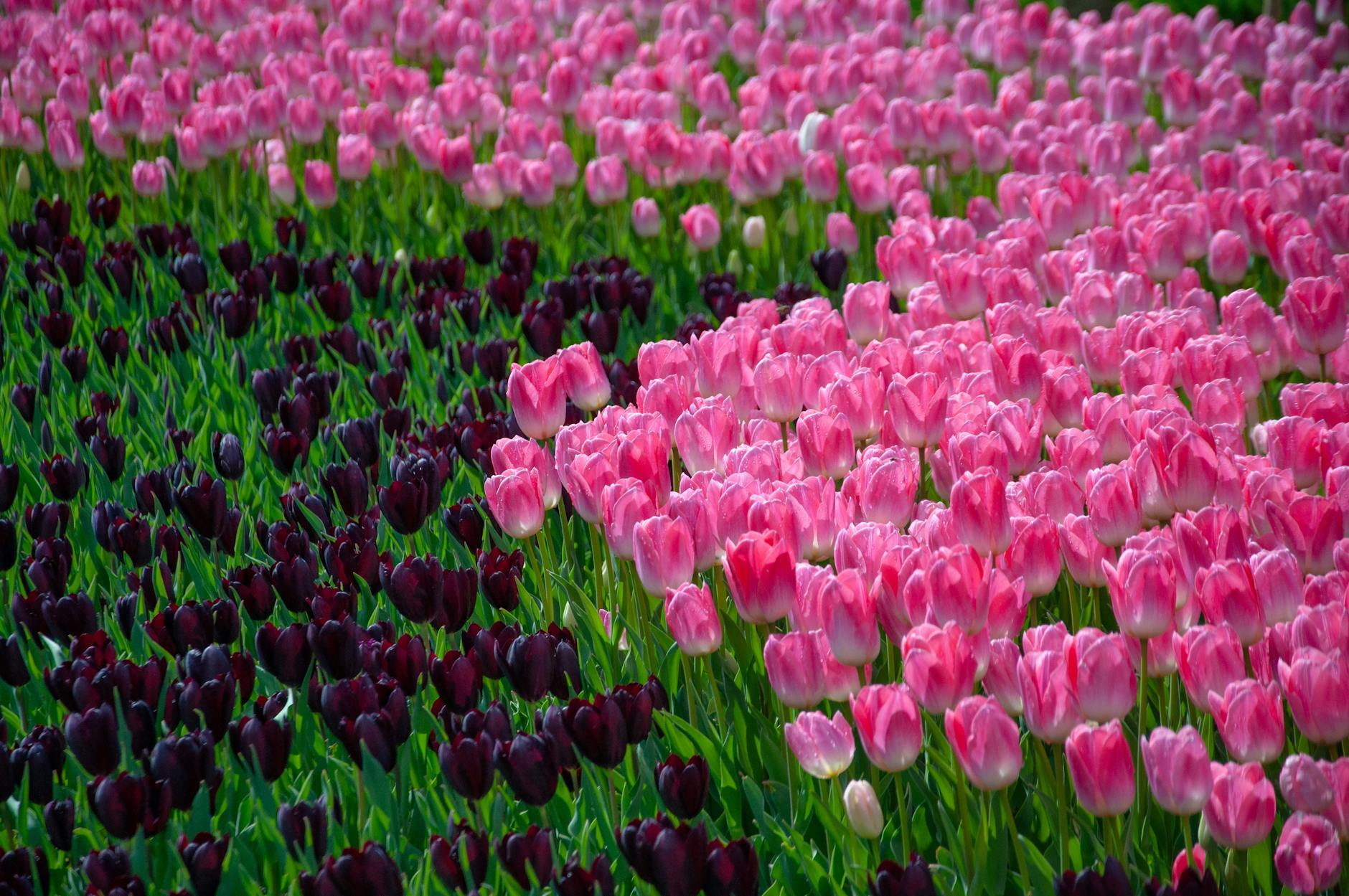
Britzer Garten Tulipan: The largest tulip display in Berlin, with around half a million bulbs planted across the park. The 2026 edition expanded significantly — about 240,000 additional bulbs were added, nearly doubling the previous year’s count. Peak bloom is mid-April through early May. Entry €4. U7 to Britz-Süd, then bus 144.
Tiergarten: The central park is at its best in spring — magnolias in front of Bellevue Palace, daffodil drifts near the Brandenburg Gate end, and the Englischer Garten (the small English-style garden near the Spree) coming into bloom. Free, central, perfect for an afternoon walk between sightseeing stops.
Tempelhofer Feld: The former airport turned urban park is a unique Berlin spring experience. By mid-April you’ll find kite surfers on the old runways, picnickers along the central strip, community gardens in full operation, and the city’s distinctive habit of treating a former Nazi-era airfield as a casual Sunday hangout. Free, open dawn to dusk, multiple S-Bahn and U-Bahn access points.
Pfaueninsel (Peacock Island): The UNESCO World Heritage island in the Havel river is one of the prettiest spring day trips inside city limits. The peacocks roam freely, the rhododendrons bloom in late May, and the small palace ruins look unreasonably picturesque. Take bus 218 from S-Bahn Wannsee to the ferry landing.
When the City Moves Outdoors — Beer Gardens and Strandbäder
The unofficial signal that spring has properly arrived in Berlin: when Prater Garten in Prenzlauer Berg — the city’s oldest beer garden, operating since 1837 — opens its outdoor tables, usually the first weekend of April depending on weather. From there, the rest of the city’s beer gardens follow within days. Schleusenkrug in Tiergarten, Café am Neuen See on the Tiergarten lake, the Brauhaus in Spandau — all of them tend to open together. By the first warm weekend of May, every outdoor seat in central Berlin will be claimed by lunchtime.
The other defining moment of Berlin spring: May 1 is the traditional opening date of the Strandbäder, the outdoor swimming pools and lake bathing facilities. Strandbad Wannsee opened on May 1, 2026, alongside Strandbad Müggelsee, Plötzensee, Tegelsee, and the smaller neighborhood Sommerbäder. Day ticket €6.50 (reduced €3.80); the swim culture for the year officially begins. We cover the lakes in more detail in our Berlin in summer guide, but May is genuinely the best time for them — the water is cold but the crowds are tiny.
Gallery Weekend Berlin — A Spring Art Pilgrimage
For art lovers, Gallery Weekend Berlin (May 1-3 in 2026) is one of the two unmissable weekends in the city’s annual art calendar. About fifty top Berlin galleries open simultaneously with new exhibitions, free to the public, with private views Friday evening rolling into more public weekend access. The 2026 edition introduced a new “Perspectives” section with a James Turrell light installation at max goelitz and a Katherine Bradford show at Haverkampf Leistenschneider. The whole weekend pairs naturally with the larger Berlin Art Week guide we’ve put together — and walking between the Mitte, Potsdamer Strasse, and Kreuzberg gallery clusters is one of the best ways to experience the city in spring.
Spring Day Trips from Berlin
Spring is the best season for day trips out of Berlin. The Spreewald — the unique water-channel landscape an hour south by regional train — comes into full leaf in late April, and the traditional Spreewald punt boats start running in earnest. Potsdam’s Sanssouci Park is at its peak in late April and early May, with the formal gardens in full color. Werder (Havel) hosts its annual Baumblütenfest (Tree Blossom Festival) in early May, celebrating the area’s fruit orchards in bloom. All three are reachable on day return tickets, all under €25 with the Berlin-Brandenburg regional tickets.
What to Pack for Berlin in Spring
The single hardest thing about Berlin spring is the weather variability. March can still drop below freezing; late May can hit 25°C. A late-April day might start at 6°C and end at 22°C. Pack layers, and assume you’ll wear all of them on a given day: a light waterproof jacket, a sweater or fleece, a long-sleeve shirt, and a t-shirt underneath. A scarf packs small and helps significantly when the wind picks up. Good walking shoes that handle wet pavement matter more than fashion — you will walk twice as much as you think.
Rain is sporadic but heavier than the averages suggest when it does fall. A compact umbrella is more useful than a serious raincoat. Sunglasses become essential from late April when the light is suddenly long and bright. For more general planning, the Berlin Welcome Card guide covers transit options and the money saving tips article covers spring-specific deals.
Frequently Asked Questions
Is spring a good time to visit Berlin?
Yes, particularly late April through May. The city’s outdoor culture comes alive, prices are lower than summer peak, and the major events (Karneval der Kulturen, Gallery Weekend, May 1) make for a packed cultural calendar. March is harder to recommend — still cold and grey — but late March onward starts getting interesting.
When do cherry blossoms bloom in Berlin?
Peak bloom is typically the last week of March through the second week of April, with annual variation depending on weather. The TV Asahi cherry blossom avenue in Teltow/Lichterfelde-Süd is the best spot; smaller plantings at Bornholmer Strasse, Gärten der Welt, and Schwedter Steg are also worth visiting. The Hanami Festival at Gärten der Welt is April 11-12, 2026.
Can I visit the TV Asahi Cherry Blossom Avenue in 2026?
Yes — the allee reopened in 2026 after the soil restoration work that closed portions of it in 2025. Take S25 or S26 to Lichterfelde-Süd, then walk to Holtheimer Weg. Free access, no tickets required. Weekday mornings are the quietest time to visit.
What is the weather like in Berlin in March vs. May?
March averages around 9°C / 2°C (high / low) with occasional snow flurries still possible. May averages 20°C / 9°C, with warm days hitting 22-25°C by late month. April is the most variable month — temperatures can swing widely day-to-day. Always pack layers.
Is May 1 safe for tourists in Kreuzberg?
Generally yes during daytime and early evening — May 1 in Kreuzberg is mostly a giant street party. Police presence is heavy. Late-night gatherings around midnight have historically seen occasional clashes between smaller protest groups and police, but tourists who leave by 10 pm rarely encounter any issues. Don’t bring valuables; expect very dense crowds.
When do Berlin’s outdoor pools and beer gardens open?
The Strandbäder (outdoor pools and lake bathing) traditionally open on May 1. Beer gardens are more weather-dependent but typically operate from the first sustained warm weekend in late March or early April — Prater Garten in Prenzlauer Berg is the traditional “first to open” reference point.
What’s the biggest spring festival in Berlin?
The Karneval der Kulturen is the biggest, drawing about a million people over its four-day Whitsun weekend (May 22-25, 2026). It’s free, family-friendly during the day, and one of the most distinctive city-wide street festivals in Europe.
Final Word
Spring in Berlin is the season that converts visitors into return visitors. You come for the cherry blossoms and the half marathon, you stay for the beer garden afternoons and the discovery that Berlin’s actual personality — open-air, social, slightly chaotic — finally shows up when the sun does. If you’re flexible about when to visit, the second half of April through mid-May is the window I’d pick over any other.