Berlin Etiquette and Cultural Tips — An Insider’s Guide
Decode the Berliner Schnauze, master tipping, quiet hours, Sundays closed, club dress codes, and the etiquette rules that mark you as a tourist in Berlin.
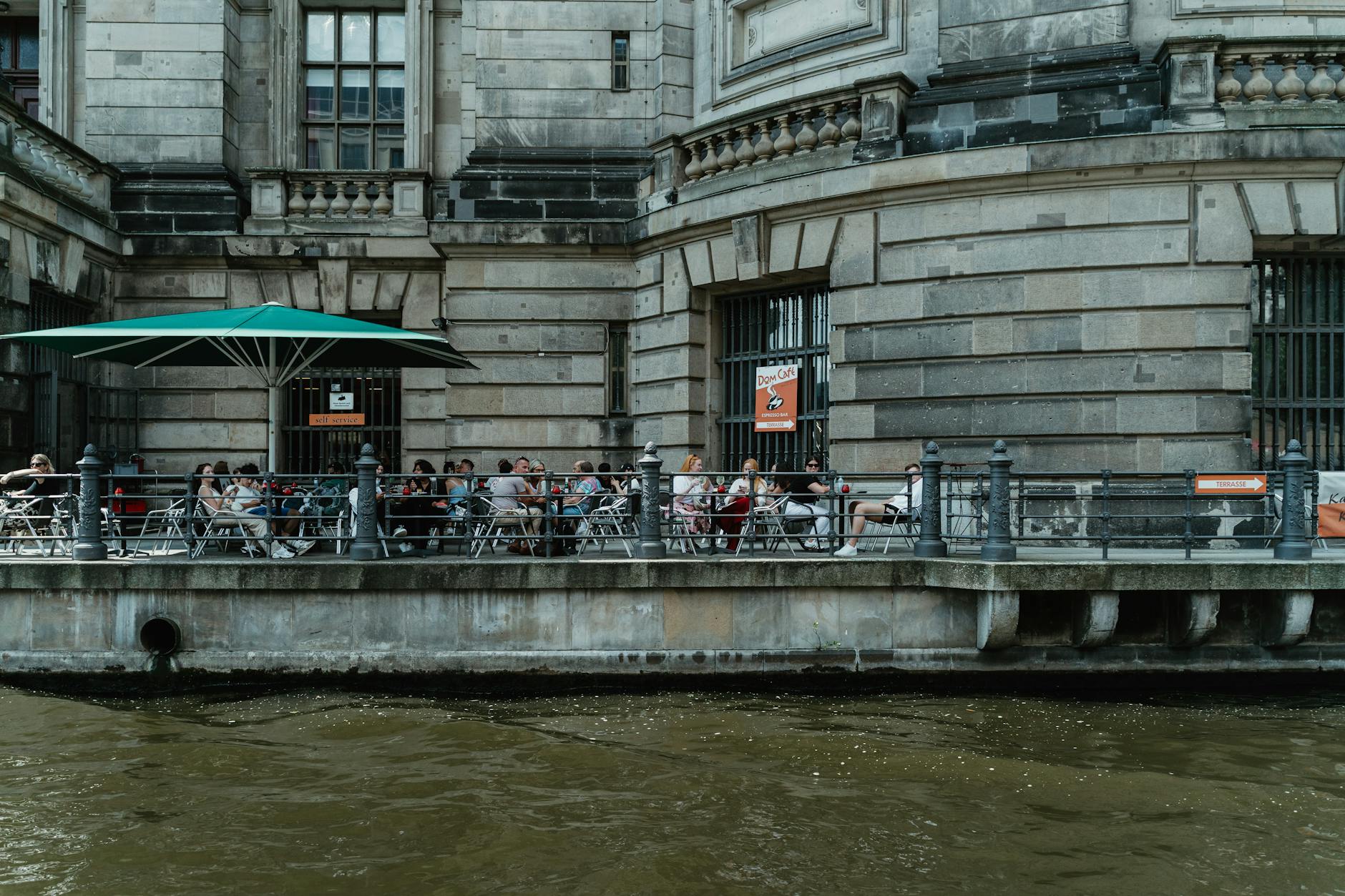
Berliners have a reputation for being the rudest people in Germany. They are not. They are the most honest people in Germany — and once you decode the Berliner Schnauze, the city opens up in a way it never opens for people who keep waiting for someone to fawn over them.
Most etiquette guides for “Germany” are written as Bavaria-by-default — lederhosen, beer halls, formal “Sie” with everyone, military-grade punctuality. Berlin is the exception city. It’s more direct than the rest of Germany, more informal, more anti-establishment, more multicultural, and operating on its own clock. Locals are chronically ten minutes late socially, but trains and meetings are sacred. Strangers will call you “du” before they call you “Sie.” The waiter will not check on you every five minutes — and that is on purpose. This guide breaks down the etiquette that actually matters in Berlin in 2026: the rules nobody writes down, the cultural moves that mark you as a tourist, and the surprisingly easy fixes that let you blend in by day three.

Communication: decoding the Berliner Schnauze
Bluntness isn’t rudeness — it’s efficiency
The single biggest cultural adjustment for first-time visitors from English-speaking countries is the directness. A Berlin bouncer growls “Nicht heute” with the same energy you’d expect from someone delivering bad medical news. The cashier at Edeka sighs audibly when you fumble with coins. The barista doesn’t smile when she hands over your flat white. None of this is hostility. It’s the Berliner Schnauze — the city’s signature blunt-but-honest communication style, named for a kind of confident snout. Berliners value efficiency over performance and trust over politeness theatre. A quick-witted comeback (a polite one) earns respect; an over-apologetic shuffle does not.
Say “Hallo” entering, “Tschüss” leaving
This is the most under-rated etiquette move in the German-speaking world. When you walk into a small shop, bakery, café, or even a doctor’s waiting room, acknowledge the room — “Hallo” or “Guten Tag” is enough. When you leave, “Tschüss” or “Schönen Tag.” Skipping this is the invisible faux pas locals notice and tourists never realise they’ve committed. It takes one second; it changes the room temperature entirely.
“Du” vs “Sie” — Berlin is the outlier
Germany has formal (“Sie”) and informal (“du”) second-person pronouns. The textbook rule is to use “Sie” with anyone you don’t know well, switching to “du” only when invited. Berlin under-40s often skip the rule altogether and “du” anyone roughly their age — colleagues, bartenders, strangers in a club queue. A 30-something Berliner being “Sie’d” by a tourist can read as ironic or chilly. The safe default: “Sie” for anyone over ~55 or in formal settings (banks, government offices, fine-dining restaurants), “du” otherwise. If you’re nervous, start with “Sie” — nobody is offended by being addressed formally.
Money, tipping, and cash culture
Carry cash — always
This is the rule that catches every visitor used to tap-and-go Apple Pay culture. Berlin has improved dramatically on contactless acceptance since 2024, but a meaningful slice of the city remains cash-only or accepts only the German Girocard (not international credit cards). The cash-or-Girocard list: most Spätis (corner shops), many Imbiss stands, döner shops, small cafés, hair salons, club door fees, certain doctor co-pays, smaller bakeries, flea markets, and a surprising number of dive bars. American Express is near-useless outside major hotels and chain restaurants.
The fix: carry €40-60 in cash, top up at bank-branded ATMs (look for Sparkasse, Berliner Bank, Commerzbank, Deutsche Bank, Volksbank) to avoid €5+ fees at the freestanding tourist-trap machines. The German word for ATM is Geldautomat.
How to tip in Berlin
Tip 5-10% in restaurants. Hand it directly to the server — don’t leave it on the table. State the total when paying: “Zwanzig, bitte” (twenty, please — total) or simply “Stimmt so” (keep the change) if you’re close to the round number. If paying by card, add the tip verbally before they tap the payment machine — many German terminals don’t have a tip-add field on the screen.
Beyond restaurants: taxis round up or add 5-10%. Hotel porters get €1-2 per bag. Housekeeping €1-2 per day, left on the pillow on the last morning. Tour guides on free walking tours expect €10-15 per person at the end — and yes, the “free” tour does work on a tipping model.
The Pfand bottle deposit system
Every plastic bottle, glass bottle, and can carries a deposit of €0.08-0.25 (look for the Pfand symbol). When you finish, return the empty container at any supermarket’s Pfandautomat (the reverse-vending machine near the entrance) for a refund voucher. If you can’t be bothered, leave the empty next to a public bin — Berlin has an informal economy of bottle collectors (Pfandsammler) who depend on these deposits. Throwing a deposit bottle in a regular bin is mildly antisocial in local terms.
Transport and street etiquette
Stay out of the bike lanes
Berlin has good cycling infrastructure, and the bike lanes are marked clearly — usually a red or brick-coloured strip on the sidewalk or a painted lane on the road. Pedestrians who wander into them get rung at, yelled at, and occasionally hit. The mental model: look both ways before stepping off any curb, and treat any reddish-coloured strip as moving territory. Our Berlin by bike guide covers the cycling culture in detail.
Don’t cross on red — especially with kids around
This one surprises visitors from countries where jaywalking is a non-event. In Berlin, crossing on a red Ampelmännchen earns audible disapproval, especially when children are present (“Es sind Kinder da!” — “There are children here!”). A €5 fine is technically possible but rarely issued; the bigger cost is the social one. Wait for the green light. It takes thirty seconds and saves you the lecture.
U-Bahn and S-Bahn manners
Let people exit before you board. No loud phone calls (a few quiet sentences fine; an extended speakerphone call gets glares). No eating smelly food. Give priority seats to elderly passengers, parents with prams, and disabled riders. Buy and validate a ticket — fare inspectors (Kontrolleure) are plain-clothed, polite, and unforgiving. The €60 fine for being caught without a ticket is the same whether you’re a confused tourist or a habitual offender. Our BVG ticket guide covers what to buy.

Quiet hours and Sunday closures
Ruhezeit: 10pm to 7am, and all day Sunday
German Ruhezeit (quiet hours) is a legal — not just cultural — rule. No vacuuming, drilling, loud music, dragging furniture, or running the washing machine in shared buildings during these windows. Sundays are quiet all day. Neighbours will knock; in repeat cases, they will call the police. The same applies to bottle-recycling banks on the street — don’t dump glass at midnight.
If you’re in an Airbnb, this is more your problem than a hotel guest’s. Keep music low after 10pm. If you’re moving suitcases through the building, do it during the day.
Sundays are sacred and shut
Supermarkets, malls, most shops, post offices, and pharmacies are closed on Sundays. This is enforced by law (Ladenschlussgesetz). What stays open: Spätis (corner shops, often open until late), bakeries (mornings only), shops in major train stations (Hauptbahnhof, Ostbahnhof, Friedrichstrasse, Südkreuz, Zoologischer Garten), restaurants, cafés, museums, and bars. Plan ahead — stock up on Saturday for any Sunday-morning breakfast supplies, or accept that you’ll be doing Sunday brunch at a café like everyone else.
Dining and drinking etiquette
Flag the server — no waving
Berlin service feels slow because waiters are not optimising for table-turn. They leave you alone after the order arrives because that’s considered polite. If you need something, make eye contact and nod, or say a quiet “Entschuldigung” when they pass. Waving frantically is read as rude.
Prost with eye contact
When clinking glasses, look each person in the eye. Skipping eye contact is allegedly seven years of bad luck (or bad sex, depending on who’s telling the story). Never cross arms when toasting in a group — work around the table sequentially. Our Berlin beer gardens guide covers more on local drinking culture.
“Guten Appetit” before eating
Wait until everyone is served before starting — even at casual meals. “Guten Appetit” before tucking in is the standard greeting. When done, place the knife and fork parallel on the plate at 4 o’clock position to signal you’re finished. Don’t ask for substitutions — German menus are not Build-Your-Own. If you have a dietary restriction, say it before ordering and accept the suggestion.
Public spaces and sensitivities
Stolpersteine and Holocaust memorials
The brass squares set into Berlin pavements are called Stolpersteine — “stumbling stones.” Each one names a specific victim of Nazi persecution who lived at that address. Don’t step on them deliberately. Don’t photograph them as kitsch content. Treat them as the small acts of remembrance they are.
The Memorial to the Murdered Jews of Europe — the field of 2,711 grey stelae near the Brandenburg Gate — welcomes reflective photography. It does not welcome selfies on the stelae, jumping between them, posing for content reels, picnicking, or yoga photoshoots. Security will intervene. Our Berlin safety guide covers more on this.
No Nazi salutes, no swastika photos
Under §86a of the German criminal code, displaying Nazi symbols or making the salute is illegal — even ironically, even at a memorial. Tourists have been arrested for it. Don’t joke about WWII. Let Germans bring the war up if they want to discuss it.
Don’t photograph strangers without consent
Privacy is constitutional in Germany, and the Stasi-era cultural memory remains real. Don’t photograph identifiable strangers, children’s faces, anti-fascist demonstrations, or nudists at FKK beaches. Wide-angle street scenes are generally fine; pointing a lens at one specific person is not.
Nightlife and subculture
Club door etiquette
Berlin’s club doors have specific protocols. The shortlist: arrive in small groups (solos and pairs get in easier than packs of six). Don’t speak loudly in English in the queue. Don’t bribe the bouncer. Don’t argue if you’re turned away — just leave. Dress code is all black, no logos, no glitter. Many clubs (Berghain, Tresor, KitKat) put a sticker on your phone camera — leave it on. Phones come out only outside in the smoking area.
The deeper read on what Berlin’s clubs are actually doing with these rules — they’re filtering for a crowd that knows the unwritten code, which keeps the dance floor a particular kind of place — is covered in our Berghain guide and the broader Berlin club etiquette piece.
FKK and sauna culture is non-sexual
German saunas are textile-free (textilfrei) — swimwear is forbidden inside the sauna itself and a towel under your entire body is mandatory. Most saunas are mixed-gender. Berlin lakes — Teufelssee, Müggelsee, Schlachtensee — have mixed clothed and nude crowds. The norm: no staring, no photos, no comments. Phones at FKK locations are a legal issue, not just etiquette.
Cannabis since April 2024
Adults 18+ may possess up to 25 grams of cannabis in public. It cannot be smoked in pedestrian zones before 8pm, within 100 metres of schools, playgrounds, or sports facilities, or on the U-Bahn or S-Bahn. Tourists may possess but cannot legally buy — there are no dispensaries. Berliners are casual about the smell; tourists making a show of it in Mitte still draw glares.
Quick-hit rules that don’t fit anywhere else
- Queueing. Germans love rules but cannot form a line. Bakeries, Späti counters, club bars all dissolve into a polite scrum. Hold your spot assertively or you’ll be skipped.
- Smoking tobacco. More common than in the US or UK. Some bars are still Raucherkneipen (smoking bars) under the 75m² single-room rule. Outdoor smoking everywhere is normal.
- Bring your own bag. Supermarkets charge €0.20-0.50 for plastic bags and packers don’t pack for you. Bring a foldable tote.
- The Aldi/Lidl checkout speed. Cashiers move fast. Either bag at the speed of a competitive sport, or move to the side bench (most German supermarkets have one) and pack at your leisure.
- Dog poop. Berlin’s 100,000+ dogs out-poop the picking-up rate. Watch where you step.
- Punctuality has a split personality. Trains, doctor appointments, business meetings, and formal events are sacred — be there on time or apologise. Social punctuality is more flexible — being 10 minutes late to a friend’s dinner is normal in Berlin (and absolutely not normal in Munich).
Nowhere does this matter more than at the Memorial to the Murdered Jews of Europe, and the memorial’s own foundation has deliberately declined to police it. There is no fence, no closing time and no prohibition on stepping onto the lower blocks — the site trusts visitors instead of instructing them, which is a considerably more demanding arrangement. Our Holocaust Memorial guide covers how to visit properly, and the free underground exhibition that most people walk past without noticing.
Frequently asked questions
Are Berliners really rude?
No — they’re direct. “Berliner Schnauze” is the local communication style: blunt, honest, efficient, allergic to small talk. Locals see it as trustworthy. Tourists from politeness-heavy cultures read it as rudeness on day one and as refreshing by day three.
How much should I tip in Berlin restaurants?
5-10%, handed directly to the server. State the total verbally (“Stimmt so” if rounding up). Don’t leave tips on the table.
Do I need cash in Berlin?
Yes — many bars, Spätis, small Imbiss stands, hair salons, and some restaurants are cash-only or accept only German Girocard. Carry €40-60 in cash plus your usual card.
Are shops open on Sunday in Berlin?
Mostly no. Supermarkets, malls, and most shops close. Spätis stay open, bakeries open mornings only, train-station shops open all day. Restaurants, cafés, museums, and bars operate normally.
What is Ruhezeit?
German legal quiet hours: 10pm-7am weekdays and all day Sunday. No loud music, vacuuming, drilling, or moving furniture in shared buildings. Neighbours enforce it.
Can I smoke cannabis in public in Berlin?
Adults 18+ may possess up to 25 grams since April 2024. Smoking is banned in pedestrian zones before 8pm and within 100 metres of schools, playgrounds, and sports facilities. Tourists may possess but cannot legally buy.
What should I wear to a Berlin club?
All black, sneakers or combat boots, no logos, no glitter, no club-night dresses. Berlin’s serious clubs penalise overdressing — looking like you’re “going out somewhere fancy” reads as tourist energy.
Is it OK to take photos at Holocaust memorials?
Reflective, non-selfie photos at the Memorial to the Murdered Jews of Europe are accepted. Selfies on the stelae, posing for social content, jumping between them, picnicking, or yoga photoshoots are not. Staff will intervene.
Do I tip taxi drivers and hotel staff in Berlin?
Yes — round up taxis or add 5-10%, €1-2 per bag for porters, €1-2 per day for housekeeping (left on the pillow the last morning).
Why do Berliners say “du” to strangers?
Berlin culture is informal and anti-hierarchical. Using “Sie” with someone under 40 can feel cold or sarcastic. The safe default: “Sie” for over-55s and formal settings, “du” otherwise.
The point of all of this
Etiquette in Berlin isn’t a test you can fail. It’s a key that unlocks better service, friendlier interactions, and the genuine pleasure of feeling — by day three — like the city has stopped reading you as a visitor. Acknowledge people when you walk in. Carry cash. Stay out of the bike lane. Wait for the green Ampelmännchen. Tip directly. Dress down for clubs and dress up for nothing. Use “du” with your bartender. Be on time for the train and ten minutes late for the dinner. Once you have all of this in your hip pocket, the rest of our Berlin practical travel tips and the solo travel guide will fall naturally into place. Berliners aren’t rude. They’re waiting to see whether you can keep up.