Berlin Club Etiquette: The Unwritten Rules You Need to Know (2026)
The real, current rules of Berlin club culture in 2026 — door policy, phone stickers, consent, dress code, tipping, and how to actually have a good night.
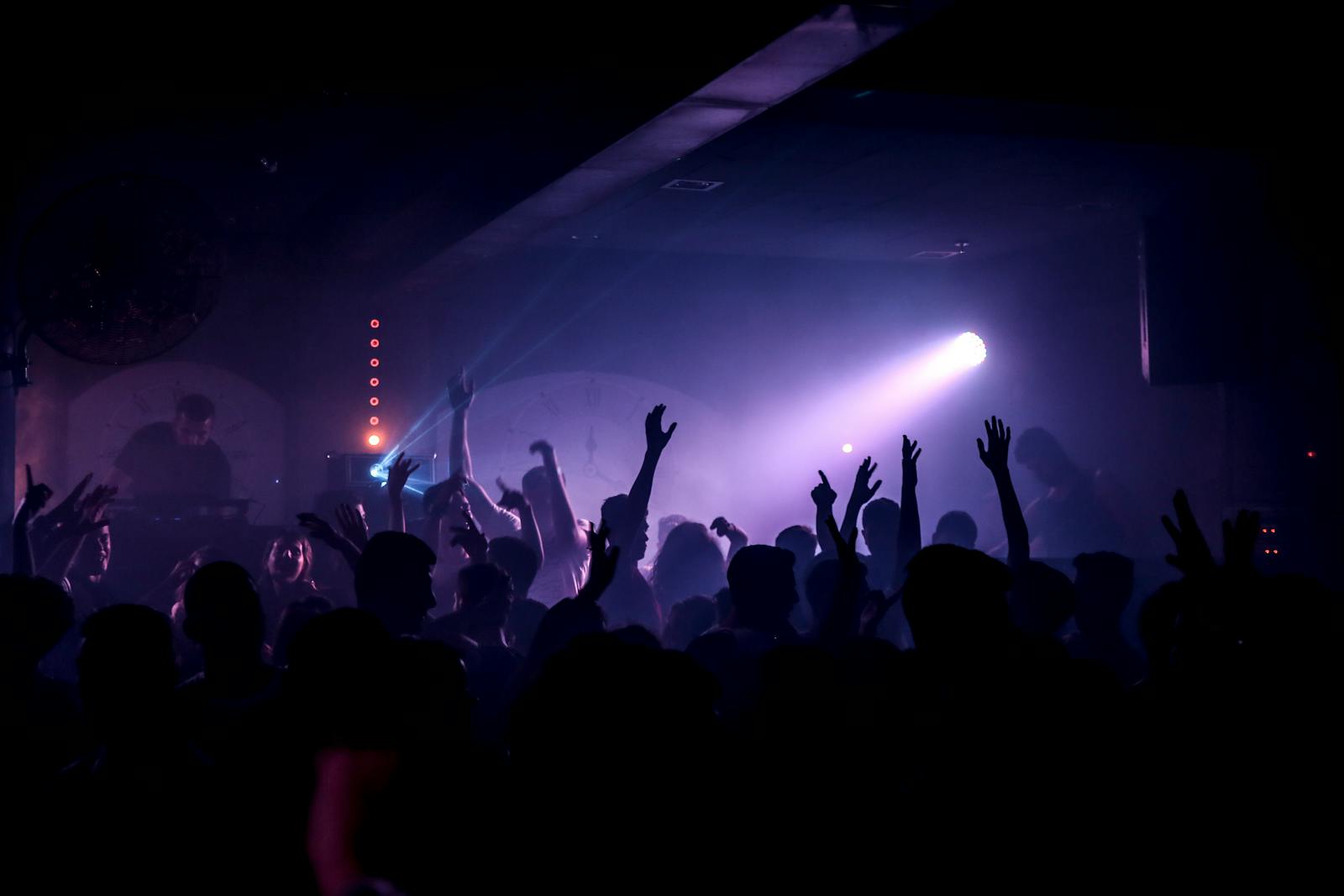
I’ve spent more nights in Berlin clubs than I can count, and the question I get asked most by people about to visit isn’t “what’s the music like” or “which club should I go to.” It’s “what are the rules?” — usually followed, slightly nervously, by something about Berghain’s door. The reality is that Berlin clubs do have rules, dozens of them, and almost none are written down anywhere. They’ve evolved over thirty years of post-Wall club culture and they’re rooted in something more important than gatekeeping: they exist to protect the ethics of the scene. Knowing the Berlin club etiquette isn’t about looking cool. It’s about respecting a culture that the city now officially recognises as Intangible Cultural Heritage (UNESCO did so in 2024) and that has built itself, deliberately, as a queer-first, consent-first, anti-surveillance space.
What follows is a complete walkthrough of the unwritten rules as they actually work in 2026. Door behaviour, what to wear, the phone-sticker ritual, the consent culture, the dance-floor codes, the money and cash logistics, the tipping conventions, and the practical inside-the-club things nobody tells you. None of this is meant to scare you off — most of it, once you know it, becomes second nature within an hour of being inside.
Why Berlin Clubs Have Rules
The clubs that define modern Berlin techno were founded by a community that needed safety. Ostgut, the late-1990s gay party in a warehouse at Ostbahnhof that became Berghain, was an explicitly queer space at a time when even reunified Berlin’s gay scene was still healing from the AIDS years. The same is true of Snax, the precursor leather/fetish party. The other founding clubs of the post-Wall era — Tresor, Planet, E-Werk, WMF, Cookies — built their cultures on the principle that what happens inside is nobody else’s business. Phone sticker policies, no-photo rules, consent-first darkrooms, awareness teams: all of these descend from a queer-founded scene that protected itself by refusing to perform for the outside.
Knowing this changes the etiquette from a list of rules into something more like manners at a private home. You’re being let in. The rules aren’t there because the club thinks you’ll misbehave; they’re there because they’re how the scene works.
The Door: Understanding Türpolitik
The German word is Türpolitik — “door policy.” The German word for the doorman is Türsteher — literally “the one who stands at the door.” The best-known of them is Sven Marquardt, the long-time head of Berghain’s door, who is also a working photographer with two published photo books and a memoir (Die Nacht ist Leben, 2014). Several recent academic studies and journalism pieces have confirmed what Marquardt himself has said for years: door selection is subjective, curatorial, and based on energy and balance rather than appearance alone. The bouncer is curating the room inside, not the line outside.
What Helps at the Door
- Small groups: two is ideal, three is fine, four is harder. Five-plus is a soft rejection.
- Visible sobriety. If you’re going to drink before the club, do it in moderation. Drunkenness is the single most common rejection reason.
- Calm energy. Don’t fidget, don’t talk loudly, don’t keep checking your phone.
- Dark, comfortable, broken-in clothing. Black is shorthand; what it means is “I came to dance for ten hours.”
- Knowing who’s playing tonight. If the bouncer asks, you should be able to name a current DJ.
- A few words of German help — at minimum “Hallo”, the number in your group (“zwei”, “drei”), and “Danke”.
- ID ready before being asked. Passport or EU ID. Foreign driving licences are sometimes refused.
What Kills Your Chances
- Visible drunkenness. End of list, in many cases.
- Large groups, especially groups of all-male bachelors or all-female bachelorettes.
- Loud English chatter near the front of the line.
- Taking selfies in the queue.
- Asking the bouncer for help, for tips, or how to get in.
- Trying to bribe. (It does not work and it gets you a lifetime ban at some clubs.)
- Arguing if rejected.
- Sunglasses (read as cover for being too high or too drunk to make eye contact).
- Branded streetwear with prominent logos, sports jerseys, suits and ties, high heels.
- Hen and stag parties of any size.
How to Handle Rejection
Nod. Walk away silently. Do not argue, plead, or ask for an explanation. Do not return to the same club the same night — every doorman remembers faces. Try a nearby alternative; the city has plenty (see our techno clubs guide for the easy-door options). Rejection is not personal and it happens to locals regularly — by some accounts, as often as 30% of the time for people who go every week.
Dress Code Reality (Beyond “Wear Black”)
“Wear black” is shorthand. The real principle is: dress like you came to dance for ten hours in a hot, dark room. Black is functional camouflage but it’s not the only option. Colour is fine if it doesn’t read as costume. The decisive thing is what the outfit signals.
- Works: dark t-shirt, dark jeans or trousers, comfortable sneakers or boots that you’ve already worn for hours. Layers (clubs get hot, queues are cold). Mesh, leather, harnesses, fetish wear — all welcome at the right clubs (Berghain, KitKat) if authentic, not costume.
- Doesn’t work: heels, suits with ties, sports jerseys, club-branded t-shirts, group costumes (hen-party shirts), anything with prominent designer logos, sequins, sunglasses indoors.
- KitKatClub exception: a strict fetish-or-naked dress code is mandatory on most nights (except Electric Monday). Latex, leather, harnesses, lingerie, or full nudity. Jeans and t-shirts will be refused.
The shoes matter more than people think. You will be standing and dancing for many hours; sometimes on concrete; sometimes spilled-beer-soaked concrete. Broken-in boots, leather sneakers, or Doc Martens are the local default. New trainers that pinch are a slow eight-hour mistake.

The Phone Sticker Ritual
Almost every serious techno club in Berlin will sticker the cameras on your phone at the door. The clubs that do this include Berghain, ://about blank, Sisyphos, Mensch Meier, KitKat, Tresor, OXI, OST, MAAYA, and most queer collectives. The stickers are small, opaque, single-use, and applied over both the front and back cameras. You’re not asked; the door staff just do it.
Do not remove them. The clubs check, and removal can get you ejected and permanently banned. The point of the policy is multi-layered: it protects the queer and sex-positive culture inside; it protects guests from being involuntarily photographed; it breaks the dopamine loop of phone-checking and pulls you back into the room; it makes Instagram-tourism impossible; and it preserves the anonymity that has been a Berlin techno principle since the early 1990s. After ten minutes inside you’ll stop noticing. After an hour you’ll forget you have a phone. This is the point.
If you genuinely need to use the camera (medical reason, emergency), step into the smoking area or the courtyard and ask staff. Most clubs will accommodate. Just don’t do it on the dance floor or by the DJ.
Consent Culture and Darkrooms
This is the most important section in this guide and the one most rarely covered in English-language club guides.
Berlin clubs run on active consent. “Only yes means yes” is the principle. You can dance near someone without it being an invitation. You can be in a darkroom without expecting anything to happen. You can decline politely and the person should walk away. If they don’t, you tell the awareness team — and the awareness team will act. Several major clubs (Berghain’s “Für ein faires Pogo”, ://about blank’s awareness collective, Mensch Meier’s team, KitKat’s house staff) have trained, identifiable staff in high-visibility vests or pink armbands whose job is exclusively to handle harassment, consent issues, and the wellbeing of guests. They are easy to find and easy to talk to. If you see something — or experience something — approach them.
Darkrooms exist in several Berlin clubs (Berghain, KitKat, Lab.oratory, some Schöneberg gay bars). They are primarily gay male cruising spaces, and they operate on the same active-consent principle as everywhere else: you ask, you wait for yes, you leave alone if you get no. They are not “anything goes” spaces despite what some travel blogs suggest. Visitors who aren’t there for the cruising should not wander into a darkroom and stand watching — that’s a violation of the implicit etiquette.
For FLINTA*-only spaces (the German abbreviation for women, lesbians, intersex, non-binary, trans, agender people), respect that they exist for a reason. Several clubs run specific FLINTA*-only nights or rooms. The signage will be in German; if you’re unsure, ask.
The Dance Floor Is Sacred
A few smaller dance-floor rules with real consequences.
- Don’t film the DJ. Phones are stickered anyway, but the unwritten rule covers any kind of recording.
- Don’t request songs. Berlin DJs are programming a set; interrupting them is read as deeply rude.
- Don’t carry full conversations on the dance floor. Move to the garden, the smoking area, the bar, the courtyard.
- Don’t stand still in the middle of the floor checking your phone or looking for someone. Move to the edge.
- If you accidentally bump someone, briefly acknowledge — eye contact, small nod — and keep dancing.
- Don’t grab strangers’ wrists or shoulders.
- The DJ booth is not a stage. Don’t lean on the rail; don’t try to chat to the artist mid-set.
Drugs, Harm Reduction, and Staying Alive
Berlin’s approach to drugs is harm reduction, not abstinence — and the city’s official infrastructure reflects this. Since 2023 a state-funded Drug Checking pilot programme has operated in Friedrichshain-Kreuzberg, allowing anonymous testing of substances at designated locations. The non-profit SONAR runs information stands inside several clubs. The KnowDrugs app provides verified information on drug interactions and dosages. Free condoms are available at most queer-friendly clubs.
I am not going to tell you what to do here. What I will say is that the harm-reduction culture in Berlin is real, taken seriously by the city, and exists to keep you alive. If you choose to take anything, the basics are: never alone, never from a stranger, hydrate continuously, eat something solid before you start, take breaks outside, watch your friends, and know what to do if someone needs help (in Berlin, dial 112; ambulances do not call the police for drug-related medical emergencies). Drink water every set. The bartenders will give you free tap water if you ask politely.
No one will moralise at you. They will also not help you if you’ve ignored every visible warning. Berlin treats you like an adult.
Money — What You Actually Need
- Entry: €15–€30 depending on the club and the night. Berghain Klubnacht €25–€30. Sisyphos €18–€25. Smaller clubs €15.
- Coat check (Garderobe): €2–€3 cash, mandatory at most clubs. Save the tag number in your head; don’t photograph it.
- Drinks: water €2.50–€4, beer €4–€5, mixed drinks €8–€12, cocktails €10–€15 at the bars that make them.
- Tipping: round up at the bar (€0.50–€2 over the drink price). Coat check tip €1–€2 on the way out. Bathroom attendants €0.50–€1.
- Card vs cash: Berghain accepts cards at the door and bars since September 2025. Coat check still cash. Sisyphos, ://about blank, OXI, OST, and most smaller clubs are still cash-preferred or cash-only at the door. ATMs are near every club but typically charge €5–€8 fees.
- Total realistic budget for one club night: €50–€100 depending on duration and drink choices. Bring €60–€80 in cash.
Timing — When to Arrive, When to Leave
Berlin clubs don’t fill until 02:00. Peak is 04:00 to 07:00. Berghain Klubnacht runs continuously from Saturday 23:59 to Monday morning around 08:00. Sisyphos runs Friday evening to Monday afternoon. Most other clubs are Saturday night plus Sunday morning. The Sunday afternoon-into-evening window is unique to Berlin — you can arrive at Sisyphos or Kater at 14:00 in daylight, dance for hours, and be home for a normal Sunday dinner.
Re-entry rules are inconsistent. Berghain has a €5 re-entry fee, paid once. Sisyphos generally allows re-entry. Most smaller clubs don’t have wristbands and you’d just have to re-queue. Plan to stay in. If you must leave for cash, tell the door staff before you go.
Solo Travelers, Group Size, and Language
Going solo is normal and welcome in Berlin. Many regulars come alone. Two-person groups are ideal. Three is fine. Four is the inflection point where the door gets harder. Five-plus is a soft rejection unless one of you is a regular the bouncer recognises. Mixed-gender groups generally read better than all-male groups.
German isn’t required. English at the door is fine if you speak quietly and don’t make small talk. A few German phrases help: Hallo, wir sind zu zweit, danke, ein Wasser bitte. Loud English in the queue is the single biggest tell that you’re a tourist who hasn’t done the homework.
Inside — Survival Tips
- Sound systems are punishing. Bring earplugs (Loop, Eargasm) or buy a pair at the door for €1.
- Hydrate every set. Free tap water at the bars.
- Bathrooms are gender-neutral. Don’t loiter in stalls chatting; share fast.
- Smoking is allowed inside many Berlin clubs — one of the last European cities where this is the case.
- Garden / smoking area is for socialising. The dance floor is not.
- Pacing matters. A 10-hour night is not won in the first two hours.
- Coats: use the cloakroom. Don’t carry a jacket around. Don’t leave valuables in pockets.
- Earplugs at the bar are often €1, sometimes free. Look for the small box.
What NOT to Do — The Quick List
- Don’t take photos, ever. Don’t peel off the camera stickers.
- Don’t argue with the bouncer.
- Don’t speak loudly in English in the queue.
- Don’t show up drunk.
- Don’t film the DJ.
- Don’t talk on the dance floor.
- Don’t touch people without consent.
- Don’t buy drugs from strangers.
- Don’t bring a group of five-plus.
- Don’t post the club’s address on Instagram stories the next day.
Worth knowing before you set out: most Berlin nights that visitors remember happen in the bars of SO36 rather than in the famous clubs, and the walk between the two is about ten minutes over a bridge. Our Kreuzberg guide maps that ground — which streets, which hours, and what the district is like when the bars finally empty.
Frequently Asked Questions
What should I wear to a Berlin club?
Dark, comfortable, broken-in clothing for hours of dancing. Black is the default but colour works if it doesn’t read as costume. No heels, no logos, no group costumes. KitKat requires fetish dress on most nights.
What’s the rule about phones?
Cameras are stickered at the door at most serious clubs (Berghain, ://about blank, Sisyphos, Mensch Meier, KitKat, Tresor). Don’t remove the stickers — you can be ejected and banned. No photography inside.
How do I get past the bouncer at Berghain?
Go in a group of two, sober, calm, dressed simply in dark clothing, knowing who’s playing tonight. Sunday morning or afternoon is friendlier than Saturday midnight. See our Berghain guide for the deep version.
What’s the typical entry fee?
€15–€30 depending on club and night. Most clubs accept cash; Berghain and some larger venues now take cards.
What time do Berlin clubs close?
There’s no legal closing time. Most clubs run Friday and Saturday nights to noon or later on Sunday. Berghain Klubnacht runs Saturday 23:59 to Monday around 08:00. Sisyphos runs continuously Friday to Monday afternoon.
Can I leave and come back?
Sometimes. Berghain has a €5 re-entry fee. Sisyphos generally allows re-entry. Smaller clubs are inconsistent. Plan to stay; tell the door staff if you must step out.
What do the stickers on phones do?
They cover the camera lenses to prevent photography inside the club. It protects the anonymity, consent culture, and queer history of the scene. Don’t remove them.
What is a darkroom?
A dimly-lit room in some clubs (mostly gay or sex-positive spaces) designed for consensual sexual encounters. It is not a free-for-all; the rule is active consent — ask, wait for yes, leave alone if you get no. Visitors who aren’t there for it should stay out of the room rather than spectate.
A Closing Thought
The rules above can sound intimidating in list form. In practice, by your second night out, all of them feel natural. Berlin’s club culture isn’t actually unfriendly — it’s just protective. Respect the door, leave the phone alone, look out for the people around you, drink water, dance hard, and you’ll be welcomed. The scene is one of the warmest in the world to anyone who arrives in good faith. Treat it as you would someone else’s living room.
For where to actually go, see our best techno clubs guide, our deep-dive on Berghain, and our first-timer’s nightlife guide if you’re brand new. For the queer angle that’s so central to this culture, the LGBTQ+ nightlife guide is the right companion.