Best Live Music Venues in Berlin: From Jazz to Stadium Shows (2026)
Berlin's complete 2026 live music guide — Olympiastadion, Uber Arena, A-Trane, Lido, Berliner Philharmonie, Astra, SO36 and 30+ more venues by size and genre.
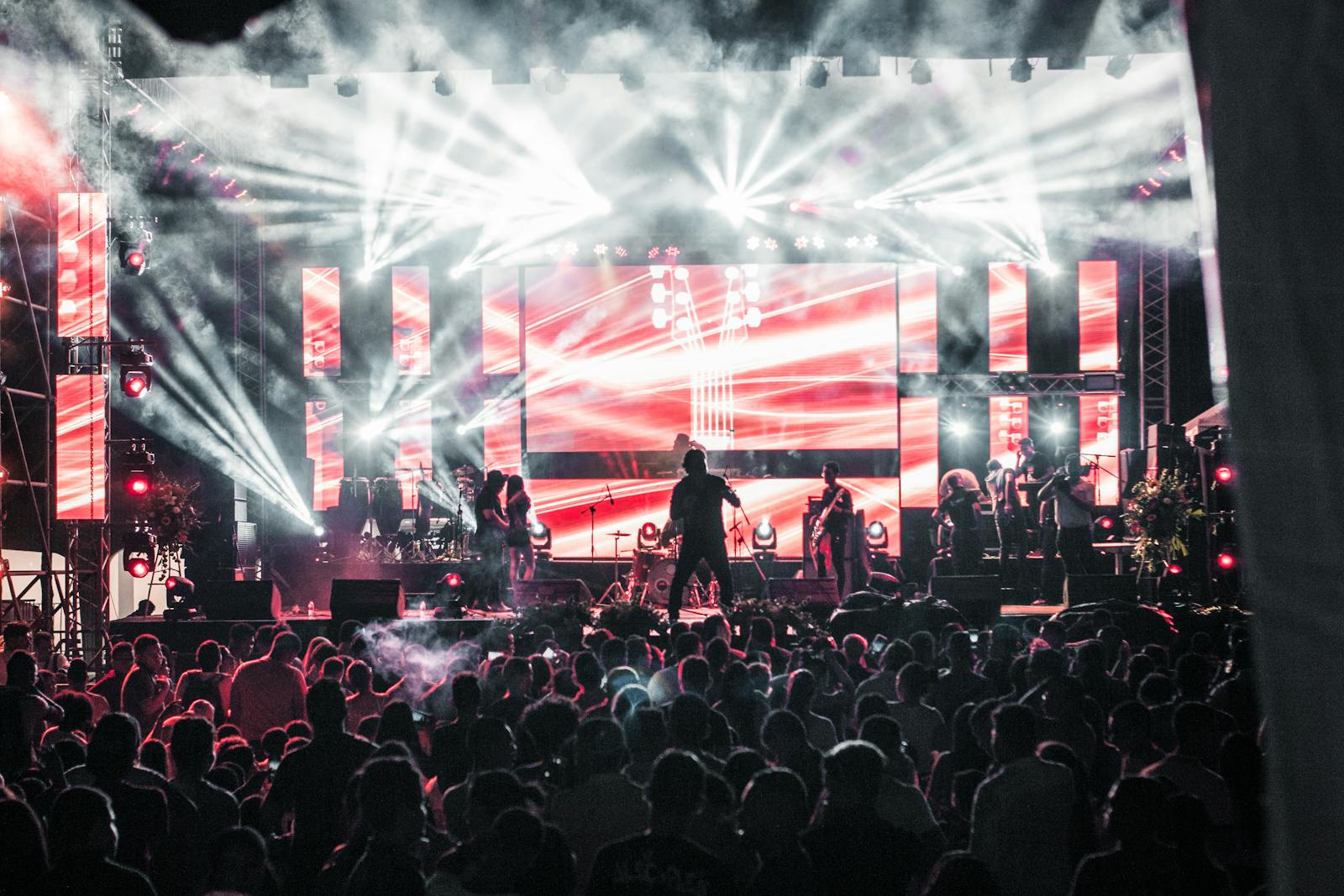
Berlin’s reputation for techno overshadows what is, by any honest accounting, one of the deepest live music ecosystems of any city in Europe. From the 22,000-seat Waldbühne amphitheater nestled in the woods behind the Olympiastadion to A-Trane in Charlottenburg where Wynton Marsalis has played the same eighty-seat room as a teenage jazz student from Friedenau on Saturday “Jazz after Midnight” — the range is extraordinary, the calendar is full, and the audience trusts the programming. This is a guide to the best live music venues in Berlin in 2026: arenas, mid-size halls, intimate clubs, jazz cellars, opera houses, and the festival calendar. I’ve organised by venue size and genre rather than by neighbourhood so you can match the night to the experience.
Some 2026 housekeeping. The Mercedes-Benz Arena renamed itself the Uber Arena in 2024 when Uber bought the naming rights; both names still appear in tour listings. The Komische Oper is performing at the Schillertheater while its home on Behrenstrasse undergoes renovation through about 2027. Festsaal Kreuzberg has relocated and is now technically in Treptow at Am Flutgraben 2 — still excellent, just not in Kreuzberg anymore. Magnet Club has closed; don’t bother looking. Otherwise, the live music map is more stable than the club scene.
Large Arenas and Stadiums (5,000+)
Olympiastadion
Olympischer Platz 3, Westend · Capacity 74,000. The 1936 Olympic stadium and Berlin’s largest venue, used for major tours throughout the summer. 2026 confirmed: Metallica, Queens of the Stone Age, Die Toten Hosen, plus the two-day Lollapalooza Berlin festival on July 18–19. Take the S-Bahn or U-Bahn to Olympiastadion station — both feed straight to the stadium.
Waldbühne
Glockenturmstrasse 1, near Olympiastadion · Capacity 22,000 · Summer only. The open-air amphitheater carved into the Murellenberg woods behind the Olympic stadium. Designed in 1936 as a Greek-theatre-style venue and one of the most beautiful outdoor concert spaces in Europe. A regular summer fixture for the Berlin Philharmonic’s open-air concerts and a coveted slot for touring artists. Bring a cushion — the seats are wooden.
Uber Arena (formerly Mercedes-Benz Arena)
Mercedes-Platz 1, Friedrichshain · Capacity 17,000. Berlin’s main indoor arena, opened in 2008 in the Mercedes-Platz entertainment complex by Ostbahnhof. 2026 bookings include Bushido, Apache 207, Eros Ramazzotti, Wu-Tang Clan, Sarah Connor, Lenny Kravitz, and Dolly Parton. Excellent transport — Ostbahnhof S-Bahn directly across the street.
Verti Music Hall
Mercedes-Platz 2, Friedrichshain · Capacity 4,350. The mid-size sister to Uber Arena, next door on the same plaza. Pop, rock, and mainstream touring shows.
Velodrom
Paul-Heyse-Strasse 26, Prenzlauer Berg · Capacity 12,000. The dramatic sunken disc designed by Dominique Perrault for the 2000 Olympics bid. Used for major concerts when Uber Arena is booked or when a slightly more intimate stadium-class experience is wanted.
Max-Schmeling-Halle
Am Falkplatz 1, Prenzlauer Berg · Capacity up to 8,000. Adjacent to the Velodrom. Boxing arena by day, concert hall by night. Smaller acts than Uber Arena.
Parkbühne Wuhlheide
An der Wuhlheide, Treptow-Köpenick · Capacity 17,000 · Summer only. The other open-air option — a forest amphitheater in southeast Berlin. Loved by locals; less touristy than the Waldbühne. Travel time is significant; budget an hour each way.
Zitadelle Spandau
Spandau · Capacity ~10,000 · Summer only. Open-air concerts inside the courtyard of a 16th-century citadel. Indie and rock programming. A long trip out from central Berlin but the setting is medieval.
Mid-Size Halls (1,000–5,000)
Tempodrom
Möckernstrasse 10, Kreuzberg · Capacity 3,500. A modern, tent-shaped concert hall by the Anhalter Bahnhof site, designed to evoke the original 1980s Tempodrom circus tent it replaced. Indie, rock, jazz, and classical crossover programming.
Columbiahalle / Columbia Theater
Columbiadamm 13–21, Tempelhof · 3,500 (Halle) / 1,200 (Theater). A pair of indie and rock venues in the former US military district near Tempelhofer Feld. The Halle is the larger room; the Theater is the smaller, more intimate space.
Astra Kulturhaus
Revaler Strasse 99, Friedrichshain (RAW Gelände) · Capacity ~1,500. The largest concert venue on the RAW Gelände complex — a converted railway hall with strong programming across metal, hip-hop, indie, and electronic live acts. See our RAW Gelände guide for the wider context.
Huxleys Neue Welt
Hasenheide 107–113, Neukölln · Capacity 1,500. An ornate former dancehall on the Hasenheide, with chandeliers and a proper proscenium. Indie and pop programming; one of the prettier mid-size halls in the city.
SO36
Oranienstrasse 190, Kreuzberg · Capacity ~700–1,000. Berlin punk royalty since 1978. Iggy Pop, Dead Kennedys, Nick Cave, Einstürzende Neubauten — the room’s history is its programming. Still operating, still important, still booking punk, hardcore, queer parties, and the kind of acts that don’t fit elsewhere.
Festsaal Kreuzberg
Am Flutgraben 2, Treptow (relocated from Kreuzberg) · Capacity ~1,000. The famous Kreuzberg indie venue burned in 2013, re-opened, and has since relocated to the Flutgraben. Eclectic programming including world music, indie rock, jazz fusion, and political concerts.
Heimathafen Neukölln
Karl-Marx-Strasse 141, Neukölln · Capacity ~900. A turn-of-the-century ballroom turned community theatre and concert hall. Indie and acoustic acts; one of the few venues where the room is part of the show.
Kesselhaus and Maschinenhaus (Kulturbrauerei)
Knaackstrasse 97, Prenzlauer Berg · Capacity ~1,000. Two halls inside the converted Schultheiss brewery complex. The Kesselhaus is the bigger room with the famous metal ceiling; the Maschinenhaus is more intimate. Indie, electronic, world music.
Gretchen
Obentrautstrasse 19–21, Kreuzberg · Capacity ~600. The home of bass music live in Berlin — drum and bass, dubstep, footwork, jungle, plus electronic acts that need a proper sound system without being a club.
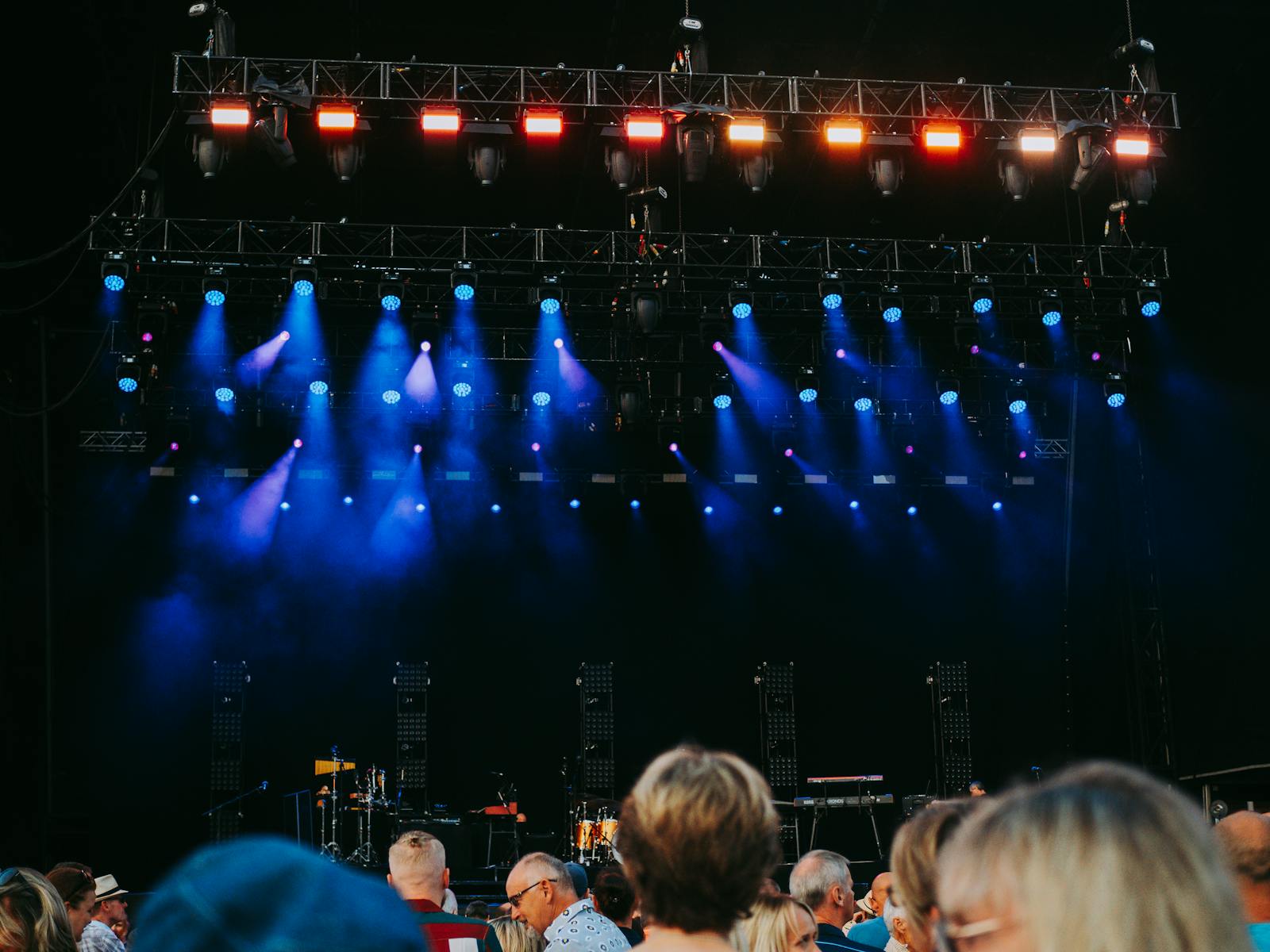
Small Intimate Venues (200–800)
Lido
Cuvrystrasse 7, Kreuzberg · Capacity ~500. A 1950s former cinema converted into the city’s most beloved mid-size indie rock venue in 2006. Sportfreunde Stiller, Beatsteaks, Maximo Park, Perfume Genius — the booking list is long and consistently strong.
Privatclub
Skalitzer Strasse 85–86, Kreuzberg · Capacity ~200. Hidden up a staircase from the Weltrestaurant Markthalle. Tom Odell, Cate Le Bon, Perfume Genius have played here. One of the best small rooms in Berlin.
Frannz Club
Schönhauser Allee 36, Prenzlauer Berg (Kulturbrauerei complex) · Capacity ~500. Indie and pop touring acts in a moderate-sized room. Same complex as Kesselhaus.
Bi Nuu
Schlesisches Tor U-Bahn arch, Skalitzer Strasse 137, Kreuzberg · Capacity ~400. Embedded inside an old U-Bahn brick arch. Indie, alt-rock, electronic live. Excellent sound for a small room.
Schokoladen
Ackerstrasse 169, Mitte · Capacity ~150. A squat-era survivor from the early 1990s, still operating as a cultural project. Small, atmospheric, unpredictable programming.
Wild at Heart
Wiener Strasse 20, Kreuzberg · Capacity ~150. Tiny rock’n’roll dive with regular live shows — rockabilly, garage, country, psychobilly. The bar is the venue.
Silent Green
Gerichtstrasse 35, Wedding · Capacity varies. A former crematorium converted into an experimental music and performance venue. Beautiful, austere, programmes contemporary classical, electronic, sound art.
Jazz Venues
A-Trane
Bleibtreustrasse 1 / Pestalozzistrasse 105, Charlottenburg · Capacity ~80. Berlin’s most internationally important jazz club. Wynton Marsalis, Herbie Hancock, Brad Mehldau, Diana Krall have all played the small corner room. The Saturday “Jazz after Midnight” jam session at 00:30 is a Berlin tradition.
Quasimodo
Kantstrasse 12a, Charlottenburg (under the Delphi cinema) · Capacity ~250. The oldest jazz club in Berlin, opened in 1975. Branford Marsalis, Maceo Parker, and many others have played here. The basement room is dark, low-ceilinged, and serious about the music. Wed–Sun from 18:00.
B-flat Acoustic Music and Jazz Club
Dircksenstrasse 40, Mitte · Capacity ~200. Since 1995. Bebop, contemporary, acoustic. Wednesday jam sessions are legendary. Tue–Sun from 20:00 to about 01:00.
Donau115
Donaustrasse 115, Neukölln · Capacity ~60. A small, collective-run jazz space dedicated to the more experimental edge of the genre. “Two Song Tuesday” is the legendary weekly open mic. Daily from 19:30.
Yorckschlösschen
Yorckstrasse 15, Kreuzberg · Capacity ~100. A 120-year-old corner pub with jazz concerts since the 1980s. Wednesday, Friday, and Saturday programming. Cheap beer, smoky atmosphere, no pretension.
Kunstfabrik Schlot
Invalidenstrasse 117, Mitte (Edison-Höfe) · Capacity ~120. A second-floor jazz venue with regular free concerts and a strong contemporary programme.
Classical and Opera
Berliner Philharmonie
Herbert-von-Karajan-Strasse 1, Tiergarten · Capacity 2,200 (Großer Saal) + 1,180 (Kammermusiksaal). The home of the Berlin Philharmonic, designed by Hans Scharoun in the now-famous “vineyard” terraced-seating arrangement. Karajan’s legacy room. World-class programming most nights. Tickets sell out far ahead — book early.
Konzerthaus Berlin
Gendarmenmarkt, Mitte · Capacity 1,575. The Schinkel-designed neoclassical concert hall on the Gendarmenmarkt — one of the most beautiful concert spaces in Europe. Home of the Konzerthausorchester. The exterior alone justifies a visit.
Staatsoper Unter den Linden
Bebelplatz, Mitte · Capacity 1,400. Daniel Barenboim’s longtime opera house, fully renovated 2010–2017. Opera and the Staatskapelle Berlin orchestra. World-class.
Deutsche Oper Berlin
Bismarckstrasse 35, Charlottenburg · Capacity 1,865. The largest of Berlin’s three opera houses. Modern programming, big productions, the Deutsche Oper Berlin orchestra.
Komische Oper
Behrenstrasse 55–57, Mitte — currently performing at Schillertheater during renovation through about 2027. The smallest of the three opera houses but the most adventurous in programming. Operetta, contemporary opera, and the only opera house in the world to perform exclusively in German (translation services aside).
Genre-Specific and Alternative
- Junction Bar (Gneisenaustrasse 18, Kreuzberg) — since 1993, blues, jazz, funk, rap, Brazilian. Café upstairs, cellar club downstairs.
- YAAM (An der Schillingbrücke 3, Friedrichshain) — Spree-side reggae, afrobeat, and dancehall venue with a beach bar atmosphere. Currently in its fourth location and under tenancy pressure; visit while you can.
- Cassiopeia (Revaler Strasse 99, RAW Gelände) — punk, indie, electronic. Easy door, late hours.
- ufaFabrik (Viktoriastrasse 10–18, Tempelhof) — alternative cultural centre on a former film studio site. World music, circus, theatre.
- HAU Hebbel am Ufer (HAU1/2/3 across Stresemannstrasse and Hallesches Ufer, Kreuzberg) — three sister theatres with contemporary performance, dance, experimental music.
- Badehaus (Revaler Strasse 99, RAW Gelände) — eclectic programming, often jazz and jam sessions inside the converted railway workers’ bathhouse.
Berlin’s 2026 Festival Calendar
- Fête de la Musique — 21 June, free, city-wide. Hundreds of small stages on streets, bars, and parks.
- Karneval der Kulturen — Pentecost weekend, Kreuzberg street festival with live music stages.
- Tempelhof Sounds — open-air festival on Tempelhofer Feld.
- Lollapalooza Berlin — 18–19 July 2026, Olympiastadion grounds.
- Pop-Kultur Festival — late August, Kulturbrauerei. Curated indie, pop, electronic.
- Berlin Atonal — experimental electronic festival held at Kraftwerk Berlin.
- Jazzfest Berlin — November, Berliner Festspiele. One of Europe’s longest-running jazz festivals.
- Kreuzberg Festival — 26–28 June 2026, three stages on Kreuzbergstrasse, 60 artists.
- MaerzMusik — March, Berliner Festspiele, contemporary classical and sound art.
Tickets, Cash, and Practical Tips
- Major platforms: Eventim.de (largest German market), Ticketmaster.de (international tours), Reservix (mid-size venues), Restless.tv (small venues).
- Door tickets: many small venues sell at the door — bring cash.
- Doors open usually 19:00–20:00; main act 20:30–21:30 at proper concerts. Club gigs run later.
- Seating at small venues is rare. Most rock and indie venues are standing-only. Get there early for the railing if you care.
- Transport: U-Bahn and S-Bahn cover almost all venues. Olympiastadion and Parkbühne Wuhlheide are the furthest from the centre — budget travel time.
- Coat check: €1–€3 at most venues, sometimes mandatory.
- Tip the bartender at venue bars, round up or €1 per drink.
A Bit of Context — Why Berlin Has This Many Stages
The density of live music venues in Berlin isn’t an accident. The city has more stages per capita than almost any major European capital, and the reason is structural: relatively low rents (for now), municipal cultural funding that genuinely supports live programming, a population of working musicians who can survive here (less true every year), and a tradition of repurposed industrial buildings — the bunker turned art collection at the Boros, the former crematorium at Silent Green, the railway hall at Astra, the boxing arena at Max-Schmeling — that gives the scene physical room to spread out. Add a music-loving local audience that turns up on weekday nights for unknown acts, and the result is a city where even Tuesday in February has six concerts you’d want to see.
The scene is, as everywhere, under pressure. The Clubcommission’s warning about 46% of clubs being at risk applies in part to the smaller live venues too. Festsaal Kreuzberg’s forced relocation, Magnet’s closure, the ongoing rent pressure on YAAM, the structural fight over RAW Gelände — all of it is the same story. Visit these places while they’re still standing.
A Three-Night Sampler for Visitors
If you’re in Berlin for three or four days and want a balanced live music exposure across genres and scales, this is the route I’d take.
- Thursday night: jazz at A-Trane in Charlottenburg. The Saturday “Jazz after Midnight” jam is the famous one but the Thursday programmed show is the proper concert experience. Book ahead.
- Friday night: indie or rock at Lido, Privatclub, or one of the Kulturbrauerei venues. Whatever’s on Resident Advisor that week.
- Saturday night: classical at the Berliner Philharmonie if you’ve planned ahead (tickets sell out months in advance), or a contemporary performance at Silent Green or HAU.
- Sunday afternoon or evening: Donau115 for the experimental jazz, or one of the open-air summer programmes at Zenner or Tempelhof.
Worth restating because visitors consistently underestimate it: Konzerthaus tickets start at around €19 plus fees, with a quarter off for students under 30 and several other groups. That is less than a lift to the top of the TV Tower, for an evening inside a Schinkel building. Our Gendarmenmarkt guide covers the hall and the square it stands on.
Frequently Asked Questions
Where to see indie music in Berlin?
Lido, Privatclub, Frannz, Bi Nuu, Lido’s smaller sister venues, Festsaal Kreuzberg, Kesselhaus, and Schokoladen are the core indie circuit. SO36 covers punk and harder. Cassiopeia and Astra at RAW Gelände round out the Friedrichshain side.
What’s the best jazz club in Berlin?
A-Trane is the most internationally important. Quasimodo is the oldest (1975). B-flat is the most accessible. Donau115 is the most experimental. Pick by mood.
What’s the biggest concert venue in Berlin?
Olympiastadion at 74,000. Waldbühne at 22,000 (summer only). Uber Arena at 17,000. Velodrom at 12,000. Max-Schmeling-Halle up to 8,000.
Are concert tickets cheaper in Berlin than in other European cities?
For small and mid-size venues, yes — €10–€25 typical for indie club gigs, €25–€50 for mid-size halls. Arena tickets are comparable to London or Paris (€60–€150).
Do Berlin music venues accept cards?
Major arenas yes. Mid-size venues mostly yes. Small clubs and jazz cellars still often cash-only at the door. Bring euros.
What time do concerts start in Berlin?
Doors typically 19:00–20:00. Main act 20:30–21:30 at proper concerts. Club gigs run later. Festival timings vary.
Which neighbourhood is best for live music?
Kreuzberg has the highest density of small venues (SO36, Lido, Privatclub, Junction Bar, Gretchen). Friedrichshain has the RAW Gelände cluster (Astra, Cassiopeia, Badehaus). Charlottenburg is jazz and classical (A-Trane, Quasimodo, Berliner Philharmonie). Prenzlauer Berg has the Kulturbrauerei venues and Frannz.
Final Word
Berlin’s live music scene rewards a small amount of pre-trip work and a willingness to travel across the city. Check the listings for the dates you’ll be there. Book the seated rooms (Philharmonie, Konzerthaus, Staatsoper) ahead. Walk in at the door for the smaller indie venues, the jazz cellars, and the punk dives. Plan one big night for an arena tour, one quiet night at A-Trane or Donau115, and one weird night at Silent Green or HAU. You’ll come away with a different city to the one the techno guides describe.
For the wider Berlin nightlife picture, see our Berlin nightlife guide, best techno clubs, best bars, and the cluster around RAW Gelände, which sits across from several of the venues on this page.