Berlin Nightlife Guide: Best Clubs, Bars & Live Music (2026)
Experience Berlin's legendary nightlife — from Berghain and techno clubs to cocktail bars, live music venues, and the LGBTQ+ scene. Tips for first-timers included.
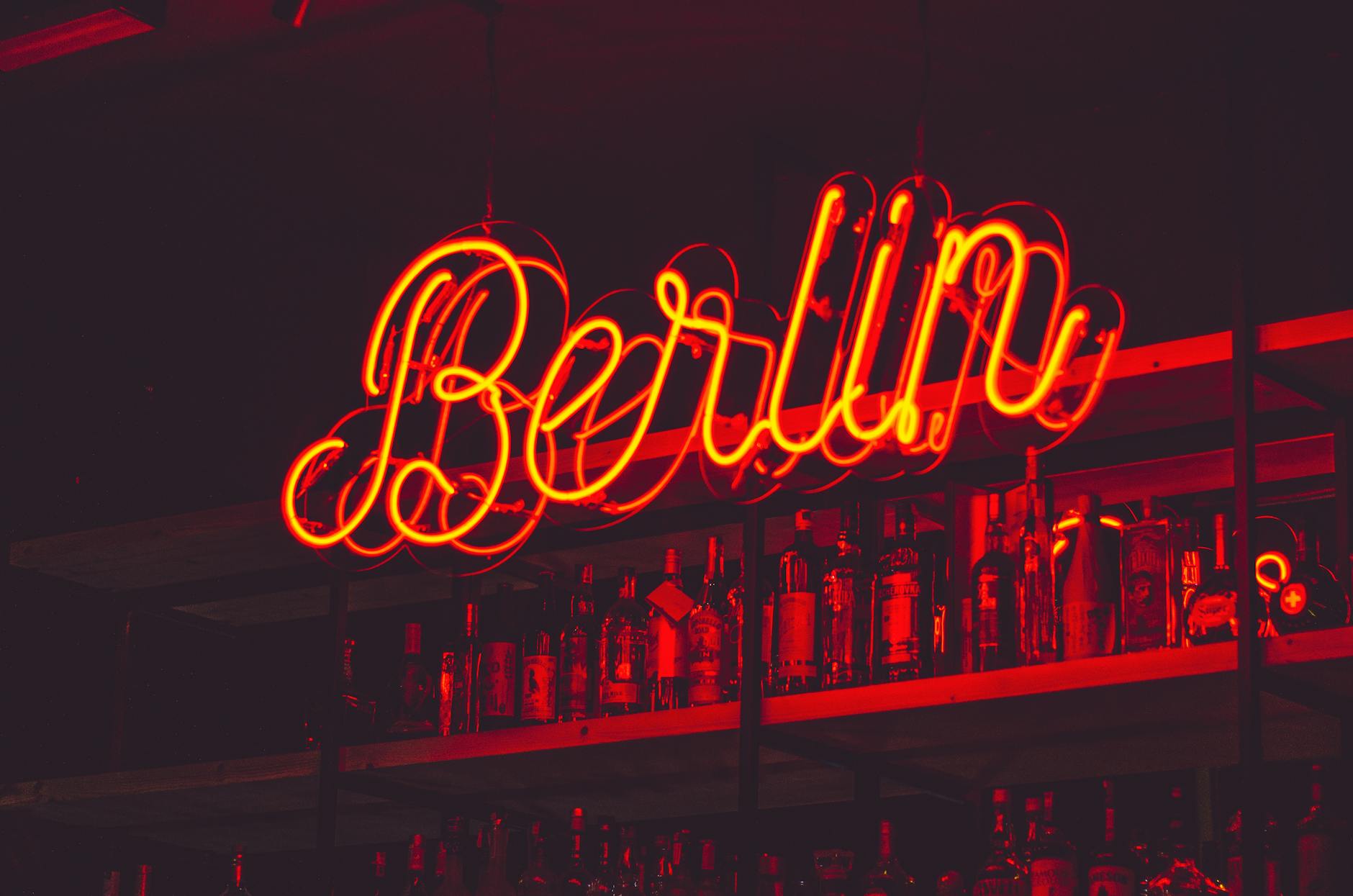
Why Berlin’s Nightlife Is Unlike Anywhere Else
Berlin’s nightlife isn’t just famous — it’s culturally protected. In 2021, Berlin’s club scene received “Clubs are Culture” status, legally recognizing nightclubs as cultural institutions rather than entertainment venues. In 2024, UNESCO added Berlin’s techno scene to its Intangible Cultural Heritage list. No other city in the world has earned that distinction for its electronic music culture.
What makes this berlin nightlife guide necessary is that Berlin’s scene operates on completely different rules than nightlife in London, New York, or Barcelona. Clubs open at midnight and don’t peak until 4 AM. Many run nonstop from Friday night through Monday morning. Door policies are famously selective — and have nothing to do with how you look in a conventional sense. The dress code, where one exists, favors black and understated over flashy and expensive. Photography is banned in most clubs. And the music isn’t background — it’s the entire point.
This guide covers the full spectrum of Berlin after dark — from legendary techno institutions to intimate cocktail bars, live music venues, the LGBTQ+ scene that shaped the city’s identity, and the practical knowledge you need to actually get through the door and make the most of a night out.
Berlin’s Legendary Techno Clubs
Berlin’s techno scene emerged from the chaos of reunification. After the Wall fell in 1989, abandoned buildings, power stations, and bank vaults across former East Berlin became improvised party spaces. What started as illegal raves in no-man’s-land evolved into a global cultural movement — and many of those spaces became permanent institutions.
Berghain remains the most famous techno club on Earth. Housed in a former power station in Friedrichshain, Berghain is actually three venues in one: the main Berghain floor (industrial techno, massive sound system, cathedral-like space), Panorama Bar one floor up (house music, natural light from floor-to-ceiling windows), and Säule in the basement (experimental, more intimate). The club opens Saturday night around midnight and runs continuously until Monday morning or later. There is no guest list, no VIP, and no guaranteed entry — the door selection, managed by legendary bouncer Sven Marquardt, is famously unpredictable. Photography is strictly prohibited inside, and phones must have cameras covered with stickers at the door. Cover is typically €15-20. For a deeper dive, see our Berghain Berlin Guide.
Tresor is Berlin’s other pillar of techno history. Originally opened in 1991 in the vault of a former department store on Leipziger Straße, Tresor relocated to a former power plant on Köpenicker Straße in 2007. The basement level preserves the raw, industrial aesthetic of the original — exposed pipes, cage-like structures, punishing sound system. Tresor’s programming leans toward harder techno and industrial sounds. Entry is more accessible than Berghain, with covers typically €10-15.
About Blank on Markgrafendamm in Friedrichshain combines indoor dance floors with a large garden area, making it particularly appealing in summer. The club is collectively run, politically engaged (regularly hosting benefit events), and known for an inclusive atmosphere. Music ranges across techno, house, and experimental electronic. Cover is usually €10-15.
Sisyphos in Lichtenberg occupies a former dog biscuit factory — a sprawling complex of indoor floors, outdoor stages, a beach area, and hidden corners. Sisyphos parties often run from Friday evening through Monday, and the maze-like layout means you’re constantly discovering new spaces. It’s more relaxed and eclectic than Berghain, with music spanning techno, house, disco, and live acts. Summer weekends are the prime time.
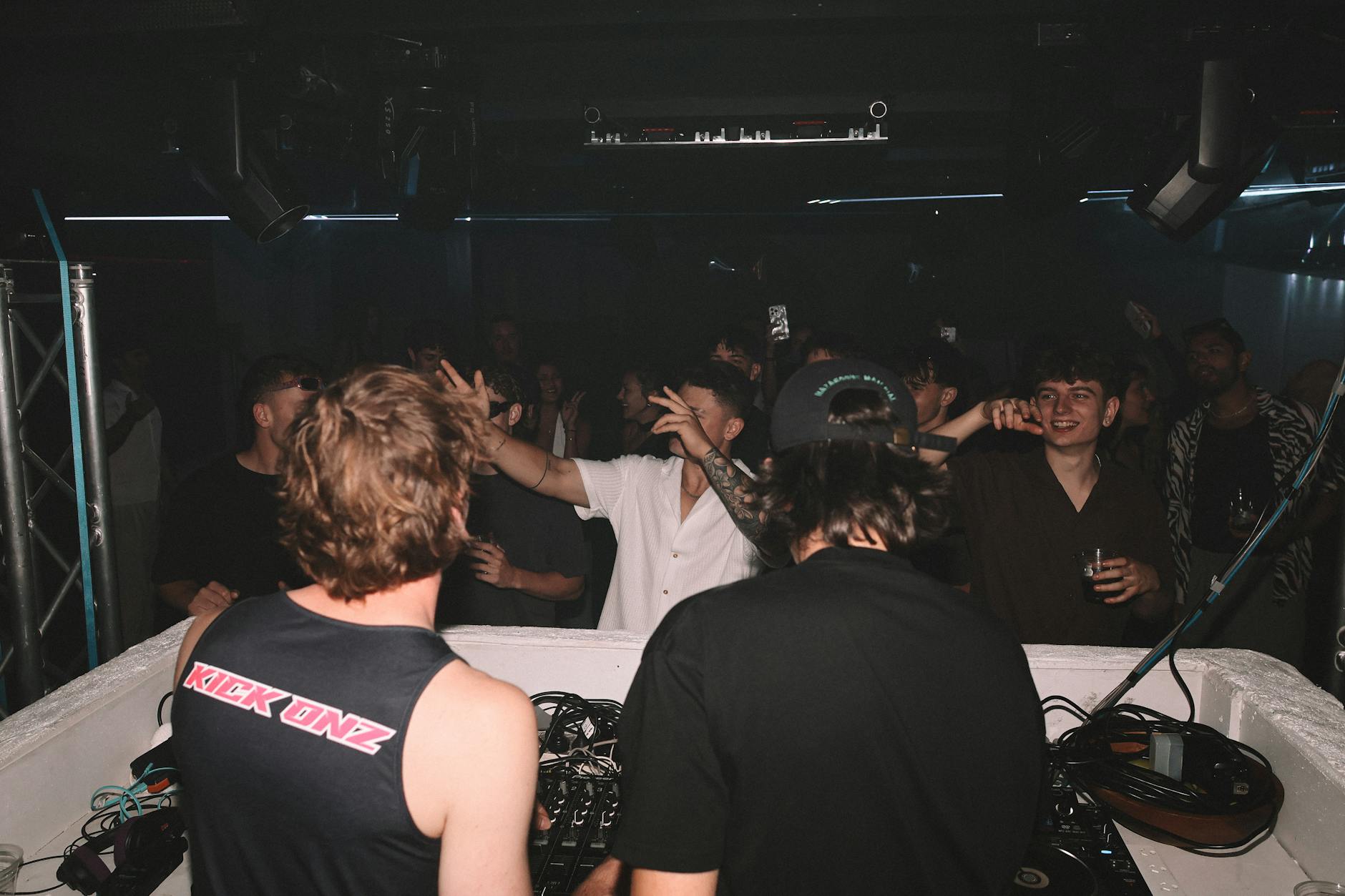
RSO.Berlin (formerly Rummels Bucht / Arena area) on the Spree in Treptow offers waterfront clubbing with multiple indoor and outdoor spaces. The venue hosts regular club nights alongside concerts and cultural events.
AMT is Berlin’s newest major venue, opening in 2026 in a former casino building with a capacity of around 1,000. It represents the ongoing evolution of Berlin’s club landscape — even as some venues close, new ones emerge.
The scene has also experienced significant losses. Watergate, the beloved club overlooking the Spree with its iconic LED ceiling, closed at the end of 2024. SchwuZ, one of Berlin’s oldest LGBTQ+ clubs, entered insolvency in early 2025. Renate went through a closure and uncertain reopening period in 2025-2026. These closures reflect the pressures of rising rents and gentrification that threaten Berlin’s cultural infrastructure — a reality worth understanding as you experience what remains.
For our complete ranking and review of the techno scene, see our Best Techno Clubs in Berlin guide.
Cocktail Bars and Drinking Culture
Berlin’s bar scene runs far deeper than its clubs, making bars an essential chapter in any berlin nightlife guide, offering everything from hidden speakeasies to rooftop cocktail bars to corner pubs that have barely changed in decades.
Buck & Breck in Mitte is Berlin’s most exclusive cocktail experience — a speakeasy-style bar that seats exactly 14 guests. Ring the doorbell, and if there’s space, you’ll enter a dimly lit room where bartenders craft bespoke cocktails tailored to your taste preferences. Cash only, no standing, and absolutely worth the effort of securing a spot. Cocktails run €14-18.
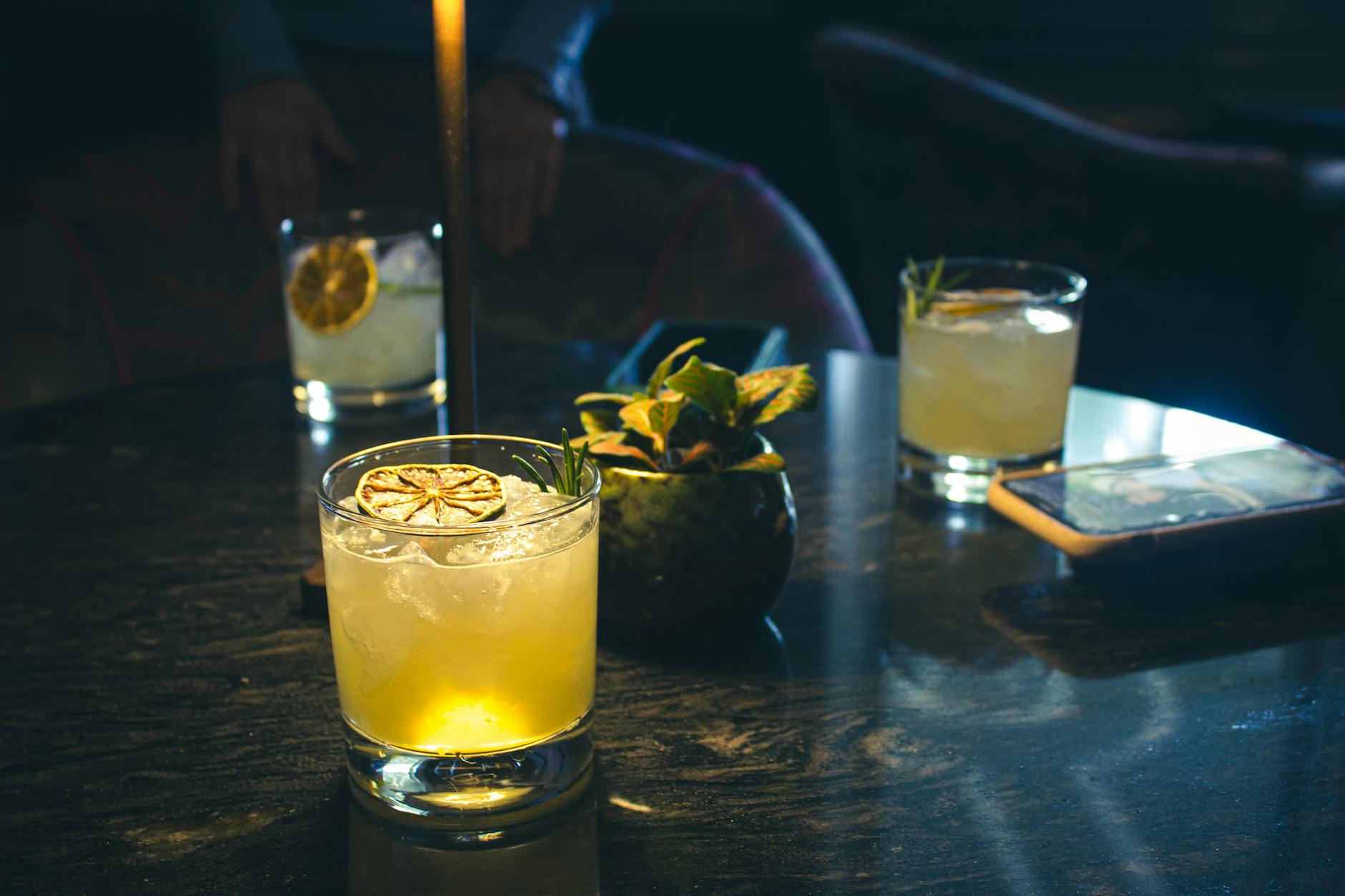
Rum Trader in Schöneberg is another intimate institution — a tiny bar run by Gregor Scholl that serves rum-based cocktails in an atmosphere that feels unchanged since the 1970s. There’s no menu; tell the bartender what you like and trust the result. Maximum capacity is around 15 people.
Bar Tausend hides beneath the railway arches near Friedrichstraße station. The unmarked steel door opens into a sleek, architecturally striking space with excellent cocktails and a sophisticated crowd. It doubles as a restaurant earlier in the evening.
Monkey Bar at the 25hours Hotel Bikini Berlin offers panoramic views over the Berlin Zoo and Tiergarten from the 10th floor. The cocktails are solid if not groundbreaking, but the view — especially at sunset — makes it one of Berlin’s most memorable bar experiences. Expect to wait for a spot on weekends.
Klunkerkranich is a rooftop bar and cultural space built on top of the Neukölln Arcaden shopping center parking garage. The combination of urban garden, panoramic views, DJ sets, and laid-back atmosphere has made it a favorite. Open seasonally (spring through autumn), with a small cover charge (€3-5) that includes cultural programming.
Berlin’s bar culture also includes the beloved Kneipe tradition — neighborhood pubs that serve simple drinks at low prices and function as community living rooms. These are where you’ll find locals on weeknight evenings, and they offer a very different experience from the cocktail scene. Prices at Kneipen are notably lower — expect €3-4 for a beer versus €12-16 for a craft cocktail.
For our full guide to Berlin’s best drinking spots, see our Best Bars in Berlin guide.
Live Music Venues
While techno dominates Berlin’s international reputation, the city’s live music scene is equally vital, and an essential part of any berlin nightlife guide — spanning punk, jazz, indie, classical, and everything between.
SO36 in Kreuzberg has been a cornerstone of Berlin’s alternative music scene since the late 1970s, when it was a punk and new wave hub in the shadow of the Wall. Today it hosts an eclectic mix of punk, indie, world music, and the legendary “Gayhane” — a monthly LGBTQ+ Turkish-German dance party that perfectly encapsulates Berlin’s multicultural identity. Ticket prices vary by event, typically €10-20.
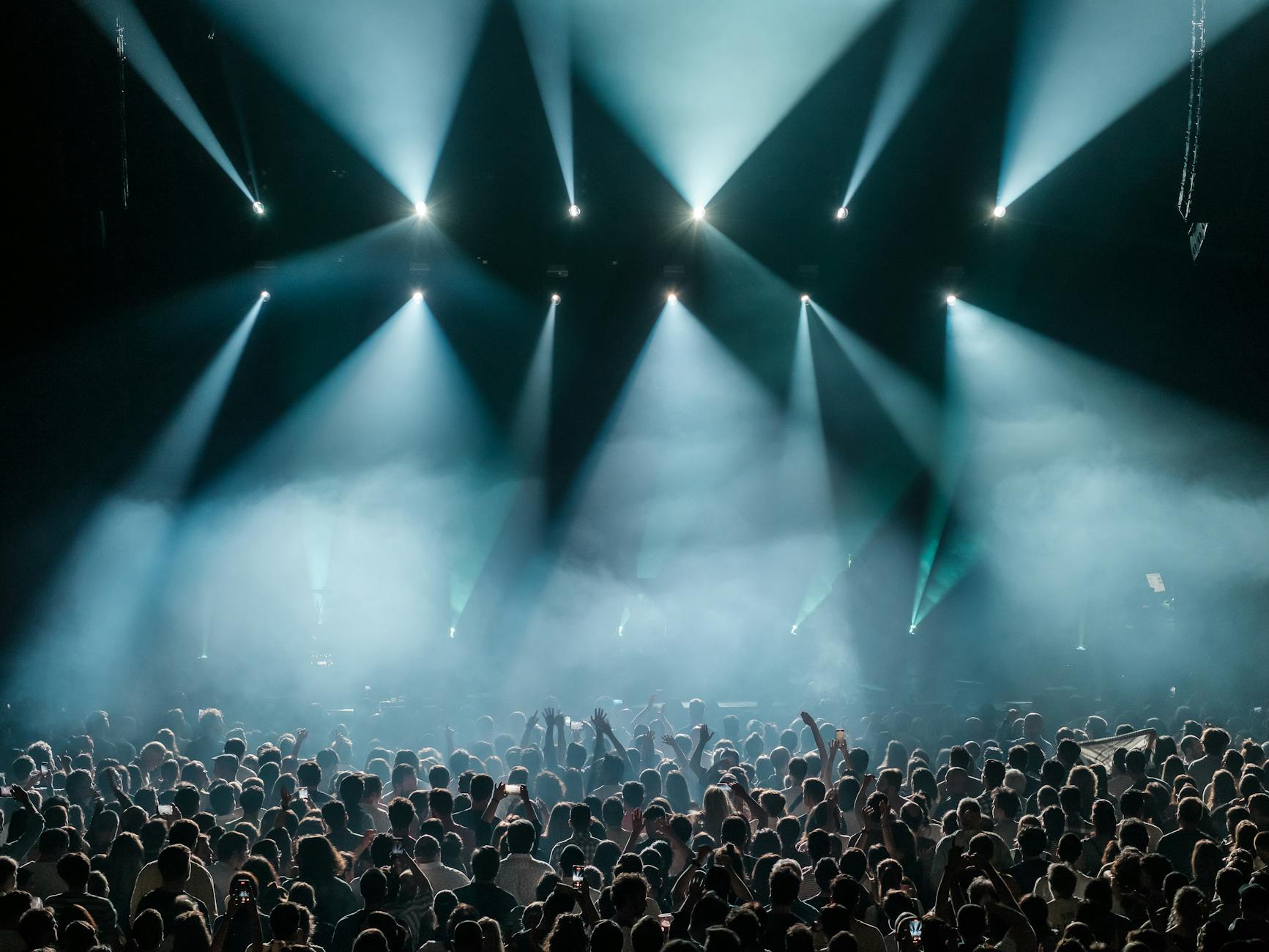
Lido on Cuvrystraße in Kreuzberg occupies a former cinema and hosts indie, electronic, hip-hop, and alternative acts in an intimate 500-capacity setting. The low stage and close quarters create an intensity that larger venues can’t match.
Astra Kulturhaus, part of the RAW Gelände complex in Friedrichshain, is a mid-size venue (capacity ~1,500) that books a wide range of touring acts — rock, indie, electronic, hip-hop. Its industrial setting and good sightlines make it one of Berlin’s most reliable concert experiences.
Festsaal Kreuzberg hosts everything from indie concerts to comedy shows to ballroom events in a beautifully restored venue. Its programming tends toward the alternative and culturally engaged end of the spectrum.
Admiralspalast in Mitte provides the grand end of the spectrum — a beautifully restored 1920s theater that hosts major touring acts, musicals, and special events. If you want live music with historical atmosphere, this is your venue.
Columbia Theater in Tempelhof is a former military cinema turned mid-size concert venue (~900 capacity) that books quality touring indie, rock, and electronic acts. Good sound, good atmosphere, accessible ticket prices.
For jazz specifically, A-Trane in Charlottenburg has been Berlin’s premier jazz club since 1992, hosting international and local acts in an intimate setting. Quasimodo, also in Charlottenburg, is another jazz institution in a cozy basement space.
Explore our full overview at Live Music Venues in Berlin.
The LGBTQ+ Scene
Berlin’s LGBTQ+ nightlife isn’t a subcategory — it’s foundational to the city’s identity. Berlin was a center of LGBTQ+ culture as far back as the Weimar Republic, when Magnus Hirschfeld founded the Institute of Sexual Research and the city’s queer nightlife flourished openly. That history was violently interrupted by the Nazi regime, but the community rebuilt, and today Berlin is widely considered one of the world’s most LGBTQ+-friendly cities.
Schöneberg is the historical heart of gay Berlin. Motzstraße and Fuggerstraße form the traditional gay nightlife strip, lined with bars, clubs, and cafés that have served the community for decades. While the scene has spread across the city — particularly to Kreuzberg and Neukölln — Schöneberg retains its significance.
Möbel Olfe in Kreuzberg (on the corner of Reichenberger Straße and Kottbusser Straße) is a queer bar in a former furniture store that’s become one of the city’s most popular LGBTQ+ gathering spots. Thursday nights (“Gay Bar Night”) are especially packed. It’s refreshingly unpretentious — cheap drinks, mixed crowd, great energy.
KitKatClub deserves mention in both the club and LGBTQ+ contexts. Located in a former silent film theater, KitKat is famous for its liberal dress code (fetish, costumes, or very little at all), sex-positive atmosphere, and high-quality electronic music programming. It’s not exclusively LGBTQ+, but it embodies the sexual openness that Berlin’s nightlife is known for. The door policy favors those who have made an effort with their outfit — showing up in jeans and a T-shirt will likely get you turned away.
Christopher Street Day (CSD), Berlin’s annual Pride celebration held in late July, is one of Europe’s largest, drawing hundreds of thousands of participants. The parade route runs through Tiergarten to Brandenburg Gate, and the surrounding weekend is packed with parties, cultural events, and celebrations across the city.
The loss of SchwuZ to insolvency in 2025 hit the community hard — it was one of Berlin’s oldest and most beloved LGBTQ+ venues. Its closure underscores how rising costs are affecting queer cultural spaces specifically.
For our complete guide, see LGBTQ+ Nightlife in Berlin.
RAW Gelände: Berlin’s Alternative Nightlife Complex
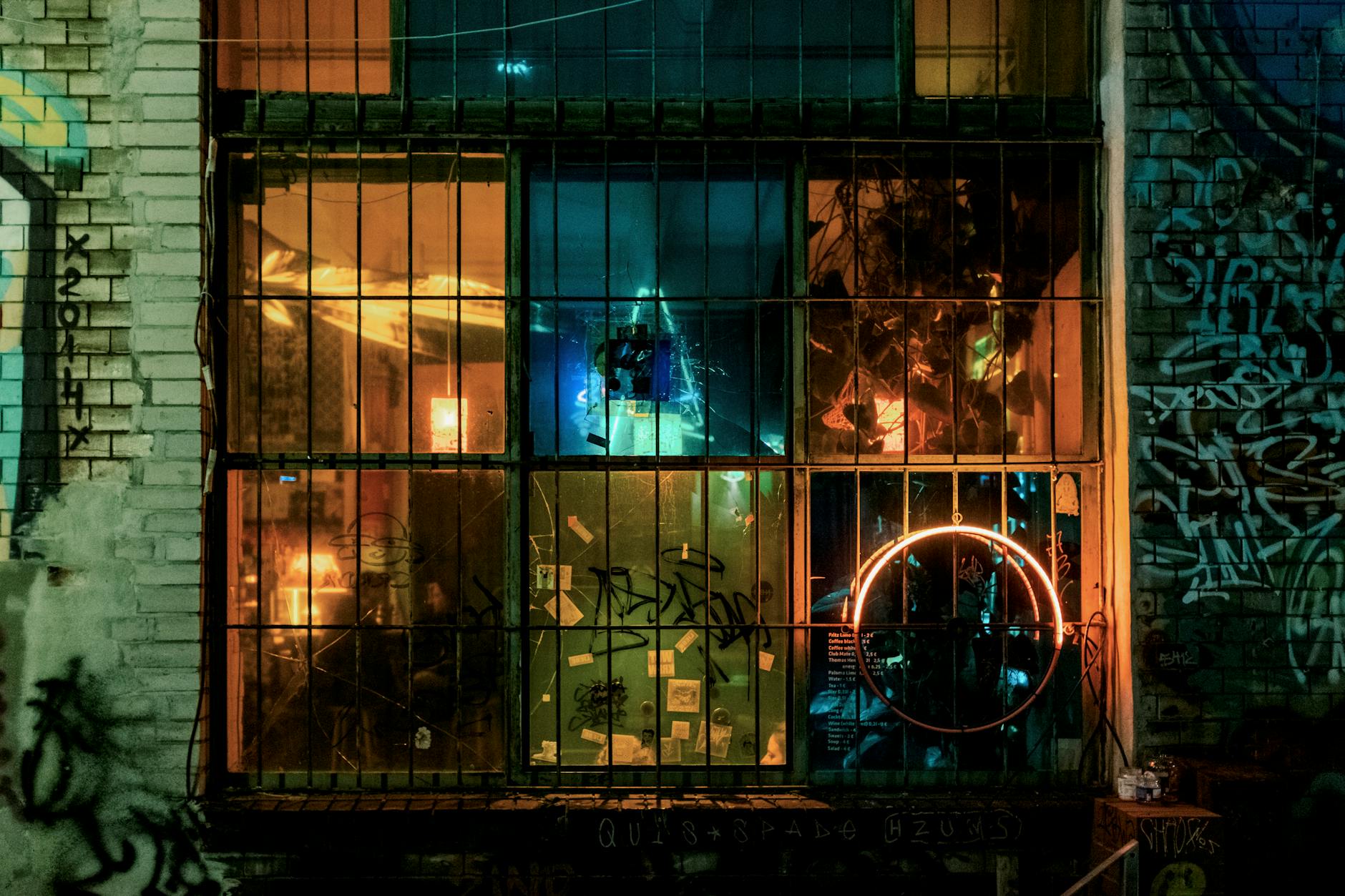
The RAW Gelände on Revaler Straße in Friedrichshain is a former railway repair yard that’s been transformed into one of Berlin’s most concentrated nightlife and culture zones. Covering a large urban block, it packs multiple clubs, bars, event spaces, and cultural venues into a single graffiti-covered compound.
Cassiopeia offers three floors of music — from punk and metal to indie and electronic — plus a beer garden and even an indoor climbing wall. It’s one of the more accessible entry points into Berlin’s alternative scene.
Suicide Circus is a techno club with both indoor and outdoor floors. The garden area with its fire pits and industrial aesthetic is particularly atmospheric in summer. Programming focuses on electronic music with a harder edge.
Urban Spree is an art gallery, event space, and beer garden rolled into one — hosting exhibitions, concerts, flea markets, and cultural events. It represents the creative side of the RAW complex.
Astra Kulturhaus (mentioned above in Live Music) rounds out the major venues on the compound.
The RAW Gelände area has faced ongoing debates about development and gentrification. Parts of the site have been sold to developers, and the long-term future of some venues remains uncertain. Visiting now means experiencing a Berlin phenomenon that may not exist in its current form indefinitely.
For our full exploration of the area, see RAW Gelände Berlin.
Getting Through the Door: Club Etiquette and Door Policies
No berlin nightlife guide would be complete without addressing the reality that Berlin’s most famous clubs have selective door policies — and getting turned away is a normal, common experience that happens to locals and tourists alike.
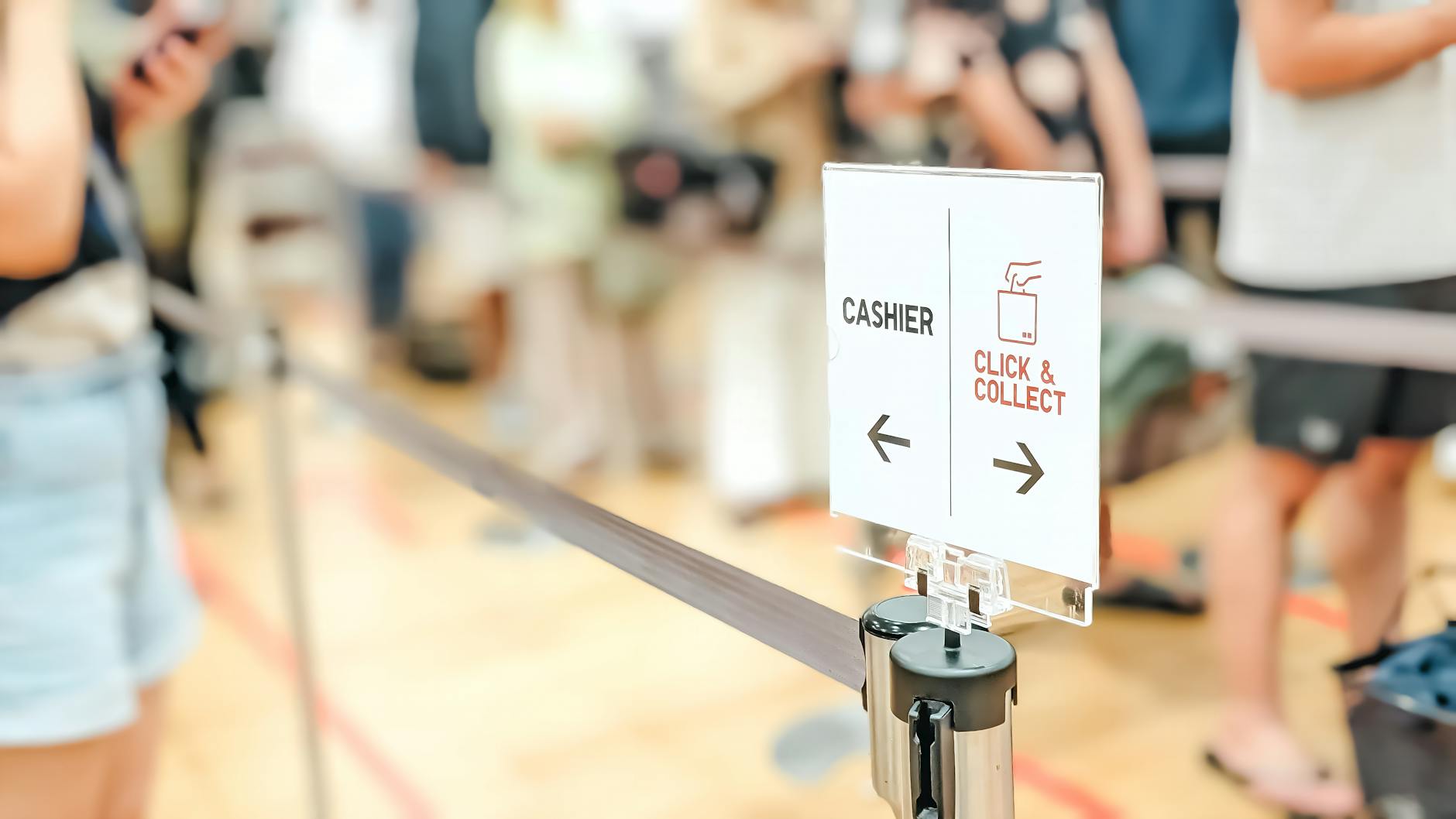
What the door policy is actually about: Berlin’s selective doors aren’t about exclusivity in the bottle-service sense. They’re about protecting the atmosphere inside. Bouncers are curating a crowd that will contribute to the night rather than treating the club as a tourist attraction. At Berghain in particular, the bouncer (Sven Marquardt) has described his role as protecting a safe space where people can express themselves freely — which requires keeping out those who would gawk, photograph, or disrupt.
Dress code: The default Berlin club uniform is black — simple, dark clothing that doesn’t draw attention. Leave the designer logos, bright colors, high heels, and cologne at the hotel. Sneakers are fine. Boots are fine. All-black is a safe default. Some clubs (KitKatClub, Buttons) have specific dress codes favoring fetish wear, creative costumes, or minimal clothing — check the event listing before going.
Behavior in the queue: Don’t be loud. Don’t be obviously drunk. Don’t take photos in the queue. Don’t be on your phone excessively. Speak quietly if you speak at all. Groups larger than two or three have a significantly harder time — consider splitting up and entering separately. Couples often have an easier time than groups.
At the door: Answer questions calmly, briefly, and in German if possible — even just a few words. “Zwei Personen” (two people) is useful. Know who is DJing that night and what floor you want to go to. If asked why you’re here, a simple “für die Musik” (for the music) is better than naming the club or saying you’re a tourist. Be honest and relaxed. Nervousness and over-preparation both work against you.
Timing: Don’t arrive before 1 AM at most clubs — 2 AM or later is standard for Berghain. Arriving too early signals that you don’t understand the culture. Saturday night / Sunday morning is the classic Berghain timing. Some clubs’ best moments happen on Sunday afternoon.
Getting rejected: It happens to everyone. Don’t argue, don’t ask why, and don’t take it personally. Move on to another venue — Berlin has plenty. The bouncers’ decisions are final and debating them guarantees you won’t get in on a future visit either.
Inside the club: Absolutely no photography. Keep your phone away. Respect personal space and boundaries. Don’t stare. The no-photo policy exists to create a space where people feel free to dance, dress, and behave without fear of ending up on social media. Violating it will get you ejected immediately.
For our comprehensive etiquette guide, see Berlin Club Culture and Etiquette.
Nightlife by Neighborhood
Berlin’s nightlife is spread across several distinct neighborhoods, and any berlin nightlife guide worth reading should map these for you, each with its own character. Understanding the geography helps you plan nights that match your mood.
Friedrichshain is Berlin’s techno heartland. Berghain, the RAW Gelände complex (Cassiopeia, Suicide Circus, Astra Kulturhaus), and numerous bars along Revaler Straße, Simon-Dach-Straße, and Boxhagener Platz make this the densest concentration of nightlife in the city. Simon-Dach-Straße specifically is lined with bars and restaurants — touristy but reliably busy. The area skews younger and more international.
Kreuzberg is the alternative soul of Berlin nightlife. SO36, Lido, and countless dive bars along Oranienstraße and around Kottbusser Tor anchor a scene that’s more punk, more political, and more mixed than Friedrichshain. The area around Schlesisches Tor and the Landwehr Canal offers a concentration of bars and late-night food spots. Kreuzberg attracts a slightly older, more local crowd than Simon-Dach-Straße.
Neukölln has emerged as Berlin’s underground nightlife frontier. Weserstraße and Sonnenallee are lined with bars, from Späti-bar hybrids to cocktail spots. The scene here is more experimental, more diverse, and less polished than neighboring Kreuzberg. This is where you’re most likely to stumble into something unexpected — a gallery opening that turns into a dance party, or a bar that hosts live experimental music in the basement.
Mitte offers Berlin’s more upscale nightlife — cocktail bars like Bar Tausend, hotel rooftop bars, and venues that attract a dressier crowd. It’s the neighborhood where Berlin most resembles other major European capitals. Less edgy, more accessible, and the default for visitors who want a great night out without navigating door policies.
Schöneberg remains the heart of LGBTQ+ nightlife, with the Motzstraße strip offering bars and clubs that range from relaxed to raucous. It’s also where you’ll find some of Berlin’s most characterful old-school Kneipen.
Alternative and Off-Beat Night Out Options
Berlin’s nightlife extends well beyond clubs and bars into territory that’s harder to categorize — and often more memorable.
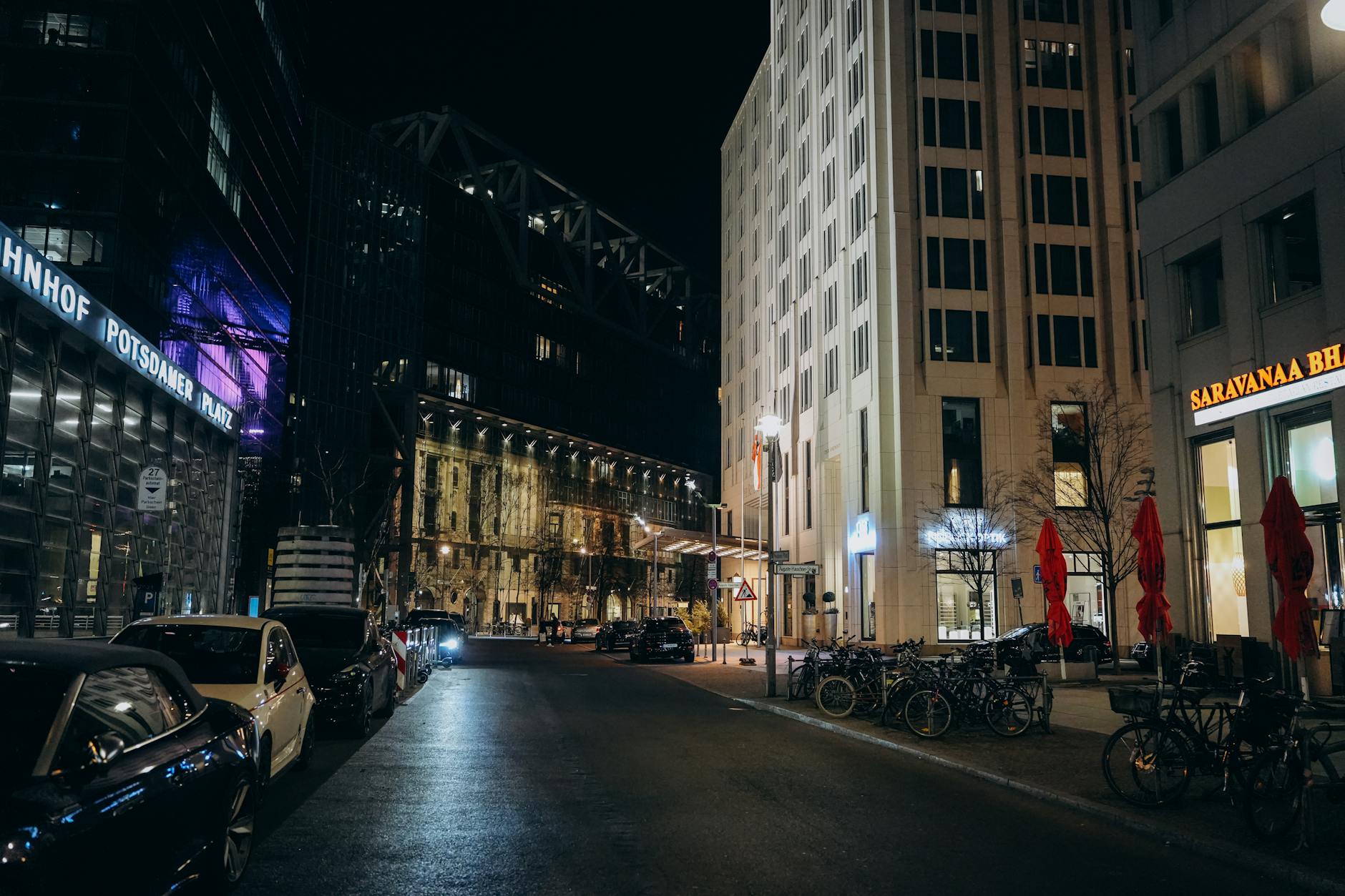
Späti culture is uniquely Berlin. Spätis (late-night convenience stores, short for Spätkauf) function as informal gathering spots — people buy a beer (€1-2) and stand or sit outside, socializing on the sidewalk. On warm evenings, the area around popular Spätis becomes a street party by default. It’s the cheapest possible night out and a genuinely Berlin experience. Particularly common in Kreuzberg, Neukölln, and Friedrichshain.
Monster Ronson’s Ichiban Karaoke on Warschauer Straße in Friedrichshain offers private karaoke rooms in a delightfully bizarre setting — think neon, kitsch, and Japanese-inspired aesthetic. It’s a Berlin institution for groups, birthday celebrations, or anyone who wants to sing without the pressure of techno door policies. Rooms book by the hour (around €5-10 per person per hour, plus drinks).
Late-night food is its own Berlin ritual. Burgermeister, located in a converted public toilet under the Schlesisches Tor U-Bahn bridge, serves some of Berlin’s best burgers until the early hours. Mustafa’s Gemüse Kebab on Mehringdamm draws legendary queues for its vegetable-loaded döner (expect 30-60 minute waits after midnight). And countless döner shops across the city serve the 3 AM fuel that keeps Berlin’s nightlife running.
Open-air nightlife thrives in Berlin’s summers. The city’s parks become gathering spots with pop-up bars and sound systems. Club der Visionäre, a tiny waterside bar on the canal in Kreuzberg/Treptow, plays house and techno from a wooden deck barely above the water line. YAAM (Young African Art Market) combines beach bar vibes with reggae, dancehall, and Afrobeats on the Spree riverbank.
Practical Tips for Berlin Nights
Money: Cash is essential in Berlin’s nightlife. Many clubs and smaller bars are cash-only, and even those accepting cards may have minimums or surcharges. Bring at least €50-80 in cash for a full night out. ATMs are widespread, but clubs don’t have them inside. Budget roughly €5-25 for cover charges, €3-5 per beer, and €12-16 per cocktail.
Transport: Berlin’s public transit runs 24 hours on weekends — U-Bahn and S-Bahn trains operate through Friday and Saturday nights on most lines. On weekday nights, night buses (prefixed with “N”) replace train services after approximately 12:30 AM. A single-ride ticket (€3.50) is valid for two hours. Taxis and ride-sharing apps work throughout the night but surge pricing applies during peak clubbing hours (3-6 AM). Download the BVG app for real-time transit information.
Safety: Berlin is generally safe at night, but exercise normal city precautions. Watch your belongings in crowded venues and on public transit. The areas around major transit hubs (Alexanderplatz, Kottbusser Tor, Görlitzer Park) require more awareness after dark. Travel in groups when possible, and have your address saved on your phone for the cab ride home.
Timing your night: A typical Berlin night starts with dinner around 8-9 PM, moves to a bar around 10-11 PM, and arrives at a club after 1-2 AM. Many clubs don’t even open until midnight. Sunday daytime clubbing is a Berlin institution — Sunday afternoon at Berghain’s Panorama Bar or Sisyphos in summer is a quintessential experience.
What to wear: Default to dark, comfortable clothing and flat shoes. You’ll be on your feet for hours. Leave valuables at the hotel. A small crossbody bag or fanny pack is practical. Don’t overdo perfume or cologne — many venues are warm and close-quartered.
Full night budget estimate: A modest night out (a few bars, one club) runs €30-50. A full club experience (cover, drinks, transport, late-night food) typically costs €50-80. High-end cocktail bars and restaurants will push this higher. Späti drinking is Berlin’s budget option at under €10 for the evening.
For our complete first-timer orientation, see Berlin Nightlife for First-Timers.
Explore Berlin’s Nightlife in Depth
This berlin nightlife guide covers the essentials. For detailed guides on specific aspects of Berlin after dark, explore our specialized content:
- Berghain Berlin Guide — Everything you need to know about the world’s most famous techno club
- Best Techno Clubs in Berlin — The complete ranking of Berlin’s electronic music venues
- Best Bars in Berlin — Cocktail bars, speakeasies, rooftop bars, and traditional Kneipen
- Berlin Club Culture and Etiquette — Door policies, dress codes, and unwritten rules
- LGBTQ+ Nightlife in Berlin — The queer scene from Schöneberg to Kreuzberg
- Berlin Nightlife for First-Timers — Your complete orientation guide
- Live Music Venues in Berlin — From punk basements to grand theaters
- RAW Gelände Berlin — Guide to Friedrichshain’s alternative culture compound