7 Days in Berlin: Ultimate Week-Long Itinerary (2026)
A seven-day Berlin itinerary with two day trips, a contemporary art day, a Cold War day, and lesser-known anchors most guides miss (Bendlerblock, Hamburger Bahnhof, Sammlung Boros). Includes 2026 closures and pacing rules.
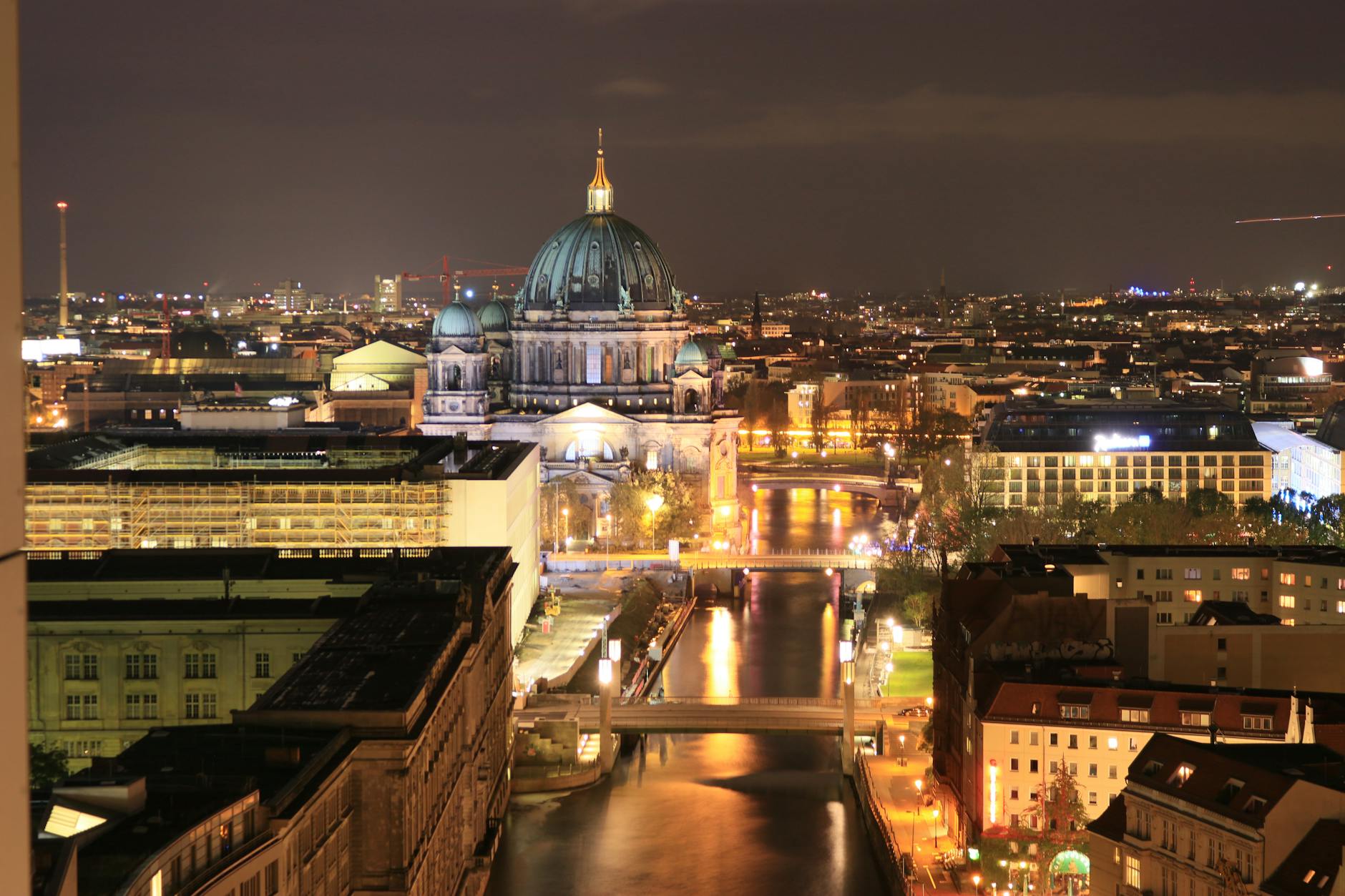
Seven days is when Berlin starts to make sense. Three days gives you a postcard, five gives you a portrait, seven gives you a working understanding of how a city the size of three Parises actually functions. You get two day trips, real time in three or four neighborhoods, the slower second-tier museums (Hamburger Bahnhof, Berlinische Galerie, Sammlung Boros), and at least one night out long enough to count.
The plan below is built around the pacing rule I keep coming back to: two emotionally heavy sites maximum per day, one slow day after every two hard ones, and the day trip on Day 4 rather than Day 7 so you’re not flying home exhausted. I’ve put a lot of people through this seven-day plan; it produces fewer “I wish we’d known” texts than any other length.
The Seven-Day Ticket Strategy
Seven days unlocks the city’s flat-rate pass advantages. The right combination, in most cases:
VBB 7-day AB ticket: ~€44 (or ~€55 ABC if you’ll take the S7 to Potsdam). One ticket covers every U-Bahn, S-Bahn, tram, bus, and ferry inside the city for a calendar week from validation.
Museum Pass Berlin: €36 for 3 consecutive days. Cover Museum Island day, Jewish Museum + Berlinische Galerie day, and Hamburger Bahnhof + a side museum day. The pass pays for itself by the second day if you’d otherwise pay individual entries.
Total: ~€80–€91. Compare to the Berlin WelcomeCard 6-day option (~€50 AB) — cheaper but without the museum-entry leverage. If your seven days will include the Berlin Philharmonie, Sammlung Boros, an opera at Staatsoper, and at least three Museum Pass institutions, stack the Museum Pass + 7-day VBB. If you’ll mostly do outdoor history and one big museum, the WelcomeCard wins.
2026 closures to know: Pergamon Museum closed until June 4, 2027. Museum Berggruen closed through 2026 (reopening 2027). Bauhaus-Archiv main building closed; the Temporary Bauhaus-Archiv at Knesebeckstraße 1 in Charlottenburg is open. Komische Oper performing at Schillertheater (Charlottenburg) through 2027+. Watergate club permanently closed end of 2024 — don’t believe the older guides.
Day 1 — Light Arrival: Brandenburg, Holocaust Memorial, Tiergarten
Treat Day 1 as a setup day. You’re jet-lagged or work-tired. Don’t over-plan.
Afternoon: Brandenburg Gate → Memorial to the Murdered Jews of Europe (Information Center if it’s open) → walk into Tiergarten. Allow 90 minutes of unstructured wandering — to the Soviet War Memorial (the 1945 monument on the central axis, flanked by two T-34 tanks), the Goldelse (Victory Column, climbable for ~€4 with a fantastic view), or just sit by the Neuer See and watch rowers.
Evening: Dinner at Augustiner am Gendarmenmarkt (Bavarian, hearty) or Lutter & Wegner (historic Mitte). Bed by 10 p.m.
Day 2 — Reichstag, Museum Island, Berliner Dom
9:30 a.m. — Reichstag dome, pre-booked. 60 minutes.
11:30 a.m. — Walk Unter den Linden east, past the Russian Embassy, Humboldt University, Bebelplatz (Empty Library), Staatsoper, Kronprinzenpalais. Arrive at Lustgarten.
1:00 p.m. — Lunch on Hackescher Markt at Hackescher Hof or Mutter Hoppe (Nikolaiviertel, classic Berlin tavern).
2:30 p.m. — Museum Island, day one of your Museum Pass. Neues Museum (Nefertiti, allow 2 hours), Alte Nationalgalerie (Cassirer/Impressionism exhibition through 27 September 2026, allow 60–90 minutes). Optional Bode Museum for Byzantine and Renaissance sculpture.
6:00 p.m. — Berliner Dom dome walk (€7, 270 steps, freshly reopened March 2026).
7:30 p.m. — Sunset at Monbijou Park across the Spree from the Bode Museum, or the TV Tower (€25.50) if you want elevation.
8:30 p.m. — Dinner at Restaurant 3 Minutes Sur Mer (modern French, Scheunenviertel) or Pauly Saal (in the historic Jewish Girls’ School on Auguststraße).
Day 3 — Cold War: Bernauer, Tränenpalast, Jewish Museum, East Side Gallery
9:30 a.m. — Berlin Wall Memorial at Bernauer Straße. The most rigorously-built Wall site: preserved Border Strip, Documentation Center, Chapel of Reconciliation, viewing tower. 90 minutes, free.
11:30 a.m. — Tränenpalast (“Palace of Tears,” Friedrichstraße station). Former East-West border crossing for day visitors. 45 minutes, free.
12:30 p.m. — Lunch in Kreuzberg: Mustafa’s Gemüse Kebap + Curry 36 at Mehringdamm.
2:30 p.m. — Jewish Museum (Day 2 of Museum Pass). Daniel Libeskind’s building, 2 hours.
5:00 p.m. — Berlinische Galerie (right next door, included in Museum Pass). 60 minutes.
6:30 p.m. — East Side Gallery west-to-east at golden hour, 60 minutes.
8:30 p.m. — Dinner in Friedrichshain. Mr Susan (Schlesische Straße, modern German) or Lemon Leaf (Vietnamese, Friedrichshain).
Day 4 — Day Trip to Potsdam
S7 to Potsdam Hauptbahnhof (~25 minutes, ABC ticket required). Bus 695 to Sanssouci. Walk Sanssouci Park starting at the Palace’s terraced vineyards — Frederick the Great’s rococo summer residence — west to the New Palace at the park’s edge. Lunch at Friedrich-Wilhelm on Brandenburger Straße. Afternoon split: Cecilienhof (1945 Potsdam Conference site, €10) for history-first travelers, or the Dutch Quarter and Brandenburger Straße shopping for slower-paced visitors. Read our Potsdam day-trip guide for the timed-entry strategy. Back in Berlin by 19:00 for dinner near your hotel.
Day 5 — Rest Day: Tempelhofer Feld + Neukölln + Klunkerkranich Sunset
The first slow day after four heavy ones. Brunch in Prenzlauer Berg or Mitte (Anna Blume, House of Small Wonder, Father Carpenter). Mid-morning: rent a bike and ride Tempelhofer Feld — 3.7-mile loop on a former airport runway. Allow 2 hours. Optional Tempelhof Airport tour (€19, 90 minutes) for the architecture and the Berlin Airlift history.
Afternoon café-hop in Neukölln (Sanderstraße, Weserstraße, Reuterkiez). Sunset at Klunkerkranich rooftop (Neukölln Arcaden, €5 cover). Dinner at Eins44 (set-menu neighborhood spot) or Sing Blackbird. If you have energy, a Friday/Saturday night out: ://about blank, Wilde Renate, Sisyphos in Rummelsburg, or Tresor (celebrating its 35th anniversary in 2026). Note: Watergate has been closed since end of 2024 — older guides will mislead you.
Day 6 — Contemporary Art Day: Hamburger Bahnhof + Sammlung Boros + Gallery Walk
Berlin’s contemporary art scene is its under-promoted superpower. Most seven-day itineraries skip it. This is your chance.
10:00 a.m. — Hamburger Bahnhof (Moabit, 5-minute walk from Hauptbahnhof). Day 3 of your Museum Pass. The Rieckhallen reopened in September 2024 with the “Museum in Motion” collection presentation (Erek, Elmgreen & Dragset, Anne Imhof). Beuys, Rauschenberg, Warhol, plus the Friedrich Christian Flick Collection. Allow 2.5 hours.
1:00 p.m. — Lunch at Markthalle Neun (Eisenbahnstraße, Kreuzberg — or, if it’s Thursday, build your Day 6 around Street Food Thursday in the evening).
3:00 p.m. — Sammlung Boros (Reinhardtstraße, Mitte). Five-story WWII bunker → 1990s techno club → private contemporary collection. Tours only, 90 minutes, must be booked weeks ahead at sammlung-boros.de. ~€25 per person. This is the most-loved private collection in the city and nearly no top-ranking seven-day itinerary mentions it.
5:00 p.m. — Auguststraße gallery walk. KW Institute for Contemporary Art, Eigen+Art, then walk west to the Hackescher Markt area. Optional Potsdamer Straße gallery cluster if you’d rather (Esther Schipper at Potsdamer Str. 81e, Sprüth Magers, Galerie Buchholz, neugerriemschneider — all walkable in 60 minutes).
8:00 p.m. — Berlin Philharmonie if there’s a Großer Saal program, or Schaubühne (Lehniner Platz, Ostermeier’s house) for theater, or Komische Oper at Schillertheater (Charlottenburg) for the operetta tradition during the main house renovation. Tickets €25–80 typically. Our art and culture itinerary goes deeper on what to book and when.
Day 7 — Final Day: Charlottenburg, Ku’damm, KaDeWe, Departure
Day 7 closes the loop. Most seven-day travelers fly out late afternoon or evening, so structure this as a half-day with bags either in left luggage or at the hotel.
10:00 a.m. — Schloss Charlottenburg. The largest surviving Hohenzollern palace in Berlin. €12 main building, gardens free. Allow 2 hours including a Baroque garden walk. Adjacent: the Bröhan-Museum for Art Nouveau and Berlin Secession (€8, 90 minutes), and the Berggruen Museum (closed through 2026, reopening 2027 — note for return visit).
1:00 p.m. — Lunch on Savignyplatz. Florian (modern German), Schwarzes Café (24-hour eggs and a Berlin classic), or the cafe scene around the square.
3:00 p.m. — Kurfürstendamm walk + KaDeWe. Read our Ku’damm guide for the strategic stops. KaDeWe’s 6th-floor food hall is the proper farewell — pastries, oysters, sausage, champagne by the glass. Our mall comparison ranks the alternatives.
5:00 p.m. — Gedächtniskirche, the bombed-out 1895 spire next to its 1960s octagonal blue-glass replacement. The blue interior of the new church at dusk is one of the city’s quietest moments.
Final dinner at Restaurant Tim Raue (2 Michelin stars) if you’ve booked weeks ahead — Asian-inflected, intense, expensive (~€280/person tasting menu); Lubitsch on Wilmersdorfer for the classic Berlin bistro version; or for a final beer-garden moment if it’s open-air season, Café am Neuen See in Tiergarten.
What I’d Substitute on the Second Try
Three swaps to consider if you’re a returning visitor.
Swap Day 4’s Potsdam for Sachsenhausen if you’ve already done Potsdam or want the heavier 20th-century narrative. 50 minutes by S1 to Oranienburg, free entry, 4 hours on site. Our Sachsenhausen guide covers what to expect.
Swap Day 4 for Spreewald in warm months. RE2 to Lübbenau (~75 minutes), then traditional Kahnfähre punt boats through the canal network. Our Spreewald guide covers the day.
Add a second day trip on Day 7 if your flight is late evening — Wannsee (free Lido beach, House of the Wannsee Conference free memorial, Pfaueninsel ferry — see our half-day trips guide).
Day-of-Week Engineering
Seven days will hit every day of the week, which makes calendar engineering critical. Lock in these constraints:
Monday museum closures (Neues, Alte Nationalgalerie, Berlinische Galerie, Hamburger Bahnhof, Jewish Museum). Put Day 1 or Day 5 on Monday — outdoor days work.
Tuesday/Friday Turkish Market at Maybachufer (11:00–18:30) — slot near Day 3 if possible. See our Turkish market guide.
Thursday Street Food Thursday at Markthalle Neun — Day 3 or Day 6 dinner.
Saturday Markthalle Neun Saturday Market — Day 5 morning if you skip Prenzlauer Berg brunch.
Sunday shops closed (exceptions: Hauptbahnhof, Friedrichstraße station, airport). Sunday is for Mauerpark flea market and bearpit karaoke — pair with Prenzlauer Berg brunch.
Lesser-Known Anchors Worth Threading In
Seven days lets you go past the standard list. The ones I’d consider:
Anne Frank Center + Otto Weidt Workshop for the Blind (Rosenthaler Straße 39) — the latter is one of the most quietly moving Holocaust sites in the city, where Otto Weidt sheltered Jewish workers during the war. Free; allow 60 minutes. Pair with Day 3.
Gleis 17 deportation memorial at Grunewald S-Bahn — the platform from which Berlin’s Jews were deported. Free, takes 30 minutes including travel; pair with a Wannsee day trip.
Märkisches Museum (Köllnischer Park) — the underrated Berlin city history museum, reopening phased through 2026.
Holzmarkt 25 on the Spree (the Bar25 successor) — Saturday evenings have markets, food carts, and a relaxed Spree-side bar scene.
Wedding (the neighborhood) — Volkspark Rehberge, the Berliner Unterwelten WWII bunker tours, SAVVY Contemporary, Eschenbräu brewery. Time Out called it “Berlin’s coolest neighborhood” — seven-day visitors should have a dedicated half-day here on Day 5 or 6 if you’re enjoying the slow days.
Where to Stay for Seven Days
Seven days lets you split bases if you want — three nights central, four nights neighborhood — but most travelers stay in one place. The pick depends on your priorities. Mitte (around Hackescher Markt, Oranienburger Tor, or Rosenthaler Platz) for closeness to the historic spine and the Museum Island. Bergmannkiez in Kreuzberg for a calmer-but-central base near Tempelhofer Feld and the food scene. Prenzlauer Berg around Kollwitzplatz for the slowest, brunchiest version — quieter at night, residential, easy U2 access into Mitte. Friedrichshain near Boxhagener Platz for the younger, livelier version — closest to East Side Gallery and the club mile.
Specific hotels worth flagging for a seven-day stay: Hotel Oderberger (Prenzlauer Berg’s restored 1902 swimming pool — the pool still functions and guests swim in it), The Mandala Hotel (Potsdamer Platz, the luxury anchor with FACIL’s two Michelin stars upstairs), Soho House Berlin (Mitte, members and hotel guests; rooftop pool over the former Jewish Cultural Center), and Hüttenpalast (Neukölln, where you sleep in vintage caravans parked inside a converted vacuum cleaner factory — Berlin to the bone).
The Honest Endgame for Seven Days
Seven days is long enough to start spotting your own patterns. You’ll discover the U2 is the line that maps your trip; you’ll have one café you’ve gone to twice; you’ll know which Sterni beer brand at the Späti is the cheapest (Sterni, almost always). By Day 6 you’ll be ordering “Spätzle bitte” without thinking. By Day 7 you’ll be considering an apartment.
The most useful thing seven days teaches you is which Berlin you actually like. Most visitors discover they’re either Mitte people, Prenzlauer Berg people, or Kreuzberg people, and the next trip — the one you’re already planning by Day 5 — is built around that. If you want a thematic deep dive, our history itinerary, art and culture itinerary, and food and nightlife itinerary are designed for the return trip. If you’d rather time it differently next time, see our best time to visit guide.