Spreewald Day Trip from Berlin: Canals, Punt Boats & Lübbenau
Complete Spreewald day-trip guide from Berlin — trains, punt boat tours, Lübbenau vs Lübben, Lehde village, Sorbian culture, and what to eat.
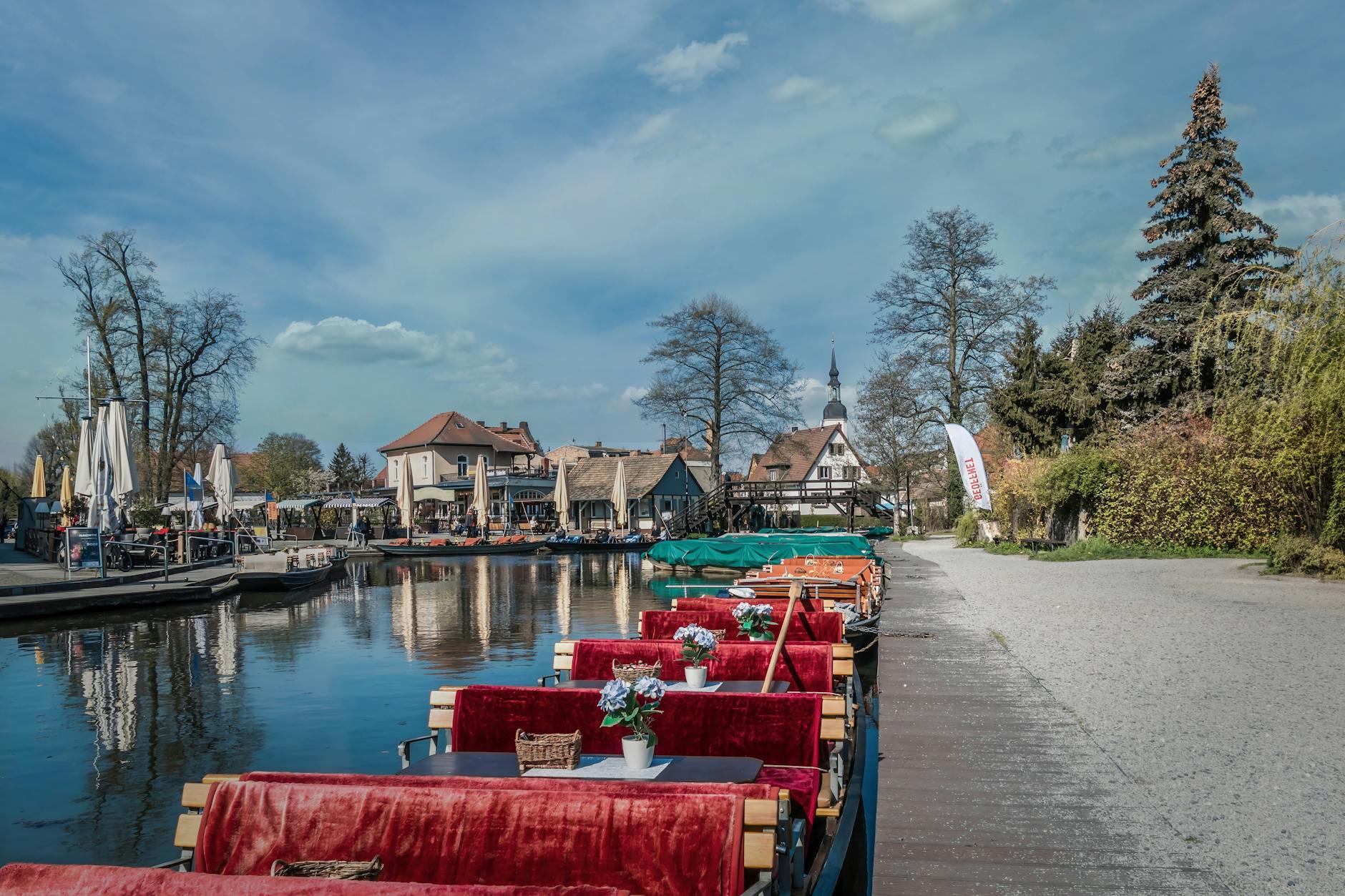
The Spreewald is the strangest landscape within an hour of Berlin. The Spree river splits into roughly 200 small interconnected channels — Fließe — as it crosses the lowland southeast of the city, creating a UNESCO-designated biosphere reserve of about 500 square kilometers where water replaces roads as the primary way of moving between villages. The traditional flat-bottomed punt boats (Kähne) still operate as a working transport mode in places, alongside the tourist routes. The Sorbian/Wendish minority — Germany’s only indigenous Slavic-language community — has lived here for over a thousand years, and the regional culture survives despite generations of pressure. The local cucumbers (Spreewaldgurken) hold European Protected Geographical Indication status. The whole place is a UNESCO biosphere reserve.
This guide covers what you need for a one-day Spreewald trip from Berlin in 2026 — trains, the choice between Lübbenau and Lübben, the punt boat experience, the open-air museum at Lehde, and the practical advice that distinguishes a memorable day from a tourist-trap one.
Spreewald Day Trip at a Glance
| Detail | Info |
|---|---|
| Distance | ~100 km southeast of Berlin |
| Train | RE2 from Berlin Hbf to Lübbenau: 60–90 min |
| Best Months | May–September (peak: Jul–Aug) |
| UNESCO Status | Biosphere Reserve (designated 1991) |
| Main Hub | Lübbenau (best transit access) |
| Alternative Hub | Lübben (quieter) |
| Kahnfahrt 2-hour ride | €15–18 per person |
| Best Village | Lehde (open-air museum) |
| Best Souvenir | Spreewaldgurken (gherkins) |
| Recommended Pace | Full day, leisurely |
Why Spreewald Is Berlin’s Best Nature Day Trip
Spreewald is the closest thing to genuine wilderness within easy day-trip range of Berlin. The biosphere reserve protects one of the most ecologically distinctive lowland river landscapes in Europe — the braided river channels created by glacial moraines from the last ice age. Otters and beavers actively recolonize stretches of the network. The night sky is dark enough to see the Milky Way on a clear summer evening. The traditional villages have not been substantially modernized — many are still only reachable by boat or footpath, and a few have no road connection at all.
The trip also offers the rare experience of moving through a German landscape at a deliberately slow pace. The traditional Kahnfahrt — the flat-bottomed punt boat ride — proceeds at walking speed through the channels. You see herons, lily pads, and 18th-century houses backing onto the water. The pace itself is the experience. Berlin visitors who treat Spreewald as a checkbox attraction tend to be disappointed; those who treat it as a deliberate slow day come back for second visits.
Getting There from Berlin
The RE2 regional train from Berlin runs directly to Lübbenau. The journey takes about 60 to 90 minutes depending on which Berlin station you board at — Berlin Ostkreuz to Lübbenau is around 60 minutes, Berlin Hauptbahnhof or Friedrichstrasse takes around 75-85 minutes. Trains run every 30 minutes throughout the day. A standard return ticket runs about €30 per person, or you can use the Brandenburg-Ticket (€33 for one adult, €34+€8 per additional traveler) which is cost-effective for groups of 2-5 and covers all regional trains for the day.
From Lübbenau station, walk 5-10 minutes through the small town center to the harbor (Hafenbereich) where the Kahnfahrt boats depart. Signage in Lübbenau is reliable and well-translated. The walk from station to harbor passes the town square, several restaurants, and the Spreewald Museum if you want a quick orientation before boarding.
For drivers, the Spreewald is about 90 minutes south on the A13. Parking in Lübbenau is straightforward — multiple paid lots near the harbor area, around €5-8 for the day. Driving makes sense for families or groups of 3+ who want flexibility on the return time.
Lübbenau vs Lübben — Where to Start
The two main Spreewald hubs serve different purposes. Lübbenau has better train access (direct connection from Berlin), more Kahnfahrt operators, more restaurants, more parking, and the open-air museum village of Lehde just a 15-minute walk away. It’s the more touristy of the two and the standard recommendation for first-time visitors. Lübben, 15 minutes further on the same train line, is quieter, more residential, has its own Schloss (small castle) and park, and is a better launching point for canoeing rather than punt boat rides. The town is less photogenic but the surrounding nature is identical.
For a first Spreewald day, choose Lübbenau. For a quieter return visit or a canoeing-focused trip, choose Lübben. The two are not realistic to combine in one day if you want to do either properly — you’d spend most of the day on the train between them.
The Kahnfahrt — Spreewald Punt Boat Experience
The Kahnfahrt is the heart of any Spreewald visit. The flat-bottomed wooden punt boats — about 9 meters long, seating 15-20 passengers — are propelled by a single skipper using a long pole, gondola-style. The skipper navigates the channels at walking speed, providing local commentary (in German; some operators offer English narration if requested in advance).
Route options: The standard 2-hour route (€15-18 per person) from Lübbenau harbor passes through the channels around Lehde village and is the right choice for most first-time visitors. A longer 3-4 hour route covers more of the channel network and includes a stop at a traditional gasthaus for lunch — better for visitors who want a deeper immersion. Half-day trips (5-6 hours) include lunch and visits to multiple villages.
Booking: In peak season (July-August weekends), boats fill up by mid-morning. Off-peak (May, June, September, weekdays), walk-up bookings work fine. Most operators run continuously from around 9:30 am to 5 pm.
What to bring: Sun protection (the channels are mostly open to sky), a light jacket if it’s cool, water, and a snack — the rides don’t include refreshments except on longer routes. Cushions are provided on the boats but they’re thin. Bring patience for the slow pace and an interest in the surrounding landscape.
Lehde Village and the Open-Air Museum
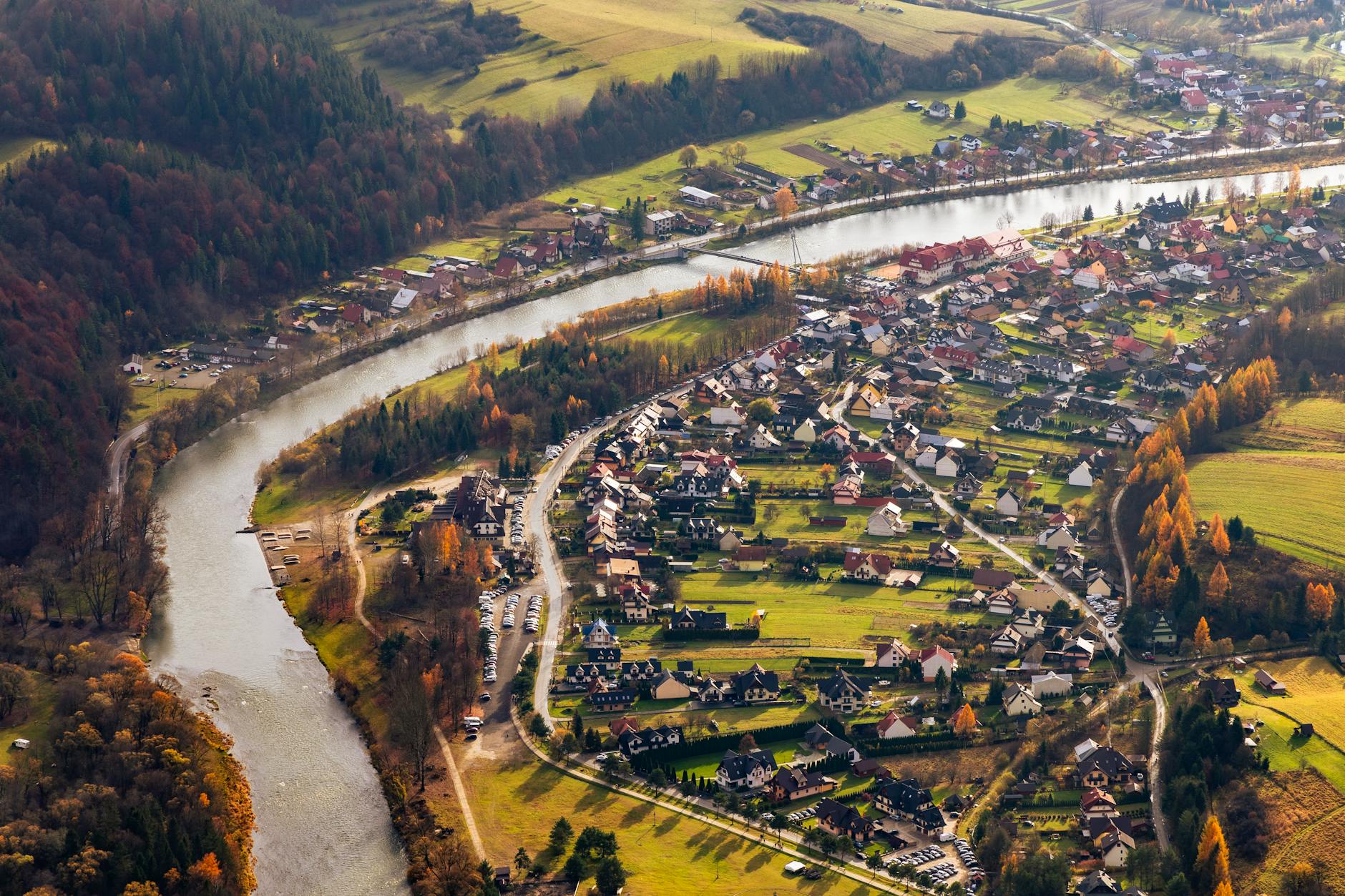
Lehde is the most photogenic Spreewald village — about 15 minutes’ walk from Lübbenau, accessible by footpath or as part of most Kahnfahrt routes. The traditional houses, all reachable by water rather than road, line the channels in a layout unchanged for centuries. The Freilandmuseum Lehde (Lehde Open-Air Museum) preserves working farmhouses, agricultural buildings, and traditional Sorbian household life. Entry around €5-7. Open April through October, closed in winter.
The museum is small enough to walk in an hour but rewards a longer visit. The displays of traditional Sorbian costumes (particularly the headdresses, which are some of the most distinctive folk dress in central Europe), the agricultural implements, the kitchen and bedroom interiors, and the explanations of the network of water-canals as transport infrastructure all give substantive context that the Kahnfahrt alone doesn’t provide.
Sorbian/Wendish Culture
The Sorbs (also called Wends) are Germany’s only indigenous Slavic minority. They’ve lived in the Lusatia region (which includes the Spreewald) for over a thousand years. The community in the Spreewald speaks Lower Sorbian — distinct from the Upper Sorbian spoken further south near Bautzen. Both are West Slavic languages, more closely related to Czech and Polish than to German.
You’ll notice Sorbian on the bilingual road signs in some of the smaller villages. The cultural presence is most visible in folk costume traditions (still worn at festivals and special occasions), in the regional cuisine, and in some of the smaller villages where Sorbian is still spoken at home. The Sorbian Institute in Bautzen is the major cultural-academic center; smaller museums and exhibitions across the Spreewald cover the regional Sorbian story.
Spreewaldgurken — Pickled Gherkins and What to Eat
The Spreewaldgurken (Spreewald cucumbers) are one of Europe’s protected regional products — only cucumbers grown in the Spreewald region and pickled to traditional recipes can carry the name. The cucumbers come in dozens of varieties (sweet-sour, mustard, dill, garlic, chili) and are sold from countless farmstands and shops throughout the region. The factory-made supermarket versions are fine; the small-batch versions from local producers are excellent. Buy a jar to take home — they survive the train trip back to Berlin and make a good souvenir.
For lunch in Lübbenau, the traditional Spreewald cuisine focuses on freshwater fish (especially zander and pike), fresh local vegetables, and dishes built around the cucumbers. Restaurant Strandcafé am Hafen in Lübbenau is the classic central choice with terrace seating overlooking the harbor. Schlossgut Lübbenau, the restored old castle estate restaurant, is more formal and better for a longer lunch. For traditional Sorbian dishes, look for “Plinse” (pancakes with sweet or savory fillings), “Quark mit Leinöl” (curd cheese with linseed oil, a regional specialty), and “Fisch in der Folie” (fish baked in foil with herbs).
Beyond the Boat — Canoeing and Cycling
The Kahnfahrt is the headline experience, but the Spreewald rewards more active visitors too. Canoe rentals are widely available in both Lübbenau and Lübben — typically €15-25 per canoe per half-day, including paddles and basic instruction. The channel network is genuinely beginner-friendly: no rapids, no significant current, and clear marking of the main routes. Canoeing gives you control over the pace and access to channels the larger punt boats can’t navigate.
The Gurkenradweg (“Gherkin Cycle Path”) is the long-distance cycling route through the Spreewald — about 260 km total, designed in loops that let you complete a section in a day. Bike rentals are available at both Lübbenau and Lübben (Nextbike-style stations plus dedicated cycle shops). Half-day routes from Lübbenau to Lehde and back, or through Lübben’s Schlosspark, are easy and rewarding for casual cyclists.
A Suggested One-Day Itinerary
9:00 am: RE2 from Berlin Ostkreuz or Hbf. Arrive Lübbenau around 10:00-10:30.
10:30: Walk to the harbor. Book a 2-hour Kahnfahrt for the next departure (typically every 30 minutes in season).
11:00–13:00: Kahnfahrt around Lehde and the surrounding channels.
13:00–14:30: Lunch at Strandcafé am Hafen or Schlossgut Lübbenau. Try the local fish or the Sorbian dishes.
14:30–16:30: Walk to Lehde via the footpath. Visit the Freilandmuseum (1 hour). Wander the village. Buy Spreewaldgurken at one of the farmstands.
16:30–17:00: Walk back to Lübbenau station. Coffee or quick beer in town.
17:30: RE2 train back to Berlin. Arrive Berlin around 19:00.
When to Visit
May, June, and September are the best months. The channels are warm enough for canoeing, the wildlife is active, the gardens are in bloom, and the crowds are manageable. July and August are peak season — boat tours are crowded, restaurants need reservations, and the photogenic villages are full of day-trippers. April is genuinely lovely but cold and unpredictable; October is similar but with autumn foliage. Winter (December-March) sees most operators closed, though some run themed boat tours and the landscape is austerely beautiful — better as a return visit for visitors who already know the area in summer.
Combining Spreewald With Other Berlin Plans
Spreewald works as a stand-alone day trip and shouldn’t be combined with other major sightseeing — the round-trip transit and the slow pace mean you’ll burn out trying to pack other activities in. Pair it with a quiet evening back in Berlin. For visitors who want multiple nature-focused day trips, our Brandenburg countryside guide covers other options for getting out of the city. The Day Trips from Berlin pillar covers the full range.
Frequently Asked Questions
How long is the train from Berlin to Spreewald?
The RE2 regional train from Berlin runs to Lübbenau (the main Spreewald hub) in 60-90 minutes depending on the starting station. Berlin Ostkreuz is the fastest at about 60 minutes. Trains run every 30 minutes. Return tickets around €30; the Brandenburg-Ticket is more cost-effective for groups.
Do I need to book the punt boat in advance?
For peak season (July-August weekends), book a day or two ahead — boats fill up by mid-morning. Off-peak (May, June, September, weekdays year-round), walk-up bookings at the harbor work fine. Multiple operators run continuously from around 9:30 am to 5 pm in season.
Lübbenau or Lübben — which is better?
For first-time visitors, Lübbenau — better train access, more boat operators, more restaurants, walking distance to Lehde village. For quieter return visits or canoeing focus, Lübben. The two are not realistically combinable in a single day.
Can I canoe instead of taking a punt boat?
Yes. Canoe rentals are available in both Lübbenau and Lübben (€15-25 per canoe per half-day). The channel network is genuinely beginner-friendly with no rapids and clear marking. Canoeing gives access to smaller channels the punt boats can’t navigate.
Is Spreewald worth visiting in winter?
Most boat tours close from late October through April. The landscape is austerely beautiful in winter but most visitor infrastructure is dormant. Lübbenau has small Christmas market programming. Plan a winter Spreewald trip only as a return visit after experiencing the summer version.
What should I buy in Spreewald?
Spreewaldgurken (pickled gherkins) are the signature regional product — buy from small-batch producers rather than supermarket brands for the best version. Linseed oil (Leinöl), local mustards, and traditional Sorbian textiles are also worth looking for. Most farmstands and small shops accept cash only.
Is Spreewald family-friendly?
Yes, very. The Kahnfahrt is comfortable for children, the open-air museum is genuinely engaging for kids, the slow pace works for families, and the trip back doesn’t require late-night travel. See our Berlin with kids guide for the broader family-friendly Berlin context.
Final Word
Spreewald is the day trip from Berlin that rewards patience. The Kahnfahrt isn’t designed to thrill — it’s designed to slow you down to landscape speed. The cucumbers are very good. The Sorbian culture is genuinely distinct. The biosphere reserve protects a landscape you won’t see elsewhere in Germany. Plan it for a quiet day in late May or June, take the slowest boat tour you can find, eat a long lunch, buy a jar of gherkins, and let the pace work on you. You’ll come back to Berlin understanding why everyone who lives here has a favorite Spreewald day.