Why Berlin Is One of the World’s Great Museum Cities
Berlin holds more than 170 museums and galleries — more per capita than almost any European capital. From the UNESCO-listed Museum Island complex that turns 200 in 2026, to converted bunkers housing contemporary art, to a former train station filled with modern masterpieces, the city’s cultural institutions span five millennia of human creativity. This berlin museums guide covers everything you need to plan your visits, whether you have a single afternoon or an entire week to dedicate to art, history, science, and culture.
What makes Berlin’s museum landscape distinctive — and what sets this berlin museums guide apart from generic lists is its layered history. Collections scattered by World War II and divided by the Cold War have been gradually reunited since 1990, creating institutions with stories as compelling as the objects they hold. The result is a museum scene that’s both world-class and uniquely Berlin — politically engaged, historically aware, and constantly evolving.
Museum Island: The Heart of Berlin’s Cultural Heritage
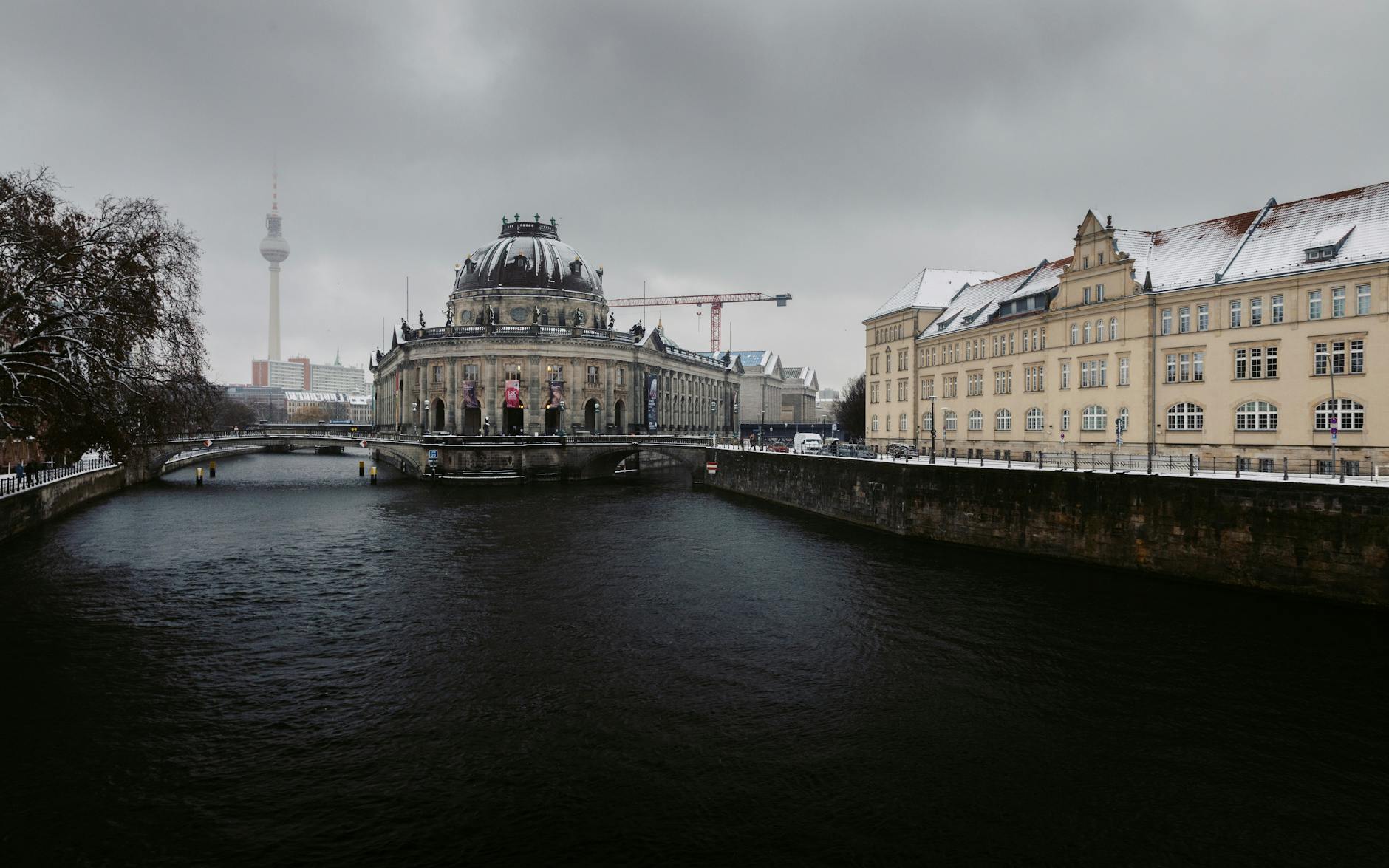
Museum Island (Museumsinsel) is the undisputed centerpiece of any berlin museums guide. This UNESCO World Heritage Site on an island in the River Spree houses five extraordinary museums built between 1824 and 1930, representing one of the most significant museum complexes on Earth. In 2026, Museum Island celebrates its 200th anniversary with special exhibitions across all institutions.
Neues Museum is currently the island’s star attraction, home to the iconic bust of Egyptian Queen Nefertiti — one of the most recognized artworks in the world. The museum traces human history from the Stone Age through Ancient Egypt and classical antiquity. The building itself, beautifully restored by architect David Chipperfield after war damage, is an exhibit in its own right. Adult admission is €14.
Alte Nationalgalerie (Old National Gallery) houses an outstanding collection of 19th-century European paintings and sculptures. Impressionist and Romantic works by Monet, Renoir, Caspar David Friedrich, and others fill the temple-like building. In 2026, the major exhibition “Cassirer and Impressionism” (May through September) brings together 100 masterpieces by Monet, Degas, and Cézanne — a significant draw for art lovers. Admission is €12.
Altes Museum presents Greek and Roman antiquities in Karl Friedrich Schinkel’s neoclassical masterpiece — one of Berlin’s most important architectural landmarks. The rotunda modeled on Rome’s Pantheon is worth the visit alone.
Bode Museum at the northern tip of the island features Byzantine art and one of the world’s largest sculpture collections, spanning from the Middle Ages to the late 18th century. The building’s dramatic dome above the Spree creates one of Berlin’s most photographed views.
Pergamon Museum: The island’s most famous institution has been closed since October 2023 for a comprehensive renovation that will continue in phases until the 2030s. The North Wing, including the Museum of Islamic Art and the Hellenistic halls containing the Pergamon Altar, is expected to reopen in spring 2027. Until then, Pergamonmuseum. Das Panorama (Am Kupfergraben 2, just across from the museum) offers original sculptures from the collection alongside Yadegar Asisi’s immersive 360-degree panorama of ancient Pergamon — a worthwhile substitute. For the full renovation timeline, see our Pergamon Museum guide.
For our complete guide to navigating all five museums, see Museum Island Berlin Guide.
Tickets, Passes, and Saving Money
Museum visits in Berlin can add up quickly at €10-16 per venue, making passes essential knowledge for any berlin museums guide reader planning multiple visits.
Museum Pass Berlin (€32) is the best value for serious museum-goers. This 3-day pass grants access to over 30 museums, including all Museum Island venues, the Gemäldegalerie, Hamburger Bahnhof, and many more. Available as a digital QR code on your phone or as a printed PDF. Reduced price of €16 is available for students and qualifying visitors. If you plan to visit three or more museums, the pass pays for itself.
Museum Island Day Ticket (€24) covers all open Museum Island museums for a single day — a strong option if your museum time is concentrated on the island.
Kulturforum Ticket (€22) bundles access to the Gemäldegalerie, Kunstgewerbemuseum, and other Kulturforum venues.
Berlin Welcome Card combines public transport with museum discounts, including a Museum Island option. Good if you’re also using transit heavily.
Free admission is available at several institutions. The Futurium is always free. The German Museum of Technology offers free entry on Fridays from 1 PM. The Julia Stoschek Foundation is free on the first Thursday of each month (6-10 PM). The KINDL Centre for Contemporary Art opens for free on the first Sunday monthly. And every year, International Museum Day (May 17 in 2026) brings free admission across dozens of Berlin’s museums. Most memorials and many regional history museums are permanently free.
Children and young people under 18 get free admission to all Staatliche Museen zu Berlin (State Museums) — a significant benefit for families. For our complete free admission calendar, see Free Museum Days in Berlin.
World-Class Art Museums
Gemäldegalerie (Picture Gallery) at the Kulturforum is one of Europe’s great painting collections and an essential stop in any berlin museums guide. Its 1,500 works span the 13th through 18th centuries, with masterpieces by Rembrandt, Vermeer, Caravaggio, Botticelli, Dürer, and Raphael. The gallery is rarely crowded despite its world-class holdings — a luxury compared to the Louvre or Uffizi. Admission is €12.
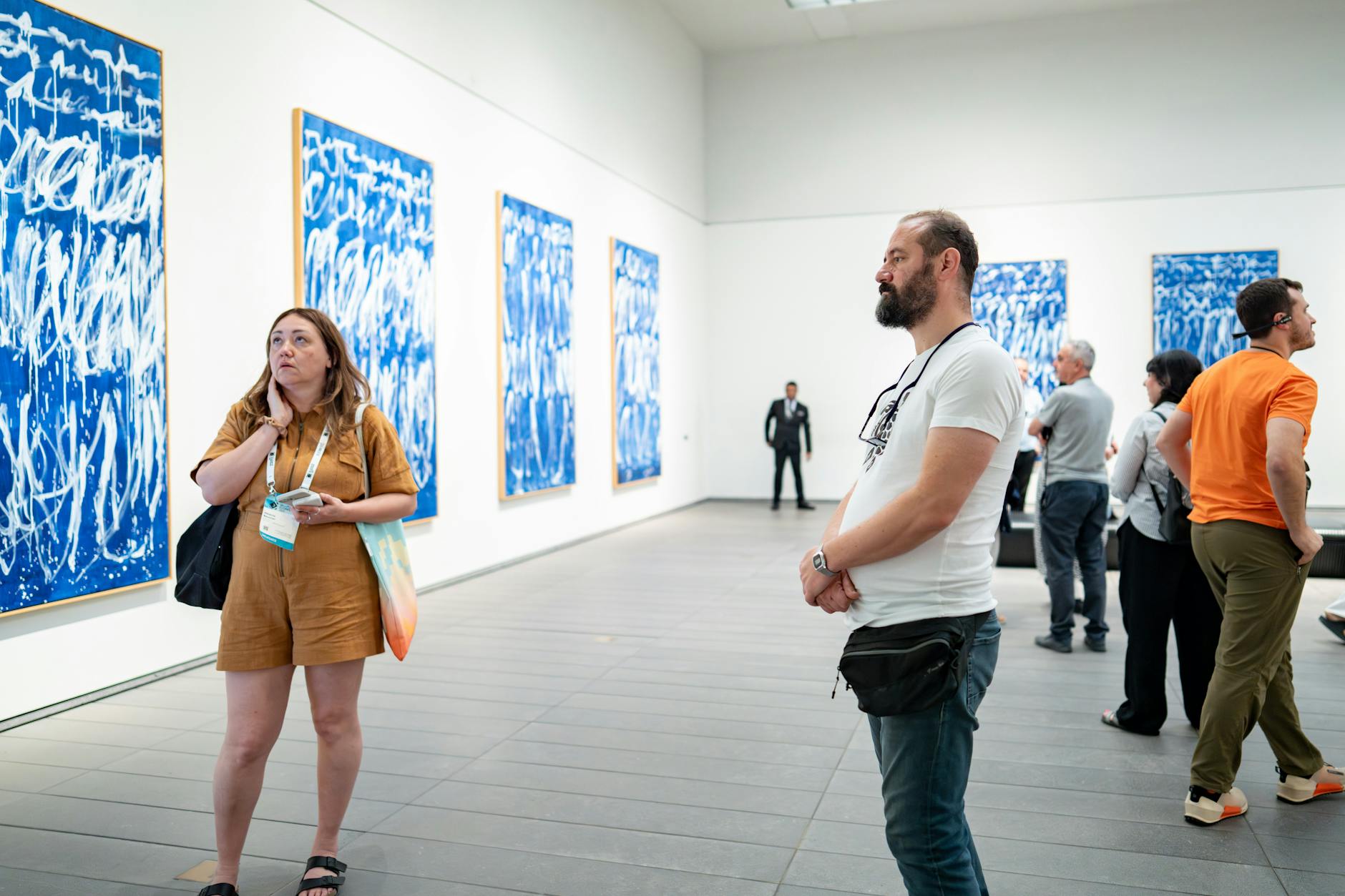
Neue Nationalgalerie is Mies van der Rohe’s iconic glass-and-steel temple to modern art, reopened in 2021 after a meticulous renovation. The collection spans early 20th-century European art, with major works by Kirchner, Klee, Picasso, and Dalí. In 2026, the landmark exhibition of over 150 works by Constantin Brancusi (running through August) is one of Berlin’s cultural highlights. The building’s floating roof and open-plan design are architectural experiences unto themselves. Admission is €14.
Hamburger Bahnhof — Nationalgalerie der Gegenwart occupies a former railway station in Moabit and houses Berlin’s premier collection of contemporary art from 1960 to today. Works by Joseph Beuys, Andy Warhol, Robert Rauschenberg, and Anselm Kiefer fill the cavernous halls. The building’s industrial character — soaring ceilings, raw space — gives artworks room to breathe that few museums can match. For our detailed guide, see Hamburger Bahnhof guide.
Berlinische Galerie in Kreuzberg focuses specifically on art created in Berlin — modern art, photography, and architecture from 1870 to the present. It’s an excellent lens into the city’s creative identity, and the photography collection is particularly strong. Admission is €10.
For a deeper dive into Berlin’s art scene, see Contemporary Art Museums in Berlin.
History Museums That Define Berlin
Berlin’s history museums don’t just display artifacts — they confront the most consequential events of the 20th century with unflinching honesty. These are among the most powerful museum experiences anywhere.
Topography of Terror occupies the site where the Gestapo, SS, and Reich Security Main Office once stood. The indoor and outdoor exhibitions document the rise of National Socialism, the apparatus of state terror, and the persecution of millions. Located along a preserved section of the Berlin Wall, the site’s location is integral to its impact. Free admission. Open daily.
Jewish Museum Berlin is one of Europe’s largest Jewish museums and one of Berlin’s most architecturally striking buildings. Daniel Libeskind’s zinc-clad design — with its slashed windows, angular voids, and disorienting Garden of Exile — makes the architecture inseparable from the narrative. The permanent exhibition traces 1,700 years of Jewish life in Germany. The children’s museum ANOHA, opened in 2021 on the same campus, offers an imaginative exploration of the Noah’s Ark story for young visitors. For our full guide, see Jewish Museum Berlin guide.
DDR Museum is one of Berlin’s most visited and interactive museums, recreating daily life in the German Democratic Republic. Visitors can sit in a Trabant car, explore a reconstructed East German apartment, and learn about everything from surveillance to consumer goods in the socialist state. Hands-on design makes it engaging for all ages. For our detailed review, see DDR Museum guide.
Deutsches Historisches Museum (German Historical Museum) in the Baroque Zeughaus on Unter den Linden provides the broadest sweep of German history available in one location. The modern glass annex designed by I.M. Pei hosts rotating exhibitions. Note that the permanent collection is currently not accessible; temporary exhibitions continue in the annex.
Stasi Museum in Lichtenberg occupies the former headquarters of the East German secret police. The preserved offices — including Erich Mielke’s original workspace — and exhibits on surveillance techniques offer a chilling look at how the state monitored its citizens.
The Contemporary Gallery Scene
Beyond its institutional museums, Berlin supports one of the most vibrant contemporary gallery scenes in Europe. The relatively low cost of studio space (compared to London or New York) and a long tradition of artistic freedom continue to attract artists and gallerists from around the world, making galleries an essential chapter in this berlin museums guide.
König Galerie, housed in a brutalist former church (St. Agnes) in Kreuzberg, is one of Berlin’s most important contemporary galleries. The dramatic architectural setting — raw concrete, towering ceilings — makes every exhibition feel monumental. Free admission.
KW Institute for Contemporary Art in Mitte has been a cornerstone of Berlin’s contemporary art scene since the 1990s. The former margarine factory hosts challenging, internationally focused exhibitions and is a key venue during Berlin Art Week. Admission is €8.
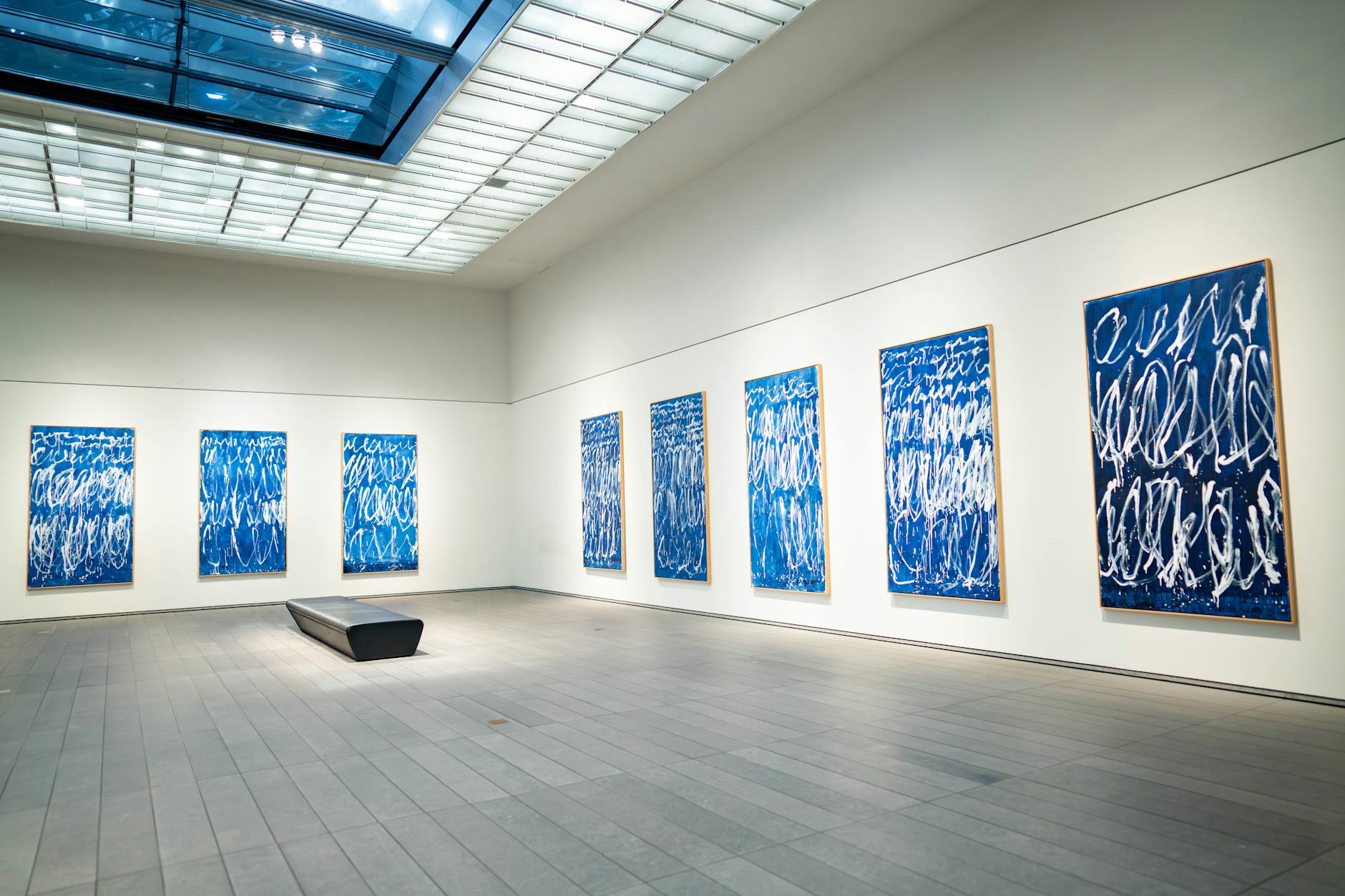
Sammlung Boros (Boros Collection) is one of Berlin’s most unique art experiences — a private contemporary art collection housed inside a massive World War II bunker in Mitte. Over 500 works by artists including Olafur Eliasson, Ai Weiwei, and Damien Hirst are installed throughout the bunker’s raw concrete rooms. Visits are by guided tour only and must be booked well in advance (often weeks or months ahead). Tours fill up quickly.
Gropius Bau near Potsdamer Platz hosts major temporary exhibitions that span contemporary art, archaeology, and cultural history. In 2026, the Marina Abramović exhibition “Balkan Erotic Epic” (April through August) is a significant draw. The building itself — a lavishly decorated 19th-century exhibition hall — adds historical depth to whatever it contains.
Gallery districts worth exploring include: Auguststraße in Mitte (the original gallery corridor), the area around Potsdamer Straße in Schöneberg (galleries including Blain|Southern, Esther Schipper), and scattered spaces in Kreuzberg and Wedding. Notable galleries include Contemporary Fine Arts, Capitain Petzel (in a striking Soviet-era modernist building), EIGEN + ART (which helped launch Neo Rauch’s career), and Carlier Gebauer.
For our complete gallery guide, see Berlin Gallery Scene.
Science, Technology, and Natural History
Museum für Naturkunde (Natural History Museum) is home to the world’s tallest mounted dinosaur skeleton — the 13-meter Giraffatitan brunnensis — alongside “Tristan,” one of only a few original Tyrannosaurus Rex skeletons on display in Europe. Beyond the dinosaurs, the museum houses 30 million specimens covering zoology, geology, paleontology, and mineralogy. The Wet Collection, a climate-controlled room filled with over 270,000 specimens preserved in glass jars of ethanol, is hauntingly beautiful. Admission is €11, and it’s one of Berlin’s best museums for all ages.
Deutsches Technikmuseum (German Museum of Technology) in Kreuzberg is enormous — 28,500 square meters of exhibition space covering aviation, rail, maritime, computing, and industrial history. The rooftop “Raisin Bomber” (a C-47 from the Berlin Airlift) is one of the city’s most recognizable landmarks. The attached Science Center Spectrum offers 250 interactive physics experiments. Free admission on Fridays from 1 PM. Otherwise €10 for adults.
Futurium near Hauptbahnhof explores the future of human society through interactive exhibitions on nature, technology, and how we want to live. It’s free, well-designed, and engaging for both adults and children — one of Berlin’s best free cultural experiences.
Museums for Families with Children
Berlin is exceptionally family-friendly when it comes to museums, and no berlin museums guide would be complete without covering the best options for young visitors. Free admission for under-18s at all State Museums is a major benefit, and several institutions are designed specifically for young visitors.
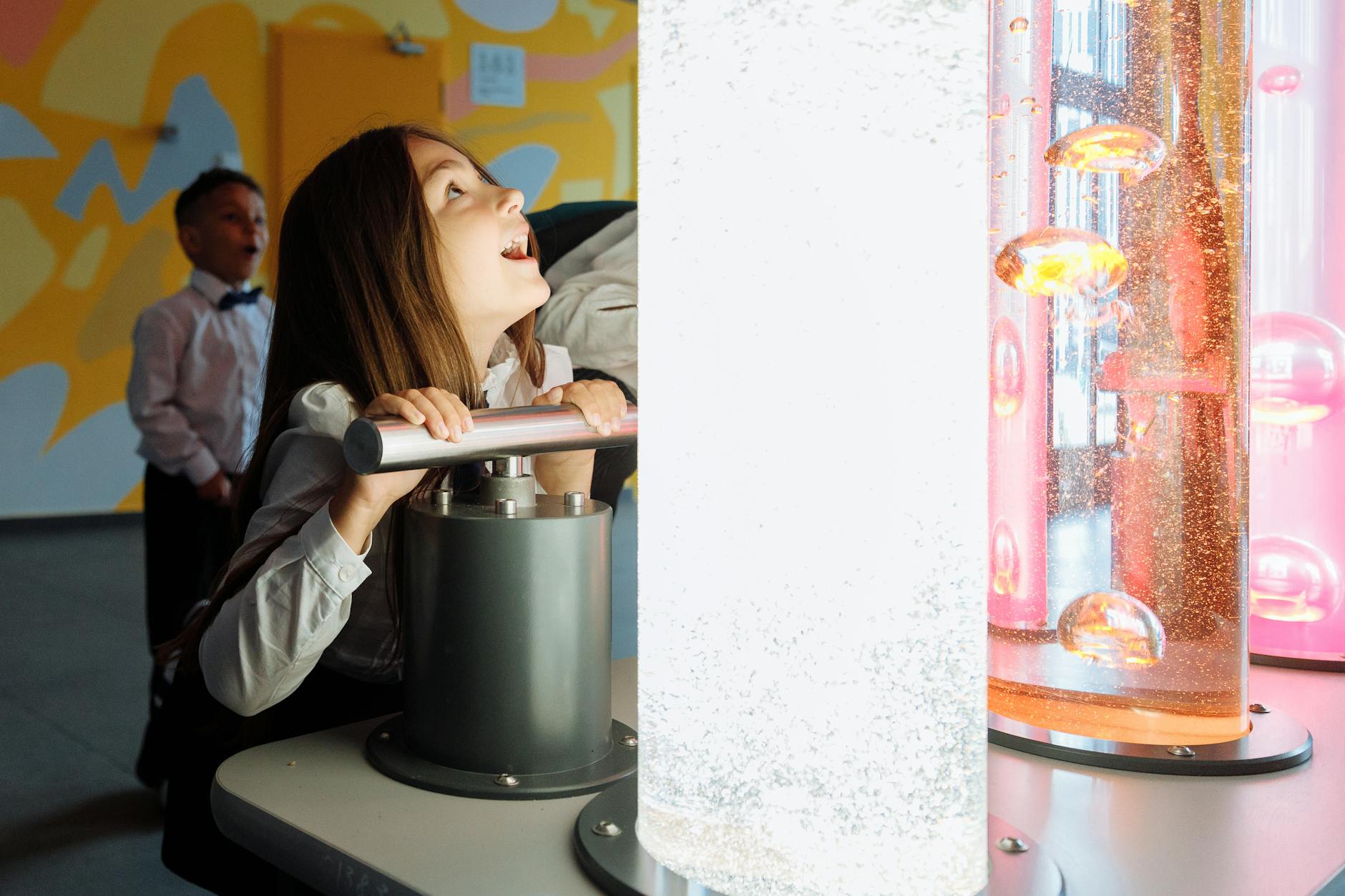
MACHmit! Museum für Kinder in Prenzlauer Berg combines museum exhibitions with indoor playground elements — including a towering climbing structure in a converted church. Hands-on activities change seasonally but always emphasize creative engagement. Ages 3-12.
Labyrinth Kindermuseum in Wedding focuses on interactive, themed exhibitions designed for children ages 3-11. Past themes have included urban planning, sustainability, and cultural diversity — educational without feeling like a classroom.
ANOHA at the Jewish Museum Berlin uses the Noah’s Ark story as a framework for exploring themes of coexistence, nature, and community. Designed for children up to 10, it features 150 animal sculptures made from recycled materials and is the kind of creative, thoughtful children’s museum that Berlin excels at.
Computer Games Museum on Karl-Marx-Allee traces the evolution of gaming from Pong-era consoles through modern virtual reality. Playable exhibits make it a hit with older children and teenagers — and nostalgic adults.
For our complete family guide, see Museums for Kids in Berlin.
Exhibition Highlights for 2026
Part of what makes Berlin’s museum scene dynamic is the constant rotation of temporary exhibitions. Here are the most significant shows this berlin museums guide recommends for 2026:
Constantin Brancusi at the Neue Nationalgalerie (through August 2026) — Over 150 works by the Romanian-French sculptor who transformed modern sculpture. A once-in-a-generation retrospective in one of the world’s finest modernist buildings.
Cassirer and Impressionism at the Alte Nationalgalerie (May–September 2026) — 100 masterpieces by Monet, Degas, Cézanne, and others, tracing the story of art dealer Paul Cassirer’s role in bringing Impressionism to Germany.
Marina Abramović: Balkan Erotic Epic at the Gropius Bau (April–August 2026) — A major exhibition from the pioneering performance artist, featuring video, photography, and installation work.
Genghis Khan and the World of the Mongols on Museum Island (October 2026–April 2027) — A comprehensive look at the Mongol Empire’s cultural legacy, timed to mark the 200th anniversary celebrations.
Dinosaurs! Age of Giant Lizards at the Museum für Naturkunde — The ongoing hit exhibition featuring the original T-Rex skeleton “Tristan” continues to draw visitors.
Planning Your Museum Visits: Practical Tips
Opening hours: Most Berlin museums open at 10 AM. Many are closed on Mondays — always check before visiting. Museum Island museums typically close at 6 PM (8 PM on Thursdays). The Topography of Terror is open daily until 8 PM.
Best days to visit: Weekday mornings are quietest. Avoid Museum Island on rainy weekends — that’s when everyone has the same idea. Thursday evenings offer extended hours at State Museums, often with smaller crowds.
Getting around: Museum Island is served by S-Bahn (Hackescher Markt or Friedrichstraße) and bus lines 100 and 200. The Kulturforum is near Potsdamer Platz. The Hamburger Bahnhof is a short walk from Hauptbahnhof. Most major museums are reachable by public transit within 20-30 minutes of each other.
Photography: Most museums allow non-flash photography for personal use. Notable exceptions include specific temporary exhibitions with loan restrictions — check signage at each venue.
Audio guides: Available at most major museums for €4-5 or included with admission. Some offer free apps you can download before arriving.
Museum cafés: Several museums have excellent restaurants and cafés worth visiting in their own right. The Neue Nationalgalerie’s café, the Hamburger Bahnhof restaurant, and the Jewish Museum’s café Schmus all serve quality food in architectural settings.
Advance booking: Generally not required for most museums, but strongly recommended for the Sammlung Boros (book weeks ahead) and for blockbuster temporary exhibitions on weekends.
Explore Berlin’s Museums in Depth
This berlin museums guide provides the overview — for detailed planning, explore our specialized guides to Berlin’s cultural institutions:
- Museum Island Berlin Guide — Complete guide to the UNESCO World Heritage complex
- Pergamon Museum — Renovation status, what’s open, and reopening timeline
- Contemporary Art Museums in Berlin — Modern and contemporary collections
- DDR Museum — Interactive guide to life in East Germany
- Jewish Museum Berlin — Exhibitions, architecture, and visiting guide
- Berlin Gallery Scene — Contemporary galleries and art districts
- Free Museum Days in Berlin — Complete calendar of free admission opportunities
- Museums for Kids in Berlin — Family-friendly museums and activities
- Hamburger Bahnhof — Contemporary art in a former railway station
Leave a Reply