Berlin Travel Tips: 25+ Essential Things to Know Before You Visit (2026)
Essential Berlin travel tips for first-time visitors. Practical advice on transport, money, safety, culture, food, and sightseeing to help you plan the perfect trip to Germany’s capital.
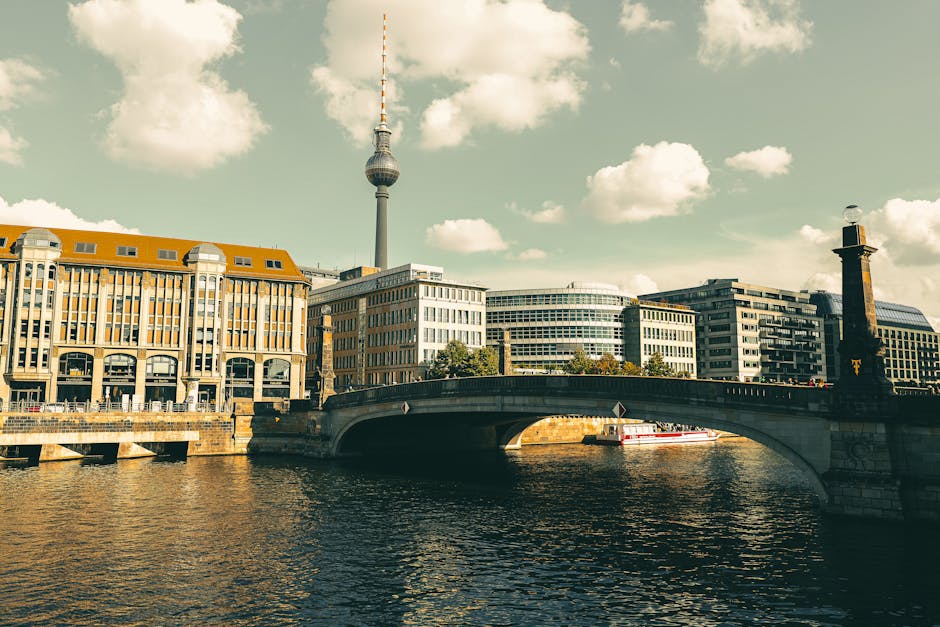
Planning a trip to Berlin? This Berlin travel tips guide covers everything you need to know before visiting Germany’s vibrant capital. From navigating public transport and handling money to understanding local customs and staying safe, these practical berlin travel tips will help you make the most of your visit in 2026 and beyond.
Berlin is unlike any other European capital. It’s gritty yet glamorous, deeply historical yet fiercely forward-looking, and refreshingly affordable compared to cities like Paris or London. But these same qualities mean that first-time visitors often arrive with expectations that don’t quite match reality. The berlin travel tips below will bridge that gap and set you up for an incredible experience.
Getting to Berlin: Airports, Trains, and First Steps
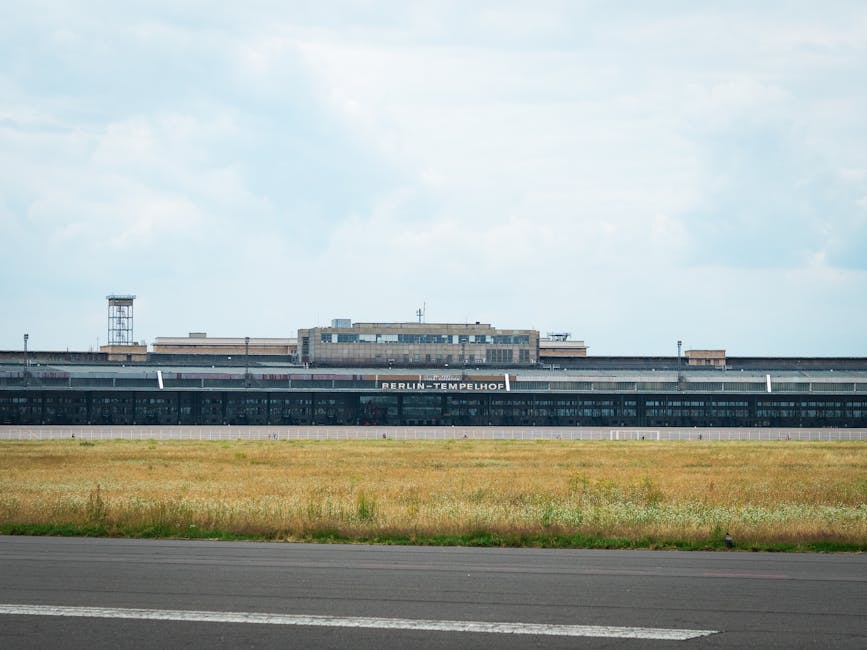
Berlin Brandenburg Airport (BER) is the city’s sole commercial airport, located about 30 kilometers southeast of the city center. The FEX (Airport Express) train connects BER to Berlin Hauptbahnhof (Central Station) in approximately 30 minutes, running every 30 minutes. Alternatively, the S9 and S45 S-Bahn lines serve the airport, though the journey takes longer. One of the most important berlin travel tips for airport arrivals: validate your transport ticket before boarding, as plain-clothes inspectors regularly check tickets and fines for fare evasion are €60.
If you’re arriving by train, Berlin Hauptbahnhof is one of Europe’s largest and most modern railway stations. It’s a major hub for both domestic and international rail services, with direct connections from Amsterdam, Prague, Warsaw, Vienna, and many German cities. The station itself has multiple levels of shops, restaurants, and services — plus excellent connections to the U-Bahn, S-Bahn, tram, and bus networks.
FlixBus and other long-distance bus operators serve Berlin’s ZOB (Zentraler Omnibusbahnhof) near Messe/ICC, offering budget-friendly connections across Europe. From ZOB, it’s a short U-Bahn ride to central Berlin.
Navigating Berlin: Public Transport Tips
Berlin’s public transport system, operated by BVG and VBB, is one of the most comprehensive in Europe. It includes U-Bahn (underground metro), S-Bahn (suburban rail), trams (primarily in eastern Berlin), buses, and ferries. Among the most essential berlin travel tips: master the transport system early, and the entire city becomes remarkably accessible.
Tickets and Fare Zones
Berlin is divided into three fare zones: A (city center within the S-Bahn ring), B (outer city), and C (surrounding Brandenburg, including BER airport and Potsdam). Most tourists need an AB ticket, but if you’re visiting the airport or Potsdam, you’ll need ABC coverage.
Key ticket types include the Einzelfahrschein (single trip, €3.50 for AB), the Tageskarte (day ticket, €9.50 for AB), and the 7-Tage-Karte (7-day ticket, €41.50 for AB). The Berlin WelcomeCard bundles unlimited transport with museum discounts and can save money if you’re doing lots of sightseeing. For our full analysis of transport options, see our guide to getting around Berlin.
Important Transport Rules
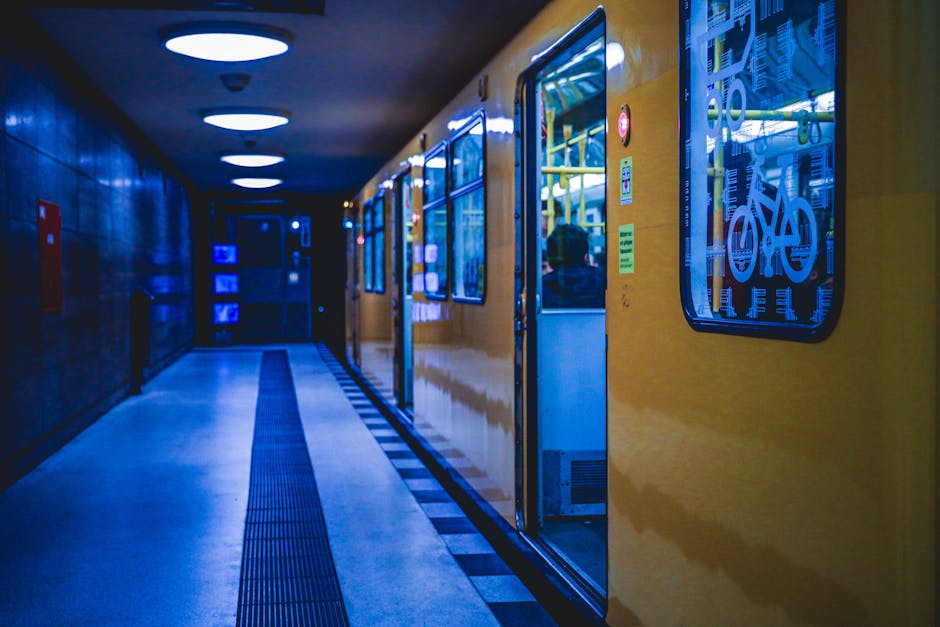
Several berlin travel tips specific to transport can save you from costly mistakes. Always validate (stamp) your paper ticket in the yellow or red machines on the platform before boarding — an unvalidated ticket is treated the same as no ticket at all. If you’re using the BVG app, your digital ticket activates automatically at purchase. Plain-clothes ticket inspectors (Kontrolleure) are common and show no leniency to tourists claiming ignorance.
The U-Bahn and S-Bahn run approximately from 4:30 AM to 1:00 AM on weekdays, with 24-hour service on Friday and Saturday nights (via night buses and select train lines). Download the BVG app for real-time schedules, route planning, and mobile ticketing — it’s one of the most useful tools for Berlin visitors.
Money Matters: Cash, Cards, and Tipping
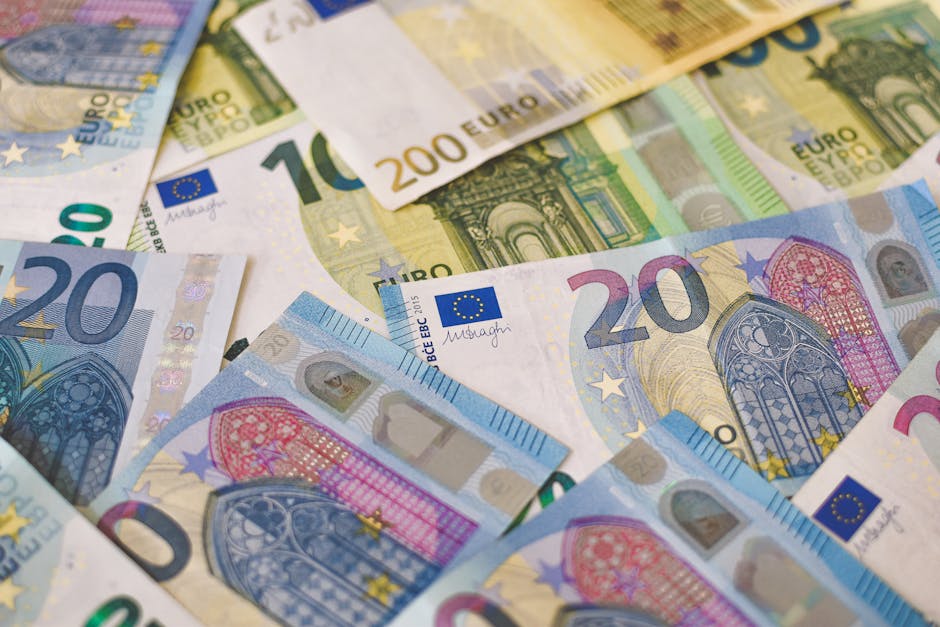
One of the most surprising berlin travel tips for visitors from card-heavy countries: Berlin remains significantly more cash-dependent than most Western European capitals. While the situation has improved since the pandemic, many restaurants, bars, small shops, and market stalls still only accept cash (Bargeld). Always carry at least €50-100 in cash as a backup.
ATMs and Currency Exchange
ATMs (Geldautomaten) are widely available throughout Berlin. Use bank-affiliated ATMs (Sparkasse, Deutsche Bank, Commerzbank, Berliner Volksbank) to avoid excessive fees. Be cautious of independent ATMs in tourist areas that charge high withdrawal fees. When an ATM asks if you want to be charged in your home currency (Dynamic Currency Conversion), always choose to be charged in euros — you’ll get a better exchange rate from your own bank.
Avoid exchanging currency at the airport or tourist areas, where rates are unfavorable. If you need to exchange cash, Reisebank offices at Hauptbahnhof and other major stations offer reasonable rates. For a comprehensive breakdown of costs, check our Berlin budget travel guide.
Tipping Etiquette
Tipping in Berlin is customary but less rigid than in the United States. In restaurants, rounding up or adding 5-10% is standard for good service. When paying, tell your server the total amount you want to pay (including tip) rather than leaving cash on the table. For example, if your bill is €17.50, you might say “Neunzehn” (nineteen) to round up to €19. Tipping at bars is simpler — rounding up to the nearest euro is sufficient. Taxi drivers appreciate a 10% tip, and hotel housekeeping typically receives €1-2 per day.
Language and Communication
English proficiency in Berlin is generally excellent, especially among younger residents, in tourist areas, and in the service industry. You can comfortably navigate most situations in English, making this one of the most reassuring berlin travel tips for non-German speakers. However, learning a few basic German phrases goes a long way in showing respect and can improve your interactions, especially in less touristy neighborhoods.
Useful phrases include: “Entschuldigung” (excuse me), “Sprechen Sie Englisch?” (Do you speak English?), “Die Rechnung, bitte” (The bill, please), and “Danke schön” (Thank you very much). Don’t be surprised if service staff seem direct or brusque — this is German communication style, not rudeness. Berliners value efficiency and honesty over performative friendliness.
Berlin Etiquette and Cultural Norms
Understanding local customs is among the most valuable berlin travel tips you can absorb before arrival. Berlin has its own unique culture that differs significantly from other German cities — and certainly from what many international visitors expect.
Cycling Culture
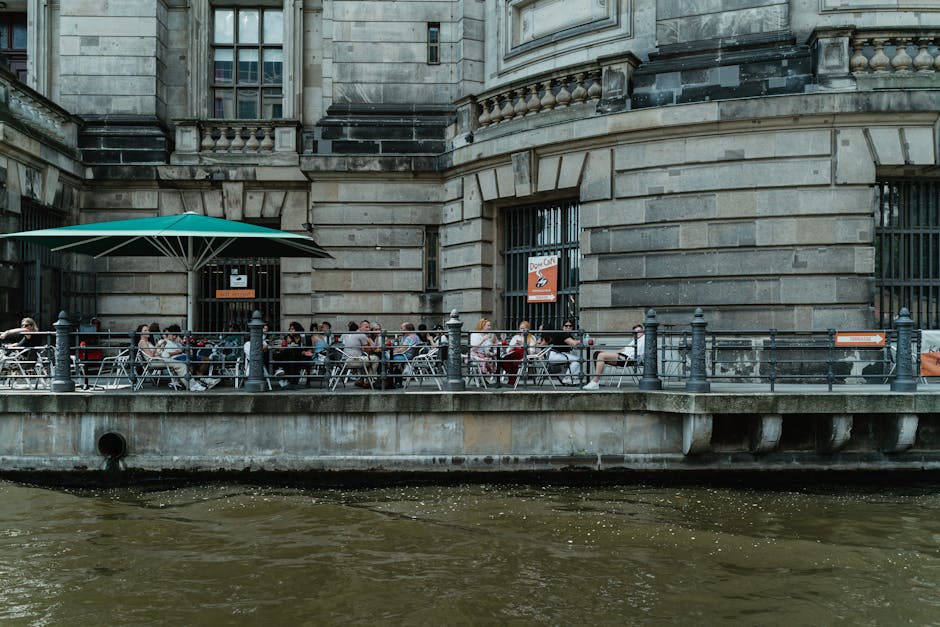
Berlin is a major cycling city, and cyclists have dedicated lanes on most major streets. As a pedestrian, be extremely careful not to walk in bike lanes (often painted red or separated by a curb). Berliners will not hesitate to ring their bell aggressively if you’re in their path. If you want to cycle yourself, services like Nextbike and Lime offer convenient short-term bike rentals.
Jaywalking
Unlike many cities where jaywalking is ignored, crossing the street against a red pedestrian signal (Ampelmännchen) in Berlin can earn you stern looks and, technically, a fine. Germans take traffic signals seriously, especially when children are present. Wait for the green man — it’s one of those berlin travel tips that keeps both your wallet and your social standing intact.
Sunday Closures (Ruhetag)
Almost all shops in Berlin close on Sundays. This catches many visitors off guard. Supermarkets, clothing stores, electronics shops — all closed. Exceptions include shops at train stations (Hauptbahnhof, Ostbahnhof, and others), gas stations, bakeries, some convenience stores (Spätkauf/Späti), and restaurants. Plan your grocery shopping for Saturday at the latest. However, Sunday is a wonderful day to explore Berlin’s flea markets and events, many of which operate specifically on Sundays.
Quiet Hours (Ruhezeiten)
Germany has legally enforced quiet hours, generally from 10:00 PM to 6:00 AM on weekdays and all day on Sundays and public holidays. If you’re staying in a residential building (Airbnb or apartment rental), be mindful of noise levels. This includes loud music, vacuum cleaning, and even running a washing machine during these hours.
Pfand (Bottle Deposit System)
Germany has one of the world’s most effective bottle deposit systems. Most plastic bottles and cans carry a €0.25 deposit (Pfand), while reusable glass bottles typically carry €0.08-0.15. Return them at reverse vending machines in supermarkets to get your deposit back. Locals who don’t want to return their bottles often leave them beside trash cans for collectors — a common and accepted practice.
Safety Tips for Berlin Visitors
Berlin is generally a very safe city for tourists. Violent crime against visitors is rare, and you can walk around most neighborhoods at any hour without serious concern. That said, practical berlin travel tips for safety include watching for pickpockets in crowded tourist areas (Alexanderplatz, Hackescher Markt, and on public transport), keeping your bag closed and in front of you on busy U-Bahn lines, and being aware of common tourist scams.
Common scams include the “ring trick” (someone “finds” a gold ring and tries to sell it), clipboard petition scams (where signing is a distraction for theft), and unlicensed taxi drivers at the airport. Always use official taxis or ride-hailing apps. For neighborhoods, virtually all central areas are safe during the day. At night, exercise normal big-city caution in areas around Görlitzer Park, parts of Neukölln, and around major train stations.
Emergency numbers: 112 for fire/ambulance, 110 for police. The Berlin police have English-speaking officers available at major stations. European Health Insurance Card (EHIC) holders from EU/EEA countries can access public healthcare, while non-EU visitors should carry travel insurance.
Best Time to Visit Berlin
Berlin is a year-round destination, but the best time to visit depends on your priorities. May through September offers the warmest weather (15-25°C average), longest daylight hours, and the most outdoor events and festivals. Berlin truly comes alive in summer, with open-air cinemas, beer gardens, lake swimming, and street festivals throughout the city.
Spring (April-May) and early autumn (September-October) offer a sweet spot of pleasant weather, fewer crowds, and lower hotel prices. Winter (November-February) is cold (averaging 0-5°C) but brings magical Christmas markets, museum season, and the cheapest accommodation rates. Berlin averages 570mm of rain per year, spread fairly evenly across months, so pack a waterproof layer regardless of when you visit.
Where to Stay: Neighborhood Guide
Berlin is enormous — roughly nine times the size of Paris — and choosing the right neighborhood dramatically affects your experience. Here are the key areas to consider, and for a deep dive, check our comprehensive accommodation guide.
Mitte: The historic and geographic center, home to Brandenburg Gate, Museum Island, Unter den Linden, and Alexanderplatz. Best for first-time visitors who want walkable access to major landmarks. Expect higher prices and more tourist crowds.
Kreuzberg: Berlin’s multicultural heart, known for vibrant street art, international food (especially Turkish cuisine along Oranienstraße), edgy nightlife, and the legendary club scene. Perfect for younger travelers and those seeking Berlin’s alternative culture.
Friedrichshain: East Berlin’s creative hub, home to the East Side Gallery, RAW Gelände, and some of Berlin’s best nightlife. Budget-friendly with excellent transport connections.
Prenzlauer Berg: Charming, tree-lined streets with beautiful Altbau (old building) architecture, boutique shops, and a thriving cafe scene. Popular with families and visitors seeking a more relaxed, residential atmosphere. Great for those traveling with children.
Charlottenburg: West Berlin’s elegant neighborhood, featuring Kurfürstendamm (Ku’damm) shopping boulevard, Charlottenburg Palace, and a more refined, upscale atmosphere. Excellent for culture lovers and those seeking a quieter base.
Neukölln: Berlin’s most rapidly evolving neighborhood, with an increasingly international food and bar scene, particularly around Weserstraße and Sonnenallee. Budget-friendly and authentic, though some areas require more street awareness at night.
Food and Drink: What to Try
Berlin’s food scene is one of the most diverse and affordable in Europe. Essential berlin travel tips for food lovers: don’t just stick to traditional German cuisine — Berlin’s culinary strength lies in its incredible international variety. For our complete guide, see where to eat in Berlin.
Must-try Berlin foods: Currywurst (Berlin’s iconic sliced sausage with curry ketchup — try Curry 36 or Konnopke’s Imbiss), Döner Kebab (Berlin claims to have invented the modern döner — Mustafa’s Gemüse Kebap has a legendary queue), Berliner Pfannkuchen (jam-filled doughnuts), Schnitzel, and Eisbein (pork knuckle). Berlin is also remarkably vegan-friendly, with hundreds of dedicated plant-based restaurants.
Drinking culture: Berlin has relaxed open-container laws — you can legally drink beer on the street, in parks, and on public transport (though the last is considered impolite). The city has a thriving craft beer scene alongside traditional German Pilsner. Berlin’s nightlife is legendary, with clubs that open on Friday night and don’t close until Monday morning.
Essential Apps and Digital Tools
Having the right apps on your phone is one of the most practical berlin travel tips for modern travelers. Here are the essentials:
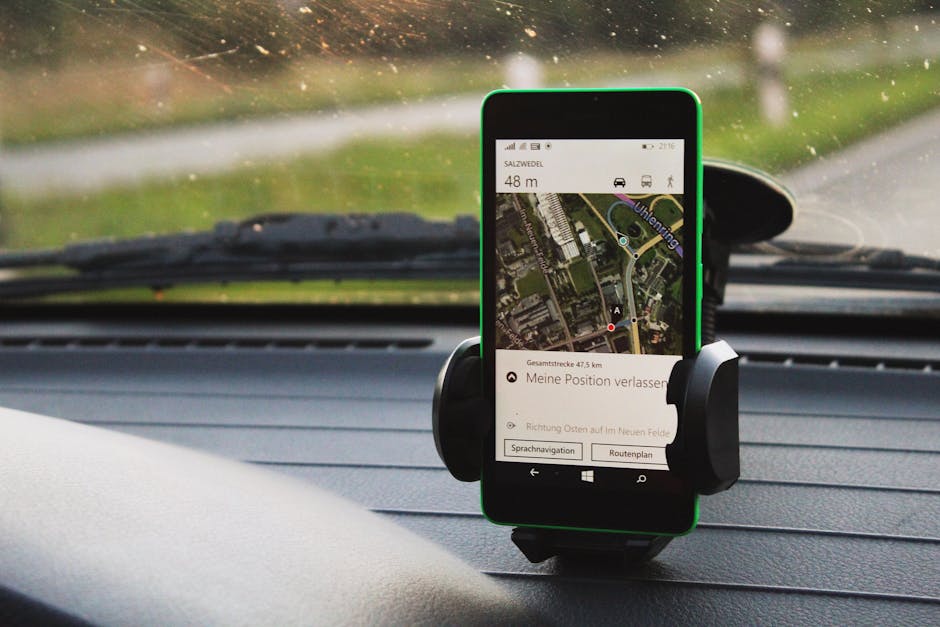
BVG Fahrinfo Plus: The official Berlin public transport app for route planning, real-time departures, and mobile tickets. Essential for any Berlin visit.
Google Maps / Citymapper: Both work excellently in Berlin for walking directions and transit routing. Google Maps has reliable integration with Berlin’s transport network.
DeepL Translate: Superior to Google Translate for German-English translations. Useful for reading menus, signs, and official documents.
Too Good To Go: Pick up surplus food from restaurants, bakeries, and supermarkets at a fraction of the price. Berlin has one of the most active TGTG communities in Europe.
FREE NOW / Uber / Bolt: Ride-hailing apps all operate in Berlin. Uber is available but uses licensed taxi drivers. FREE NOW (formerly mytaxi) is the most popular local option.
Connectivity
Free Wi-Fi is available at many cafes, restaurants, and public spaces, but it’s not as ubiquitous as in some Asian or North American cities. For reliable connectivity, consider purchasing a prepaid SIM card from providers like Aldi Talk, Lebara, or Lycamobile — available at supermarkets and electronics stores. EU visitors benefit from free roaming with their home SIM. Non-EU visitors should check if their carrier offers affordable international data packages or consider an eSIM service like Airalo or Holafly.
Sightseeing Strategies
Berlin’s attractions are spread across a vast area, making efficient planning important. Here are key berlin travel tips for sightseeing:
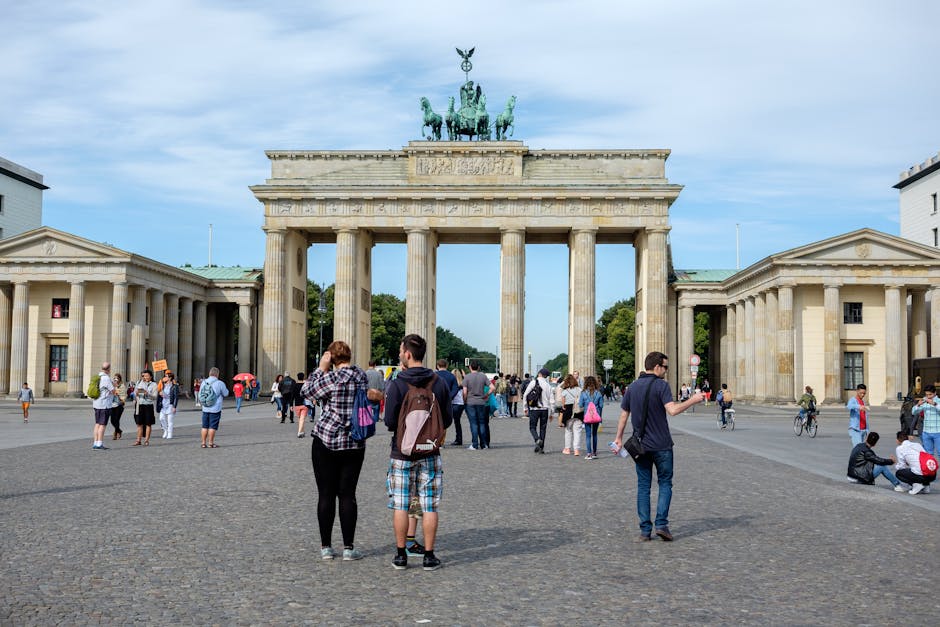
Group sights by neighborhood: Rather than crisscrossing the city, organize your days by area. Mitte alone can fill 2-3 days with Museum Island, Brandenburg Gate, the Reichstag, Memorial to the Murdered Jews of Europe, Checkpoint Charlie, and Gendarmenmarkt. Check out our Berlin itinerary guide for day-by-day planning.
Book the Reichstag dome in advance: Visits to the Bundestag’s glass dome are free but require advance registration at bundestag.de. Book at least 2-3 weeks ahead, especially in summer.
Museum Pass Berlin: The 3-day Museum Pass (€34) grants entry to over 30 museums, including all five on Museum Island. It’s excellent value if you plan to visit three or more participating museums. For everything you need to know, see our museum guide.
Free walking tours: Several companies offer tip-based walking tours covering Berlin’s history, street art, and neighborhoods. SANDEMANs New Europe and Alternative Berlin are well-regarded options.
Consider a bike tour: Berlin’s flat terrain makes it ideal for cycling tours. Fat Tire Tours and Berlin on Bike offer guided rides covering major sights in 3-4 hours, giving you both exercise and orientation.
Seasonal and Practical Considerations
What to Pack
Berlin’s weather is continental and changeable. In summer, pack light layers, comfortable walking shoes, sunscreen, and a light rain jacket. In winter, bring a warm coat, layers, waterproof boots, gloves, and a hat — Berlin’s flat geography means wind chill can bite. Year-round, comfortable walking shoes are the single most important item: Berlin rewards exploration on foot, and you’ll easily walk 15-20 km per day.
Berlin’s Dress Code
Berlin is one of Europe’s most casual and non-judgmental cities when it comes to fashion. Berliners tend toward understated, dark, practical clothing. Leave the flashy designer outfits at home — blending in is both more comfortable and more aligned with local culture. The notable exception is club culture, where certain venues (Berghain being the most famous) have dress codes that favor black, minimalist, and alternative aesthetics.
Smoking
While Germany has anti-smoking laws for enclosed public spaces, Berlin is relatively smoker-friendly compared to many other European capitals. Smoking is banned in most restaurants but allowed in many bars and clubs (often in designated areas). Outdoor seating at cafes often has nearby smokers. If you’re sensitive to smoke, ask about the venue’s policy before sitting down.
Day Trips Worth Considering
Berlin’s excellent rail connections make day trips easy and rewarding. Potsdam and Sanssouci Palace (30-40 minutes by S-Bahn) is the most popular excursion, while the Spreewald biosphere reserve (1 hour by regional train) offers stunning nature and traditional Sorbian culture. In summer, the lakes of Brandenburg — Wannsee, Müggelsee, and Liepnitzsee — provide refreshing escapes from the city heat.
Solo Travel in Berlin
Berlin is one of Europe’s best destinations for solo travelers. The city’s vibrant hostel scene, communal dining culture, and welcoming bar and club atmosphere make it easy to meet fellow travelers and locals alike. Many of Berlin’s best experiences — exploring neighborhoods on foot, visiting museums, sitting in a cafe with a book — are perfectly suited to solo exploration. Our berlin travel tips for solo visitors: stay in a sociable hostel in Mitte or Kreuzberg, join a free walking tour on your first day, and don’t be afraid to strike up conversations at Berlin’s famously communal KneipenKultur (pub culture).
Common Mistakes to Avoid
Based on the most frequent regrets of first-time visitors, here are berlin travel tips about what NOT to do:
Don’t only visit Mitte. While the historic center is impressive, Berlin’s real character lives in its diverse neighborhoods. Spend time in Kreuzberg, Friedrichshain, Prenzlauer Berg, and Neukölln for a complete picture of the city.
Don’t underestimate distances. Berlin is massive. What looks like a short walk on the map can easily be 30-45 minutes. Use public transport generously — the day ticket is excellent value.
Don’t rush. Berlin rewards slow exploration. Sit in a cafe for hours, wander without a destination, explore a neighborhood until you know its rhythm. Three focused days beats five rushed ones.
Don’t forget Sunday closures. Do your shopping by Saturday evening. This surprises almost every first-time visitor.
Don’t rely solely on credit cards. Always carry cash. There’s nothing worse than finding the perfect restaurant only to discover they’re cash-only.
Don’t skip the free attractions. The best things to do in Berlin — the East Side Gallery, Brandenburg Gate, Holocaust Memorial, Topography of Terror, Berlin Wall Memorial — are all free.
Accessibility in Berlin
Berlin has been making significant strides in accessibility. Most U-Bahn and S-Bahn stations have elevators (check the BVG app for real-time elevator status, as some are frequently out of service). All buses have low floors and ramps for wheelchair access. Major museums and attractions are generally wheelchair-accessible, and many offer audio guides and materials in multiple languages. The visitBerlin accessibility portal provides detailed information about accessible venues, routes, and services.
One orientation point that saves a lot of confusion early on: Kreuzberg, Prenzlauer Berg and Wedding are not districts. Berlin has twelve official Bezirke and around ninety-six localities, and everybody uses the locality names. Our Berlin neighbourhoods guide maps the two onto each other and explains what each area is really like.
Berlin Travel Tips Quick Reference
Currency: Euro (€). Cash widely preferred; carry €50-100 minimum.
Language: German (English widely spoken in tourist areas).
Time Zone: CET (UTC+1), CEST in summer (UTC+2).
Electricity: 230V, 50Hz. Type C/F plugs (standard European two-pin round). UK and US/Canadian visitors need an adapter.
Tap Water: Safe and excellent quality throughout Berlin. Bring a reusable bottle.
Emergency: 112 (fire/ambulance), 110 (police).
Tipping: 5-10% in restaurants; round up in bars and taxis.
Shops: Closed Sundays (except train stations and Spätis).
Transport: Validate tickets! €60 fine for fare evasion.
Smoking: Banned in restaurants; allowed in many bars.
With these berlin travel tips in hand, you’re well prepared to experience one of Europe’s most fascinating capitals. Berlin is a city that reveals itself gradually — the more time you spend, the more layers you discover. Whether you’re here for a weekend or a week, approach Berlin with curiosity and an open mind, and it will reward you with experiences you won’t find anywhere else. For detailed day-by-day planning, explore our Berlin itinerary guide, and for help stretching your budget, check our budget travel guide.