Berlin with Kids: Complete Family Travel Guide (2026)
The ultimate guide to Berlin with kids — best family attractions, museums, parks, restaurants, transport tips, and age-specific advice for toddlers through teens. Plan the perfect family trip to Berlin.
Berlin with Kids: Why It’s One of Europe’s Best Family Destinations
Berlin is one of the most family-friendly capitals in Europe — and that’s not just travel-brochure talk. The city genuinely welcomes children everywhere, from restaurants and museums to public transport and parks. A trip to Berlin with kids means 2,500+ public parks with adventure playgrounds, world-class museums with interactive children’s sections, a flat and walkable city centre, and a public transport system where children under 6 ride free.
What makes Berlin with kids especially rewarding is the city’s culture of inclusivity. Berliners view children as part of public life, not an inconvenience. You’ll find high chairs in nearly every restaurant, changing tables in most public buildings, and Kindercafés (dedicated family cafés with indoor play areas) scattered across every neighbourhood. The city’s progressive, relaxed atmosphere means families feel genuinely welcome wherever they go.
This comprehensive guide covers everything you need to plan the perfect Berlin with kids vacation — from the best family attractions and museums to practical tips on getting around, where to eat, and how to keep everyone happy regardless of age or weather.
Best Family Attractions in Berlin
Berlin Zoo and Tierpark
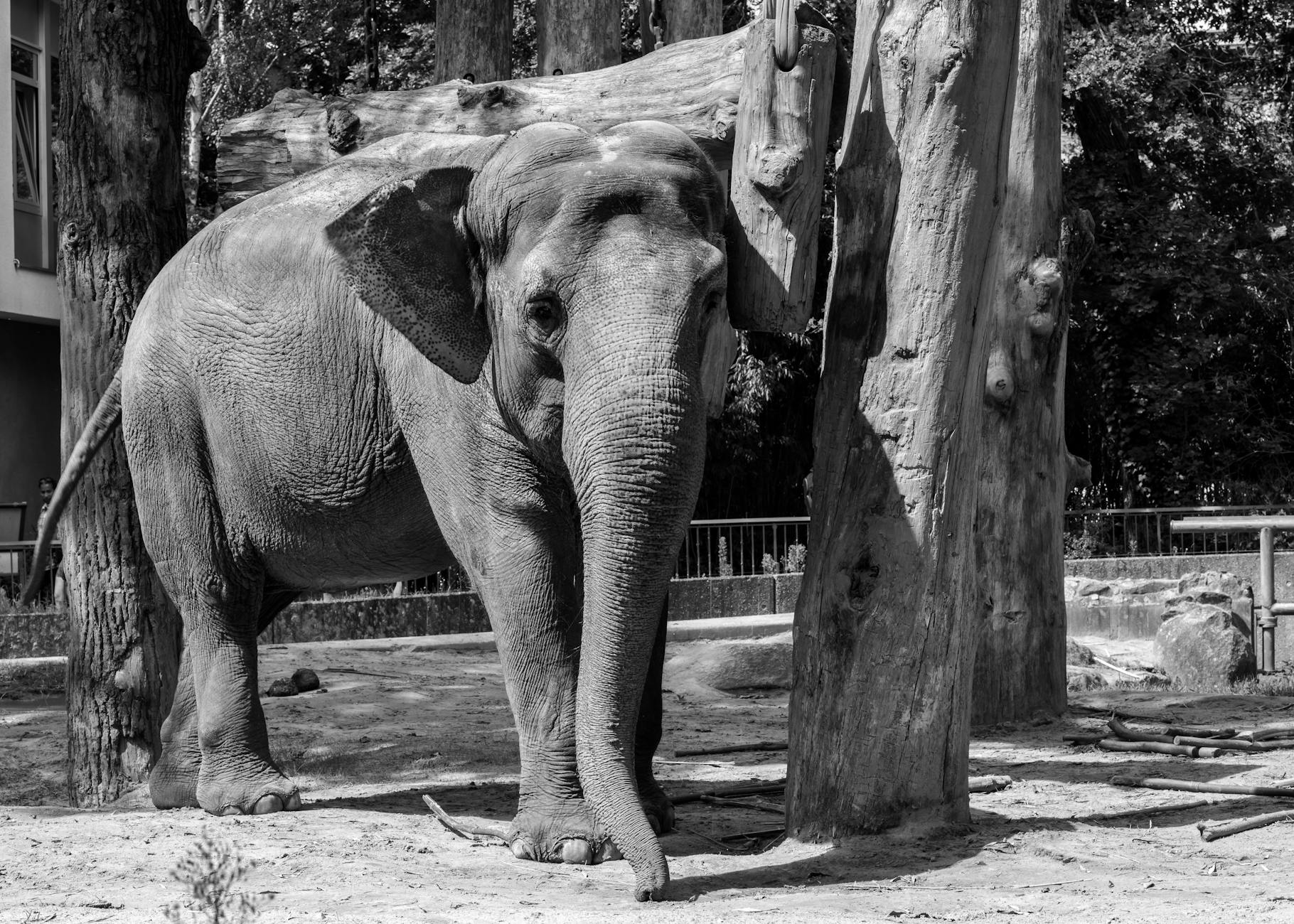
The Berlin Zoo (Zoologischer Garten) is the oldest and most species-rich zoo in the world, home to roughly 20,000 animals across 1,200 species. Located right in the city centre near Kurfürstendamm, it’s perfectly positioned for a half-day or full-day family visit. Highlights include the panda enclosure, the aquarium building (a separate ticket but worth it), and the recently renovated predator house.
For families visiting Berlin with kids who want a less crowded alternative, Tierpark Berlin in the eastern Friedrichsfelde district is Europe’s largest landscape zoo at 160 hectares. It’s ideal for toddlers and younger children because the wide pathways, open enclosures, and generous space mean you can combine animal-watching with running, cycling, and picnicking.
LEGOLAND Discovery Centre
Located at Potsdamer Platz, the LEGOLAND Discovery Centre is purpose-built for children aged 3–10. The indoor attraction features LEGO building workshops, a 4D cinema, a miniature Berlin built entirely from LEGO bricks (MINILAND), and several gentle rides. It’s a reliable rainy-day option and rarely disappoints younger visitors. Book tickets online in advance for discounted entry and guaranteed time slots.
AquaDom & SEA LIFE Berlin
The SEA LIFE Berlin aquarium at the Spree river features 5,000 marine creatures across 37 themed displays. The highlight is the AquaDom, a 25-metre-tall cylindrical aquarium with an elevator ride through the centre — a mesmerising experience for children of all ages. Touch pools and feeding demonstrations keep kids engaged throughout.
Museums for Families in Berlin
Berlin’s museums aren’t just for adults. Many of the city’s top cultural institutions have dedicated children’s programmes, interactive exhibits, and hands-on workshops that make learning genuinely fun. Here’s where to take kids when Berlin with kids means museum exploration.
Museum für Naturkunde (Natural History Museum)
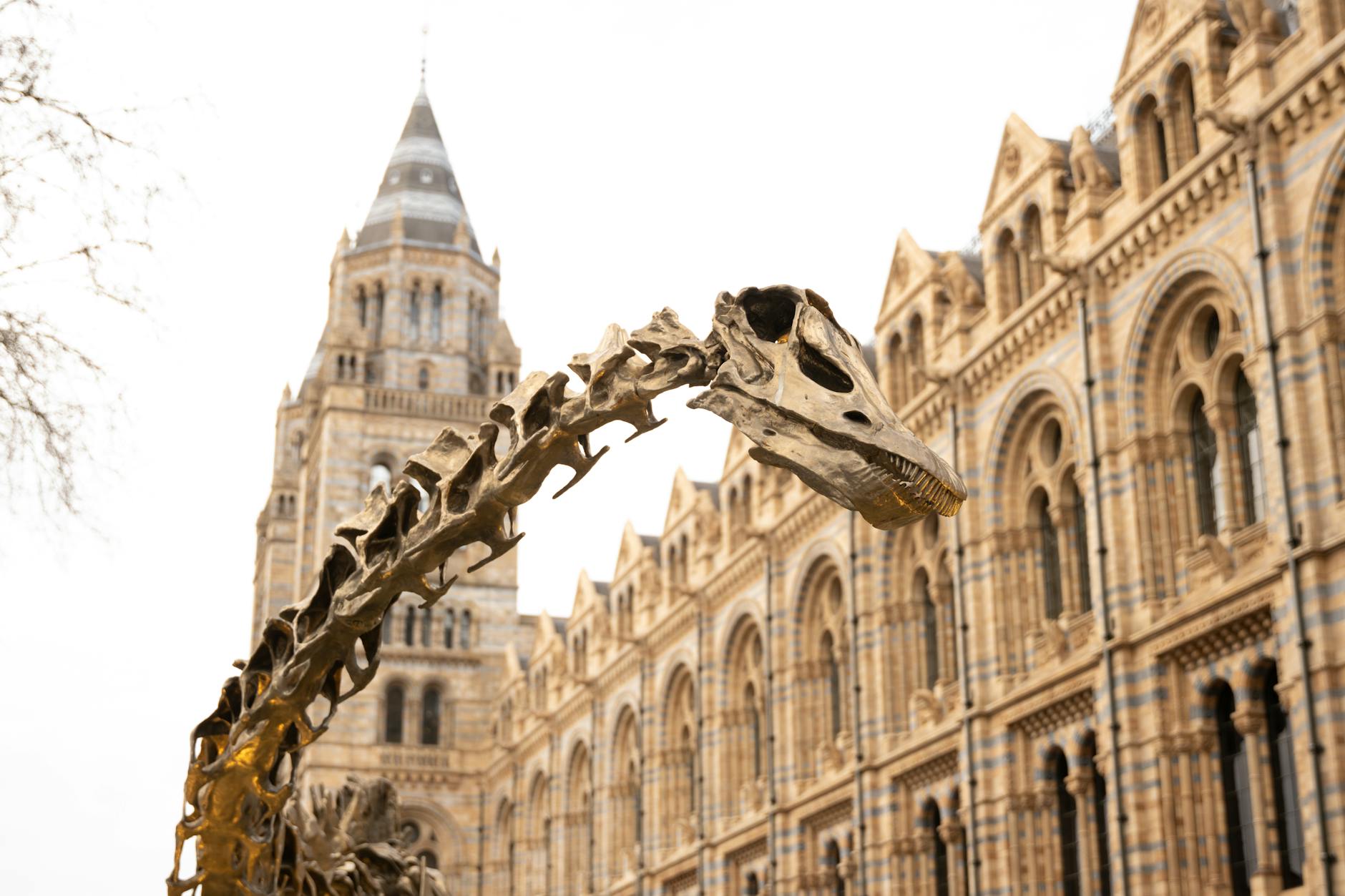
The Natural History Museum is a guaranteed hit with children of all ages. The centrepiece is the world’s tallest mounted dinosaur skeleton — a 13.27-metre Giraffatitan brancai that dominates the entrance hall. Beyond dinosaurs, kids can explore a biodiversity wall with 3,000 mounted specimens, interactive digital exhibits, and the famous “wet collection” of preserved specimens in illuminated jars. Audio guides are available in multiple languages, including a child-friendly version.
Deutsches Technikmuseum (German Museum of Technology)
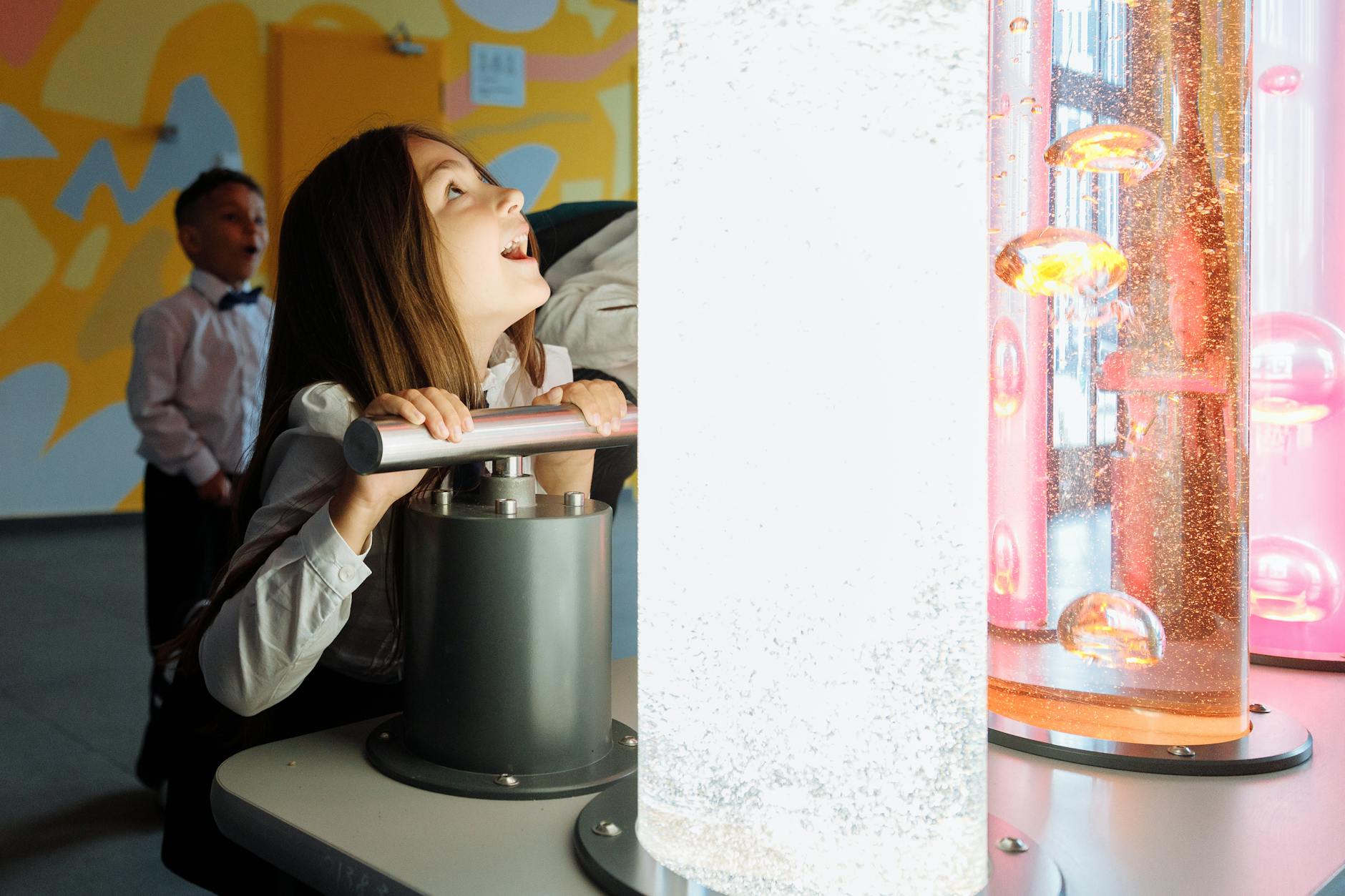
The Technikmuseum in Kreuzberg is arguably Berlin’s best museum for families. Spread across a massive former railway depot, it covers aviation, railways, shipping, printing, and computing through hands-on exhibits. Children can climb into train cockpits, operate printing presses, and watch live demonstrations in the brewery and sugar-refining sections. The adjacent Science Center Spectrum offers 150+ interactive experiments specifically designed for kids aged 6 and up.
ANOHA — The Children’s World of the Jewish Museum
ANOHA is a dedicated children’s museum within the Jewish Museum complex, designed for ages 3–10. The centrepiece is a giant wooden ark filled with 150 animal sculptures made from recycled materials. Children climb, explore, and interact with the animals while learning about themes of community, diversity, and caring for the world. Entry is free but requires advance reservation — slots fill quickly, so book early.
DDR Museum
The DDR Museum on the Spree offers an immersive, tactile experience of daily life in East Germany. Children can sit in a Trabant car, explore a reconstructed East German apartment, and interact with over 300 original objects. It’s one of Berlin’s most interactive museums and gives older children (8+) a tangible introduction to Cold War history.
Labyrinth Kindermuseum
The Labyrinth Kindermuseum in Wedding is Berlin’s dedicated children’s museum, with rotating thematic exhibitions designed entirely for hands-on play. Past exhibitions have explored themes like sustainability, city-building, and cultural diversity. Everything is designed for active participation — climbing, building, dressing up, and experimenting. Best for ages 3–11.
MACHmit! Museum for Children
MACHmit! in Prenzlauer Berg occupies a former church and features rotating exhibitions focused on creativity and learning. The permanent highlight is a massive multi-storey climbing structure inside the former nave. Workshop programmes cover printing, woodworking, and art — check their calendar for scheduled activities.
Parks and Outdoor Adventures
Berlin has more green space than almost any European capital — roughly a third of the city is parkland, forest, or water. For families visiting Berlin with kids, this means there’s always a playground, lake, or green space within walking distance.
Tiergarten
Berlin’s 520-acre Central Park equivalent sits right in the heart of the city. Tiergarten has several excellent playgrounds (the one near Café am Neuen See is particularly good), wide paths perfect for cycling and scootering, and rowing-boat rental on the lake. In summer, families picnic on the lawns; in autumn, the park’s mature trees create spectacular foliage walks.
Tempelhofer Feld
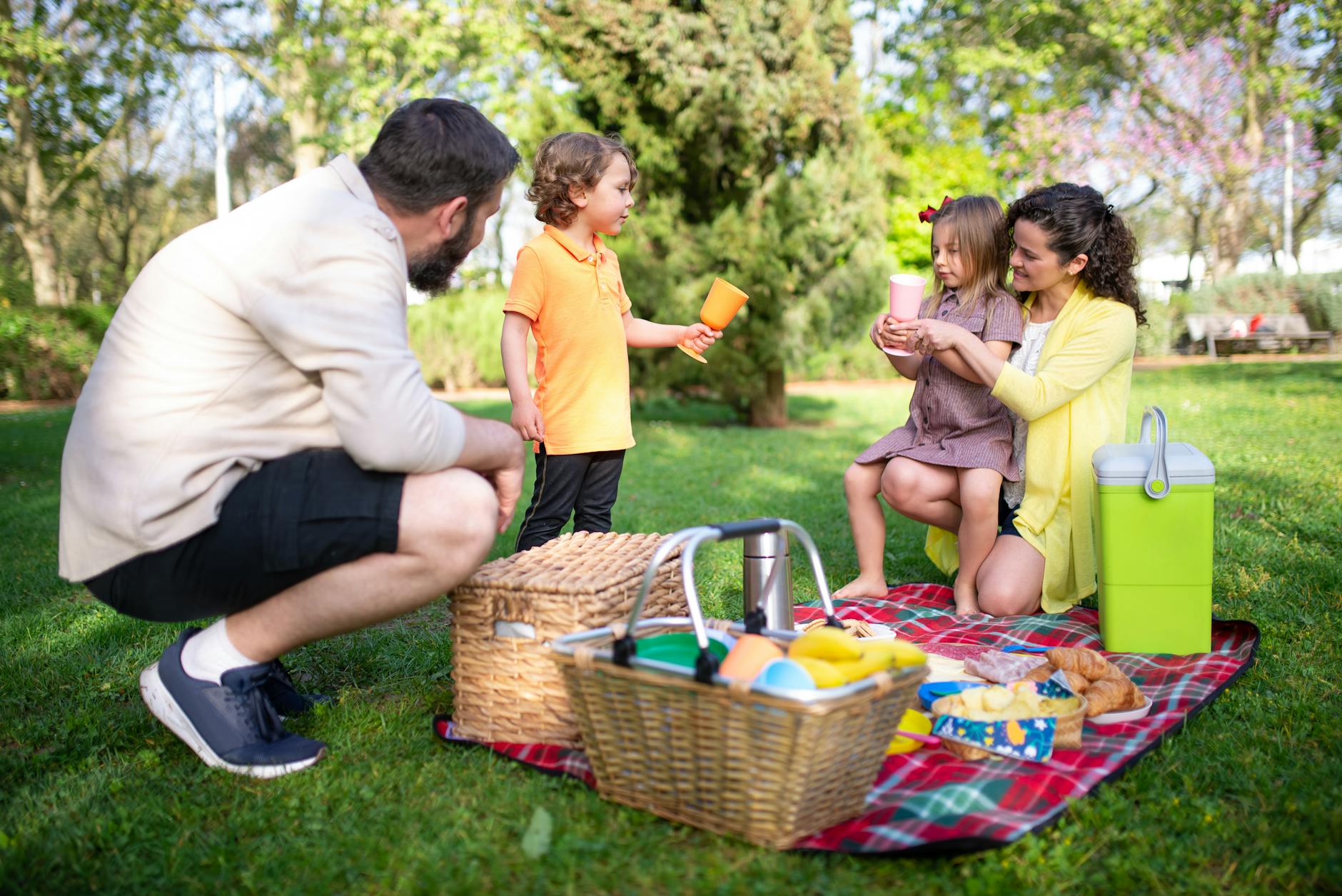
The former Tempelhof Airport is now a massive public park — 386 hectares of flat, open space with the original runways intact. It’s one of the most unique places in Berlin with kids: children can cycle, skateboard, and kite on the old runways, while families spread out for picnics with more space than you’d ever find in a traditional park. There are community gardens, barbecue areas, and stunning sunset views.
Britzer Garten
Britzer Garten in Neukölln is a 90-hectare landscaped park with themed gardens, a lake with pedal boats, a miniature railway, and extensive playgrounds. The “witch’s playground” (Hexenspielplatz) is particularly popular with younger children. Entry costs a small fee (€3 adults, children free) but the quality of the grounds justifies it.
Grunewald Forest and Teufelsberg
For nature-loving families, the Grunewald forest in western Berlin offers hiking trails, a lakeside beach at Strandbad Wannsee, and the ruins of the Cold War-era listening station at Teufelsberg. Older children enjoy the adventure of exploring the graffiti-covered abandoned buildings, while younger kids can splash at the lake beaches or play in the forest clearings.
Berlin’s Adventure Playgrounds
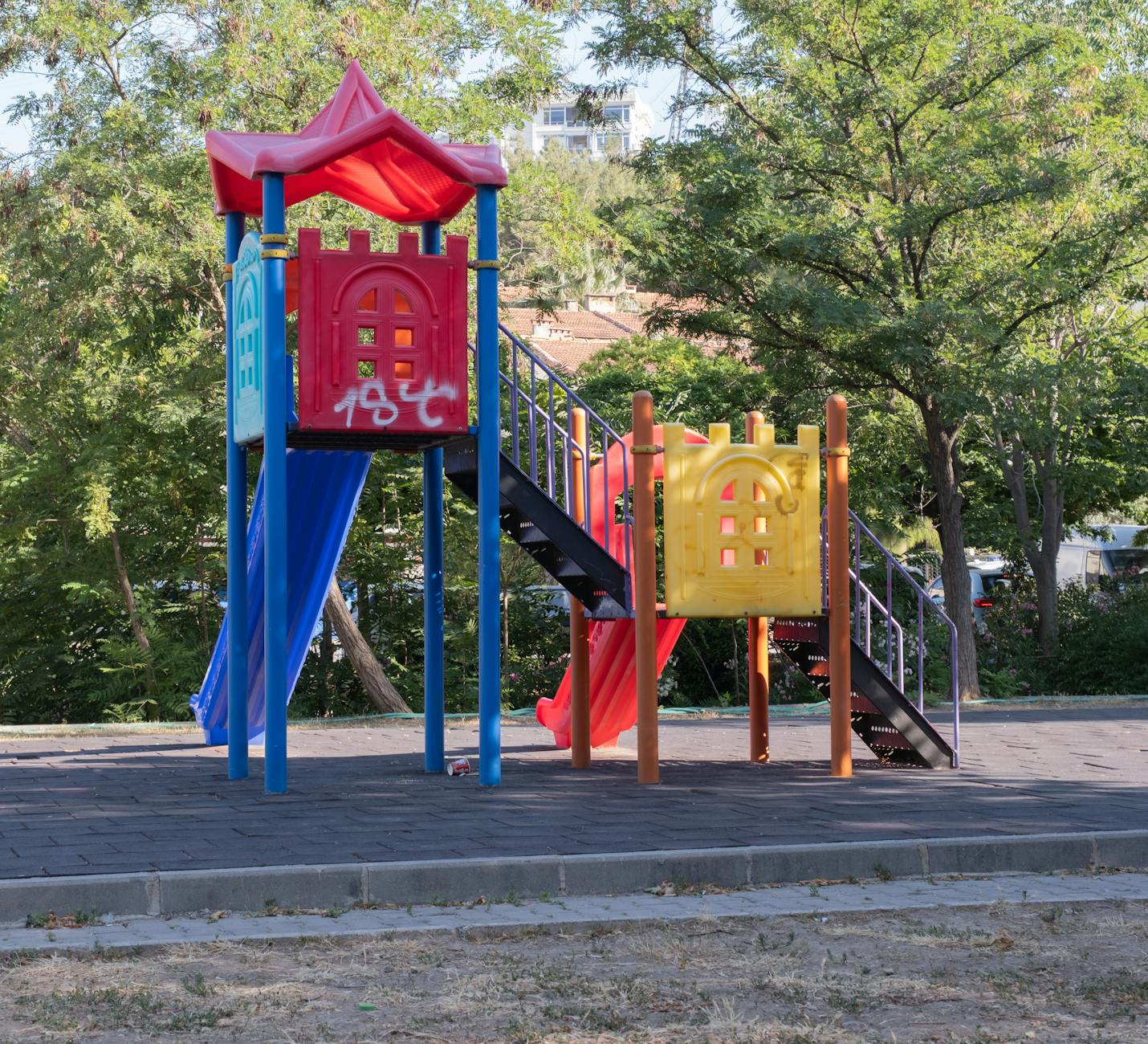
Berlin is famous for its Abenteuerspielplätze (adventure playgrounds) — supervised outdoor play spaces where children can build with real tools, make fires, cook, and interact with animals. These are staffed by trained play workers and are free to use. Notable examples include Kolle 37 in Prenzlauer Berg and the Abenteuerspielplatz at Görlitzer Park in Kreuzberg. They’re unlike anything most visitors have experienced and represent Berlin’s progressive approach to children’s play.
Getting Around Berlin with Kids
Berlin’s public transport is excellent for families. The network of U-Bahn (underground), S-Bahn (suburban rail), trams, and buses covers the entire city efficiently. Here’s what families need to know about navigating Berlin with kids on public transport.
Tickets and Passes
Children under 6 travel free on all Berlin public transport. Children aged 6–14 pay a reduced fare. The Berlin WelcomeCard is excellent value for families: the Family version covers 2 adults and up to 3 children (aged 6–14) with unlimited transport plus discounts of up to 50% at 200+ attractions. For a family of four visiting Berlin with kids for 3–5 days, the WelcomeCard typically saves €50–80 compared to buying individual tickets and full-price admission.
Stroller and Buggy Access
Berlin is one of the most stroller-friendly cities in Europe. All S-Bahn stations and most U-Bahn stations have lifts. Buses lower at the front and have designated buggy areas. Trams have low-floor boarding. Most pavements have dropped kerbs, and the city’s flat terrain means pushing a pram is far easier than in hillier cities. The BVG app shows real-time lift status for stations with elevator outages.
Cycling with Children
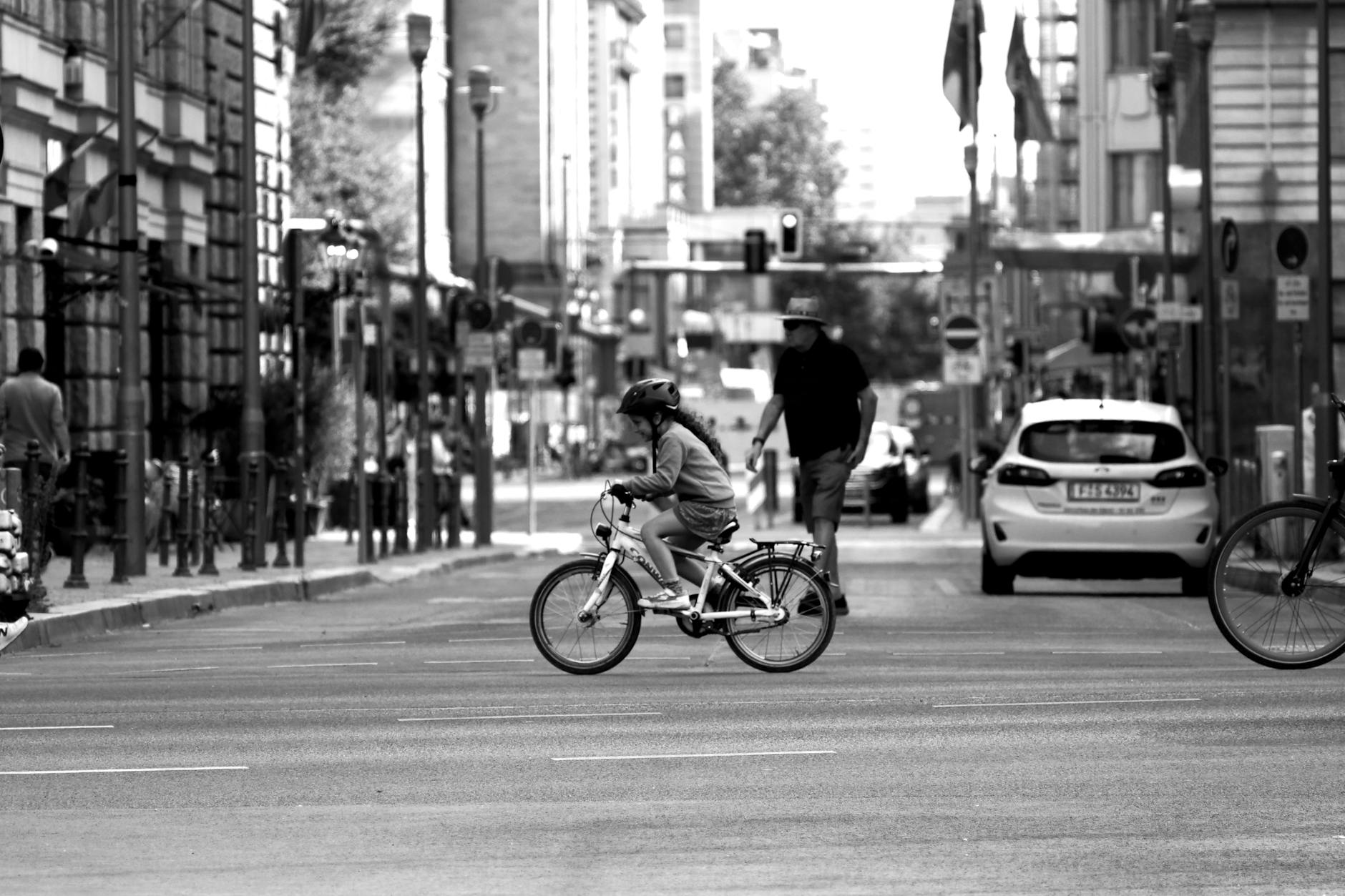
Berlin is a superb cycling city with 1,000+ km of dedicated bike lanes. For families, cargo bikes (Lastenräder) are available for rent from companies like Swapfiets and local shops — these carry two children comfortably and are a quintessentially Berlin way to get around. Child seats, trailers, and children’s bikes are also widely available from rental companies. The flat terrain makes cycling with kids genuinely practical rather than aspirational.
Where to Eat with Kids in Berlin
Berlin is remarkably accommodating for families when it comes to dining. High chairs are standard in most restaurants, children’s menus are common, and the city’s casual dining culture means nobody blinks at noisy toddlers.
Kindercafés
Berlin’s Kindercafés are a uniquely German institution — cafés with integrated indoor play areas where parents can drink proper coffee while children play safely. Standout options include:
- Café Schönhausen in Prenzlauer Berg — large play area, excellent cakes, weekend brunch
- Milchbart in Prenzlauer Berg — organic food, baby-friendly, toy corner
- Kiezkind in Prenzlauer Berg — huge indoor playground, full meal menu
- Café Kreuzzwerg in Kreuzberg — multi-level play structure, international menu
Family-Friendly Restaurant Types
Beyond Kindercafés, Berlin offers plenty of family dining options. Beer gardens (Biergärten) are ideal for families — most have playgrounds and serve child-friendly food like schnitzel, fries, and Würstchen (sausages). Prater Garten in Prenzlauer Berg is Berlin’s oldest beer garden and has a dedicated children’s play area. Markthalle Neun in Kreuzberg hosts Thursday Street Food markets where families can choose from dozens of international vendors.
Budget-Friendly Family Meals
Feeding a family in Berlin doesn’t have to be expensive. Döner kebabs (€4–6), currywurst (€3–5), and bakery pretzels (€1–2) are filling, affordable, and universally kid-approved. Supermarkets like REWE, Edeka, and Lidl are well-stocked and everywhere — perfect for picnic supplies. Many restaurants offer Kinderteller (children’s plates) for €4–7.
Berlin with Kids by Age Group
Toddlers (0–3 Years)
Berlin is surprisingly manageable with toddlers. Focus on parks, playgrounds, and Kindercafés. The Tiergarten and Tempelhofer Feld offer safe, open spaces for running. ANOHA at the Jewish Museum is purpose-designed for this age group. For rainy days, Kindercafés in Prenzlauer Berg provide stimulation for little ones while parents decompress. Most museums allow free entry for under-3s, and the Natural History Museum’s dinosaurs are universally popular even with the youngest visitors.
Children (4–10 Years)
This is the sweet spot for Berlin with kids. Children this age get the most from the Technikmuseum, LEGOLAND Discovery Centre, and Berlin Zoo. Adventure playgrounds come into their own for 5–10 year olds — the freedom to build and explore with real tools is transformative. The DDR Museum’s hands-on exhibits engage this age group, and boat tours on the Spree are popular with kids who enjoy being on the water.
Tweens and Teens (11–17 Years)
Older children engage with Berlin’s history in powerful ways. The Berlin Wall Memorial, Checkpoint Charlie, the East Side Gallery, and the Topography of Terror provide age-appropriate entry points to 20th-century history. The Computer Games Museum appeals to gaming-obsessed teenagers. Street art tours in Kreuzberg and Friedrichshain showcase Berlin’s alternative culture. For active teens, climbing centres (Magic Mountain, Boulderklub), wakeboarding at Velodrom, and the city’s skate parks offer adrenaline.
Rainy Day Activities for Families
Berlin weather can be unpredictable, so having indoor backup plans is essential when visiting Berlin with kids. Beyond the museums already mentioned, here are reliable wet-weather options.
Indoor Swimming
Berlin has excellent public swimming pools (Schwimmbäder). The Berliner Bäder-Betriebe operates dozens of indoor pools across the city. Highlights include the Tropical Islands resort (a former airship hangar converted into an indoor tropical water park, 60km south of Berlin) and the SSE Europa-Sportpark with dedicated children’s pools and water slides.
Indoor Play Centres
For days when you need maximum energy burn, commercial indoor play centres deliver. Jacks Fun World in Reinickendorf is one of Berlin’s largest, with trampolines, climbing structures, and slides across 4,000 square metres. Bambooland in Marzahn offers similar scale with a go-kart track. Entry is typically €8–12 per child for a full day.
Cinema and Theatre
Berlin has several cinemas screening films in English (OV — Originalversion). The Zoo Palast and CinemaxX at Potsdamer Platz show current releases including children’s films. For something more cultural, the GRIPS Theater in Tiergarten produces award-winning children’s theatre — some performances have English surtitles.
Family-Friendly Neighbourhoods
Prenzlauer Berg
Often called “Pregnant Hill” by locals due to its high concentration of young families, Prenzlauer Berg is ground zero for Berlin with kids. The neighbourhood has the highest density of Kindercafés, excellent playgrounds (Helmholtzplatz, Kollwitzplatz), family-friendly restaurants, and a relaxed village-like atmosphere. The Mauerpark flea market on Sundays is a family favourite — kids enjoy the karaoke amphitheatre and the sprawling playground adjacent to the market.
Kreuzberg
Kreuzberg is more bohemian but equally family-friendly. Görlitzer Park has a children’s farm, adventure playground, and wading pool. The Landwehr Canal towpath is perfect for stroller walks and cycling. Viktoriapark features Berlin’s only waterfall and a hilltop playground with panoramic views. The multicultural food scene means picky eaters can always find something they like.
Charlottenburg
Charlottenburg is ideal for families wanting a quieter, more upscale base. Schloss Charlottenburg’s gardens are beautiful for walks, and the neighbourhood’s proximity to the Berlin Zoo and KaDeWe department store (where the food hall alone entertains children) is convenient. The streets are wider and less frenetic than Mitte, which can be welcome with young children.
Seasonal Berlin with Kids: What to Expect
Spring (March–May)
Spring is ideal for Berlin with kids. Parks are blooming, outdoor playgrounds reopen, and the weather is mild enough for full days outside without summer crowds. The cherry blossoms along the former Berlin Wall path (TV Asahi Kirschblütenallee) are spectacular in late April. Easter markets appear at various locations including Alexanderplatz.
Summer (June–August)
Berlin’s summers are warm (22–30°C) and long on daylight (sunrise before 5am, sunset after 9pm). Lake swimming is a Berlin institution — Strandbad Wannsee, Müggelsee, and Schlachtensee all have sandy beaches and shallow entry points safe for children. Tempelhofer Feld is at its best, and open-air cinemas screen family films. The downside: school holidays bring larger crowds at major attractions.
Autumn (September–November)
Autumn brings stunning foliage in the Tiergarten and Grunewald, the Festival of Lights (major landmarks illuminated in October), and harvest festivals. Indoor attractions become more appealing as temperatures drop, and museum queues shorten as tourist numbers decrease. It’s an underrated season for Berlin with kids.
Winter (December–February)
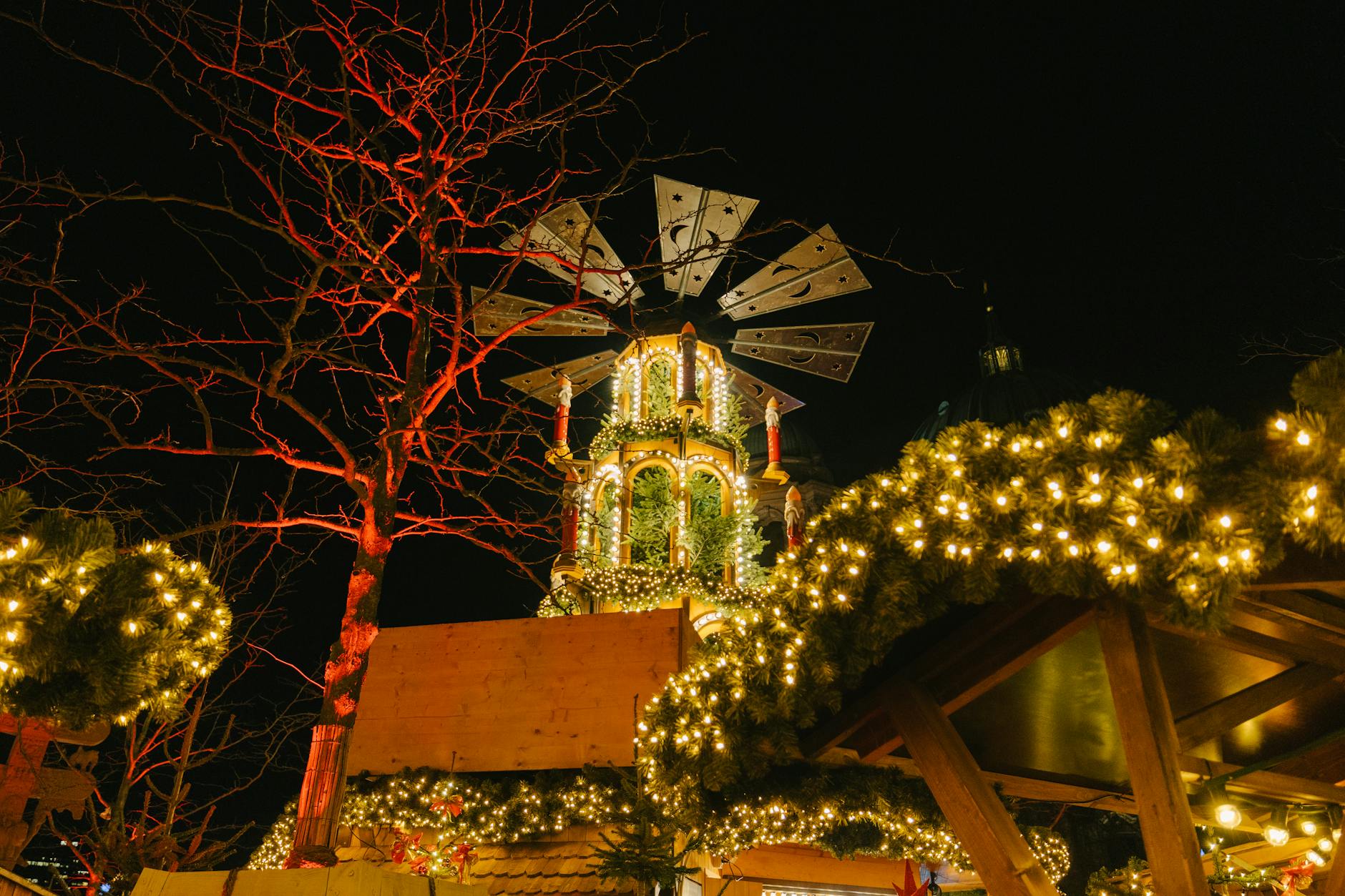
Berlin’s Christmas markets are magical for children. The Gendarmenmarkt Christmas Market, Alexanderplatz market, and the children’s Christmas market at the FEZ cultural centre offer carousel rides, craft workshops, roasted almonds, and a genuine winter wonderland atmosphere. Ice skating rinks appear across the city. January and February are cold (often below zero) but museums are virtually empty.
Practical Tips for Berlin with Kids
Accommodation
For families, apartment rentals often beat hotels — you get a kitchen (essential for preparing snacks and breakfasts), a washing machine, and more space. Prenzlauer Berg and Charlottenburg are the best-located family neighbourhoods. If you prefer hotels, look for “Familenzimmer” (family rooms) which are common in Berlin’s mid-range hotels. Budget options include family hostels like the Circus Hostel in Mitte, which offers family rooms with en-suite bathrooms.
Health and Safety
Berlin is an extremely safe city for families. Healthcare is excellent and widely accessible — pharmacies (Apotheken) are everywhere and staff usually speak English. Carry your European Health Insurance Card (EHIC) or travel insurance details. Tap water in Berlin is safe to drink, which saves money on bottled water. Sun protection is important in summer despite the northerly latitude.
What to Pack
Layers are essential in Berlin regardless of season — mornings can be 10 degrees cooler than afternoons. Comfortable walking shoes are critical (you’ll cover 10–15km daily). A rain jacket or compact umbrella should always be in your bag. For babies and toddlers, bring a lightweight stroller rather than a heavy pushchair — it’s easier on public transport and the city’s cobblestoned side streets.
Money-Saving Tips for Families
The Berlin WelcomeCard Family is the single best investment for families visiting Berlin with kids. Beyond transport savings, the museum discounts add up quickly. Many Berlin museums offer free admission on the first Sunday of each month (Museumssonntag). Pack picnic lunches from supermarkets to avoid pricey museum cafés. Free attractions — the Berlin Wall Memorial, East Side Gallery, Reichstag dome, parks, and playgrounds — can fill entire days without spending a cent.
Language
English is widely spoken in Berlin, especially in tourist areas, restaurants, and museums. Most museum signage and audio guides are available in English. However, learning a few German phrases endears you to locals: “Danke” (thank you), “Bitte” (please/you’re welcome), and “Entschuldigung” (excuse me) go a long way.
Sample 3-Day Berlin with Kids Itinerary
Day 1: Animals and Adventure
Morning at the Berlin Zoo (arrive at opening for smaller crowds), lunch at the zoo restaurant or a nearby Kurfürstendamm café, afternoon at the Tiergarten playground and rowing boats on the lake. Evening: early dinner at a Prenzlauer Berg Kindercafé.
Day 2: Science and History
Morning at the Natural History Museum (book the first time slot), lunch at a nearby café on Invalidenstraße, afternoon at the Deutsches Technikmuseum and Science Center Spectrum. For older kids, add a walk along the Berlin Wall Memorial on Bernauer Straße.
Day 3: Explore and Play
Morning at ANOHA or the Labyrinth Kindermuseum (depending on your children’s ages), lunch at Markthalle Neun street food market, afternoon at Tempelhofer Feld for cycling and kite-flying, or head to Mauerpark if visiting on a Sunday. Evening: farewell dinner at Prater Garten beer garden.
One district makes all of this markedly easier: Prenzlauer Berg has the highest playground density in inner Berlin, quiet wide streets, cafés that expect prams, and a planetarium for wet afternoons. Our Prenzlauer Berg guide sets out a day there that works with small children.
Planning Your Berlin with Kids Trip
Berlin rewards families who plan ahead. For practical logistics like transport tickets, cash tips, and cultural norms, check our essential Berlin travel tips. Families who plan ahead but leave room for spontaneity. Book popular attractions like ANOHA, the Zoo, and the Technikmuseum online in advance to guarantee entry. Download the BVG app for real-time transport information. And remember that Berlin with kids is fundamentally about slowing down — the city’s parks, playgrounds, and Kindercafés are designed for lingering, not rushing.
The best family trips to Berlin combine a few structured activities with plenty of unstructured time. Let your children lead sometimes — the adventure playground they discover in a side street might become the highlight of the trip. Berlin’s magic for families lies in its combination of world-class attractions and everyday livability. It’s a city that doesn’t just tolerate children — it celebrates them.