Berlin on a Budget: Complete Money-Saving Travel Guide (2026)
Your complete berlin on a budget guide — daily costs, free attractions, cheap food, budget accommodation, transport tips, and money-saving secrets for 2026.
Berlin on a Budget: Why It’s Still One of Europe’s Best-Value Capitals
Berlin remains one of the most affordable major capitals in Western Europe. While it’s no longer the astonishing bargain it was a decade ago, it still costs significantly less than London, Paris, Amsterdam, or Copenhagen — and offers more free cultural experiences than almost any of them. A well-planned trip to berlin on a budget can cost as little as €35-60 per person per day, including accommodation, food, transport, and activities.
What makes berlin on a budget genuinely achievable isn’t just low prices — it’s the city’s culture. Berliners value accessibility. Many of the city’s greatest experiences — the Berlin Wall, the Brandenburg Gate, the Reichstag dome, world-class memorials, enormous parks, and legendary flea markets — cost nothing at all. Street food is excellent and cheap. Public transport is comprehensive. And the city’s alternative, anti-luxury attitude means that spending less doesn’t mean experiencing less.
This guide breaks down exactly what things cost in Berlin in 2026, where to find the best deals, and how to stretch your euros further without missing the experiences that make Berlin extraordinary.
What Berlin Actually Costs: Daily Budget Breakdown
Understanding realistic costs is the foundation of any berlin on a budget strategy. Here’s what you can expect to spend per person per day in 2026:
Budget traveler (€35-60/day): Hostel dorm bed (€20-30), street food and supermarket meals (€10-15), day transit pass or walking (€0-10), free attractions and activities. This is comfortable, not uncomfortable — Berlin’s free offerings are genuinely world-class.
Mid-range traveler (€100-180/day): Budget hotel or private hostel room (€60-90), mix of restaurants and street food (€20-35), transit pass plus one or two paid attractions (€20-35). This covers most of what Berlin has to offer without significant sacrifice.
Comfortable traveler (€180-300/day): Mid-range hotel (€100-150), restaurant meals (€40-60), attractions and evening entertainment (€30-50). Berlin at this level feels luxurious compared to what the same money buys in other capitals.
For our full cost breakdown with calculator, see How Much Does Berlin Cost Per Day.
Free Attractions and Experiences
Berlin’s free offerings alone could fill an entire trip — which is why visiting berlin on a budget never means compromising on quality experiences. No other European capital gives away this much culture, history, and beauty at no cost.
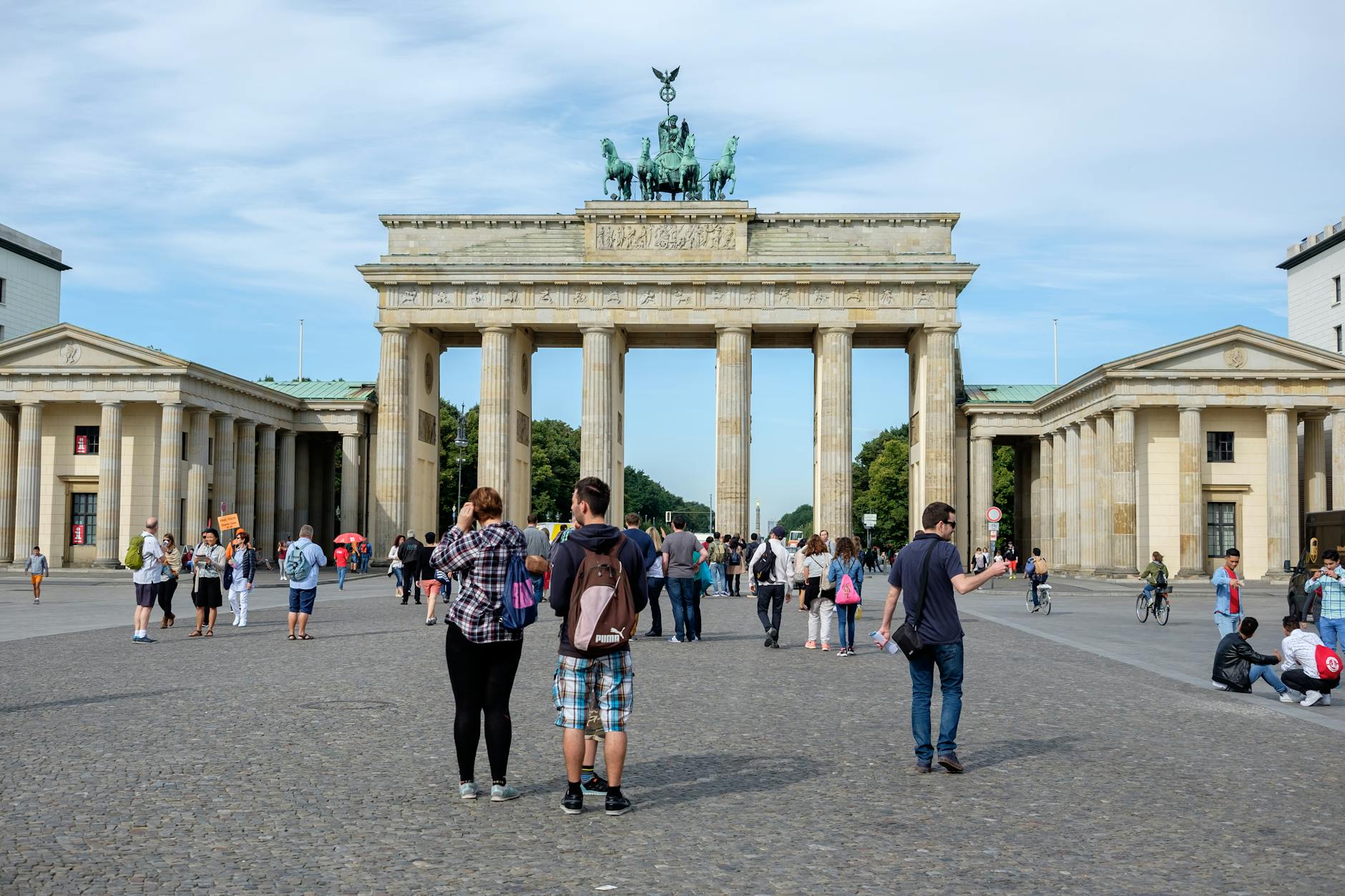
Landmarks and monuments: The Brandenburg Gate is Berlin’s most iconic symbol and costs nothing to visit. The Reichstag building offers a free glass dome with panoramic city views — you must register in advance online, but there’s no charge. The Memorial to the Murdered Jews of Europe (Holocaust Memorial) is a profound, free outdoor installation of 2,711 concrete pillars near Brandenburg Gate, with a free underground information center. The Memorial to Homosexuals Persecuted Under Nazism in Tiergarten is another powerful, free site.
The Berlin Wall: The East Side Gallery — a 1.3-kilometer stretch of the original Wall covered in murals by artists from around the world — is completely free. The Berlin Wall Memorial on Bernauer Straße includes preserved Wall segments, a documentation center, and an outdoor exhibition, all free. The Tränenpalast (Palace of Tears), the former border crossing point, is a free museum about division and reunification.
Museums and cultural sites that are always free: The Topography of Terror documents the Nazi security apparatus on the site of the former Gestapo headquarters. The Futurium near Hauptbahnhof explores technology and society’s future through interactive exhibitions. The Museum in der Kulturbrauerei covers everyday life in the GDR. The Charlottenburg Palace Gardens are free to stroll (though the palace interior requires a ticket).
Free museum access on specific days: The Deutsches Technikmuseum (German Museum of Technology) is free on Fridays from 1 PM. The Julia Stoschek Foundation opens free on the first Thursday of each month (6-10 PM). The KINDL Centre for Contemporary Art is free on the first Sunday monthly. International Museum Day (May 17 in 2026) brings free admission across dozens of institutions. And all State Museums (Staatliche Museen zu Berlin) offer free admission for visitors under 18.
Parks and outdoor spaces: Tempelhofer Feld — the former Tempelhof Airport runway converted into an enormous public park — is one of Berlin’s most unique free experiences. Cycling, skating, kite-flying, and picnicking on a former airport tarmac with marked runways still visible. Tiergarten, Berlin’s central park, covers 520 acres of forest, gardens, and lakes. Volkspark Friedrichshain, Viktoriapark in Kreuzberg (with its waterfall), and Mauerpark (with its legendary Sunday flea market and outdoor karaoke) are all free.
Free music: The Berlin Philharmonic — one of the world’s finest orchestras — offers free lunchtime chamber concerts on Tuesdays at 1 PM (September through June). These 40-50 minute performances in the foyer are a remarkable free cultural experience.
For our comprehensive list, see Free Attractions in Berlin.
Transport on a Budget
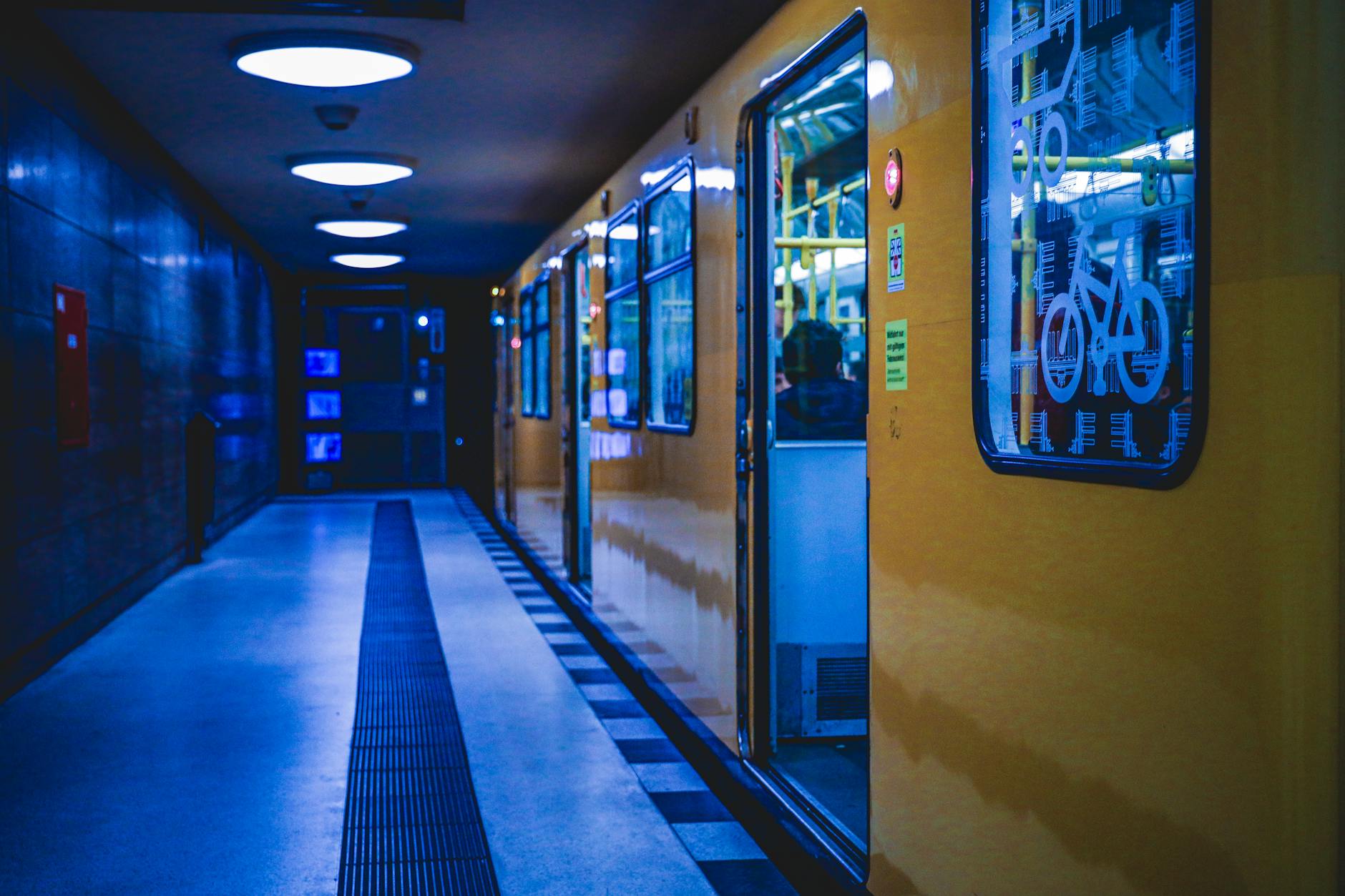
Berlin’s public transport (BVG/S-Bahn) is extensive and efficient. The system covers U-Bahn (metro), S-Bahn (suburban rail), trams, buses, and even ferries — all on the same ticket system. But transport costs have risen, with a 6% average increase in January 2026, so smart ticket choices matter when visiting berlin on a budget.
Ticket prices (2026):
A single journey in zones A-B costs €4.00. A short trip ticket (Kurzstrecke), valid for 3 S-Bahn/U-Bahn stops or 6 bus/tram stops, is €2.80. The 24-hour day pass costs €9.80 for zones A-B — making it worthwhile if you’ll make three or more trips in a day. The group day ticket (€25.50) covers up to five people for 24 hours, which is exceptional value for families or groups — just €5.10 per person. A 7-day ticket costs around €36.
Zone basics: Zones A and B cover all of central Berlin, including nearly every tourist attraction. You only need a Zone C extension for Potsdam, Schönefeld, or BER Airport. Don’t overpay for Zone C if you’re staying central.
Children under 6 travel free on all Berlin public transport. Children aged 6-14 qualify for reduced fares, and up to 3 children (6-14) travel free with a Berlin WelcomeCard holder.
Cycling: Berlin is an excellent cycling city with dedicated bike lanes throughout. Bike-sharing options include Call A Bike (€9 max daily), Nextbike (first 30 minutes free with membership, then €1/15 min), and Donkey Republic (~€8.50 for 4 hours). Traditional bike rentals run €8-15 per day from shops in touristy areas — often the cheapest option for full-day riding.
Walking: Berlin is spread out (five times the area of Paris), so you can’t walk everywhere. But individual neighborhoods are very walkable, and combining walking with targeted transit use is the most budget-friendly approach.
Tourist Passes: Are They Worth It?
Berlin offers several tourist passes, but not all deliver value for budget travelers. Here’s what actually saves money.
Berlin WelcomeCard is the city’s official tourist pass. The basic version includes unlimited public transport plus 25-50% discounts at over 170 attractions. A 48-hour AB card costs from €28.50, a 72-hour card around €35-40. The Museum Island variant (72 hours, €62) adds free entry to all five Museum Island museums. The All-Inclusive version (from €99) covers 30+ top attractions without additional cost. Up to three children aged 6-14 ride free on your transport allocation.
When the WelcomeCard is worth it: If you’re using public transport daily (saving ~€10/day versus individual tickets) and visiting at least a few paid attractions, the basic card pays for itself. The Museum Island variant is worth it if you plan to visit three or more island museums. The All-Inclusive is best for visitors cramming many attractions into a short trip.
When it’s not worth it: If you’re mainly doing free attractions, walking, and cycling, skip the WelcomeCard and buy individual transit tickets as needed.
Museum Pass Berlin (€32) grants access to 30+ museums over three consecutive days. If you’re a museum enthusiast planning to visit three or more paid museums, this offers strong value — individual museum tickets run €10-16 each.
For our detailed analysis, see Berlin Welcome Card — Is It Worth It?
Eating Cheaply (and Well) in Berlin
Food is where berlin on a budget really shines. The city’s street food is legendary, supermarkets are affordable, and even sit-down restaurants are cheaper than comparable cities.
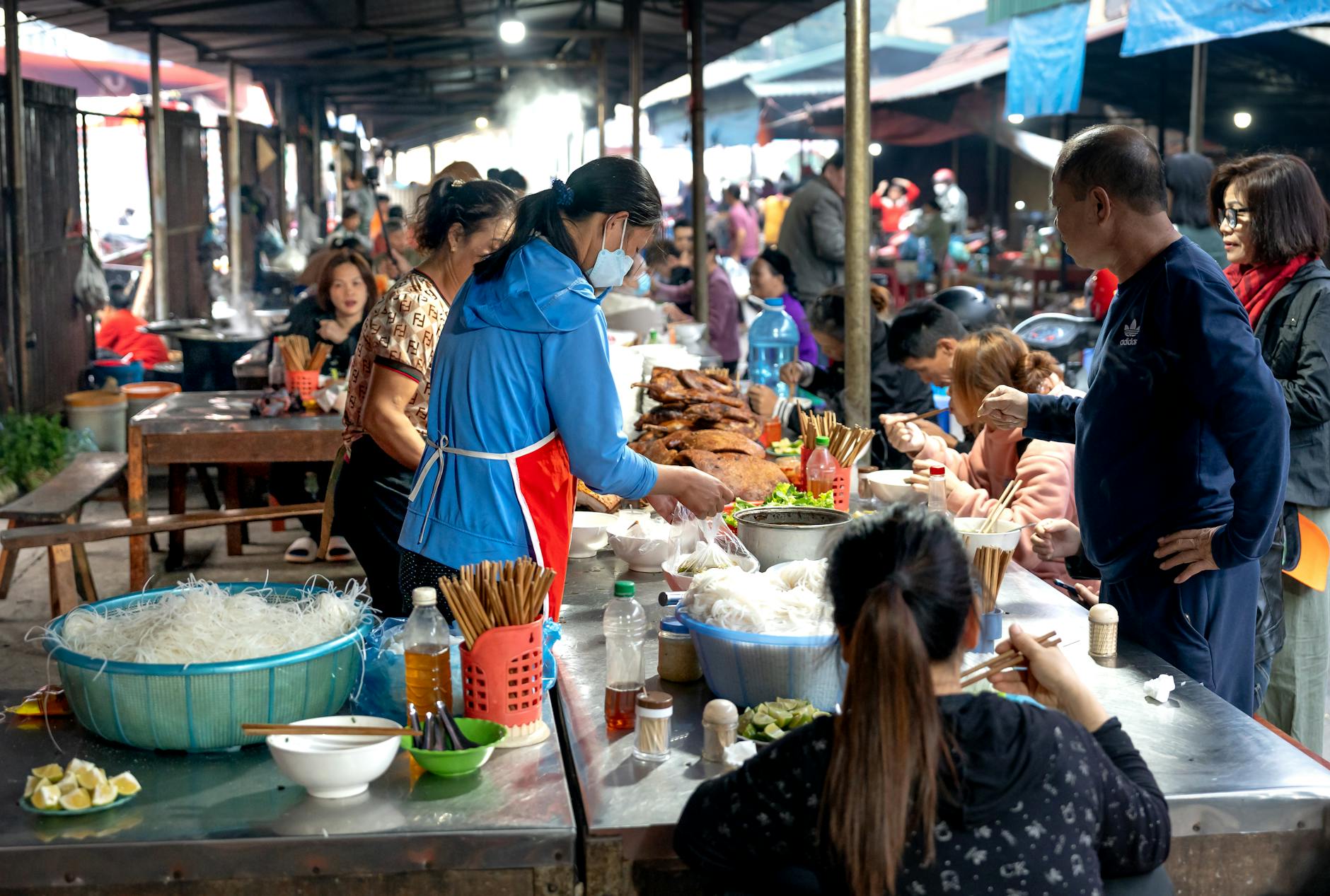
Street food (€2.50-7): Berlin’s signature budget meals are the döner kebab (€5-7) — available at thousands of Turkish restaurants and kebab shops citywide — and the currywurst (€3-5), Berlin’s iconic sliced sausage with curry-ketchup sauce. Konnopke’s Imbiss in Prenzlauer Berg (under the U-Bahn tracks, operating since 1930) is the most famous currywurst stand. Mustafa’s Gemüse Kebap on Mehringdamm in Kreuzberg draws legendary queues for its vegetable-loaded kebab. Falafel wraps run €4-5. Vietnamese bánh mì sandwiches are €4-6.
Market halls: Markthalle Neun in Kreuzberg hosts the popular “Street Food Thursday” with international food stalls — a fun, affordable way to eat well. Arrive early for the best selection.
Asian food: Berlin’s Vietnamese food scene is particularly strong (a legacy of the GDR’s guest worker program). Pho runs about €10-12 at popular spots like Monsieur Vuong or Hamy Café. Chinese dumplings are €7-8 for large portions. Asian food consistently offers the best quality-to-price ratio in the city.
Supermarkets: Germany’s discount supermarkets — Aldi, Lidl, and Penny Markt — offer remarkably low prices. A liter of milk is €0.70-1.00. You can assemble a full day’s meals from a supermarket for under €10. Rewe and Edeka are slightly pricier but offer wider variety. Most supermarkets close by 10 PM and are closed on Sundays — plan ahead.
Späti culture: Berlin’s late-night convenience stores (Spätis) sell beer for €1-3. Grab a couple of drinks, sit outside on the sidewalk, and socialize — it’s the cheapest night out in Berlin and a genuinely local experience.
Restaurant tips: Lunch menus (Mittagstisch) at sit-down restaurants often offer two courses for €8-12 — much cheaper than dinner. Turkish, Vietnamese, and Middle Eastern restaurants consistently offer the best value. Tipping is customary (5-10%) but not as aggressive as in North America.
For our complete guide, see Cheapest Places to Eat in Berlin.
Budget Accommodation
Berlin’s accommodation ranges from €15 hostel dorm beds to luxury hotels, but the sweet spot for budget travelers sits between €20-75 per night depending on your comfort requirements.

Hostels (€18-30/night for dorms): Berlin has a strong hostel scene. Circus Hostel near Rosenthaler Platz offers dorms from €19 and private rooms from €56 — it’s well-run and centrally located. Generator Berlin Mitte has dorms from €17.50 in a central location featuring artwork by street artist Thierry Noir. Wallyard Berlin in Moabit offers €18 dorms in an industrial-chic setting. Comebackpackers in Kreuzberg starts at €15/night, making it one of the cheapest options in the city. Other reliable choices include EastSeven, Wombats City, and The Circus (separate from Circus Hostel).
Budget hotels (€50-90/night): Chain options like a&o Hostels, Meininger Hotels, and The Social Hub Berlin (from €69) offer reliable, no-frills rooms. NH Hotels sometimes offers doubles from €75. Central budget hotels start around €60/night.
Best neighborhoods for budget stays: Friedrichshain offers the best combination of cheap hostels, nightlife, and central access. Neukölln has increasingly affordable options in a trendy, multicultural setting. Kreuzberg balances budget accommodation with vibrant street life. Wedding and Moabit are genuinely affordable local neighborhoods with growing restaurant scenes and good transit connections. Avoid Mitte and Charlottenburg if you’re strictly budget-focused.
For our complete accommodation guide, see Budget Accommodation in Berlin.
Free Walking Tours
Free walking tours are one of the best ways to experience berlin on a budget while getting oriented in the city. Multiple operators run daily tours on a tip-based model — the tour itself costs nothing, and you pay what you feel the experience was worth (€5-10 per person is a standard tip).
SANDEMANs New Europe Tours pioneered the free walking tour concept and remains one of the best operators in Berlin. They offer multiple routes: the main Free Tour of Berlin, a Jewish Berlin tour, and a Communist Berlin/Berlin Wall tour. Tours run multiple times daily.
Original Berlin Tours offers free walking tours alongside alternative tours and pub crawls, led by local licensed guides. Their coverage of street art and alternative culture is particularly strong.
Walkative! has been operating since 2007 across 20+ European cities. Their Berlin tours are led by licensed guides with a focus on engaging storytelling.
Generation Tours uses professional freelance local guides with deep knowledge of Berlin’s neighborhoods and history.
For our complete roundup, see Free Walking Tours in Berlin.
Money-Saving Tips from Locals
Beyond the obvious strategies, these insider tips can significantly stretch your budget.
Bring a reusable water bottle. Berlin’s tap water is safe, clean, and free. Most restaurants will serve tap water if you ask (say “Leitungswasser, bitte”), though some still default to bottled water, which costs €2-4. A reusable bottle saves €3-5 per day.
Shop at Turkish markets. The Turkish Market on Maybachufer (Tuesdays and Fridays) offers fresh produce, bread, cheese, olives, and prepared foods at prices well below supermarkets. It’s a cultural experience as much as a shopping trip.
Time your museum visits. Prioritize free-admission days: Technikmuseum on Fridays after 1 PM, International Museum Day in May, and the specific monthly free days at smaller institutions. Under-18s get into all State Museums free.
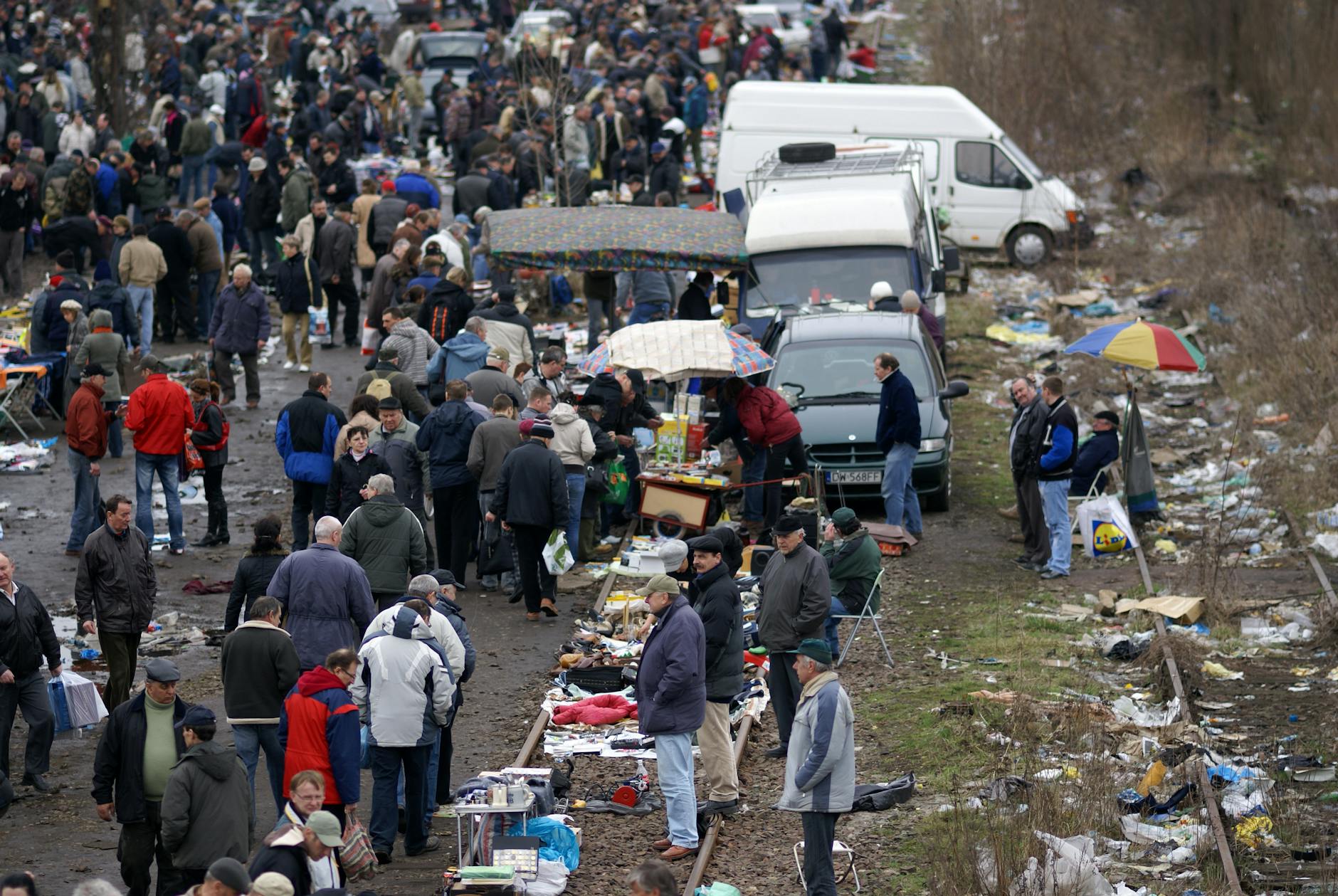
Use the Mauerpark Sunday ritual. The Mauerpark flea market (Sundays, 7 AM – 5 PM) combined with the outdoor karaoke session (starting around 3 PM) makes for a full, free day of entertainment. Browse vintage finds, eat street food from the surrounding stalls, and watch (or join) the karaoke.
Download the BVG app. Real-time transit information helps you avoid unnecessary trips and plan routes efficiently. It also shows the cheapest ticket option for your journey.
Cook breakfast. If your hostel has a kitchen, buying bread, cheese, and fruit from a supermarket for breakfast saves €4-8 per day versus eating out. German bakeries offer pastries and coffee for €3-5 if you prefer eating out but want to keep costs low.
Drink at Spätis, not bars. A beer at a bar costs €4-5. The same beer from a Späti costs €1-2. On warm evenings, locals drink outside Spätis as a social activity — it’s not a compromise, it’s Berlin culture.
Explore free cultural events. Berlin has free gallery openings (often with free drinks), free outdoor cinema screenings in summer, free concert series in parks, and countless impromptu cultural happenings. Check local listings sites for what’s on during your visit.
For our full collection of insider tips, see Berlin Money-Saving Tips.
Student Travel in Berlin
Berlin is one of Europe’s best cities for student travelers, and students will find that berlin on a budget is especially achievable with the right discounts. Bring a valid ISIC card (International Student Identity Card) or your university student ID — many museums offer 50% discounts for students. The Berlin school student ticket provides free travel for enrolled Berlin school students. University students with semester tickets (~€200-250/semester) get unlimited BVG access. The Deutschlandticket at €59/month covers all local transport nationwide — worth considering for longer stays.
For our complete student guide, see Berlin Student Travel Guide.
Sample Budget Itineraries
The €40/day plan (3 days): Hostel dorm (€20), supermarket breakfast + street food lunch + döner dinner (€12), 24-hour transit pass (€10). Visit: East Side Gallery, Brandenburg Gate, Reichstag dome, Holocaust Memorial, Tiergarten, Mauerpark, Topography of Terror, Tränenpalast, Tempelhofer Feld — all free.
The €70/day plan (4 days): Budget private room (€45), mix of street food and casual restaurants (€18), WelcomeCard transport (€8/day averaged), one paid museum per day (€5 averaged with discounts). Adds: Museum Island, DDR Museum, Charlottenburg Palace, Berlin TV Tower.
The €100/day plan (5 days): Mid-range hotel (€65), restaurants for lunch and dinner (€25), Museum Pass + transit (€12/day averaged), evening entertainment (€10). A comfortable trip with no significant compromises.
One of the best-value sights in Berlin is the view from the top deck of a public bus. Routes 100 and 200 pass the Victory Column, the Reichstag, Unter den Linden, Potsdamer Platz and Alexanderplatz on an ordinary €4.00 ticket, while the sightseeing buses charge from €28.50. Our hop-on hop-off Berlin guide does the full comparison.
Explore Budget Berlin in Depth
This berlin on a budget guide covers the essentials. For detailed planning on specific topics, explore our specialized guides:
- How Much Does Berlin Cost Per Day — Detailed daily budget breakdown with calculator
- Free Attractions in Berlin — Complete list of free things to do
- Berlin Welcome Card — Is It Worth It? — Detailed pass comparison and analysis
- Cheapest Places to Eat in Berlin — Street food, markets, and budget restaurants
- Budget Accommodation in Berlin — Hostels and hotels under €50/night
- Free Walking Tours in Berlin — Best tour operators and routes
- Berlin Money-Saving Tips — Local secrets for stretching your euros
- Berlin Student Travel Guide — Discounts and deals for students