5 Days in Berlin: Complete Itinerary with Day Trip and Rest Day (2026)
A five-day Berlin itinerary that covers the historic spine, Cold War sites, a Potsdam day trip, and a deliberate rest day in Tempelhofer Feld and Neukölln. With pass-math, 2026 closures, and day-of-week notes.
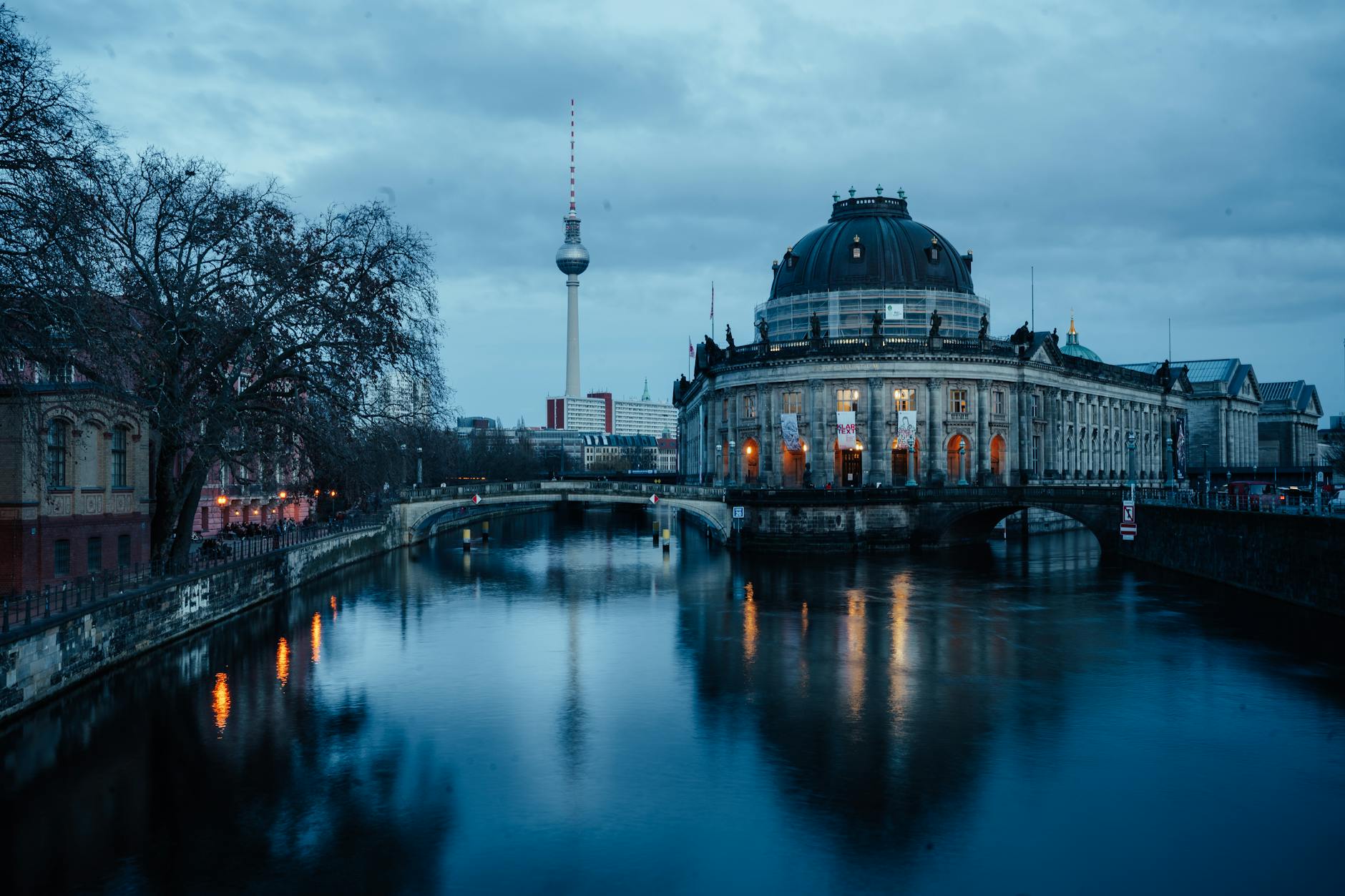
Five days in Berlin is, in my book, the right length for a first trip. Three days lets you see the city’s public face. Five lets you feel it. You get the historic Mitte spine, the Cold War narrative, a day trip outside the city, and — critically — at least one slower day where you’re not chasing monuments. It’s also the length at which a flat-rate pass starts to matter, so the math below is worth running before you book.
The five-day plan below assumes morning arrival on Day 1 and evening departure on Day 5, with one day trip to Potsdam (you can swap in Sachsenhausen — see notes). It deliberately ends with a “real rest day” instead of a third historic one.
The Pass Math, Honestly
Five days is where ticket strategy starts paying off if you do it right. The candidates:
Berlin WelcomeCard 5-day AB: €53.50, includes 5 days of unlimited AB transit plus 25–50% discounts at 170+ attractions and businesses. The ABC version, which covers the S7 to Potsdam, is €59.50.
Museum Pass Berlin: from €32 for 3 consecutive calendar days, 30+ museums and exhibitions including the open Museum Island houses (the Pergamonmuseum is closed), Hamburger Bahnhof and Berlinische Galerie. No transit included.
VBB 24-hour ticket: €11.20 AB. BVG no longer sells a 7-day ticket, so for transit alone, weigh a few of these against the CityTourCard, the WelcomeCard or the Deutschlandticket.
The best five-day combination, in most cases, is the Museum Pass (from €32) for the three museum-heavy days plus a separate transit ticket: 24-hour tickets on the days you ride most, or a CityTourCard to cover the whole stay. The WelcomeCard makes sense if your discount-attractions overlap heavily with what you were planning anyway (e.g., it covers a hop-on/off boat or Trabi Safari you wanted to book).
2026 closure to factor in: Pergamon Museum is closed until June 4, 2027 (Altar wing) and beyond for the Babylon Processional Way. Most older guides still anchor Day 1 around Pergamon. Don’t. The Neues Museum (Nefertiti) and Alte Nationalgalerie now carry the Museum Island day.
Day 1 — Mitte Historic Core (Arrival Day, Light Touch)
If you’ve landed in the morning, drop bags, shower, and resist the urge to nap until at least 9 p.m. (this is your one shot at beating jet lag). The Day 1 plan is deliberately light to give you slack.
Afternoon: Brandenburg Gate → Memorial to the Murdered Jews of Europe (Information Center if it’s not Monday) → walk down Wilhelmstraße noting the photo-pavement markers → Topography of Terror (free, daily 10:00–20:00; allow 90 minutes) → Checkpoint Charlie photo. Stop at Augustiner am Gendarmenmarkt for an early dinner and a Helles. Walk through Bebelplatz (Empty Library under glass) and Unter den Linden. End at Lustgarten with the Berliner Dom floodlit. Be in bed by 10 p.m.
Day 2 — Reichstag Morning, Museum Island Afternoon, Sunset at the Spree
9:30 a.m. — Reichstag dome, your pre-booked slot (book at visite.bundestag.de as early as you can; if places remain, you can also register in person at the service center on Platz der Republik at least two hours ahead). 60 minutes. Norman Foster’s spiraling ramps and the mirrored cone at the dome’s center get you a 360° rooftop view and an audio guide that’s better than the one most museums provide.
11:30 a.m. — Walk to Gendarmenmarkt for coffee (the Konzerthaus steps are an underrated free seat). Optional stop at St. Hedwig’s Cathedral (Bebelplatz) for the radical interior redesigned between 2018 and 2024: a dome-crowned central space with the altar placed at its center.
1:00 p.m. — Lunch at Lutter & Wegner (Gendarmenmarkt — historic, hearty, splashy) or Borchardt (the Wiener schnitzel destination).
2:30 p.m. — Museum Island, day one of your three-day Museum Pass. Neues Museum first (Nefertiti, the Berlin Gold Hat, allow 2 hours), with the Alte Nationalgalerie after the Dom for the permanent collection, Friedrich and Menzel among it (60 minutes).
4:30 p.m. — Berliner Dom — straight from the Neues Museum, since last admission is usually 17:00. The crypt reopened on 1 March 2026, and the dome walk (270 steps) ends in panoramic views. €15, dome walk included.
7:30 p.m. — Dinner at Hackescher Markt. Hackescher Hof (long-running brasserie) or Das Lemke, the former Brauhaus Lemke, under the S-Bahn arches on Dircksenstraße (brewery + sausages).
Day 3 — Cold War Spine, Kreuzberg Food, East Side Gallery Golden Hour
Day 3 is the city’s heaviest emotional day, so plan a longer dinner with one good bottle of wine afterward to decompress.
9:30 a.m. — Berlin Wall Memorial at Bernauer Straße. The memorial keeps a preserved section of the former border fortifications, with a Documentation Center to explain them. Most three-day itineraries skip this in favor of East Side Gallery’s photo wall. Five-day visitors should not. Admission is free; this plan gives it 90 minutes.
11:30 a.m. — Tränenpalast (“Palace of Tears” at Friedrichstraße station — the former East-West border crossing for day visitors, with a deeply moving free exhibition on the divided city’s day-to-day reality). 45 minutes, free.
1:00 p.m. — Lunch at Curry 36 + Mustafa’s Gemüse Kebap (Mehringdamm 36 and Mehringdamm 33). The classic Berlin paired pilgrimage. Eat one of each.
2:30 p.m. — Jewish Museum. Daniel Libeskind’s building, where the core exhibition is free (temporary exhibitions in the Old Building €10, reduced €4); allow 2 hours. The Memory Void and Garden of Exile are the photographic moments; the permanent exhibition runs from medieval Ashkenazi life to the present.
5:00 p.m. — Berlinische Galerie (right next door, included in your Museum Pass). Art made in Berlin from 1870 to the present — the city as artistic subject. Underrated. 60 minutes.
6:30 p.m. — East Side Gallery west-to-east at golden hour. Cross at Oberbaumbrücke. 60 minutes.
8:30 p.m. — Dinner in Friedrichshain. Schneeweiß for modern Alpine, Lemon Leaf for Vietnamese.
Day 4 — Day Trip to Potsdam (or Sachsenhausen)
The fourth day belongs outside the city. The default choice is Potsdam — the Hohenzollern royal seat, about 35 minutes by S7 from Hauptbahnhof (Zone ABC ticket required, €5 single). It’s the right call for first-timers: Sanssouci Park’s palaces and gardens are the most concentrated Baroque-to-Rococo ensemble in northern Europe, Cecilienhof staged the 1945 Potsdam Conference, and the Dutch Quarter sits in the middle of town.
The full plan: S7 from Friedrichstraße (~38 min) or Hauptbahnhof (~35 min) to Potsdam Hauptbahnhof → bus 695 to Sanssouci → walk Sanssouci Park starting at the Palace’s terraced vineyards → Neues Palais at the park’s western end (or Chinese House if you want shorter walking) → lunch at Friedrich-Wilhelm → afternoon coffee in the Dutch Quarter → return by 19:00 for an early Berlin dinner. Read our full Potsdam day-trip guide for the timed-entry strategy and ticket combinations.
Sachsenhausen alternative. If you want the heavier 20th-century narrative — and you’re willing to commit a full day to a concentration camp memorial — Sachsenhausen is 45 minutes by S1 from Friedrichstraße to Oranienburg, then a 20-minute walk. Free entry, allow 4 hours on site. Our Sachsenhausen guide covers what to expect and how to prepare. Visit on Day 4 if you’ve structured Day 3 lighter than mine.
Spreewald alternative. If the weather is good and you want a punt boat rather than a memorial, the Sorbian-speaking Spreewald is one of Europe’s loveliest summer day trips. The RE2 to Lübbenau puts you on the canal network where Kahnfähren punt traditional flat boats. Until 12 December 2026 it is diverted via Gesundbrunnen, Ostkreuz and Schöneweide and skips Hauptbahnhof and Friedrichstraße, so board at one of those three and check the journey planner for the trip time. Read our Spreewald guide.
Day 5 — Rest Day with Real Texture (Don’t Skip This)
This is the day most five-day itineraries get wrong. They try to cram a third historic day on. By Day 5 you’ll be saturated. The right call is to anchor in a neighborhood, walk slowly, eat well, and end with a rooftop sunset.
10:00 a.m. — Brunch in Prenzlauer Berg. Anna Blume (Kollwitzstraße) for the famous breakfast tower, Café Liebling for a less-touristed local, or Bonanza Coffee Roasters (Oderberger Straße) for third-wave coffee at the source.
12:00 p.m. — Tempelhofer Feld. The former airport (closed 2008) turned 300-hectare park. The two original runways are now bike-and-roller-skate strips; the open expanse is so vast you’ll forget you’re in a major European city. Rent a bike at Tempelhof or Schöneberg and ride the 3.7-mile loop. If you want context, take a Tempelhof Airport guided tour (€17.50, about two hours, with separate German and English tours). Two hours minimum.
3:00 p.m. — Coffee and a stroll in Neukölln. Walk north from Tempelhofer Feld into Neukölln’s café-dense streets — Weserstraße, Sanderstraße, Reuterkiez. The Barn on Lobeckstraße, Five Elephant on Reichenberger, or Father Carpenter back in Mitte if you’ve drifted west.
5:30 p.m. — Klunkerkranich. Atop the Neukölln Arcaden parking garage (5th-floor escalator, then the rooftop). Admission runs €3–9 depending on the program and when you arrive. Sunset views west across Tempelhofer Feld with a beer and a DJ set. The most Berlin thing you’ll do all week.
8:00 p.m. — Final dinner. For something memorable, the two-Michelin-starred Horváth on Paul-Lincke-Ufer (book at least 3 weeks ahead). For something casual that feels like locals’ Berlin: Eins44 (neighborhood spot in a former distillery), or Sing Blackbird for vintage-vegan vibes.
What I Deliberately Left Out, and Why
Five days is enough to leave things out without guilt. Here’s what I cut and the rationale.
Charlottenburg Palace. Beautiful, but on the wrong side of the city for a tightly-paced five-day plan. Add it to a seven-day plan or substitute on Day 4 if you’re skipping the day trip (you shouldn’t).
Stasi Museum and Hohenschönhausen Prison. Both are essential for serious Cold War interest, but they’re easterly Lichtenberg sites that demand half a day each. They belong on a history-focused itinerary — see our history walking tour itinerary.
Hamburger Bahnhof and serious contemporary-art collections. If you’re an art-first traveler, our art and culture itinerary replaces Day 5’s Tempelhof slot with a deep Moabit gallery day.
Berghain and serious clubbing. If a club night is essential, drop Day 5’s early dinner and head out at midnight from Klunkerkranich straight to Tresor (35th anniversary year in 2026), ://about blank, or Sisyphos. Our food and nightlife itinerary covers the club-night logistics in depth.
Day-of-Week Adjustments
Five days will inevitably include at least one Sunday and one Monday — both of which need adjustments.
If Day 2 (Museum Island) falls on Monday: Swap with Day 3 (Cold War, mostly outdoor). The Reichstag, Topography of Terror, Bernauer Str. Memorial, and East Side Gallery are all open Mondays.
If Day 5 (rest day) falls on Sunday: Add a Mauerpark flea-market detour in the morning before brunch. Sunday’s also Bearpit Karaoke day in the amphitheater: sessions are advertised from May to October at 15:00, weather permitting.
Thursday in town? Move dinner on Day 3 to Markthalle Neun’s Street Food Thursday (17:00–22:00; the city’s best multi-vendor evening, ~€10–15/plate).
Seasonal Notes
This five-day plan works year-round but reads differently across seasons. Spring (April–May) lines up with Gallery Weekend Berlin (30 April–2 May 2027, around 50 galleries opening exhibitions at once) — slot the gallery day in if you’re here. Summer (June–August) is the open-air club season — Sisyphos’s outdoor courtyard, Wilde Renate’s garden, the Spree-side beach bars. Autumn (September–November) hits Berlin Art Week and the Festival of Lights. Winter (December–January) is Christmas markets + the New Year’s Eve Brandenburg Gate party. Our spring, summer, autumn, and winter guides go deeper.
Where to Stay for a Five-Day Berlin Trip
Five-day trips suit a base near a U-Bahn that runs both north-south and east-west — most of this itinerary radiates from Mitte, Kreuzberg, and Friedrichshain. The neighborhoods I’d recommend, in order of “first-time visitor balance”: Mitte (closest to the spine; pricier; quietest at night), northern Kreuzberg / Bergmannkiez (calmer, café-dense, good base for the Cold War day), Prenzlauer Berg (residential, brunch-friendly, slightly further from the historic core), and Friedrichshain near Boxhagener Platz (younger, livelier, closer to East Side Gallery).
Hotel brands worth flagging: 25hours Hotel Bikini Berlin (rooftop Monkey Bar, Charlottenburg with U-Bahn access), Hotel Oderberger (Prenzlauer Berg’s restored 19th-century swimming pool, now a hotel with the pool still functioning), and Michelberger Hotel (Warschauer Straße, the East-side hipster pick).
Money, Connectivity, and Other Practical Threads
Cash matters more in Berlin than in most Western European capitals. Many cafés, Spätis, currywurst stands, kebab shops, and clubs are still cash-only — Berghain notoriously so. Carry €50–100 in small notes daily. Card acceptance has improved, but don’t assume.
For data, EU travelers roam free. Non-EU travelers should buy a Telekom or O2 prepaid SIM at any Hauptbahnhof kiosk (Telekom advertises 20 GB for €9.95 per four weeks), or set up an eSIM with Airalo before flying. Reichstag dome WiFi is reliable; café WiFi is hit-or-miss.
Tipping in Berlin: round up at cafés (€8.50 → €9), and around 5–10% is the usual tip at restaurants. Tour guides expect €5–10 per person on a “free” walking tour.
The Honest Endgame
Five days lets you do Berlin’s monuments and its texture. You’ll have the Holocaust Memorial photo and the Reichstag dome and the East Side Gallery murals, all of which everyone has. But you’ll also have a slow afternoon at Tempelhofer Feld with a coffee and a rented bike and that’s the day you’ll remember.
If you’re already planning for return — and most five-day visitors are by Day 4 — our seven-day itinerary adds a second day trip and a serious art-and-culture day. If you’d rather plan around a theme next time, see the history walking itinerary, the art and culture itinerary, or the food and nightlife deep dive.