Berlin Itinerary: How to Plan 1 to 7 Days (2026)
Plan your perfect berlin itinerary — day-by-day guides for 1, 3, 5, and 7 days including must-see landmarks, neighbourhood tips, themed itineraries, and practical planning advice.
Berlin Itinerary: How to Plan the Perfect Trip
Planning a berlin itinerary is both exciting and overwhelming. The city is vast — spread across 891 square kilometres with attractions scattered across distinct neighbourhoods rather than concentrated in a single historic centre. Unlike Paris or Rome, where most landmarks cluster within walking distance, Berlin demands strategic planning to avoid spending half your trip on public transport.
The good news: Berlin rewards every trip length. One day gives you the headline landmarks. Three days lets you explore the major neighbourhoods and museums. Five days opens up the alternative scene, food culture, and a day trip. A full week means you can do it all without rushing. This berlin itinerary guide covers every scenario — from a packed single day to a leisurely week — with practical tips on how to group sights by neighbourhood, when to book in advance, and how to balance must-sees with the spontaneous discoveries that make Berlin special.
The key principle behind any good berlin itinerary is neighbourhood grouping. Berlin’s attractions are naturally clustered by district, and the most efficient (and enjoyable) approach is to dedicate blocks of time to one area rather than criss-crossing the city.
How Many Days Do You Need in Berlin?
The honest answer depends on what kind of traveller you are, but here’s a realistic breakdown:
- 1 day — Enough for the landmark highlights (Brandenburg Gate, Reichstag, Berlin Wall, Museum Island exterior, Checkpoint Charlie). You’ll be rushing, but you’ll see the icons.
- 2–3 days — The minimum for a satisfying first visit. You can properly explore Mitte, visit 2–3 museums, see the major historical sites, and get a taste of at least one residential neighbourhood.
- 4–5 days — The sweet spot for most visitors. Time to explore multiple neighbourhoods in depth, visit world-class museums without rushing, eat well, experience the nightlife, and take a day trip.
- 6–7 days — Ideal for going deep. Multiple day trips, niche museums, neighbourhood exploration, food tours, and the kind of unstructured wandering that reveals Berlin’s true character.
For first-time visitors, we recommend 4–5 days as the ideal berlin itinerary length.
One Day in Berlin: The Essential Highlights
If you only have 24 hours, this berlin itinerary focuses on the landmarks and experiences that define the city. It’s a long day, but it covers the essentials.
Morning: Mitte’s Historic Core
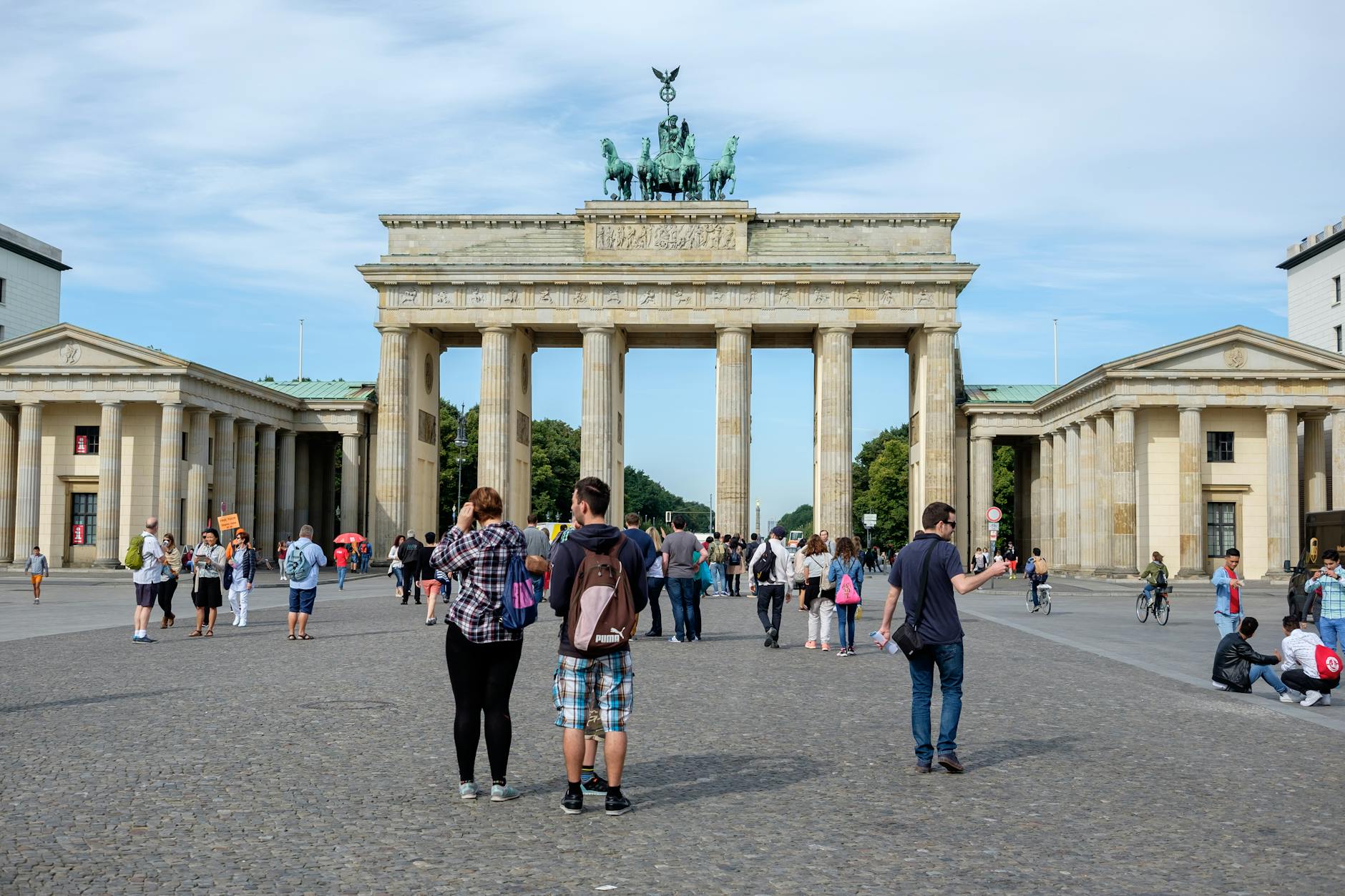
Start at the Brandenburg Gate (Brandenburger Tor) — Berlin’s most iconic landmark and the symbol of German reunification. From here, walk east along Unter den Linden, Berlin’s grand boulevard, passing the Humboldt University, the Staatsoper, and the Neue Wache memorial. Continue to Museum Island for an exterior circuit of the five UNESCO-listed museums (if you have time for one museum, choose the Pergamon or the Neues Museum).
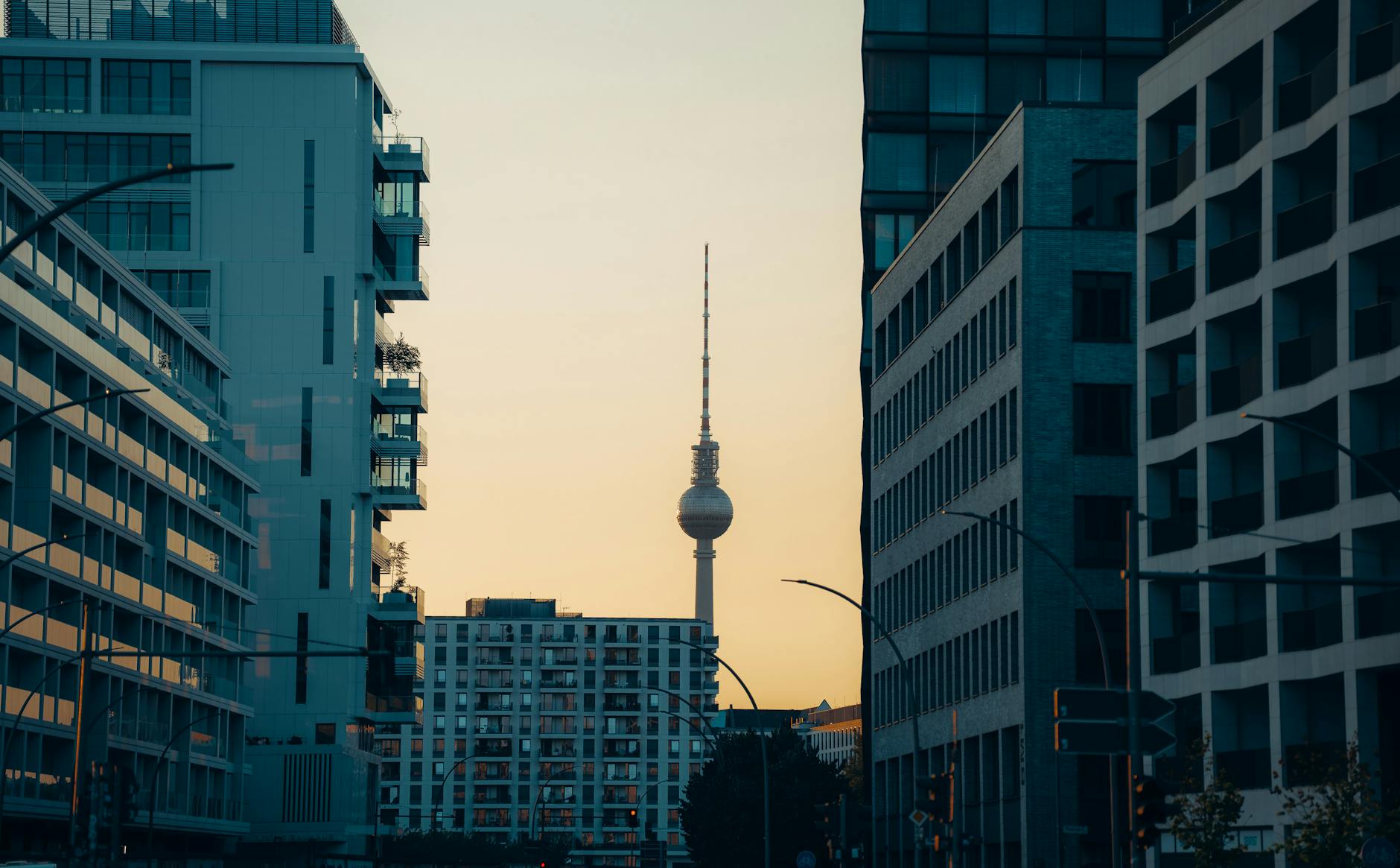
Cross to Alexanderplatz and the Fernsehturm (TV Tower). If you’ve pre-booked tickets, the panoramic views from 203 metres are the fastest way to understand Berlin’s geography. Book the early-morning slot to minimise queues.
Midday: The Wall and Cold War
Head south to Checkpoint Charlie — the famous Cold War crossing point between East and West Berlin. The open-air exhibition along Zimmerstraße provides excellent context. Continue to the Topography of Terror, a free outdoor and indoor exhibition on the site of the former Gestapo and SS headquarters. It’s one of Berlin’s most powerful historical sites and requires no admission fee.
Afternoon: Memorial and Culture
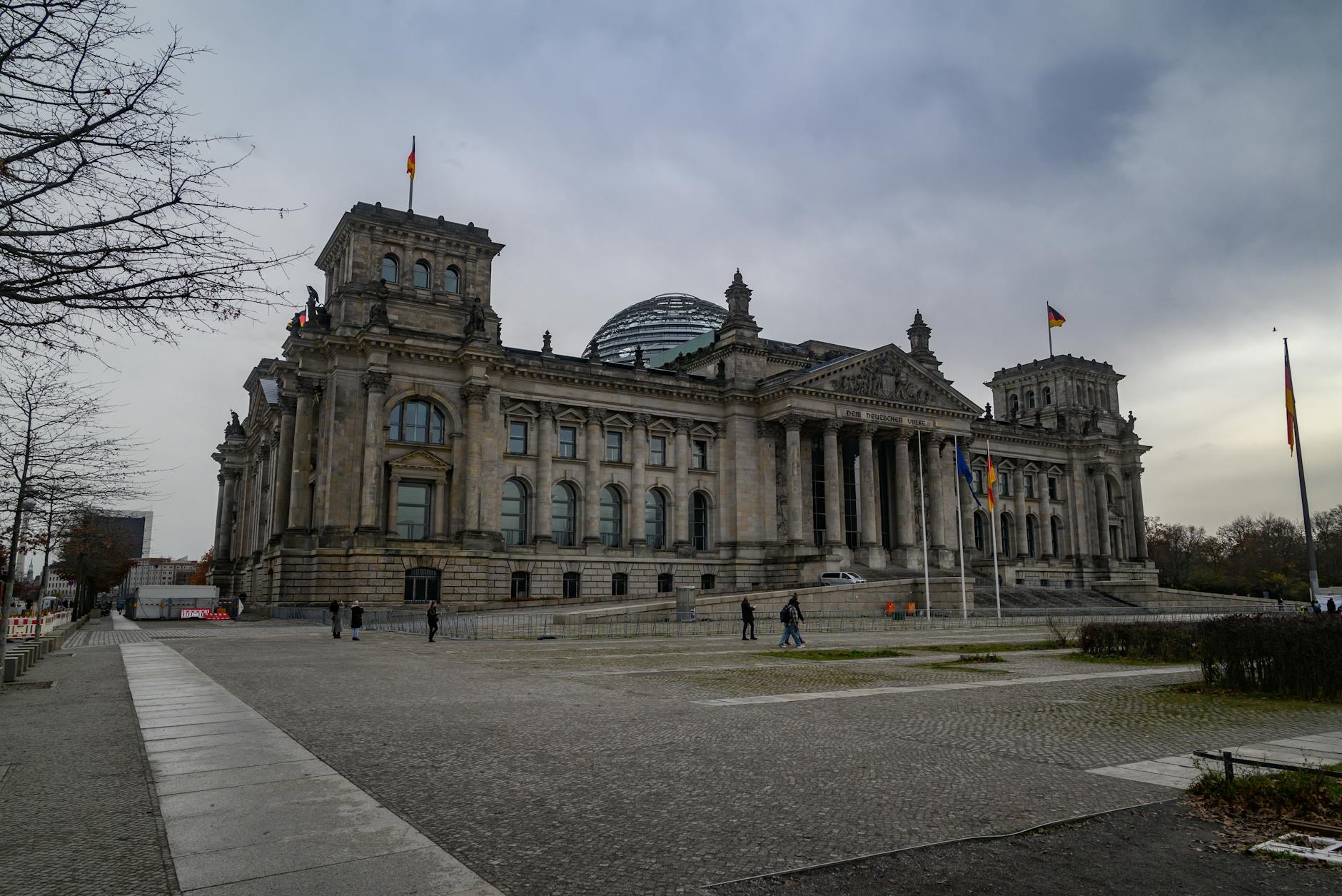
Walk north to the Holocaust Memorial (Memorial to the Murdered Jews of Europe) — 2,711 concrete stelae in a wave-like field near the Brandenburg Gate. The underground information centre (free) personalises the memorial with individual stories. Nearby, visit the Reichstag building and its glass dome — advance registration (free) is essential as walk-ins are rarely possible.
Evening: Neighbourhood Flavour
End your one-day berlin itinerary with dinner in either Prenzlauer Berg (relaxed café culture, family atmosphere) or Kreuzberg (multicultural food scene, vibrant street life). Both neighbourhoods give you a taste of Berlin beyond the tourist landmarks and are easily reached by U-Bahn.
Three Days in Berlin: The Ideal First Visit
A three-day berlin itinerary gives you time to move beyond the highlights into the experiences that make Berlin genuinely memorable.
Day 1: Mitte — History and Landmarks
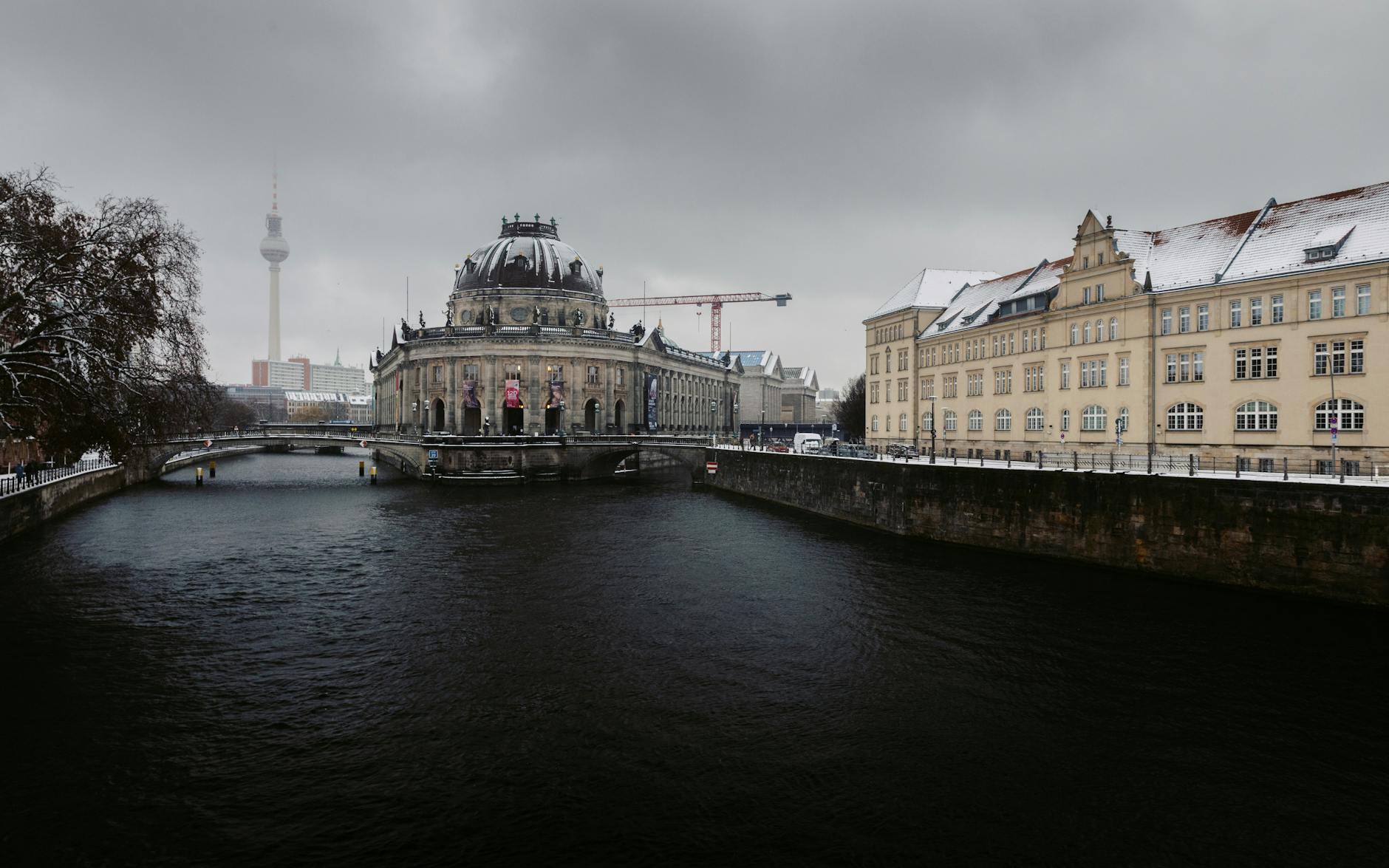
Follow the one-day itinerary above but at a more relaxed pace. Add the Berlin Wall Memorial on Bernauer Straße (the most comprehensive Wall memorial, with preserved sections, a documentation centre, and a viewing tower). Spend a full 2–3 hours at Museum Island — the Pergamon Museum’s Ishtar Gate and the Neues Museum’s bust of Nefertiti are world-class treasures (see our Berlin museums guide for full details).
Day 2: Kreuzberg, Friedrichshain, and the East
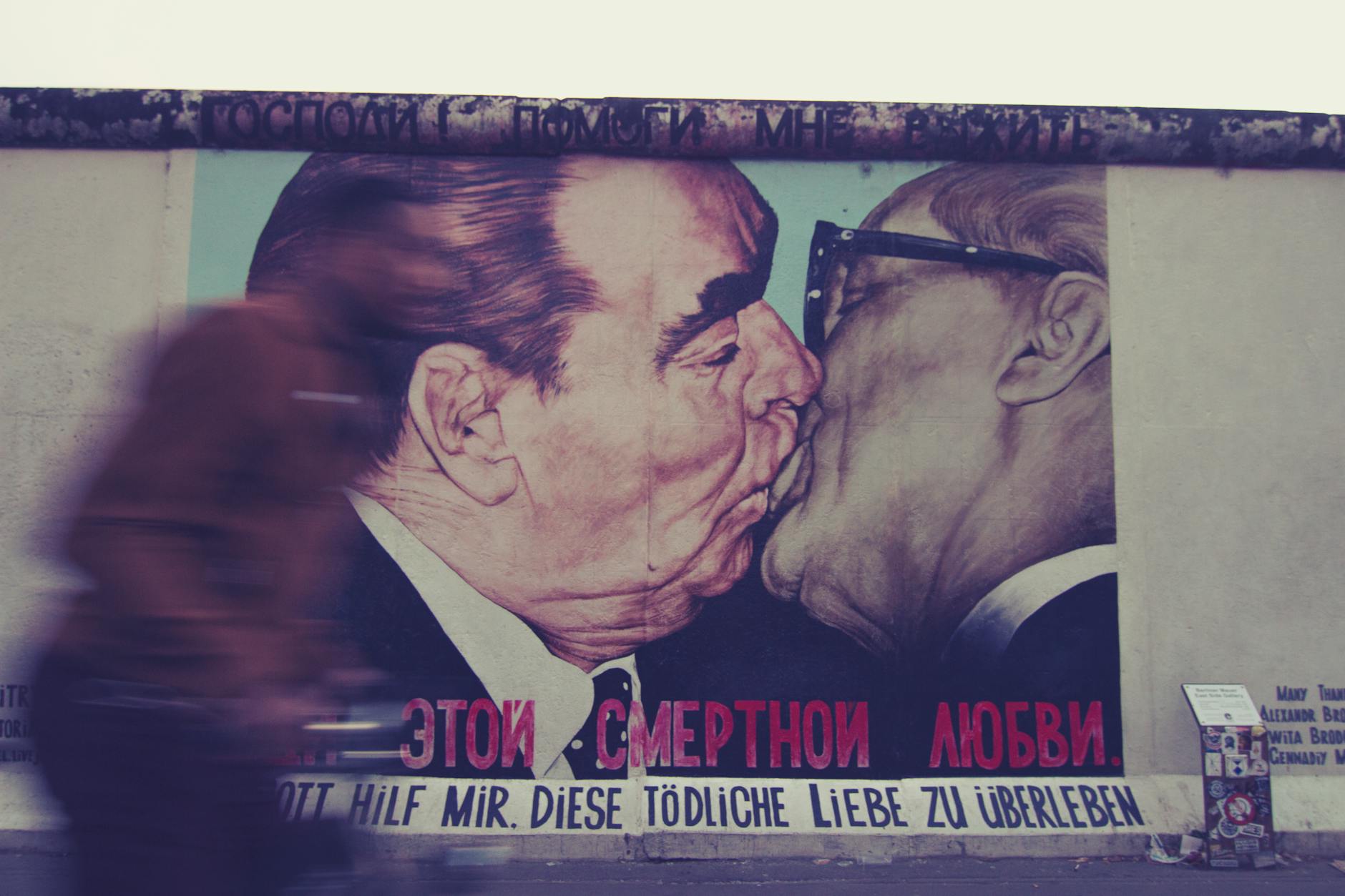
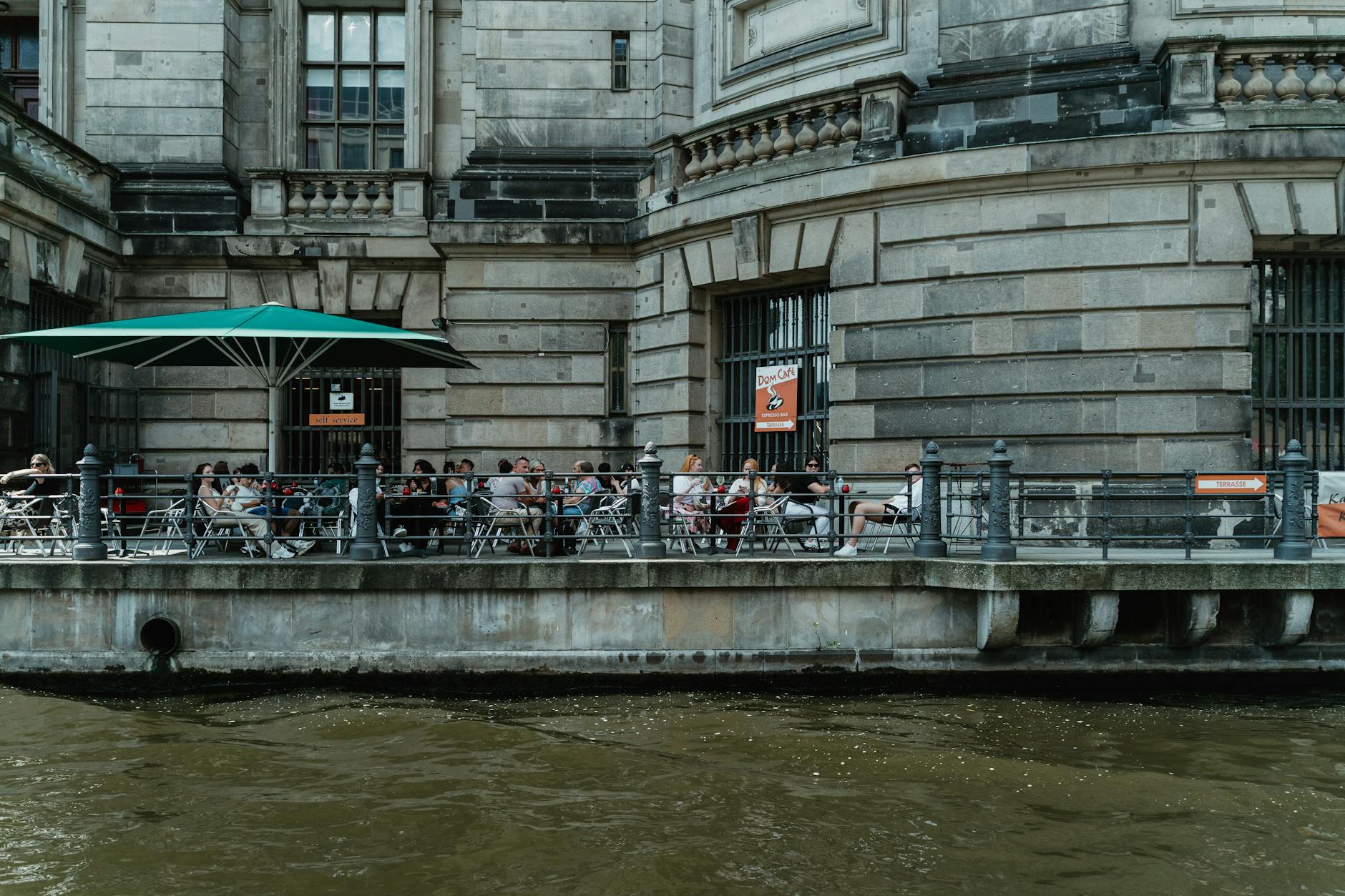
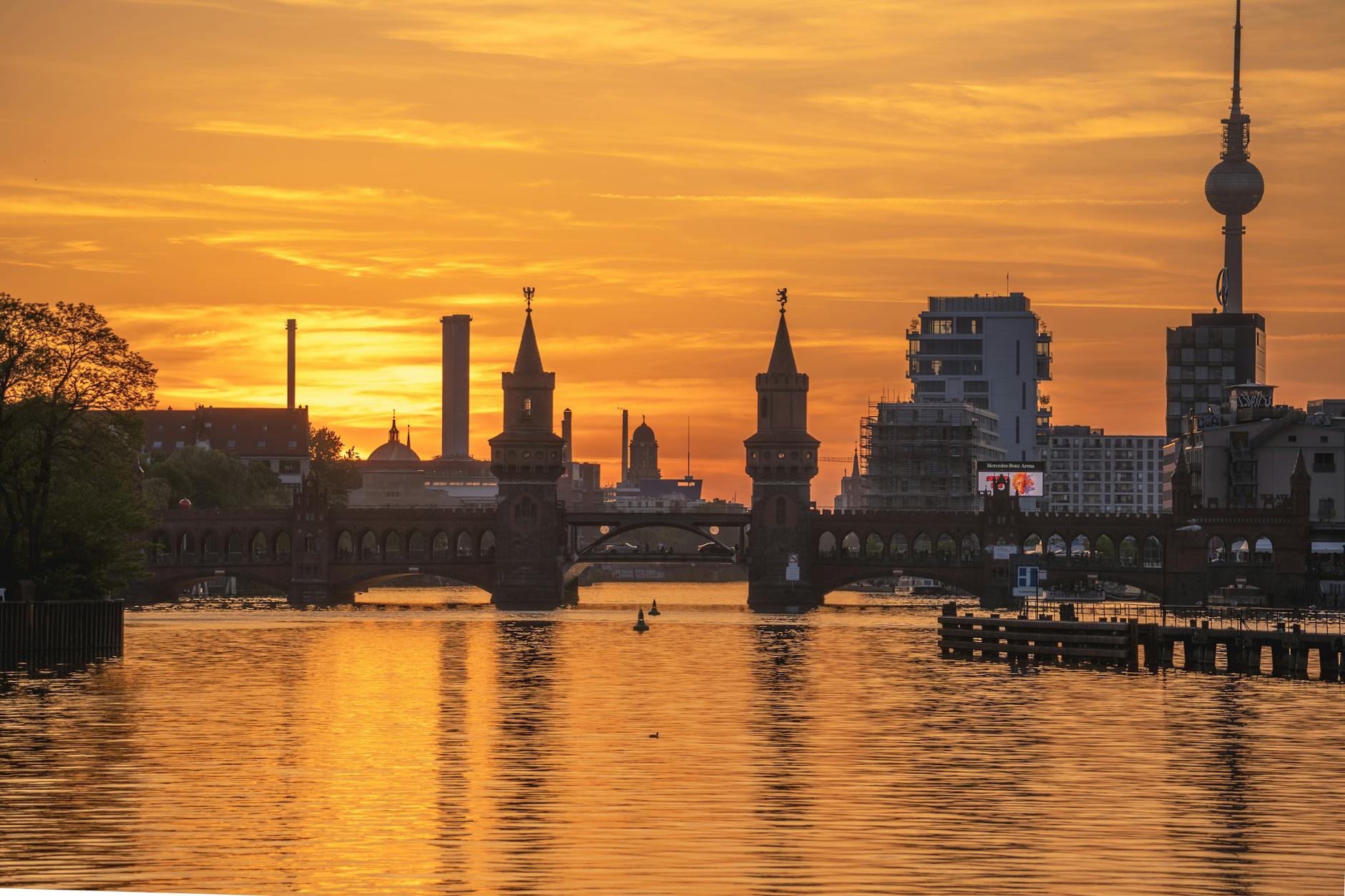
Morning at the East Side Gallery — the longest surviving stretch of the Berlin Wall, now an open-air gallery of 100+ murals. Walk along the Spree river to the Oberbaumbrücke, one of Berlin’s most photogenic bridges. Cross into Kreuzberg for lunch at Markthalle Neun or a döner kebab (Berlin’s signature street food — check our Berlin food guide for recommendations).
Afternoon exploring Kreuzberg: the Türkischer Markt (Tuesdays/Fridays), the street art around Görlitzer Park, and the canal-side walks along the Landwehr Canal. If it’s a Thursday, the Markthalle Neun Street Food market runs in the evening. Alternatively, explore Friedrichshain’s vintage shops and vibrant Simon-Dach-Straße for dinner.
Day 3: Charlottenburg and West Berlin
Morning at Schloss Charlottenburg — Berlin’s largest palace, with opulent state rooms and beautiful baroque gardens. The palace museum and the adjacent collections (Berggruen Museum for Picasso, Scharf-Gerstenberg for surrealism) can fill a morning. Walk or take the bus to Kurfürstendamm for lunch and an afternoon exploring West Berlin’s shopping scene — KaDeWe’s food hall alone deserves an hour. End at the Kaiser Wilhelm Memorial Church (Gedächtniskirche), whose bomb-damaged spire is one of Berlin’s most striking landmarks.
Five Days in Berlin: The Complete Experience
Five days is the sweet spot for a berlin itinerary that balances sightseeing with genuine immersion. Add these two days to the three-day plan above.
Day 4: Museums, Culture, and Prenzlauer Berg
Dedicate a morning to one of Berlin’s outstanding museums beyond Museum Island. The Deutsches Technikmuseum (Technology Museum) in Kreuzberg is exceptional, especially for families. The Gemäldegalerie at the Kulturforum houses one of Europe’s finest Old Master painting collections. Or visit the Jewish Museum — Daniel Libeskind’s zinc-clad building is as powerful as the exhibitions inside.
Afternoon in Prenzlauer Berg: walk Kastanienallee and Schönhauser Allee for boutique shopping, stop at a café on Kollwitzplatz, and visit the Kulturbrauerei (a converted brewery complex with galleries, cinemas, and events). If it’s Sunday, the Mauerpark flea market and its famous Bearpit Karaoke amphitheatre are unmissable.
Day 5: Day Trip
Use your fifth day for a day trip from Berlin. Our top recommendation for first-timers is Potsdam — just 25 minutes by S-Bahn, with the UNESCO-listed Sanssouci Palace and park, the charming Dutch Quarter, and Cecilienhof Palace. For history-focused visitors, Sachsenhausen Memorial (45 minutes) provides essential context to Berlin’s 20th-century story. Nature lovers should head to the Spreewald for canal boat rides through ancient forests.
Seven Days in Berlin: Going Deep
A full week lets you experience Berlin like a temporary local rather than a tourist. Add these explorations to the five-day berlin itinerary.
Day 6: Alternative Berlin and Neighbourhood Exploration
Spend a day in Berlin’s alternative scenes. Morning at the Urban Nation Museum for street art, then explore Neukölln — Berlin’s most rapidly evolving neighbourhood, with Weserstraße’s bar scene, the Schiller Market, and a genuine multicultural atmosphere. Afternoon in Wedding, an up-and-coming neighbourhood with artist studios, the Labyrinth Kindermuseum, and excellent African and Middle Eastern food.
Day 7: Second Day Trip or Deep Dive
Either take a second day trip — Dresden (2 hours, baroque architecture), Leipzig (1.5 hours, culture and revolution history), or Saxon Switzerland (dramatic rock formations) — or spend your final day doing a deep dive on a specific interest. Berlin’s Cold War history alone can fill a day: Stasi Museum, Palace of Tears, Spy Museum, and the former Tempelhof Airport. Foodies can dedicate a day to market-hopping and restaurant exploration.
Themed Berlin Itineraries
Berlin History Itinerary
For visitors focused on Berlin’s extraordinary history, this berlin itinerary prioritises the city’s most important historical sites: Day 1 — Prussian Berlin (Museum Island, Unter den Linden, Gendarmenmarkt, Charlottenburg Palace). Day 2 — Nazi and Holocaust history (Topography of Terror, Holocaust Memorial, Sachsenhausen day trip). Day 3 — Cold War and divided Berlin (Berlin Wall Memorial, East Side Gallery, Checkpoint Charlie, Stasi Museum, Tempelhof). Day 4 — Reunification and modern Berlin (Reichstag, Potsdamer Platz, German Historical Museum, Potsdam/Cecilienhof).
Berlin Art and Culture Itinerary
Art lovers need a different berlin itinerary: Day 1 — Museum Island and the Gemäldegalerie. Day 2 — Contemporary art (Hamburger Bahnhof, KW Institute, gallery district in Mitte). Day 3 — Street art tour in Kreuzberg and Friedrichshain, East Side Gallery, Urban Nation Museum. Day 4 — Performing arts (Staatsoper, Berliner Philharmonie, or a night at one of Berlin’s legendary clubs).
Berlin Food and Nightlife Itinerary
Build your berlin itinerary around the stomach: Day 1 — Classic Berlin food (currywurst, döner, Berliner Weisse, KaDeWe food hall). Day 2 — Market day (Markthalle Neun, Türkischer Markt, Winterfeldtplatz). Day 3 — International Berlin (Neukölln’s global dining scene, Vietnamese in Prenzlauer Berg, Middle Eastern in Kreuzberg). Evening programme — cocktail bars in Mitte, live music in Kreuzberg, clubs in Friedrichshain (see our Berlin nightlife guide).
Berlin Itinerary Planning Tips
Book These in Advance
Several Berlin attractions require or strongly benefit from advance booking. The Reichstag dome requires free online registration (often booked 2–3 weeks ahead). The Fernsehturm (TV Tower) has long queues without pre-booked timed tickets. Pergamon Museum tickets should be bought online to guarantee entry, especially on weekends and Museumssonntag (first Sunday, free entry). Berghain and other major clubs cannot be booked — you simply queue and hope.
Getting Around
The Berlin public transport system (BVG/S-Bahn) is the backbone of any berlin itinerary. A day ticket (Tageskarte) for zones AB costs around €8.80 and covers unlimited travel on U-Bahn, S-Bahn, bus, and tram within the city. For longer stays, the Berlin WelcomeCard bundles transport with museum discounts. Berlin is also flat and bikeable — rental bikes from companies like Nextbike and Lime are available throughout the city.
Neighbourhood Grouping Strategy
The most important tip for any berlin itinerary: group activities by neighbourhood to minimise transit time. Here’s how the city’s main areas cluster:
- Mitte — Brandenburg Gate, Reichstag, Museum Island, Unter den Linden, Holocaust Memorial, Checkpoint Charlie, Gendarmenmarkt
- Kreuzberg/Friedrichshain — East Side Gallery, Markthalle Neun, Görlitzer Park, Oberbaumbrücke, RAW-Gelände, Simon-Dach-Straße
- Prenzlauer Berg — Mauerpark, Kulturbrauerei, Kollwitzplatz, Kastanienallee, Berlin Wall Memorial (northern end)
- Charlottenburg — Schloss Charlottenburg, Kurfürstendamm, KaDeWe, Kaiser Wilhelm Memorial Church, Berlin Zoo
- Schöneberg/Tiergarten — Tiergarten park, Kulturforum (Gemäldegalerie, Philharmonie), Potsdamer Platz, Winterfeldtplatz
Budget Planning
Berlin remains one of Western Europe’s most affordable capitals. A realistic daily budget for a berlin itinerary: Budget travellers (€50–70/day) — hostel, street food, free attractions, public transport. Mid-range (€100–150/day) — 3-star hotel, restaurant meals, museum tickets, transport pass. Comfortable (€200+/day) — boutique hotel, fine dining, taxis, guided tours. Many of Berlin’s best experiences are free: the Berlin Wall Memorial, East Side Gallery, Tiergarten, Holocaust Memorial, and Topography of Terror cost nothing (explore our Berlin on a budget guide for more savings).
Best Time to Visit
May–September offers the best weather and longest days, but also the most tourists and highest prices. April and October provide mild weather with fewer crowds. Winter (November–February) is cold but atmospherically beautiful, with Christmas markets from late November and drastically reduced hotel rates. Berlin’s events calendar can help you time your visit around major festivals.
Where to Stay
Mitte is the most convenient base for a first visit — central to most major attractions, well-connected by transport, and packed with dining options. Prenzlauer Berg offers a more local, residential feel with excellent cafés and easy access to Mitte. Kreuzberg suits travellers who want nightlife, food diversity, and alternative culture on their doorstep. Charlottenburg is quieter and more upscale. For comprehensive neighbourhood comparisons, see our where to stay in Berlin guide.
Common Mistakes to Avoid
The biggest berlin itinerary mistake is trying to see everything in Mitte on day one and burning out. Spread landmark visits across multiple days and intersperse them with neighbourhood exploration and meals. Don’t skip the residential neighbourhoods for museums — Prenzlauer Berg, Kreuzberg, and Neukölln are where you feel Berlin’s living culture. Don’t eat only in tourist areas — the best food is in the neighbourhoods. And don’t underestimate distances: Berlin is nine times the size of Paris, so allow transit time between areas.
An itinerary lives or dies on its bookings. The Reichstag dome is free but has to be registered weeks ahead, Museum Island runs timed slots through the summer, and a great many museums simply shut on Mondays — three facts that will quietly rearrange any plan built without them. Before you fix the running order, read our guide to Berlin attractions and tickets, which sets out what needs booking, what costs what, and what to leave out.
Two scheduling quirks are worth building around. The Berliner Dom does not admit sightseeing visitors until midday on Sundays and public holidays, because services run through the morning — but it does open on Mondays, when much of Museum Island is shut. Getting those the wrong way round costs people half a day. Our Berliner Dom guide has the full hours along with what the ticket actually includes.
Building Your Perfect Berlin Itinerary
The best berlin itinerary is one that balances structure with flexibility. Plan your mornings (museums and attractions are best visited early) and leave afternoons open for wandering, café-hopping, and the unexpected discoveries that make Berlin unforgettable. The city rewards curiosity above all else — some of your best memories will come from the things you didn’t plan.
Whether you have one day or seven, Berlin offers more per hour than almost any city in Europe. Use this guide as your framework. For practical logistics — transport, money, language, and cultural norms — see our complete Berlin travel tips. Adapt it to your interests, and let Berlin surprise you. The city always does.