Shopping in Berlin: From World-Class Department Stores to Hidden Flea Markets
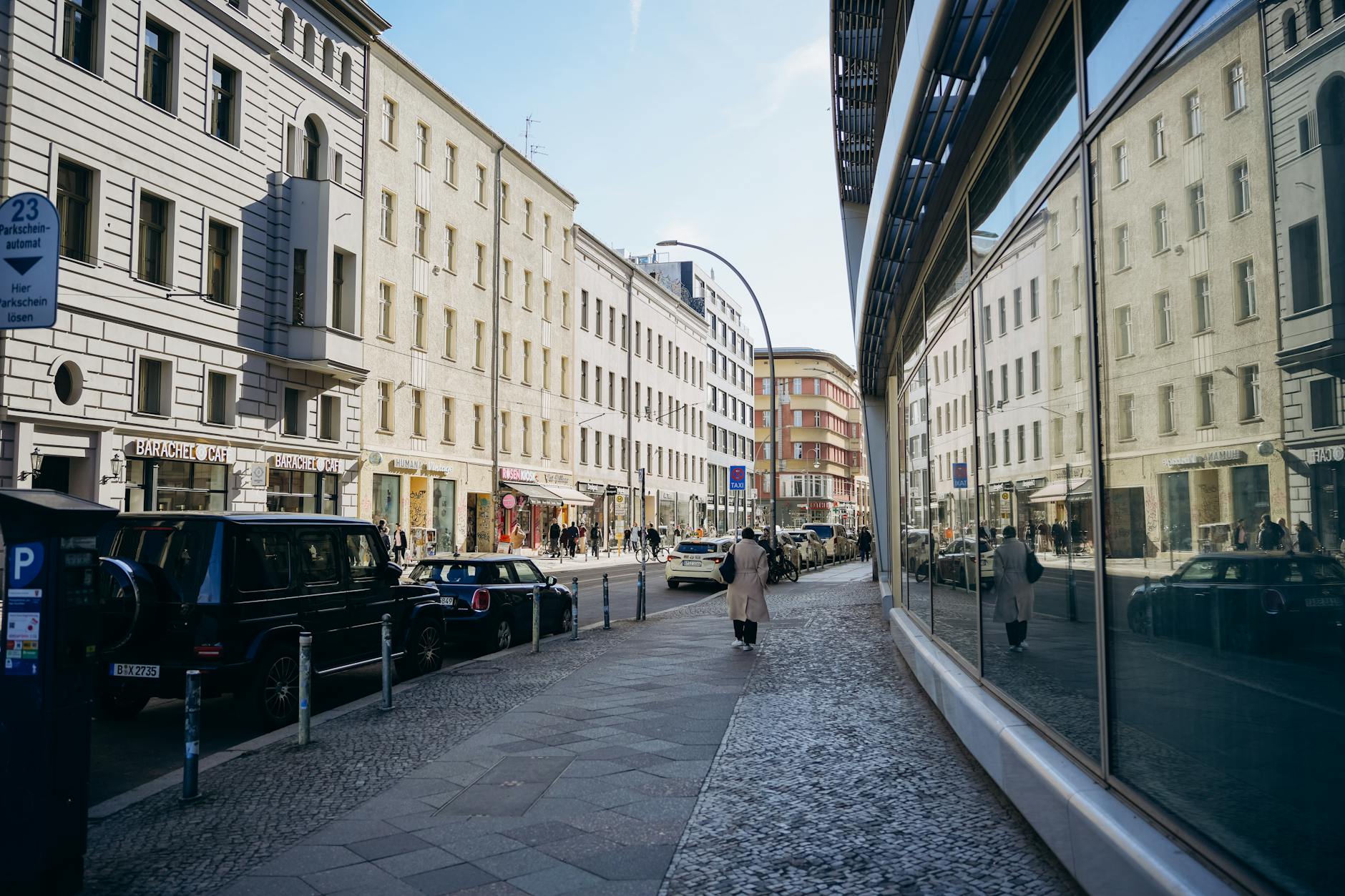
Shopping in Berlin is unlike shopping in any other European capital. Where Paris has polished luxury and London has heritage brands, Berlin offers raw eclecticism — a city where a world-famous department store sits a few kilometres from a graffiti-covered flea market, and both are equally worth your time. The city’s fractured history, creative energy, and neighbourhood-driven culture have produced a retail landscape that ranges from high fashion to vintage GDR memorabilia, from artisanal design studios to sprawling Turkish bazaars.
What makes shopping in Berlin especially rewarding is the sheer variety packed into distinct neighbourhoods. Each district has its own retail personality: Kurfürstendamm for luxury, Mitte for contemporary design, Prenzlauer Berg for Scandinavian-inflected lifestyle shops, Kreuzberg for alternative fashion and multicultural markets, and Friedrichshain for vintage and vinyl. You could spend a week shopping in Berlin and never visit the same type of store twice.
This comprehensive guide covers every facet of shopping in Berlin — the best shopping streets and districts, department stores, flea markets, vintage shops, local designers, souvenirs, and practical tips to help you shop smarter.
Berlin’s Best Shopping Streets
Kurfürstendamm (Ku’damm)
Kurfürstendamm is Berlin’s most famous shopping boulevard — a 3.5-kilometre stretch of international luxury brands, flagship stores, and upscale boutiques in the western Charlottenburg district. The street and its extension, Tauentzienstraße, house Gucci, Louis Vuitton, Hermès, Chanel, and nearly every major global fashion label. The architecture is grand, the window displays are spectacular, and the atmosphere evokes classic European elegance. Even if you’re not buying, Ku’damm is essential for anyone interested in shopping in Berlin. Those travelling on a budget can still window-shop and enjoy the atmosphere.
Friedrichstraße
Friedrichstraße runs through the heart of Mitte and has reinvented itself as a premium shopping destination since reunification. The street features Galeries Lafayette (the French department store’s Berlin outpost with its striking glass cone interior), international fashion brands, and upscale German retailers. The Friedrichstadt-Passagen — three interconnected shopping arcades designed by star architects — offer a distinctive indoor shopping experience.
Hackescher Markt and Hackesche Höfe
The Hackesche Höfe area around Hackescher Markt is where shopping in Berlin meets art and design. This complex of eight interconnected courtyards houses independent boutiques, jewellery designers, art galleries, and concept stores in beautifully restored Jugendstil buildings. Surrounding streets — Neue Schönhauserstraße, Rosenthaler Straße, and Alte Schönhauserstraße — are packed with emerging Berlin fashion labels, sneaker shops, and design studios.
Torstraße
Running through northern Mitte, Torstraße has quietly become one of Berlin’s most interesting shopping streets. The mix includes avant-garde fashion, home design, independent bookshops, and concept stores that blur the line between retail and gallery space. Brands like Darklands, The Store x Soho House, and numerous local designers call this street home. It’s less tourist-heavy than Hackescher Markt and offers a more curated, insider shopping in Berlin experience.
Kastanienallee and Schönhauser Allee
In Prenzlauer Berg, these parallel streets offer a different retail personality entirely. Kastanienallee — nicknamed “Casting Alley” by locals for its photogenic crowd — features Scandinavian-inflected lifestyle shops, organic children’s clothing, artisanal stationery, and independent café-boutique hybrids. Schönhauser Allee adds the Schönhauser Allee Arcaden mall and a string of vintage shops.
Department Stores and Shopping Centres
KaDeWe (Kaufhaus des Westens)
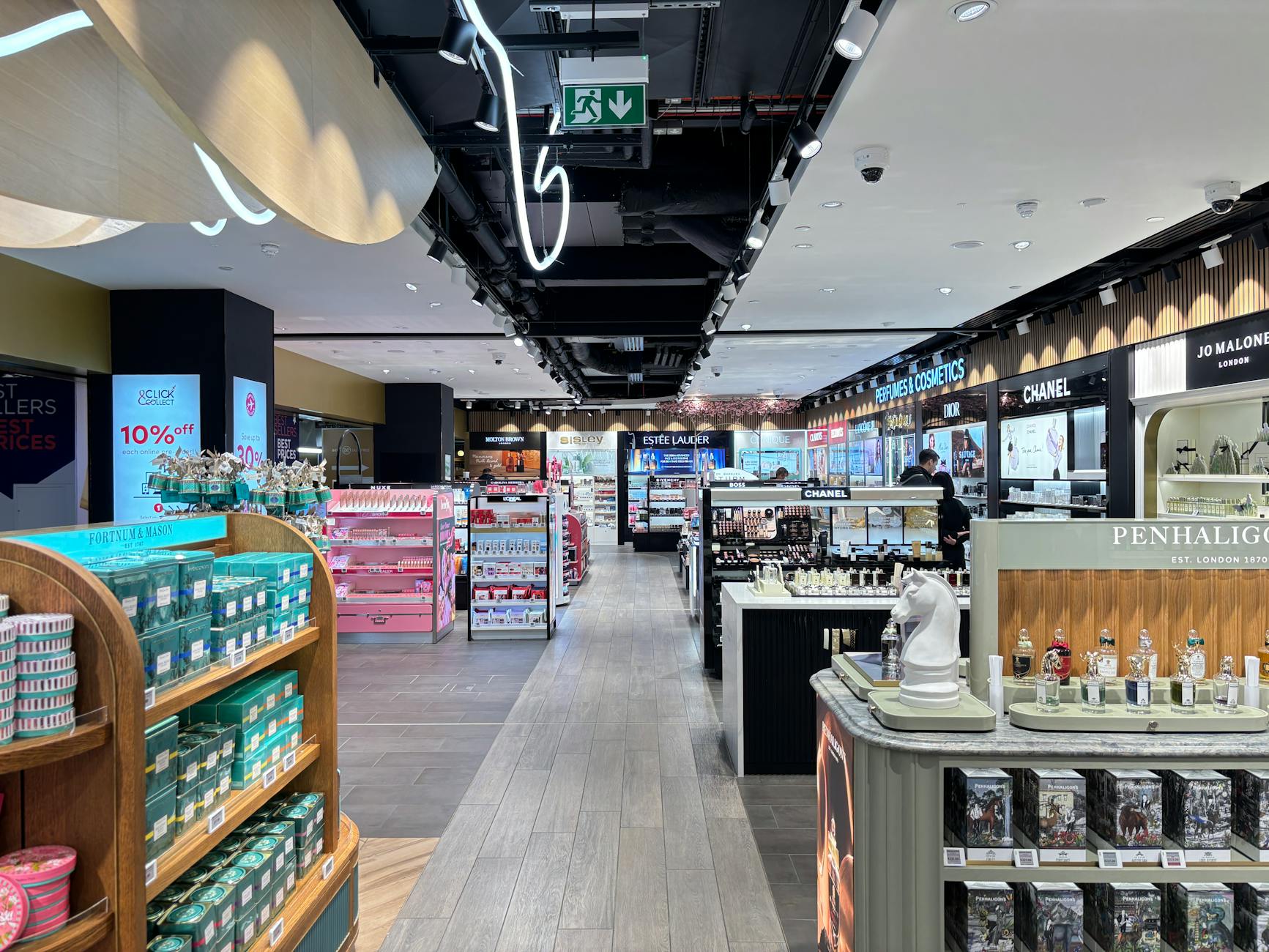
KaDeWe is Berlin’s crown jewel of department stores and continental Europe’s largest — a six-storey retail institution on Tauentzienstraße that has been open since 1907. The ground floor stocks premium cosmetics and accessories; upper floors cover fashion from emerging designers to established luxury houses. But the real draw is the sixth-floor food hall — a 7,000-square-metre gourmet paradise with over 30 food counters serving everything from fresh oysters to hand-sliced Iberian ham. Even visitors with no intention of buying clothes make the pilgrimage to KaDeWe’s food hall. For anyone serious about shopping in Berlin, this is unmissable.
Bikini Berlin
Bikini Berlin occupies a renovated 1950s architecture landmark overlooking the Berlin Zoo. This concept mall focuses on independent and emerging brands rather than chain stores, with rotating pop-up “boxes” that showcase new designers and creative projects on a temporary basis. The rooftop terrace with zoo views, the carefully curated tenant mix, and the building’s brutalist-meets-modern aesthetic make it one of the most architecturally interesting places for shopping in Berlin.
Mall of Berlin
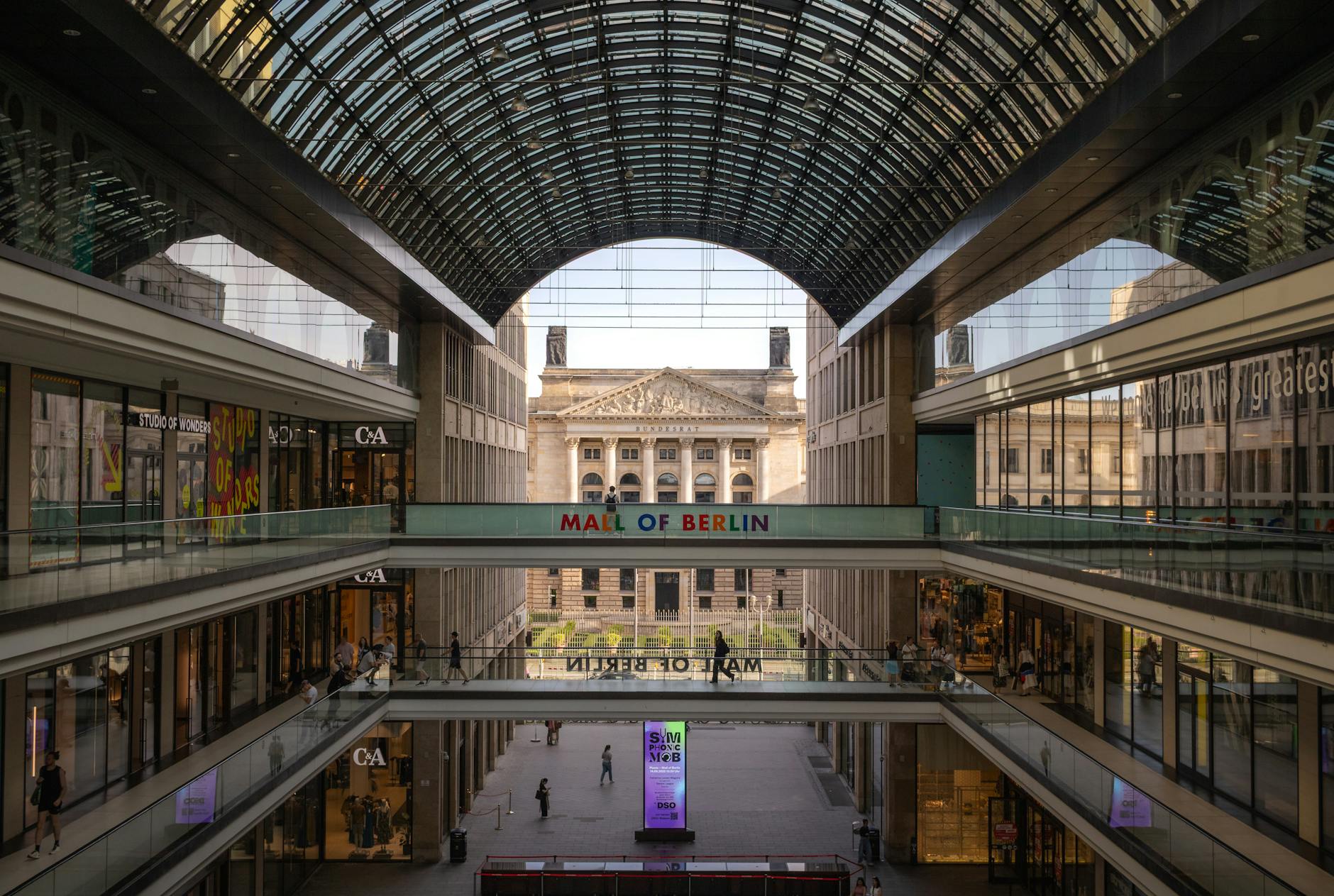
Located at Leipziger Platz near Potsdamer Platz, the Mall of Berlin is the city’s largest shopping centre with over 270 shops across 76,000 square metres. It covers the full spectrum from H&M and Zara to premium brands, plus a large food court and entertainment options. Its central location makes it convenient for tourists, and the glass-roofed architecture creates a bright, pleasant atmosphere.
Alexa Shopping Centre
Alexa at Alexanderplatz is Berlin’s second-largest shopping centre, easily recognisable by its pink façade. With 180+ shops, a MediaMarkt electronics superstore, and direct S-Bahn access, it’s practical and well-connected. The mix leans toward mid-range and high-street brands — a good option for efficient, one-stop shopping in Berlin when time is limited.
Flea Markets and Vintage Shopping
Berlin’s flea markets are cultural institutions in their own right — social events as much as shopping opportunities. The city’s history of squatting culture, creative reuse, and anti-consumerist values has produced some of Europe’s finest flea markets and vintage scenes.
Mauerpark Flohmarkt
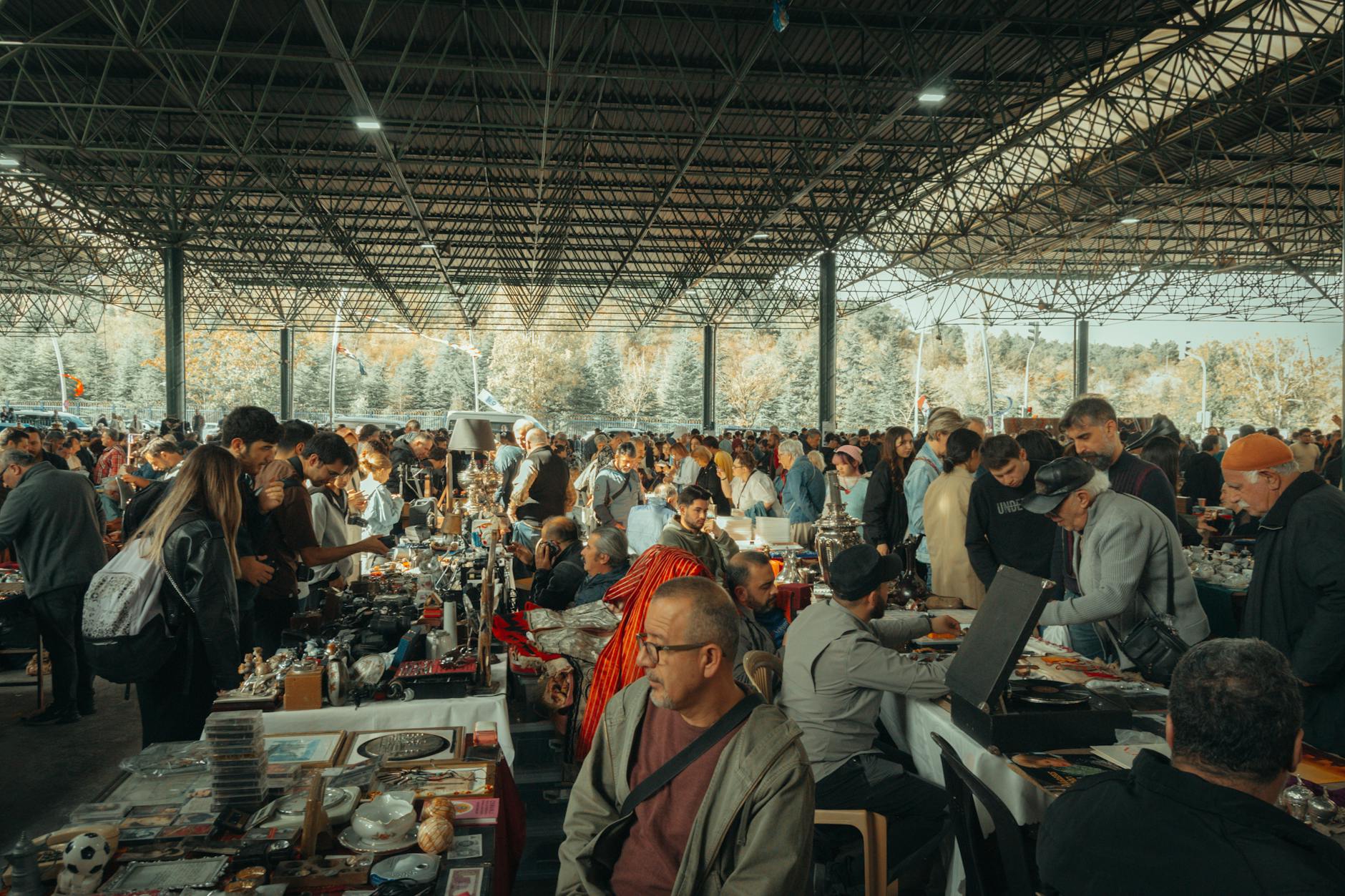
The Mauerpark flea market every Sunday is Berlin’s most iconic — a sprawling, chaotic celebration of secondhand shopping, street food, and live entertainment on the former Berlin Wall death strip. Hundreds of vendors sell vintage clothing, vinyl records, antiques, handmade jewellery, GDR memorabilia, and plain-old junk alongside genuine treasures. The adjacent karaoke amphitheatre and the park’s playgrounds make it a full-day destination. Arrive before 11am for the best finds; by midday the crowds can be overwhelming.
Boxhagener Platz Flohmarkt
Friedrichshain’s Boxhagener Platz hosts a Sunday flea market that’s smaller and more curated than Mauerpark. The vendor quality is generally higher, with better vintage fashion, mid-century furniture, and collectibles. The surrounding streets are full of cafés and brunch spots, making it easy to combine shopping in Berlin with a leisurely Sunday morning. Saturday mornings, the same square hosts a food market with local produce and international street food.
Nowkoelln Flowmarkt
Running along the Maybachufer canal in Neukölln every other Sunday, the Nowkoelln Flowmarkt focuses on handmade crafts, upcycled fashion, art prints, and independent design. It’s smaller and more relaxed than the bigger markets, with a distinctly creative and community feel. The canal-side setting is beautiful on sunny days, and the adjacent Turkish Market (Tuesdays and Fridays) adds variety.
RAW Flohmarkt
The flea market on the RAW-Gelände compound in Friedrichshain runs on Sundays and attracts a younger crowd with its mix of vintage streetwear, vinyl, and handcrafted goods. The industrial setting — a former railway repair yard now covered in street art — gives it an edge that’s quintessentially Berlin.
Arkonaplatz Flohmarkt
This small Sunday market in Mitte specialises in mid-century modern furniture, vintage design objects, and quality secondhand books. It’s a favourite among interior design enthusiasts and offers a calmer, more focused alternative to the bigger flea markets.
Vintage and Thrift Stores
Beyond the flea markets, Berlin has an extraordinary permanent vintage scene. The city’s affordable rents (relative to other capitals) and creative population sustain hundreds of secondhand and vintage shops that would struggle to survive in more expensive cities.
Humana
Humana is Berlin’s largest secondhand chain, with several massive locations across the city. The Frankfurter Tor branch in Friedrichshain spans five floors and stocks thousands of items — from €2 t-shirts to curated vintage leather jackets. Prices are remarkably low, and patient diggers consistently find excellent pieces. The Kurfürstenstraße location near Potsdamer Platz is equally vast.
Garage and Beyond Retro
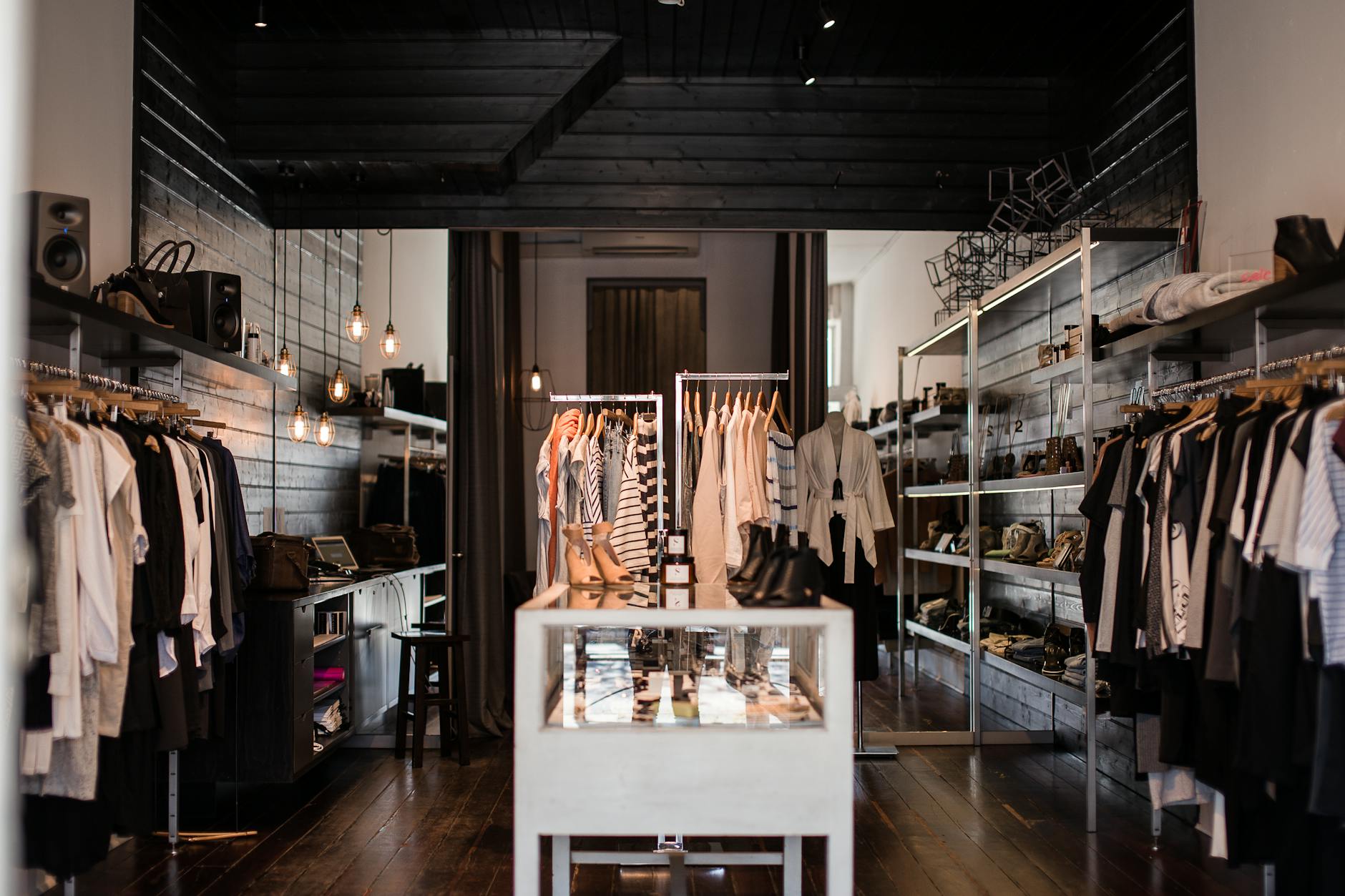
Garage (formerly Kleidermarkt) operates a by-the-kilo vintage concept — you fill a bag and pay by weight, which can yield incredible bargains if you have time to sort through the stock. Beyond Retro on Rosenthaler Straße takes a more curated approach, with carefully selected and styled vintage pieces at slightly higher (but still reasonable) prices.
VEB Orange and Schönhauser Design
For GDR-era and retro design, VEB Orange in Prenzlauer Berg specialises in East German furniture, ceramics, and household objects from the 1950s–80s. It’s a treasure trove for collectors and design enthusiasts. Schönhauser Design nearby offers a similar focus with particularly strong furniture selections.
Local Designers and Concept Stores
Berlin’s relatively low cost of living has attracted a wave of independent designers and creative entrepreneurs. The result is a thriving local fashion and design scene that distinguishes shopping in Berlin from more corporate retail destinations.
Berlin Fashion Labels to Know
Several Berlin-based fashion labels have gained international recognition while maintaining their roots in the city. Lala Berlin (luxury knitwear and contemporary womenswear), Kaviar Gauche (bridal and eveningwear), Firma (minimalist menswear), and Reality Studio (avant-garde sustainable fashion) all have flagship stores or stockists across the city. Emerging labels rotate through concept stores and pop-ups, especially in Mitte and Kreuzberg.
Concept Stores Worth Visiting
The Corner Berlin at Gendarmenmarkt curates luxury fashion with an editorial eye — think Comme des Garçons, Maison Margiela, and Rick Owens alongside Berlin designers. Andreas Murkudis in a converted former newspaper printing hall stocks fashion, furniture, art, and design objects in a gallery-like setting. Voo Store in Kreuzberg combines avant-garde fashion retail with an acclaimed café, creating a space where shopping in Berlin meets Berlin’s café culture.
Hardt
Hardt on Torstraße has quickly become one of Berlin’s most talked-about retail spaces. This vintage gallery curates exceptional designer pieces from past decades — think Yves Saint Laurent, Helmut Lang, and Martin Margiela — displayed in a museum-quality setting. Prices reflect the curation, but the quality and rarity of the pieces are exceptional.
Markets Beyond the Flea Markets
Türkischer Markt (Turkish Market)
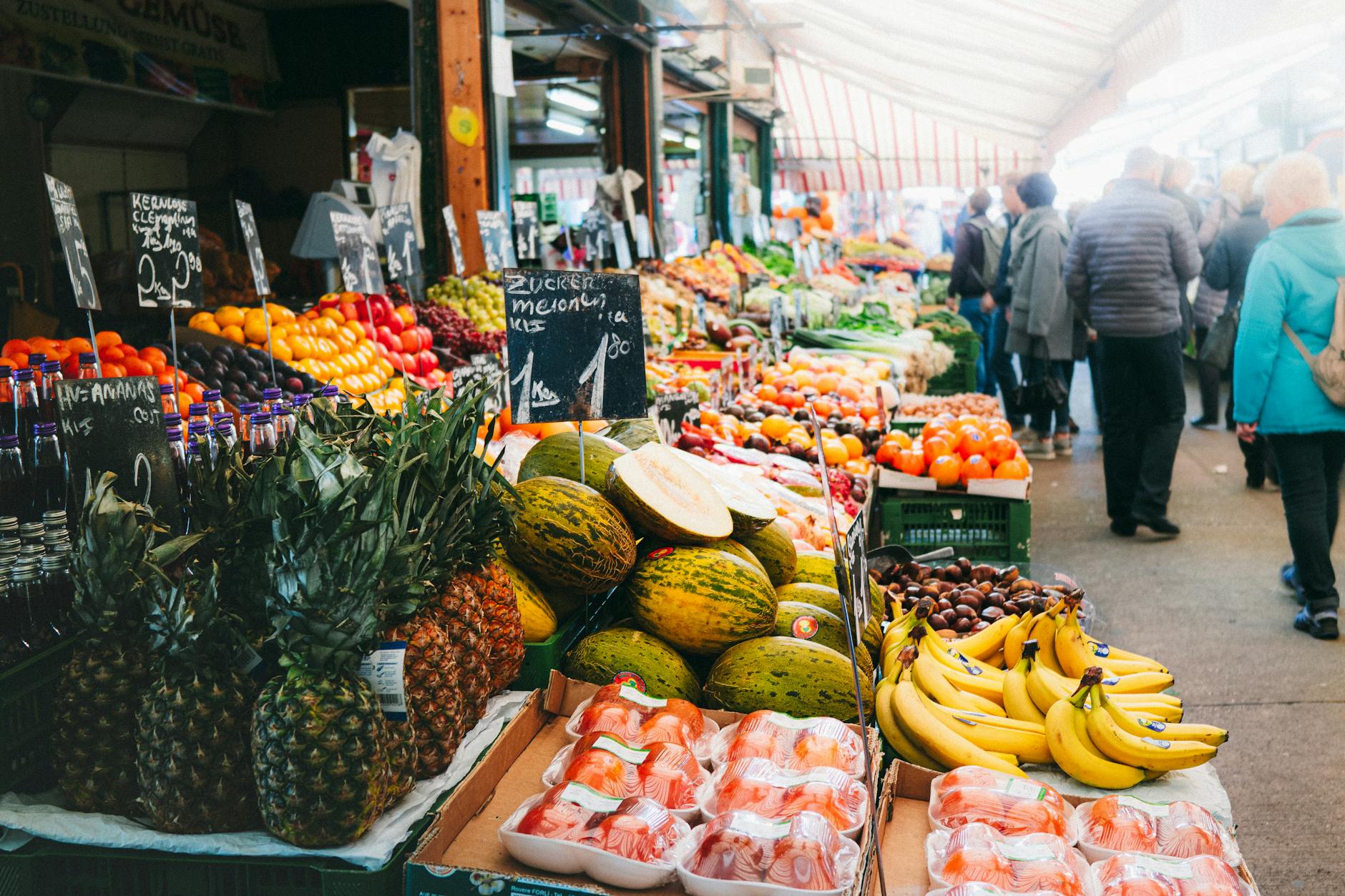
The Türkischer Markt on the Maybachufer canal in Neukölln runs every Tuesday and Friday and is one of Berlin’s most vibrant outdoor markets. Vendors sell fresh produce, olives, cheeses, spices, fabrics, and household goods at excellent prices. The quality of the fresh bread, dried fruits, and imported Turkish specialities is outstanding. It’s not a tourist attraction (though tourists are welcome) — it’s a genuine neighbourhood market where locals do their weekly shopping in Berlin’s most multicultural district.
Markthalle Neun
Markthalle Neun in Kreuzberg is a beautifully restored 19th-century market hall that hosts permanent food vendors, a weekly farmers’ market, and the famous Thursday evening Street Food market. While primarily a food destination, it also stocks artisanal products, local spirits, and Berlin-made specialty goods that make excellent gifts and souvenirs.
Winterfeldtplatz Farmers’ Market
Schöneberg’s Winterfeldtplatz market on Wednesdays and Saturdays is one of Berlin’s best farmers’ markets. Regional produce, organic baked goods, flowers, artisan cheeses, and wine from German vineyards create a premium market experience. Saturday mornings here are a beloved Berlin ritual, often combined with brunch at one of the surrounding cafés.
What to Buy in Berlin: Souvenirs and Gifts
Beyond the obvious Brandenburg Gate magnets, Berlin offers genuinely distinctive souvenirs that reflect the city’s culture and history.
Iconic Berlin Souvenirs
- Ampelmann products — Berlin’s beloved East German traffic light figure has been turned into everything from bags to lamps. The official Ampelmann shops at Hackescher Markt and Unter den Linden stock the full range.
- Berlin Wall pieces — authenticated fragments are available at the East Side Gallery and specialist shops. Beware of fakes at street vendor stalls.
- GDR memorabilia — vintage East German products, propaganda posters, and Trabant-themed goods from shops near Checkpoint Charlie and specialist vintage stores.
- Currywurst products — Berlin’s signature street food has inspired a range of sauces, spice mixes, and novelty items available at the Deutsches Currywurst Museum shop and food halls.
- Buddy Bear figurines — the colourful bear sculptures that appear throughout the city are available as collectible miniatures.
Food and Drink Souvenirs
Berlin’s food scene produces excellent gift-worthy items (explore our Berlin food guide for the full culinary picture): Rausch chocolates from the Rausch Schokoladenhaus at Gendarmenmarkt, Berliner Weisse beer, artisan gin from Berlin distilleries like Monkey 47 and The Botanical, and KaDeWe’s own-brand preserves and confections. These are the shopping in Berlin finds that people actually appreciate receiving.
Seasonal Shopping in Berlin
Christmas Markets (November–December)
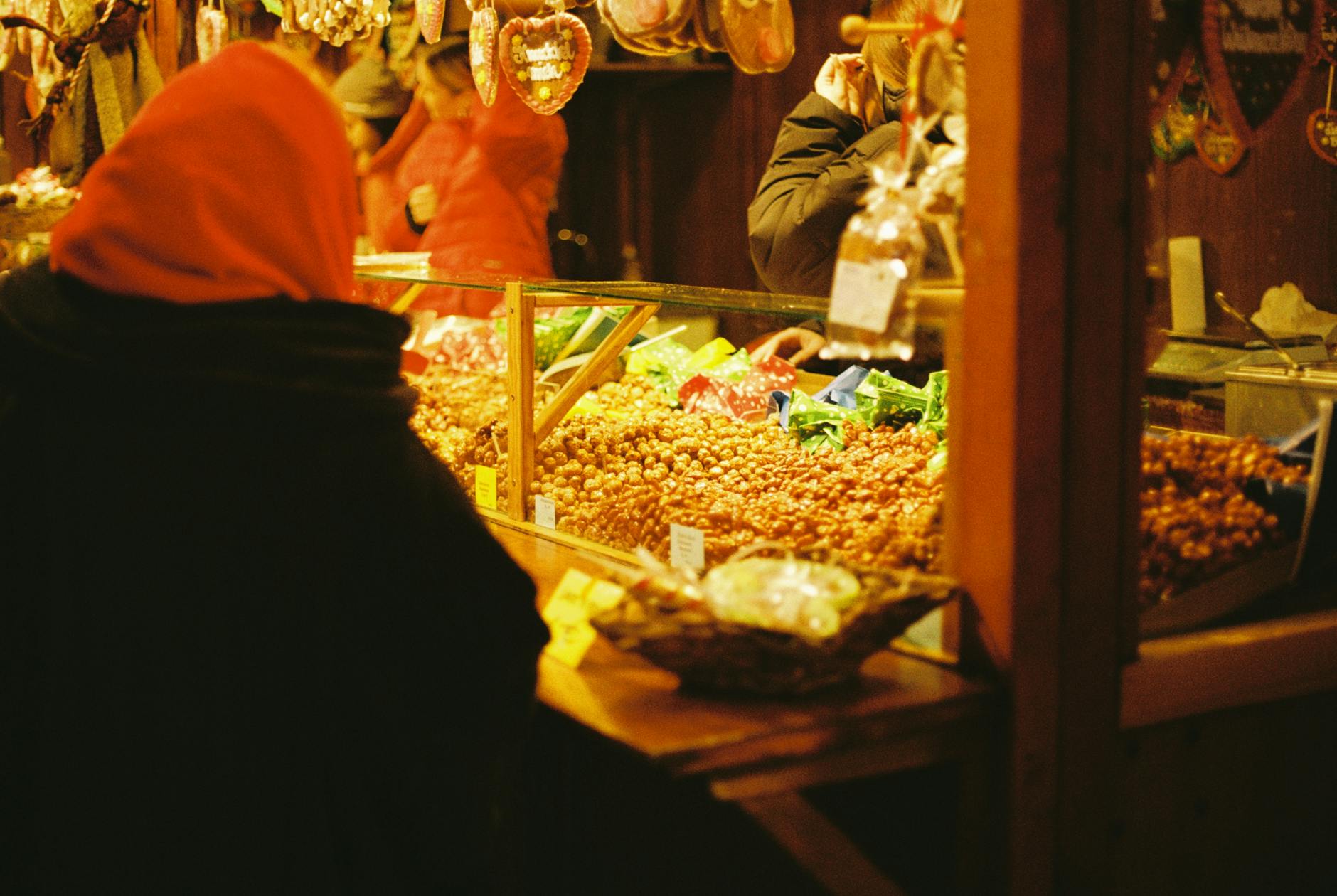
Berlin’s Christmas markets transform the city into a winter shopping wonderland. The Gendarmenmarkt market is the most upscale, with artisanal crafts, handmade decorations, and gourmet food stalls set between the dramatic French and German cathedrals. Alexanderplatz hosts the largest market, while smaller neighbourhood markets in Rixdorf (Neukölln) and the Lucia market at the Kulturbrauerei offer more intimate, local experiences. Christmas market shopping is a beloved Berlin tradition, with handcrafted ornaments, Glühwein (mulled wine), and Stollen fruit bread among the most popular purchases.
Berlin Fashion Week
Berlin Fashion Week (typically January and July) brings pop-up events, designer sales, and trade shows that temporarily expand the city’s retail offerings. The Premium and Seek trade shows at the Station Berlin showcase emerging brands, and many designers host studio sales and special events during fashion week. For fashion-focused visitors, timing a trip around Fashion Week adds another dimension to shopping in Berlin.
Neighbourhood Shopping Guide
Mitte: Design and Contemporary Fashion
Mitte is Berlin’s creative retail centre. Focus on Hackescher Markt, Rosenthaler Straße, Torstraße, and the side streets around Weinmeisterstraße for independent fashion, art bookshops, and concept stores. The neighbourhood also houses most of Berlin’s gallery district, where art shopping blends seamlessly with fashion retail.
Kreuzberg: Alternative and Multicultural
Kreuzberg’s Oranienstraße and Bergmannstraße offer alternative fashion, record shops, and independent bookstores alongside the Türkischer Markt and Markthalle Neun. The neighbourhood attracts designers who value authenticity over polish, and the shops reflect this — expect unconventional displays, strong opinions, and genuinely original products.
Prenzlauer Berg: Lifestyle and Family
Kastanienallee and Schönhauser Allee are the main arteries for shopping in Berlin’s most family-oriented neighbourhood. The vibe is Scandinavian minimalism meets Berlin creativity — organic children’s clothing, lifestyle homewares, artisanal stationery, and independent café-boutiques. The Kulturbrauerei complex houses shops and a weekend design market.
Friedrichshain: Vintage and Vinyl
Friedrichshain is vinyl territory — record shops like HHV and numerous small shops along Revaler Straße and Simon-Dach-Straße stock everything from rare pressings to new releases. The neighbourhood’s vintage shops (especially along Warschauer Straße and near Boxhagener Platz) tend toward streetwear, denim, and 90s fashion.
Charlottenburg: Luxury and Heritage
Beyond Ku’damm and KaDeWe, Charlottenburg offers antique shops on Kantstraße, art galleries in side streets, and the Stilwerk design centre for high-end furniture and interior design. It’s the neighbourhood for established luxury and considered purchases rather than impulse vintage finds.
Practical Tips for Shopping in Berlin
Opening Hours
Standard shop opening hours in Berlin are Monday–Saturday 10am–8pm, with larger stores and shopping centres staying open until 9pm or 10pm. Shops are closed on Sundays by law, with rare exceptions (selected Sundays designated as “Verkaufsoffener Sonntag” open shopping Sundays, typically 4–6 per year). Flea markets, however, run primarily on Sundays, making them the natural shopping activity for that day. Supermarkets in train stations (Hauptbahnhof, Friedrichstraße) are open on Sundays.
Tax-Free Shopping
Non-EU visitors can claim a VAT refund (19% Mehrwertsteuer) on purchases over €50 per store. Ask for a Tax Free form at the point of sale, have it stamped at customs when leaving the EU, and claim your refund at the airport. KaDeWe, major department stores, and most luxury boutiques are experienced with the process and can guide you through it.
Payment Methods
Berlin is more cash-dependent than many visitors expect. While major stores and chains accept credit and debit cards, many smaller shops, flea market vendors, and some restaurants are cash-only (“nur Bargeld”). Always carry some cash, especially for market shopping. ATMs (Geldautomaten) are widely available.
Getting Your Purchases Home
For bulky purchases (furniture, artwork, large design objects), most established shops can arrange shipping. DHL, UPS, and Hermes all have convenient drop-off points throughout the city. For vintage furniture from flea markets, services like Sendy and local courier companies offer same-day pickup and delivery to your accommodation, where you can arrange onward shipping.
Best Times to Shop
For the best shopping in Berlin experience, visit shopping streets on weekday mornings when crowds are thinnest. Flea markets require early arrival (9–10am) for the best selection. January and July bring seasonal sales (Schlussverkauf) with discounts of 30–70% at mainstream retailers. The weeks before Christmas see the most festive atmosphere but also the heaviest crowds.
Sustainable Shopping
Berlin leads Germany in sustainable retail. Look for the “Fairtrade” label, shop at the numerous vintage and secondhand stores (the most sustainable option), and seek out stores specialising in sustainable fashion like Loveco in Friedrichshain and DearGoods in Mitte. Berlin’s culture of reuse and creativity means sustainable shopping in Berlin doesn’t mean compromising on style.
Planning Your Berlin Shopping Trip
The best approach to shopping in Berlin is neighbourhood-focused: spend a morning or afternoon in one district, combining retail with cafés and cultural attractions, rather than criss-crossing the city. Start with the neighbourhood that matches your shopping personality — Mitte for design-forward fashion, Kreuzberg for alternative culture, nightlife, Charlottenburg for luxury, Friedrichshain for vintage — and let the streets guide you to unexpected discoveries.
Berlin rewards curious, patient shoppers. The city’s best finds — the perfect vintage leather jacket, the unsigned local designer who’ll be famous in five years, the GDR-era lamp that becomes a conversation piece — rarely announce themselves from the high street. They’re tucked into courtyards, on upper floors, and behind unassuming facades. That’s the joy of shopping in Berlin: the city doesn’t just sell you things, it invites you to discover them.
Leave a Reply