Where to Stay in Berlin: Best Neighborhoods & Hotels Guide (2026)
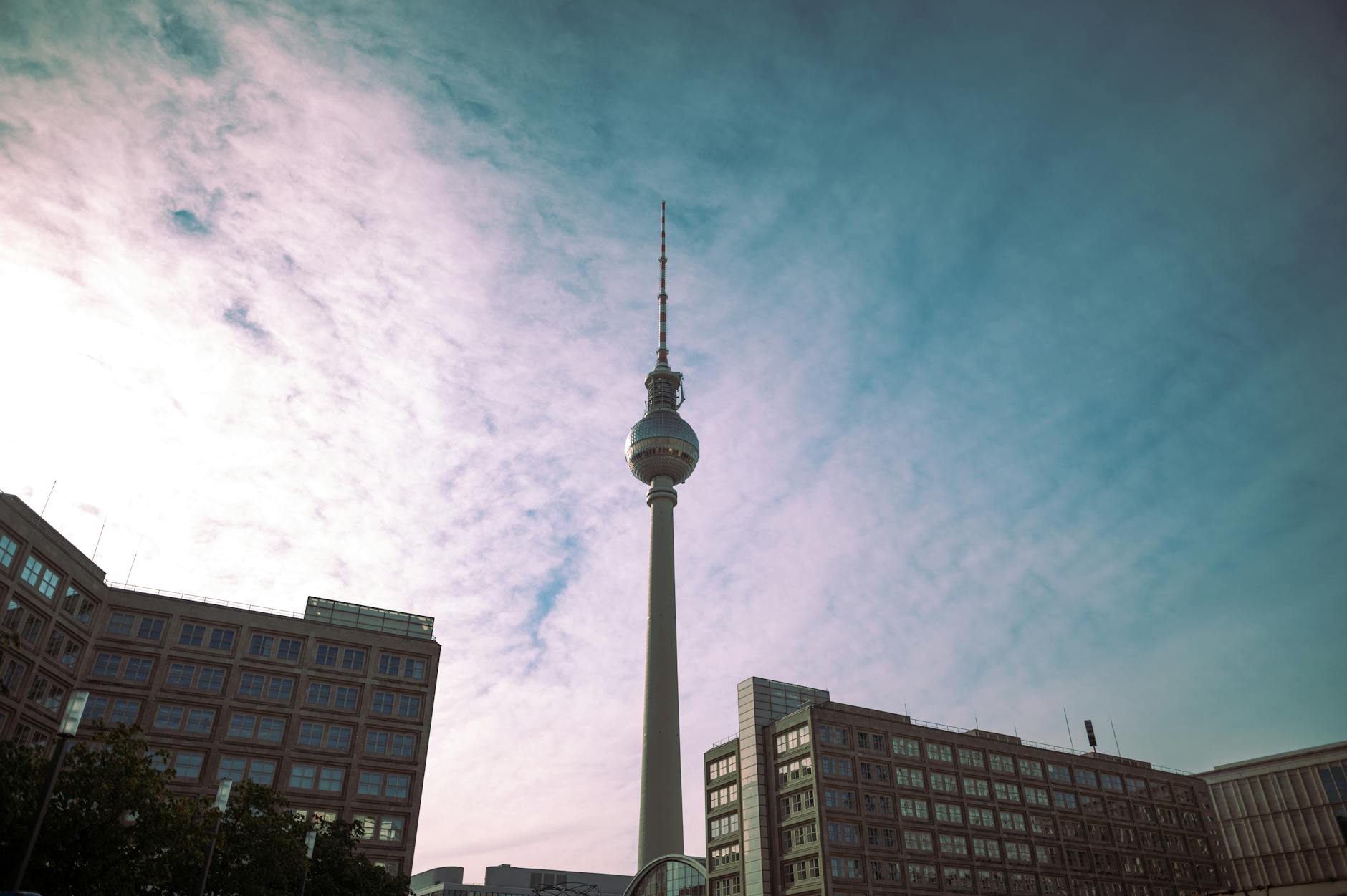
How to Choose the Right Berlin Neighborhood
Choosing where to stay in Berlin can make or break your trip. Unlike cities built around a single center, Berlin is a sprawling metropolis of distinct neighborhoods — each with its own personality, price range, and appeal. Stay in Mitte and you’ll wake up steps from the Brandenburg Gate; choose Kreuzberg and you’ll be surrounded by the city’s best street food and nightlife. Pick the wrong neighborhood and you could spend half your holiday on the U-Bahn.
This guide breaks down Berlin’s eight best neighborhoods for tourists, with honest pros and cons, real hotel recommendations, current pricing, and tailored advice for every type of traveler — from first-timers and families to nightlife seekers and budget backpackers. We’ve also included a practical section on Berlin’s Airbnb regulations (which changed significantly in 2026), transit zones, and seasonal booking tips so you can get the most value from your stay.
Berlin Neighborhood Quick Comparison
Before diving into the details, here’s a snapshot of how Berlin’s top tourist neighborhoods stack up against each other.
Mitte — Best for first-timers. Central location, walkable to all major sights. Hotels from €80–450/night. Touristy but unbeatable for convenience.
Prenzlauer Berg — Best for families and couples. Charming tree-lined streets, excellent cafés, Sunday flea markets. Hotels from €90–170/night.
Kreuzberg — Best for foodies and nightlife. Berlin’s most multicultural neighborhood with legendary street food and late-night bars. Hotels from €70–150/night.
Friedrichshain — Best for budget travelers and clubbers. Home to Berghain, the East Side Gallery, and Berlin’s cheapest hostels. Dorms from €24/night, hotels from €65/night.
Charlottenburg — Best for luxury travelers. Elegant boulevards, the Charlottenburg Palace, Kurfürstendamm shopping. Hotels from €150–400+/night.
Neukölln — Best for authentic local vibes. Emerging creative scene, Tempelhofer Feld, multicultural dining. Hotels from €80–145/night.
Schöneberg — Best for LGBTQ+ travelers. Europe’s historic queer quarter, KaDeWe department store, residential charm. Hotels from €100–200/night.
Wedding — Best for ultra-budget stays. Authentic working-class Berlin, up-and-coming arts scene. Hotels from €27/night.
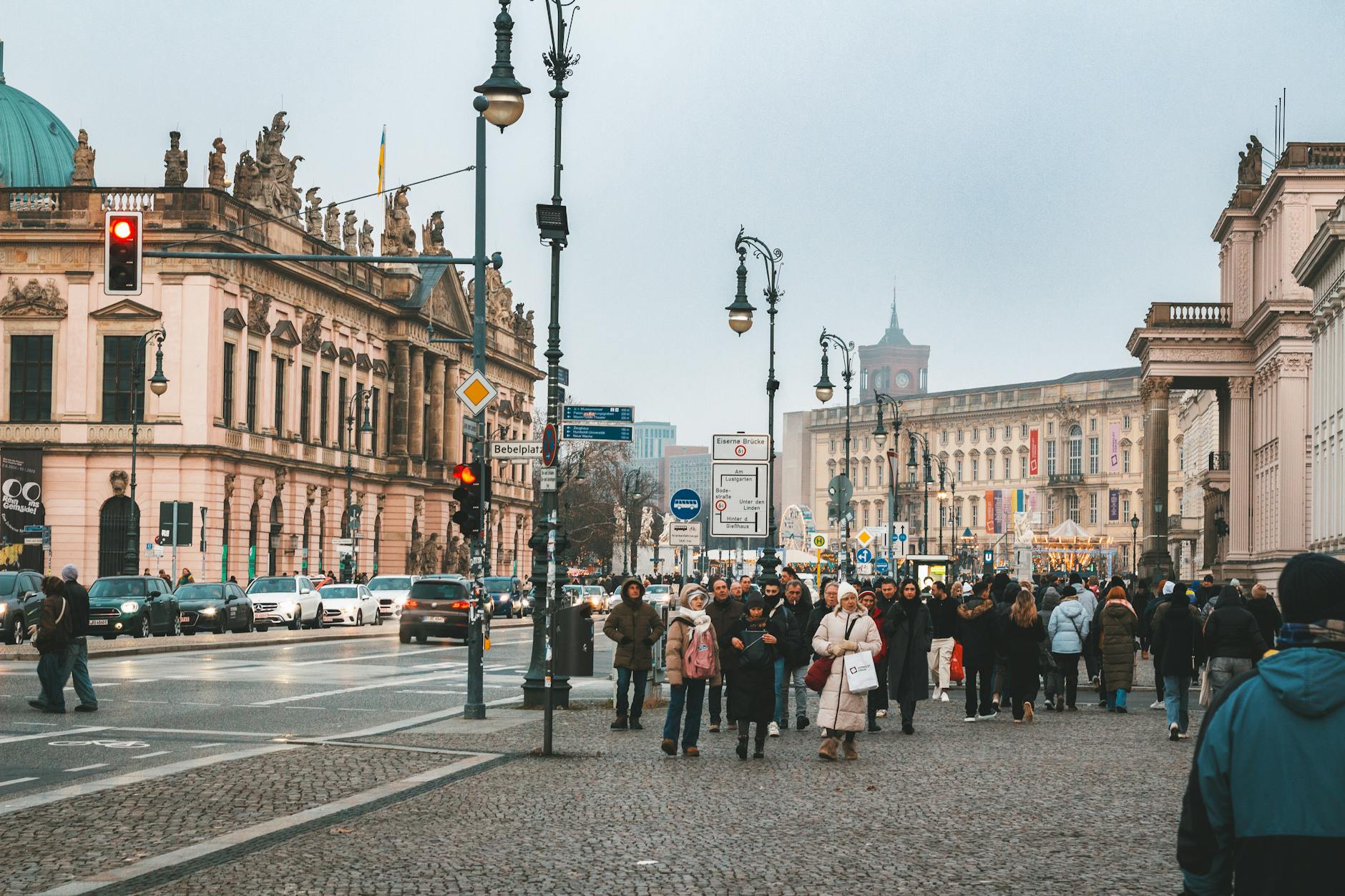
Mitte — The Historic Heart
When deciding where to stay in Berlin, first-time visitors should start with Mitte. This is where the city’s most iconic landmarks are concentrated: Brandenburg Gate, Museum Island, the Reichstag, Checkpoint Charlie, and Alexanderplatz with its TV Tower are all within walking distance of each other.
The neighborhood’s main advantage is sheer convenience. You can cover most of Berlin’s must-see attractions on foot without ever stepping on public transport. The area around Hackescher Markt is particularly appealing, with its Art Nouveau courtyards (Hackesche Höfe), independent boutiques, and excellent restaurants.
The trade-off is price and authenticity. Mitte is Berlin’s most expensive neighborhood for accommodation and the most tourist-dense. If you’re looking for the “real Berlin” — the gritty, creative, counter-cultural side — you won’t find it here. But for efficient sightseeing, nothing compares.
Where to stay: Hotel Adlon Kempinski (luxury, from €400/night) sits directly beside Brandenburg Gate. For mid-range, Garner Berlin Mitte (from €120/night) consistently earns excellent reviews. Budget travelers should look at Generator Berlin Mitte (dorms from €30/night).
Transit: S+U Brandenburger Tor, S+U Friedrichstraße, S Hackescher Markt, U Alexanderplatz. Mitte is Berlin’s best-connected district with access to virtually every S-Bahn and U-Bahn line.
Prenzlauer Berg — Charming, Local, and Family-Friendly
Prenzlauer Berg is where Berlin does pretty. Tree-lined streets of restored 19th-century Altbau apartments, organic bakeries, independent bookshops, and some of the city’s best brunch spots make this neighborhood feel like a village within the metropolis.
Once a bohemian stronghold, Prenzlauer Berg has matured into one of Berlin’s most desirable residential areas. Young families push strollers past artisan coffee shops, and the Saturday market at Kollwitzplatz draws locals with fresh produce, flowers, and handmade goods. On Sundays, the Mauerpark flea market and its famous outdoor karaoke sessions are a Berlin institution.
The neighborhood sits just north of Mitte, so reaching Museum Island or Alexanderplatz takes only 10-15 minutes by tram. The M1 and M10 tram lines run straight through the heart of Prenzlauer Berg.
It’s slightly quieter than Kreuzberg and Friedrichshain at night, which is either a pro or con depending on your travel style. For families, couples, and anyone who values charm over chaos, Prenzlauer Berg is ideal.
Where to stay: The Oderberger Berlin is a standout boutique hotel housed in a converted 19th-century public bath — the original swimming pool is now the hotel’s centerpiece. Rooms from €130/night. Circus Hotel (from €99/night) is centrally located and well-loved. Ackselhaus & Blue Home offers quirky, individually decorated rooms from €110/night.
Transit: U2 Eberswalder Straße, trams M1, M10, M12. Excellent connections to Mitte (10 minutes) and Friedrichshain (15 minutes).
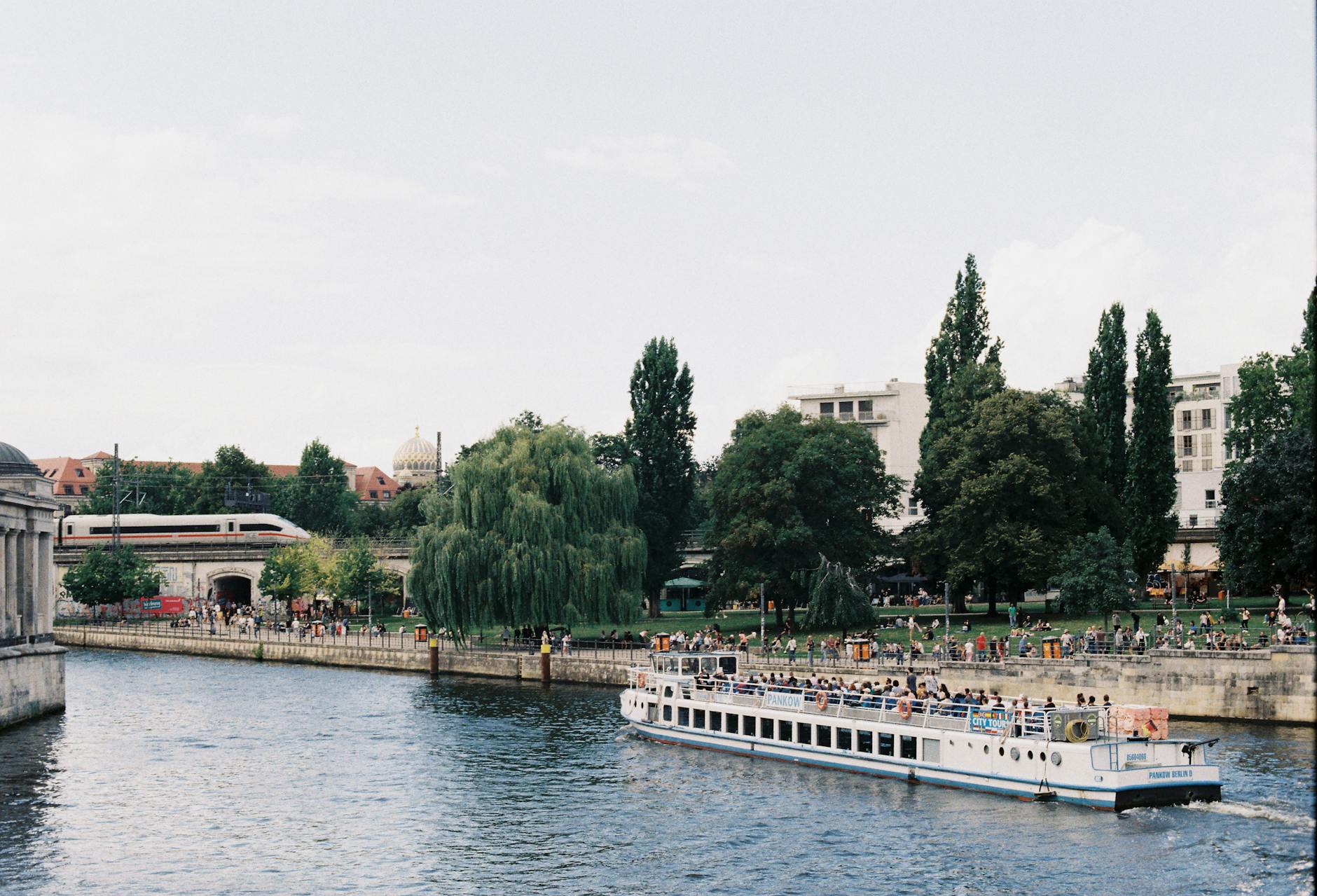
Kreuzberg — Where Berlin Gets Real
For travelers wondering where to stay in Berlin for authentic culture, Kreuzberg is Berlin at its most diverse, creative, and unapologetically itself. This is where Turkish bakeries sit next to punk bars, where world-class street art covers every available surface, and where the city’s best döner kebab shops have been perfecting their craft for decades.
The neighborhood divides roughly into two halves. Kreuzberg 61 (around Bergmannstraße) is leafier, calmer, and popular with young professionals. Kreuzberg 36 (around Kottbusser Tor and Schlesisches Tor) is grittier, louder, and the epicenter of Berlin’s alternative nightlife. Both sides share the Landwehr Canal, which is perfect for lazy afternoon walks.
The Turkish Market on Maybachufer (Tuesdays and Fridays) is one of Berlin’s best open-air markets. Markthalle Neun hosts the beloved Street Food Thursday event weekly. And the dining scene here is extraordinary — from traditional Turkish cuisine to innovative contemporary restaurants, with many places serving well past midnight.
Kreuzberg isn’t the prettiest neighborhood, and it can feel intense if you’re not used to urban grit. But if you want to experience the Berlin that Berliners actually live in, this is it.
Where to stay: orania.berlin is a stylish boutique hotel at Oranienplatz with an acclaimed restaurant (from €180/night). For budget-friendly options, Grand Hostel Berlin Classic in a beautifully restored 19th-century building offers private rooms from €70/night.
Transit: U1, U8, U6 lines. Kottbusser Tor is the main hub. The U1 crosses the Oberbaum Bridge into Friedrichshain — one of Berlin’s most photogenic transit routes.
Friedrichshain — Budget-Friendly and Club-Ready
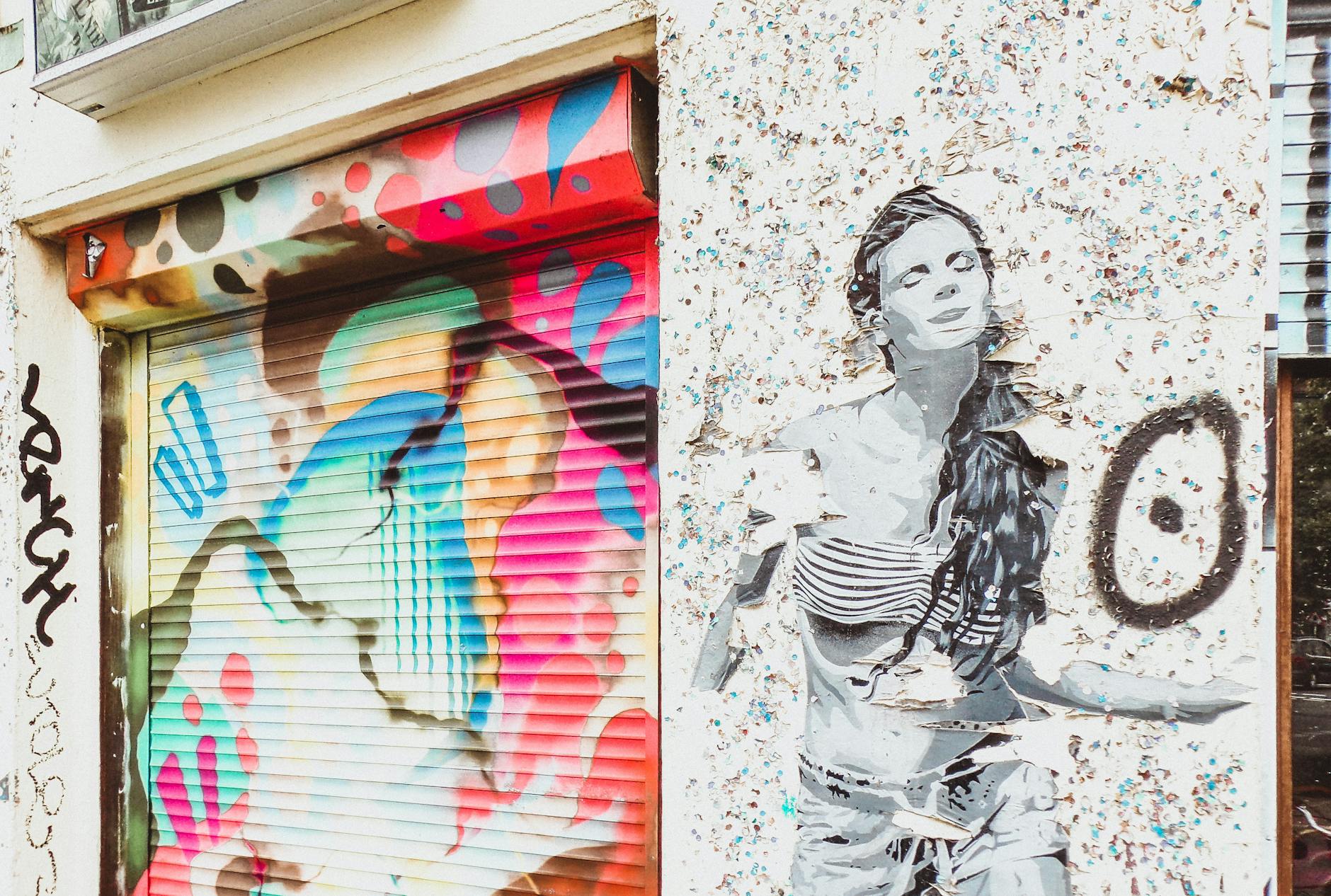
Budget travelers asking where to stay in Berlin often land in Friedrichshain — and for good reason. This former East Berlin district is home to Berlin’s cheapest hostels, the legendary Berghain techno club, the East Side Gallery (the longest remaining stretch of the Berlin Wall), and the RAW Gelände cultural compound.
The area around Warschauer Straße is the main hub — one of Berlin’s busiest transit stations handling over 85,000 passengers daily, with access to multiple S-Bahn, U-Bahn, and tram lines. Simon-Dach-Straße is lined with bars and restaurants, and the energy picks up considerably after dark.
RAW Gelände, a sprawling former railway repair yard, is worth visiting both day and night. During the day, you’ll find flea markets, a climbing wall, and art exhibitions. After sunset, it transforms into one of Berlin’s most vibrant nightlife compounds.
Friedrichshain is less polished than Mitte and less foodie-focused than Kreuzberg, but the combination of rock-bottom prices, excellent transport links, and proximity to Berlin’s legendary club scene makes it unbeatable for budget-conscious travelers and nightlife enthusiasts.
Where to stay: EastSeven Berlin Hostel is one of Europe’s top-rated hostels (dorms from €24/night). MEININGER Hotel Berlin East Side Gallery sits right next to the East Side Gallery (from €65/night). For something slightly more upscale, Michelberger Hotel is a creative-industry favorite with rooms from €100/night.
Transit: S+U Warschauer Straße (S3, S5, S7, S9, U1, U3), trams M10, M13. Excellent connections to Mitte (15 minutes) and Kreuzberg (5 minutes by U1).
Charlottenburg — Grand, Elegant, and Refined
For upscale travelers considering where to stay in Berlin, Charlottenburg offers old-world elegance. This West Berlin neighborhood anchored by the famous Kurfürstendamm boulevard offers luxury shopping, fine dining, and cultural attractions in a quieter, more refined setting than the city center.
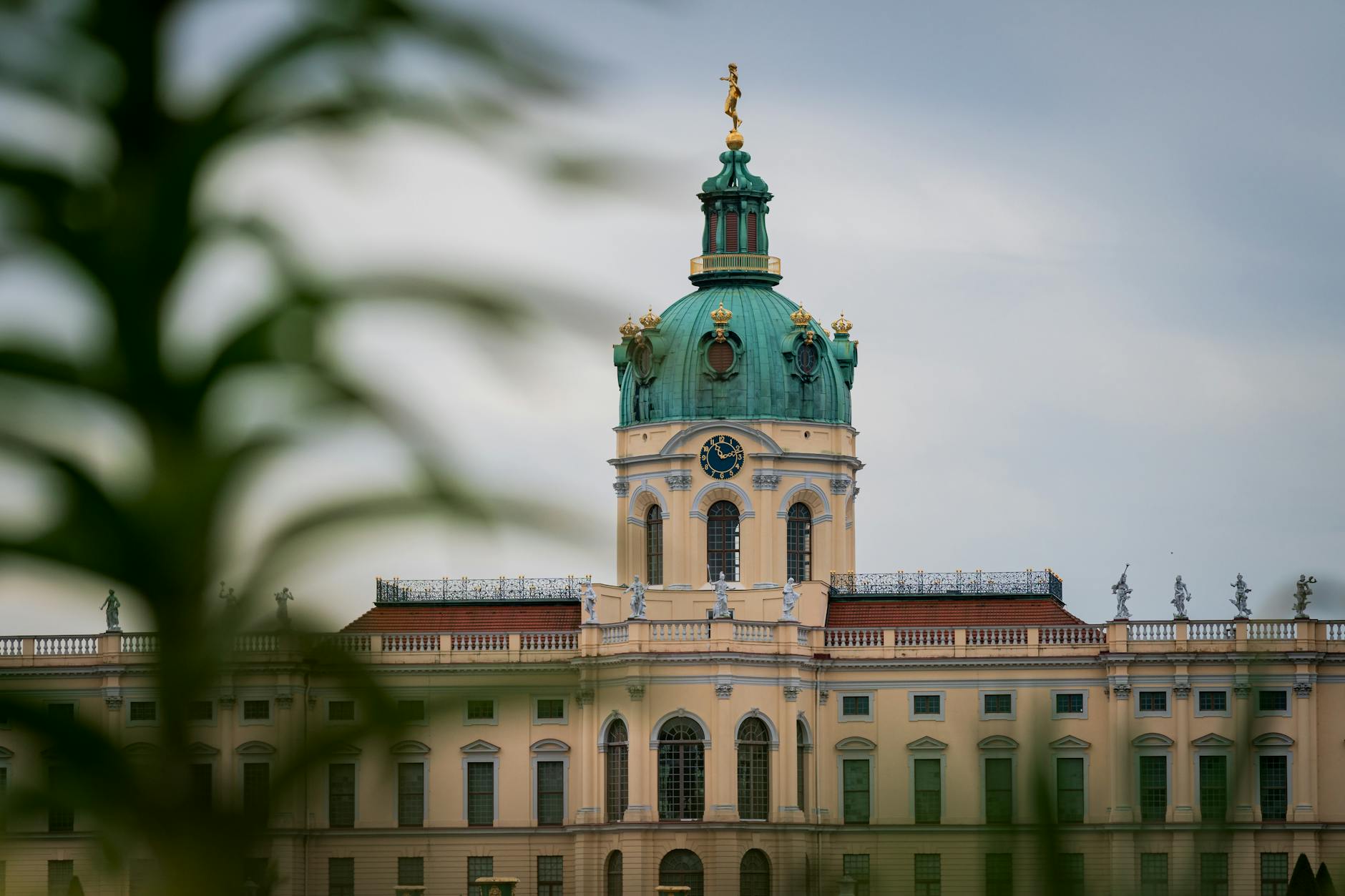
The Charlottenburg Palace is the neighborhood’s crown jewel — a magnificent Baroque and Rococo royal residence with formal gardens that rival Versailles in miniature. The surrounding area is filled with upscale restaurants, designer boutiques, and the Kaiser Wilhelm Memorial Church, whose bomb-damaged spire stands as a powerful reminder of wartime destruction.
KaDeWe (Kaufhaus des Westens) is just across the border in Schöneberg but feels part of the Charlottenburg experience — it’s Europe’s second-largest department store, and its food hall on the top floors is legendary.
Charlottenburg won’t give you the edgy Berlin experience, and the nightlife is subdued compared to the east. But for travelers who prefer luxury hotels, world-class shopping, and a more relaxed pace, it’s the obvious choice.
Where to stay: HYPERION Hotel Berlin (from €200/night) is part of the Leading Hotels of the World collection, with an 800 sqm Palace SPA. Hotel Bristol Berlin on Kurfürstendamm (from €180/night) is a classic grande dame. The Dean Berlin (opened February 2026) is a sleek new boutique option from €200/night.
Transit: S+U Zoologischer Garten (major hub), U Kurfürstendamm, U Wilmersdorfer Straße. Direct S-Bahn to Mitte in 15 minutes.
Neukölln — The Rising Star
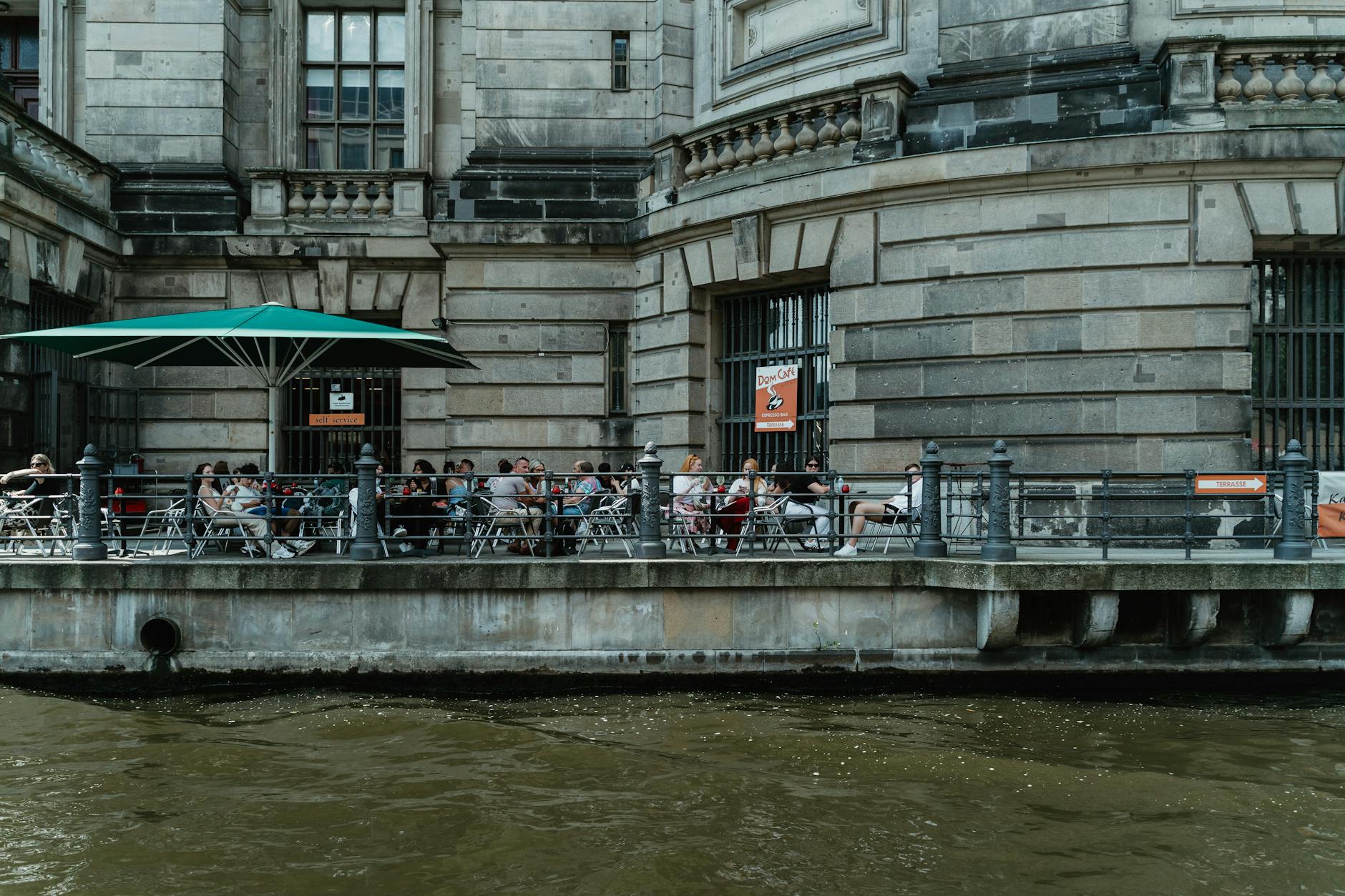
Neukölln is where Berlin’s creative class has been migrating over the past decade, and the neighborhood is evolving fast. What was once considered a no-go zone is now home to some of the city’s best bars, most interesting restaurants, and a thriving multicultural scene that feels more authentic than anywhere else in tourist Berlin.
The area around Weserstraße and the Schillerkiez (bordering Tempelhofer Feld) is the most appealing stretch for visitors. Cozy wine bars, international eateries, and late-night cafés line the streets, and the vibe is unpretentious in a way that Mitte and Prenzlauer Berg no longer quite manage.
The neighborhood’s biggest draw is Tempelhofer Feld — the former Tempelhof Airport converted into one of the world’s most unique urban parks. The runways are now used for cycling, skating, kite-flying, and urban gardening. There is nothing else like it anywhere in Europe.
Neukölln isn’t the most central neighborhood, and some areas are still rough around the edges. But if you want to see where Berlin is heading rather than where it’s been, this is the place.
Where to stay: Mercure Hotel Berlin Tempelhof (from €110/night) is a reliable four-star option near Tempelhofer Feld. Hüttenpalast (from €108/night) lets you sleep in a vintage caravan or wooden hut inside a converted factory — a quintessentially Berlin experience.
Transit: U7, U8 lines serve the neighborhood. Hermannplatz is the main transit hub. 15-20 minutes to Mitte by U-Bahn.
Schöneberg — History, LGBTQ+ Culture, and Residential Charm
Schöneberg has been the heart of Berlin’s LGBTQ+ community since the 1920s, and it remains one of Europe’s most important queer neighborhoods. The area around Nollendorfplatz and Motzstraße is lined with LGBTQ+-friendly bars, clubs, and cafés, and a memorial plaque at Nollendorfplatz station honors the gay and lesbian victims of National Socialism.
Beyond its LGBTQ+ significance, Schöneberg is a genuinely lovely residential neighborhood. Leafy streets of handsome 19th-century townhouses, excellent bakeries, and the bustling Winterfeldtplatz farmers’ market (Wednesdays and Saturdays) give it a calm, lived-in appeal.
The Axel Hotel Berlin is specifically designed to welcome LGBTQ+ travelers (though it bills itself as “heterofriendly” — everyone is welcome). Its rooftop bar with panoramic city views is worth a visit regardless of where you’re staying.
Where to stay: Axel Hotel Berlin (from €130/night) with rooftop bar and modern spa. LINDEMANN’S hotel (from €100/night) in the heart of the neighborhood. Both are walking distance to KaDeWe and the U-Bahn.
Transit: U1, U2, U3, U4 at Nollendorfplatz (major junction). 10 minutes to Potsdamer Platz, 15 minutes to Alexanderplatz.
Wedding — Ultra-Budget and Unfiltered
For ultra-budget travelers exploring where to stay in Berlin on the cheap, Wedding is the city at its most unvarnished. This working-class neighborhood in the northwest has been “up and coming” for years, and while gentrification is slowly creeping in, it remains one of the most affordable and authentic places to stay in the city.
You won’t find polished boutique hotels or Instagram-ready streetscapes here. What you will find are rock-bottom accommodation prices (from as little as €27/night), genuine Turkish and Vietnamese restaurants on Müllerstraße, weekly street markets at Leopoldplatz, and an emerging gallery scene that’s attracting Berlin’s next generation of artists.
The main downside is location — Wedding is the furthest from central Berlin’s attractions, and you’ll need to budget 25-30 minutes by U-Bahn to reach Mitte. But if your priority is saving money for experiences rather than accommodation, Wedding delivers.
Where to stay: Limehome Berlin Müllerstraße (from €45/night) offers clean, modern apartments with small kitchens. Steps-Hotel (from €27/night) is about as cheap as Berlin gets.
Transit: U6 (Wedding, Leopoldplatz stations), U9 (Amrumer Straße). 20-25 minutes to Mitte.
Airbnb vs. Hotels: What You Need to Know in 2026
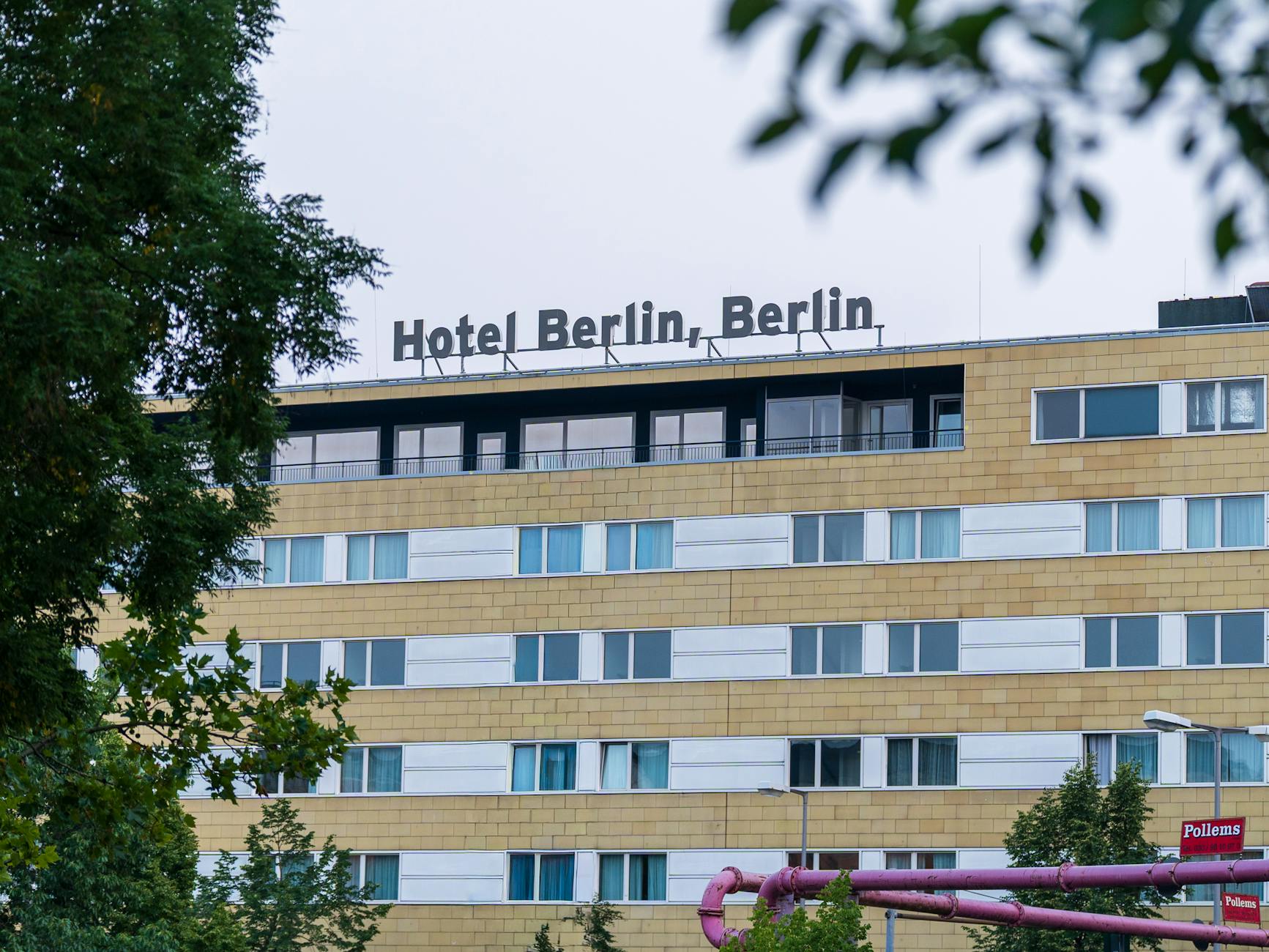
Berlin’s Airbnb regulations are among the strictest in Europe, and they tightened significantly in 2026. Before booking a short-term rental, understand the rules.
Property owners can rent out their primary residence on Airbnb without a day limit, but secondary residences are capped at 90 days per year. Every listing must display a valid registration number — the penalty for non-compliance is up to €500,000.
The biggest change arrived in May 2026: under a new EU regulation, platforms like Airbnb and Booking.com must now automatically share booking data with Germany’s Federal Network Agency. This means hosts who exceed the 90-day limit on secondary residences will be flagged automatically. One Berlin district (Lichtenberg) had already issued 717 penalties totaling €3.1 million in the three years before this regulation — enforcement will only accelerate.
For tourists, the practical advice is straightforward: if you book an Airbnb in Berlin, confirm the listing has a valid registration number. If it doesn’t, your booking could be cancelled, or the host could face massive fines. Hotels and registered guesthouses carry none of this risk.
Berlin also charges a mandatory 5% City Tax on all tourist accommodation (hotels and short-term rentals), added to your bill at checkout.
Berlin Transit Zones and the Welcome Card
Berlin’s public transport system is divided into three zones: A (city center), B (outer city), and C (surrounding Brandenburg region, including Potsdam and BER Airport).
Most tourists need a Zone AB ticket, which covers all of central Berlin including every neighborhood in this guide. A single AB day ticket costs €8.80 and gives you unlimited travel on U-Bahn, S-Bahn, trams, and buses.
If you’re arriving or departing via BER Airport, you’ll need a Zone ABC ticket for those journeys. You cannot add Zone C as an add-on to a Zone AB card — you must buy the ABC version upfront.
The Berlin Welcome Card (from €25 for 48 hours) bundles unlimited transit with discounts of 25-50% at over 200 attractions. The Museum Pass Berlin (€34 for 3 days) covers 30+ museums and is better value if you’re focused on Museum Island and galleries.
When to Book and How to Save
Berlin hotel prices fluctuate significantly by season. January and February are the cheapest months, with average rates around €100-120/night — roughly 25% less than peak season. September is the most expensive month (averaging €160-180/night), followed by July and the Christmas market period in December.
The sweet spot for value is April to May and October — pleasant weather, manageable crowds, and prices sitting comfortably between peak and off-season rates.
For the best deals, book approximately one month in advance. Last-minute bookings (5-7 days ahead) can also yield surprisingly good rates, especially midweek. Avoid booking during major trade fairs like ITB Berlin, which can inflate hotel prices by 10-15% across the city.
Where to Stay for Every Type of Traveler
First-time visitors: Start in Mitte. The convenience of walking to every major landmark is worth the premium, especially on a short trip.
Families: Prenzlauer Berg’s safe streets, parks, and family-friendly restaurants make it the clear winner. Charlottenburg is also excellent for families who prefer a quieter, more refined atmosphere.
Couples: Prenzlauer Berg for romance and charm, or Kreuzberg for adventure and late-night dining.
Budget travelers: Friedrichshain for the best hostels, or Wedding for absolute rock-bottom prices.
Nightlife seekers: Kreuzberg for bars and alternative nightlife, Friedrichshain for techno and clubs (Berghain, RAW Gelände).
LGBTQ+ travelers: Schöneberg for the historic queer quarter, though Kreuzberg and Friedrichshain also have thriving modern queer scenes.
Luxury travelers: Charlottenburg for palace-adjacent elegance, or Mitte for the Adlon and other five-star flagships near Brandenburg Gate.
Digital nomads: Kreuzberg and Prenzlauer Berg both have excellent café culture, reliable WiFi, and growing coworking scenes.
Plan Your Berlin Stay
Berlin rewards travelers who choose their neighborhood thoughtfully. The city is too large and too varied to treat as a single destination — each Kiez (local neighborhood) is its own world, with its own rhythm, cuisine, and character.
Our advice: pick the neighborhood that matches your travel style, book accommodation that fits your budget, and leave room to explore beyond your home base. Berlin’s public transport makes it easy to hop between neighborhoods in minutes, so you’re never locked into just one part of the city.
For deeper dives into specific neighborhoods and accommodation types, explore our detailed guides on the best neighborhoods for tourists, hotels in Mitte, hotels in Kreuzberg, hotels in Prenzlauer Berg, Charlottenburg hotels, the best hostels in Berlin, boutique hotels, where to stay for nightlife, and our comprehensive Berlin accommodation guide.