Things to Do in Berlin: 50+ Best Activities & Attractions (2026)
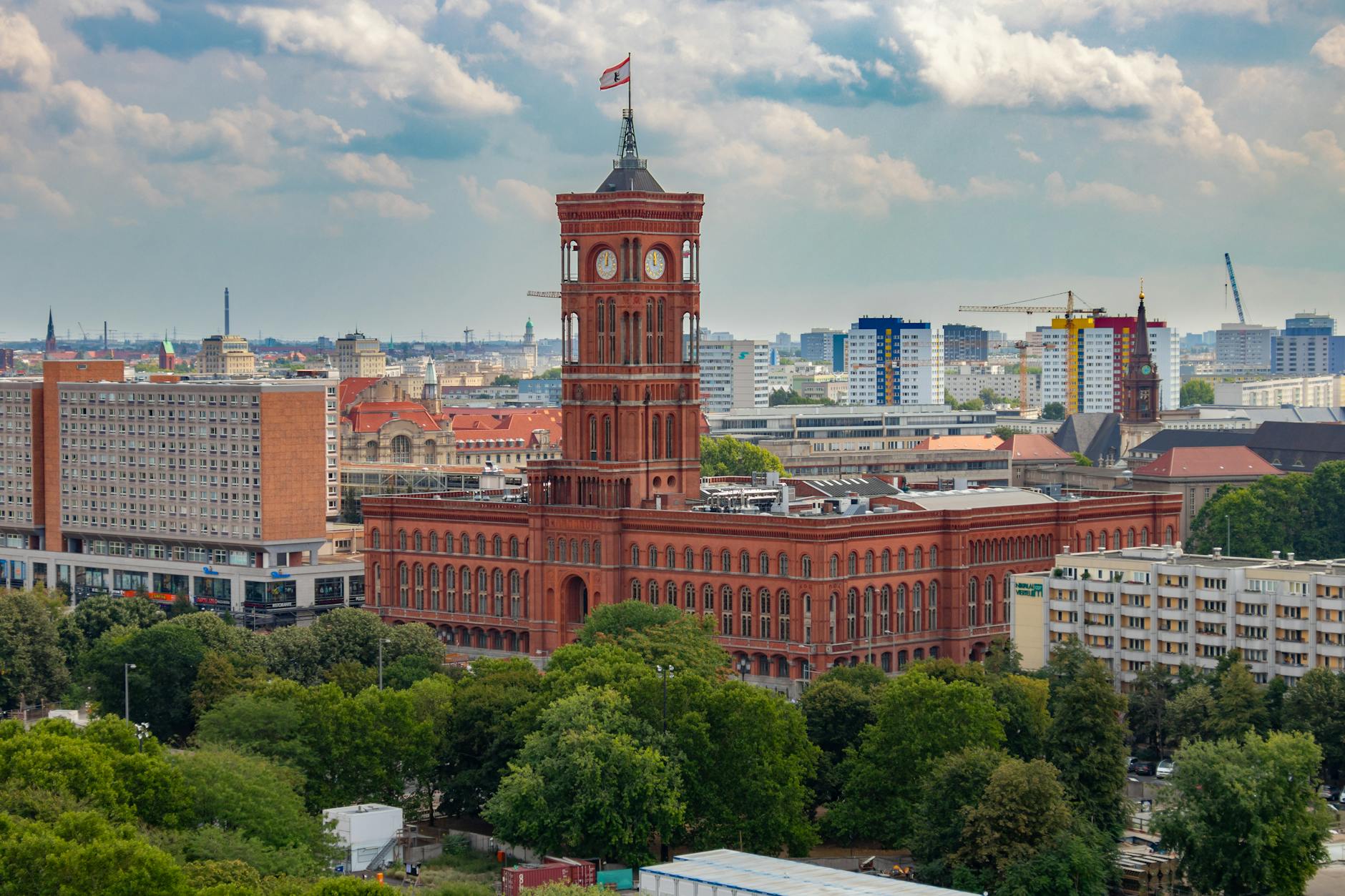
Why Berlin Should Be Your Next Destination
Berlin is a city that refuses to be put in a box. One moment you’re standing before a preserved stretch of the Berlin Wall, tracing decades of history with your fingertips. The next, you’re sipping craft beer in a converted warehouse while a DJ spins vinyl in the corner. Few cities in the world manage to blend deep historical weight with such raw, creative energy — and that contrast is exactly what makes Berlin one of Europe’s most compelling destinations.
Whether you’re drawn to world-class museums, legendary nightlife, sprawling green parks, or some of the most diverse street food scenes on the continent, Berlin delivers. And unlike many European capitals, it does so without emptying your wallet. Berlin remains one of the most affordable major cities in Western Europe, making it ideal for budget travelers, families, and luxury seekers alike.
This guide covers more than 50 of the best things to do in Berlin — organized by neighborhood, interest, and season — so you can plan the trip that fits you perfectly.
Iconic Landmarks and Historical Sites
No visit to Berlin is complete without experiencing the landmarks that define the city’s extraordinary past and its resilient present.
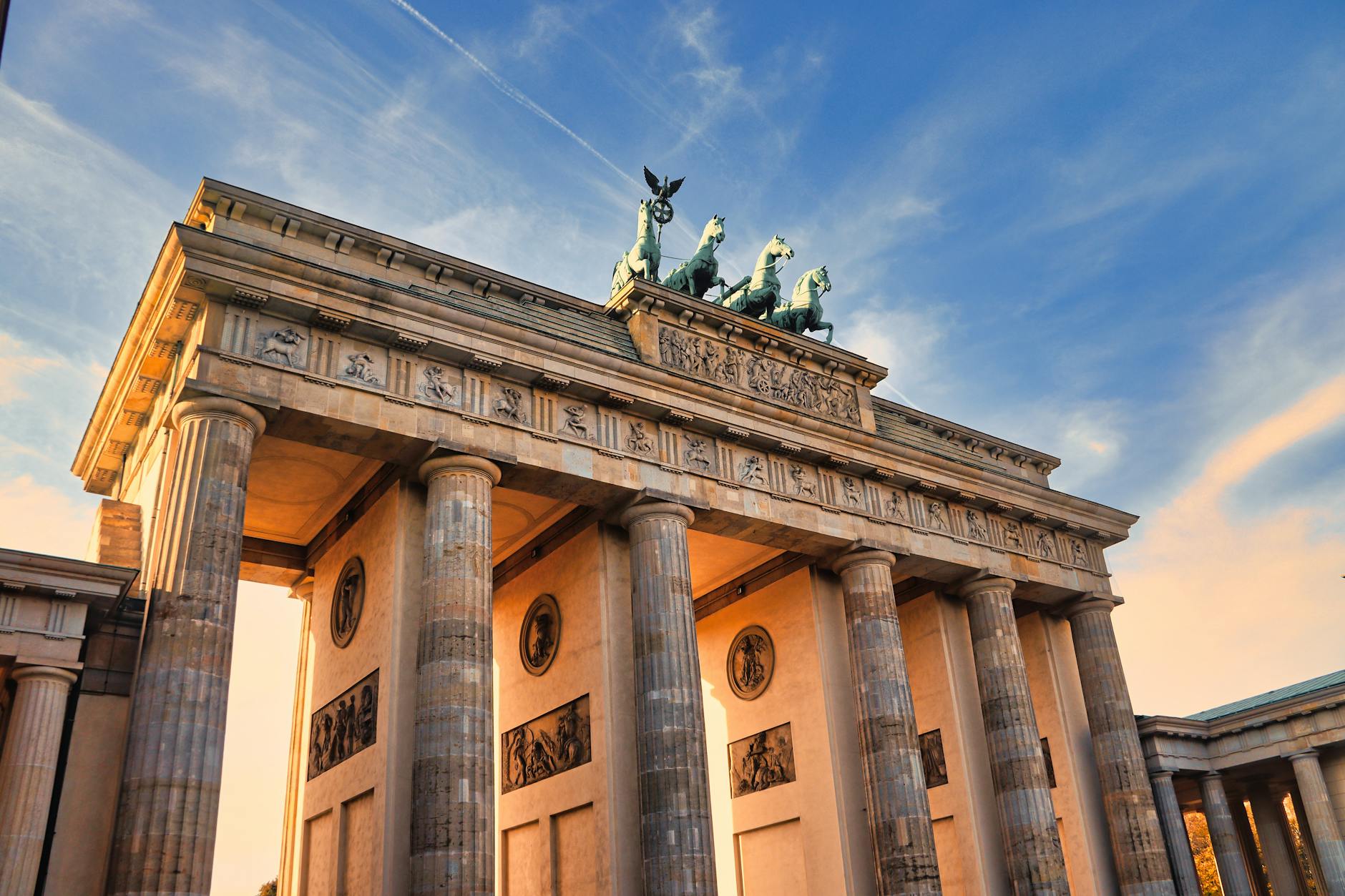
Brandenburg Gate (Brandenburger Tor)
The Brandenburg Gate stands as Berlin’s most recognizable symbol. Built in 1791 as a neoclassical triumphal arch, it witnessed Napoleon’s march into the city, served as a backdrop to some of the 20th century’s most pivotal moments, and became the ultimate symbol of German reunification in 1989. Today, it anchors Pariser Platz and serves as the starting point for many walking tours of the city.
The gate is most magical at dusk when the floodlights come on, casting the Quadriga sculpture in golden light against the evening sky. Arrive early in the morning if you want photos without crowds. The square is open 24/7 and free to visit.
Location: Pariser Platz, 10117 Berlin | Nearest station: S+U Brandenburger Tor | Cost: Free
The Berlin Wall Memorial (Gedenkstätte Berliner Mauer)
While fragments of the Wall exist across the city, the Berlin Wall Memorial on Bernauer Straße offers the most comprehensive and emotionally powerful experience. The outdoor exhibition stretches 1.4 kilometers along the former border strip, preserving the last piece of the Wall with its full depth of fortifications — including the watchtower, death strip, and border installations.
The visitor center and documentation center are both free. Head to the viewing platform on the documentation center’s top floor for a perspective that makes the scale of the division viscerally real.
Location: Bernauer Str. 111, 13355 Berlin | Hours: Outdoor area open 24/7; Visitor Center Tue–Sun 10:00–18:00 | Cost: Free | Nearest station: U Bernauer Straße
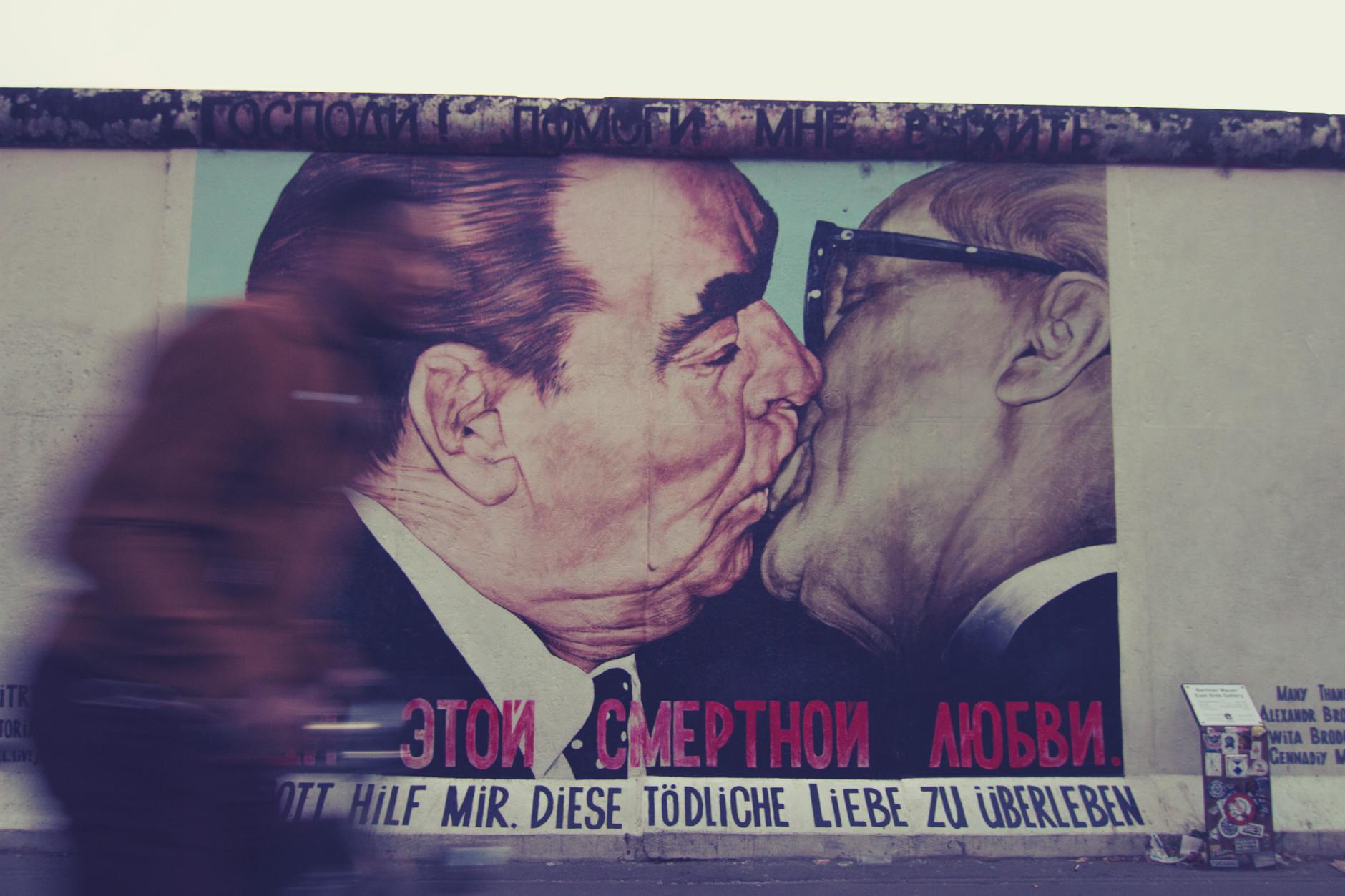
East Side Gallery
The East Side Gallery is the longest remaining stretch of the Berlin Wall at 1.3 kilometers, transformed into the world’s largest open-air gallery. Over 100 artists from around the globe painted murals on the Wall’s east side after reunification, including the iconic “Fraternal Kiss” by Dmitri Vrubel depicting Brezhnev and Honecker.
Walk the full length along the Spree River — ideally in the morning before tour groups arrive. The artwork is powerful, political, and deeply personal. It’s free and open around the clock.
Location: Mühlenstraße, 10243 Berlin | Cost: Free | Nearest station: S Ostbahnhof
Reichstag Building and Glass Dome
The Reichstag is home to the German Bundestag (parliament) and features Norman Foster’s stunning glass dome, which you can visit for free — but you must register online in advance. The dome offers 360-degree views of Berlin’s skyline, and the audio guide explains the surrounding landmarks as you walk the spiraling ramp to the top.
Book your visit at least two weeks ahead, as slots fill up quickly, especially during summer. Evening visits offer spectacular sunset views over the Tiergarten.
Location: Platz der Republik 1, 11011 Berlin | Hours: Daily 8:00–24:00 (last entry 22:00) | Cost: Free (registration required at bundestag.de) | Nearest station: S+U Brandenburger Tor
Checkpoint Charlie
The most famous Cold War crossing point between East and West Berlin, Checkpoint Charlie is a must-see for history enthusiasts. While the outdoor checkpoint replica and signage are free to view, the real depth comes from the Mauermuseum (Checkpoint Charlie Museum), which documents daring escape attempts and the human stories behind the Wall.
The area is touristy — skip the costumed “soldiers” offering photo ops — but the museum is genuinely moving.
Location: Friedrichstraße 43-45, 10117 Berlin | Museum hours: Daily 9:00–22:00 | Museum cost: €17.50 adults, €12.50 students | Nearest station: U Kochstraße
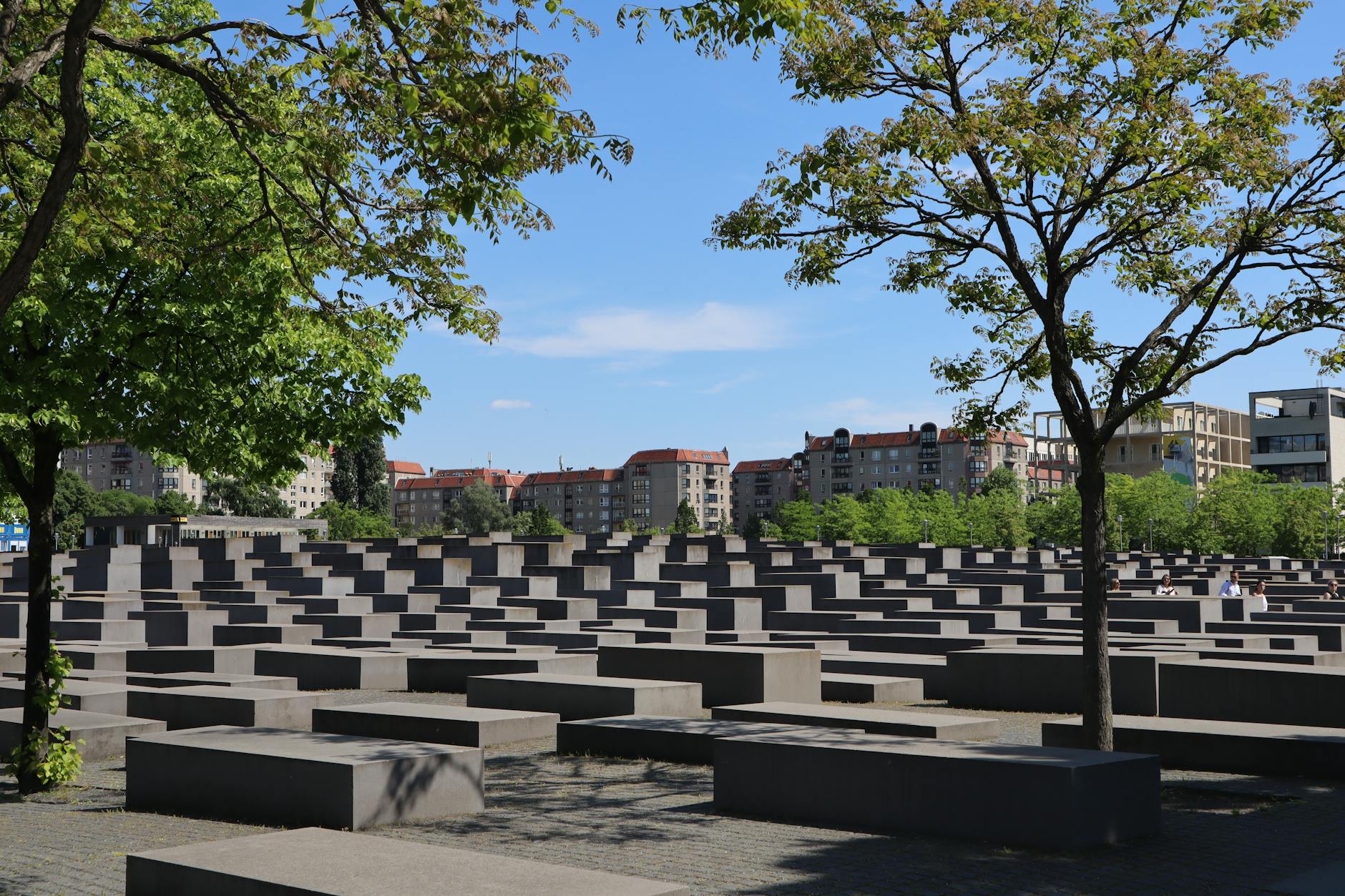
Memorial to the Murdered Jews of Europe (Holocaust Memorial)
Peter Eisenman’s striking memorial near Brandenburg Gate consists of 2,711 concrete stelae of varying heights arranged in a grid pattern on sloping ground. Walking through the narrow pathways creates a disorienting, reflective experience that conveys the scale and gravity of the Holocaust.
Beneath the memorial, the underground information center provides deeply personal stories of victims through letters, diaries, and family photographs. Allow at least 90 minutes for both the memorial field and the exhibition.
Location: Cora-Berliner-Straße 1, 10117 Berlin | Hours: Memorial open 24/7; Information center Tue–Sun 10:00–19:00 (Apr–Sep), 10:00–18:00 (Oct–Mar) | Cost: Free | Nearest station: S+U Brandenburger Tor
World-Class Museums and Galleries
Berlin is home to over 170 museums, making it one of the richest cultural cities on earth. Whether you have half a day or a full week, these collections will leave a lasting impression.
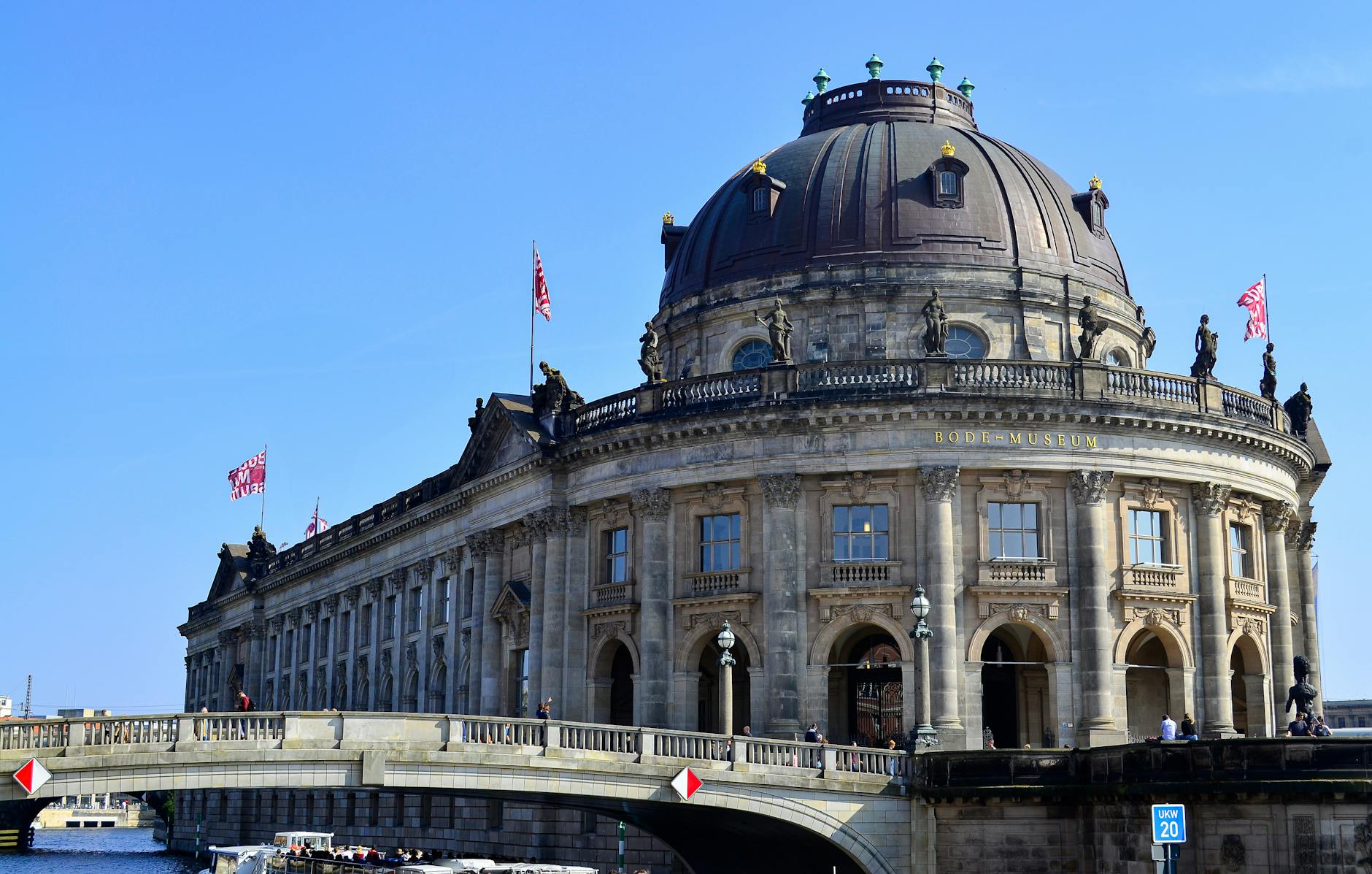
Museum Island (Museumsinsel)
This UNESCO World Heritage Site in the heart of the Spree River is home to five extraordinary museums: the Pergamon Museum (currently undergoing partial renovation), the Neues Museum, the Alte Nationalgalerie, the Altes Museum, and the Bode Museum. Together they span 6,000 years of human history.
The Neues Museum houses the famous bust of Nefertiti, while the Pergamon Museum’s Ishtar Gate of Babylon is one of the most jaw-dropping archaeological reconstructions anywhere. A day pass covering all five museums costs €22 and represents outstanding value.
Location: Bodestraße 1-3, 10178 Berlin | Hours: Vary by museum; generally Tue–Sun 10:00–18:00 (Thu until 20:00) | Cost: €22 day pass / individual museums €12–14 | Nearest station: S Hackescher Markt
Topography of Terror
Built on the site of the former Gestapo and SS headquarters, this documentation center chronicles the rise and mechanisms of Nazi terror through photographs, documents, and detailed exhibitions. The outdoor exhibition follows the excavated basement cells where prisoners were held.
It’s one of Berlin’s most important historical sites and entirely free. Plan at least two hours.
Location: Niederkirchnerstraße 8, 10963 Berlin | Hours: Daily 10:00–20:00 | Cost: Free | Nearest station: S+U Potsdamer Platz
DDR Museum
For an interactive look at daily life in East Germany, the DDR Museum lets you sit in a Trabant car, explore a reconstructed East German apartment, and discover the surveillance, education, and consumer culture of the GDR. It’s hands-on, engaging, and great for families.
Location: Karl-Liebknecht-Str. 1, 10178 Berlin | Hours: Daily 10:00–20:00 (Sat until 22:00) | Cost: €13.50 adults, €8.50 children | Nearest station: S Hackescher Markt
Jewish Museum Berlin
Daniel Libeskind’s angular zinc-clad building is an architectural masterpiece that tells the story of Jewish life and culture in Germany spanning two millennia. The building itself — with its voids, tilted walls, and axis pathways — is as much a part of the narrative as the exhibits inside.
Location: Lindenstraße 9-14, 10969 Berlin | Hours: Daily 10:00–19:00 | Cost: €8 adults, free for under 18 | Nearest station: U Hallesches Tor
Urban Nation Museum for Urban Contemporary Art
If street art is your thing, this free museum in Schöneberg showcases large-scale murals, installations, and rotating exhibitions from leading urban and contemporary artists. Berlin’s street art scene is legendary, and this museum puts it in a gallery context without losing its edge.
Location: Bülowstraße 7, 10783 Berlin | Hours: Tue–Sun 10:00–18:00 | Cost: Free | Nearest station: U Nollendorfplatz
Parks, Gardens, and Outdoor Activities
Berlin is one of Europe’s greenest capitals, with roughly a third of the city covered by forests, parks, rivers, and lakes. When the sun comes out, Berliners head outdoors — and you should too.
Tiergarten
Berlin’s largest and most central park spans 520 acres of woodland, meadows, and winding paths. It’s perfect for jogging, cycling, picnicking, or simply wandering. The Siegessäule (Victory Column) at its center offers panoramic views from the observation deck (€4). In summer, the park’s beer gardens and café terraces fill up on sunny afternoons.
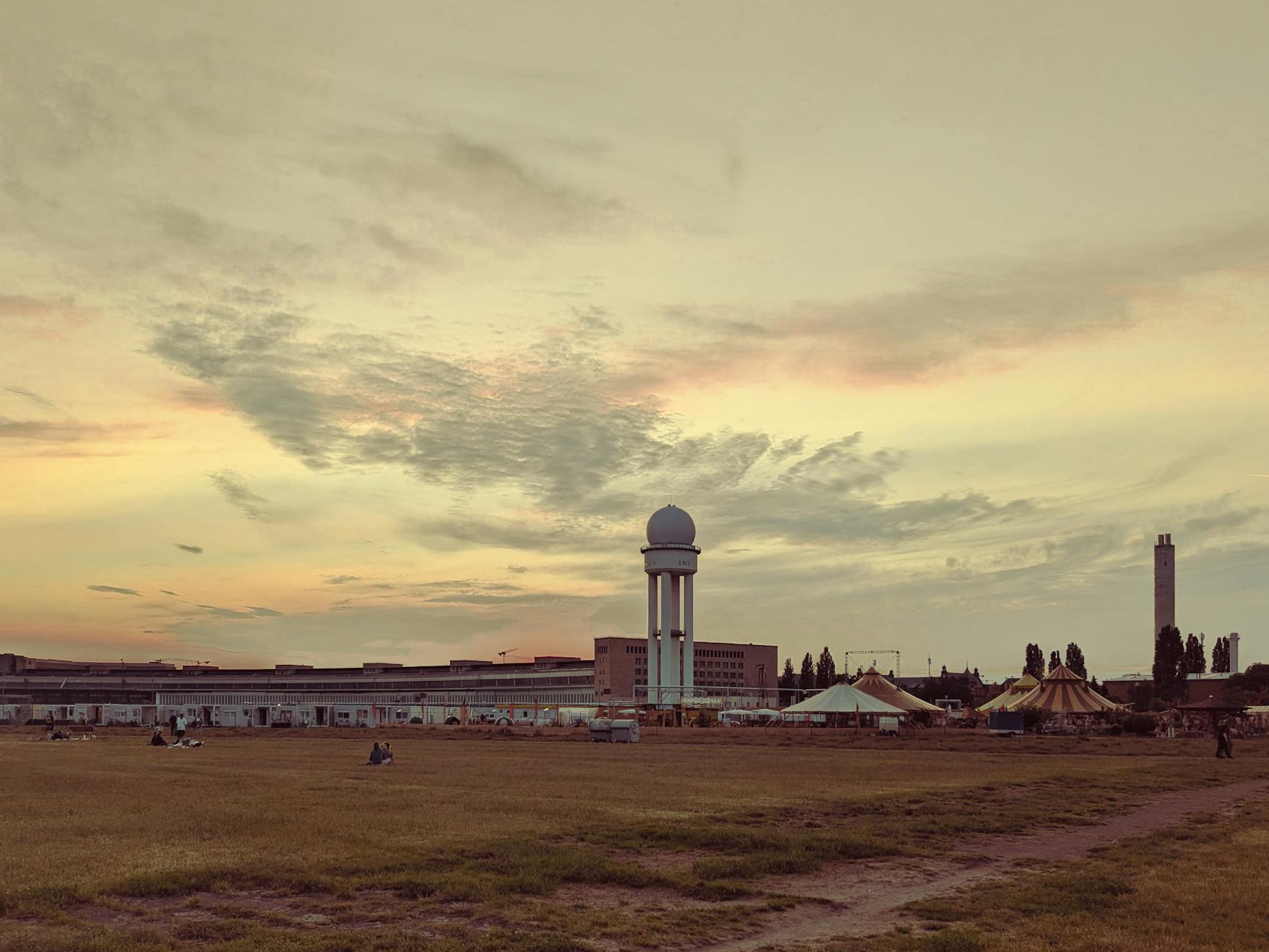
Tempelhofer Feld
Few places capture Berlin’s creative spirit like Tempelhof, a former airport turned into one of the world’s most unique urban parks. The runways are now used for cycling, skating, kite-flying, and urban gardening. Rent inline skates at the entrance or bring a picnic and join the locals spread out across the vast open field. The sheer scale is breathtaking — there’s nothing quite like it anywhere else.
Location: Tempelhofer Damm, 12101 Berlin | Hours: Dawn to dusk (varies seasonally) | Cost: Free
Treptower Park and the Soviet War Memorial
This sprawling riverside park along the Spree is a favorite among locals for barbecues and lazy weekend afternoons. At its heart stands the imposing Soviet War Memorial, one of the largest military memorials in Europe, with a 12-meter statue of a Soviet soldier. It’s solemn, powerful, and surprisingly uncrowded.
Lakes and Swimming
Berliners flock to the surrounding lakes in summer. Schlachtensee, Wannsee, and Müggelsee are all reachable by S-Bahn and perfect for swimming, sunbathing, and stand-up paddleboarding. Strandbad Wannsee is Europe’s longest inland beach. Pack a towel and a picnic — a lake day is quintessentially Berlin.
Cycling Along the Spree
Berlin is exceptionally bike-friendly, with over 1,000 kilometers of dedicated cycling paths. Rent a bike and follow the Spree River from Museum Island through Kreuzberg and Treptow, or take the Mauerradweg (Berlin Wall Trail) that traces the entire former border for 160 kilometers.
Neighborhoods Worth Exploring
Berlin’s neighborhoods each have their own distinct character. Spending time in different Kieze (local neighborhoods) is one of the best ways to understand the city.
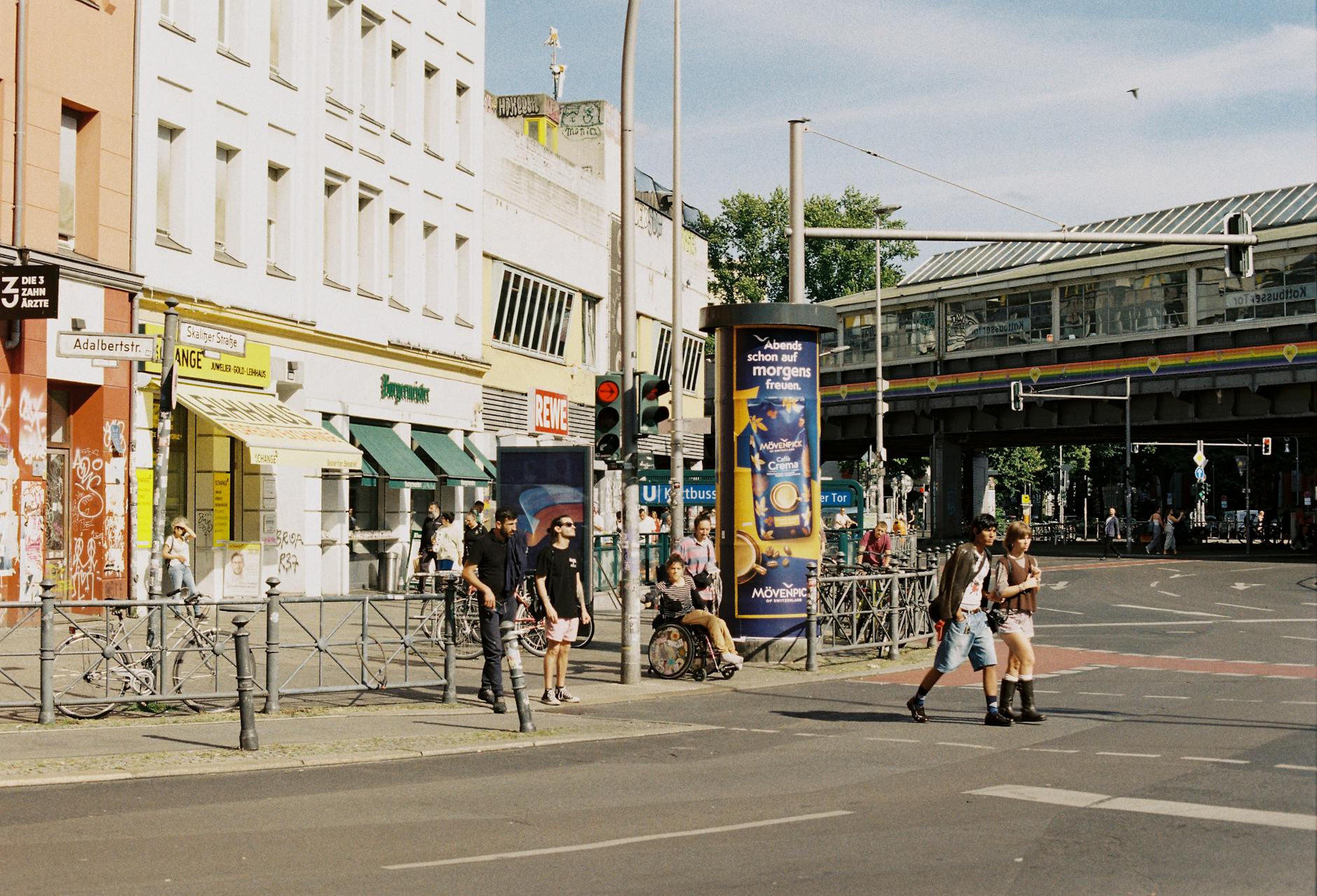
Kreuzberg
Berlin’s most multicultural neighborhood is a patchwork of Turkish bakeries, punk bars, artist studios, and some of the city’s best street food. Walk along the Landwehr Canal, browse the stalls at the Turkish Market on Maybachufer (Tuesdays and Fridays), and discover world-class döner kebabs that have become a Berlin institution.
Kreuzberg is also home to some of the city’s most impressive street art. Take a self-guided walking tour through the backstreets between Kottbusser Tor and Schlesisches Tor.
Mitte
The historic heart of Berlin, Mitte is where you’ll find Museum Island, Unter den Linden, Hackescher Markt, and the government quarter. It’s the most tourist-accessible neighborhood but still has hidden courtyards (Höfe) worth exploring — especially the Hackesche Höfe, a stunning Art Nouveau courtyard complex filled with boutiques, galleries, and cafés.
Prenzlauer Berg
Once a bohemian East Berlin neighborhood, Prenzlauer Berg has evolved into one of Berlin’s most charming residential areas. Think tree-lined streets, independent bookshops, artisan coffee roasters, and the famous Mauerpark flea market and karaoke sessions on Sundays. It’s particularly popular with families and young professionals.
Friedrichshain
Edgier and more alternative than neighboring Prenzlauer Berg, Friedrichshain is the beating heart of Berlin’s nightlife scene. The area around Warschauer Straße and Simon-Dach-Straße buzzes with bars, clubs, and late-night eateries. The RAW Gelände compound — a former rail yard turned cultural venue — hosts flea markets, beer gardens, a climbing wall, and some of the city’s best underground events.
Charlottenburg
West Berlin’s grand dame offers a different flavor — elegant boulevards, the opulent Charlottenburg Palace and its Baroque gardens, the luxury boutiques of Kurfürstendamm, and the photogenic ruins of the Kaiser Wilhelm Memorial Church. It’s quieter and more refined, and the palace grounds alone are worth an afternoon.
Neukölln
Rapidly evolving and full of surprises, Neukölln is where creative types have been settling in recent years. The Schillerkiez area near Tempelhofer Feld has excellent bars and restaurants, while the Weserstraße strip is packed with cozy bars and international eateries. It’s authentic, unpretentious, and still very much a neighborhood in motion.
Food, Drink, and Culinary Experiences
Berlin’s food scene has exploded in the past decade, moving far beyond its Currywurst and schnitzel reputation — though those classics are still absolutely worth trying.
Must-Try Berlin Foods
Currywurst: Berlin’s iconic street food — a sliced, grilled pork sausage doused in curry-spiced ketchup. Curry 36 in Kreuzberg and Konnopke’s Imbiss in Prenzlauer Berg are the two most celebrated spots, each with devoted followings.
Döner Kebab: Berlin is widely credited as the birthplace of the modern döner kebab, and the city takes it seriously. Mustafa’s Gemüse Kebap attracts legendary lines, but Rüyam Gemüse Kebab and Imren Grill offer the same quality without the wait.
Schnitzel: For a proper Wiener Schnitzel, head to Scheers Schnitzel in Friedrichshain or the old-school Gasthaus Krombach in Charlottenburg.
Food Markets and Halls
Markthalle Neun: Kreuzberg’s beautifully restored 19th-century market hall hosts the famous Street Food Thursday event weekly, alongside daily stalls selling artisan breads, cheeses, and global cuisine.
Turkish Market on Maybachufer: Every Tuesday and Friday, this canal-side market overflows with fresh produce, Turkish and Middle Eastern specialties, fabrics, and flowers.
Bite Club: A rotating open-air street food event held at various riverside locations during warmer months, featuring Berlin’s most creative food vendors.
Craft Beer and Coffee
Berlin’s craft beer scene is thriving. Visit BRLO Brwhouse near Gleisdreieck Park, Vagabund Brauerei in Wedding, or Stone Brewing’s massive Berlin taproom in Mariendorf. For specialty coffee, The Barn, Bonanza Coffee, and Five Elephant are all world-class roasters with multiple locations.
Berlin for Families
Berlin is surprisingly family-friendly, with countless activities that keep children engaged and parents happy.
The Berlin Zoo (Zoologischer Garten) is one of the oldest and most diverse zoos in the world, home to over 20,000 animals. Combined with the adjacent Aquarium, it’s easily a full-day outing. Adults pay €18.50, children (4-15) €9.
The Natural History Museum (Museum für Naturkunde) features the world’s tallest mounted dinosaur skeleton — the Giraffatitan brancai — and kids love the interactive exhibits. The Legoland Discovery Centre at Potsdamer Platz is perfect for younger children, while the German Museum of Technology (Deutsches Technikmuseum) spans aviation, rail, and computing with hands-on exhibits spread across a massive campus.
For outdoor family fun, rent pedal boats on the Spree, take a swim at one of the lakes, or spend a Sunday morning at the Mauerpark flea market followed by the famous outdoor karaoke.
Berlin for Couples
Berlin has a romantic side that reveals itself if you know where to look. Watch the sunset from the Modersohn Bridge in Friedrichshain as trains cross the Spree below. Take a private boat tour through the city’s canal system. Share cocktails at one of Kreuzberg’s hidden speakeasy bars — Buck and Breck or Schwarze Traube are both intimate, reservation-only gems.
For a classic date, book dinner at Nobelhart und Schmutzig, a one-Michelin-star restaurant showcasing hyper-local German ingredients, or enjoy a candlelit evening at Clärchens Ballhaus, a century-old dance hall in Mitte where you can waltz or tango under ornate chandeliers.
Free Things to Do in Berlin
Berlin is remarkably generous with free experiences. The East Side Gallery, Berlin Wall Memorial, Holocaust Memorial, Topography of Terror, and Reichstag dome are all free. Tempelhofer Feld, Tiergarten, and Treptower Park offer endless outdoor exploration at no cost.
Many museums offer free admission on the first Sunday of each month, and the Berlin Welcome Card (starting at €25 for 48 hours) includes free public transit and discounts of up to 50% at 200+ attractions.
Street art tours, self-guided neighborhood walks, and simply wandering through flea markets are some of Berlin’s greatest pleasures — and they won’t cost you a cent.
Seasonal Activities and Events
Berlin transforms with the seasons, and timing your visit right can unlock unforgettable experiences.
Spring (March – May)
Cherry blossoms bloom along the former Wall path in Mauerpark and at the Japanese Garden in Gärten der Welt. The Karneval der Kulturen (Carnival of Cultures) in May celebrates Berlin’s diversity with a massive street parade through Kreuzberg.
Summer (June – August)
Long days (sunrise before 5 AM, sunset after 9 PM) mean outdoor cinemas, lake swimming, open-air festivals, and beer gardens everywhere. The Fête de la Musique on June 21 fills every corner of the city with free live music. The Classic Open Air festival at Gendarmenmarkt brings world-class orchestral performances to one of Berlin’s most beautiful squares.
Autumn (September – November)
The Festival of Lights in October transforms landmarks like the Brandenburg Gate, Berlin Cathedral, and TV Tower into illuminated canvases. The Berlin Marathon in September draws 45,000+ runners from around the world. Autumn foliage makes Tiergarten and Charlottenburg Palace gardens particularly photogenic.
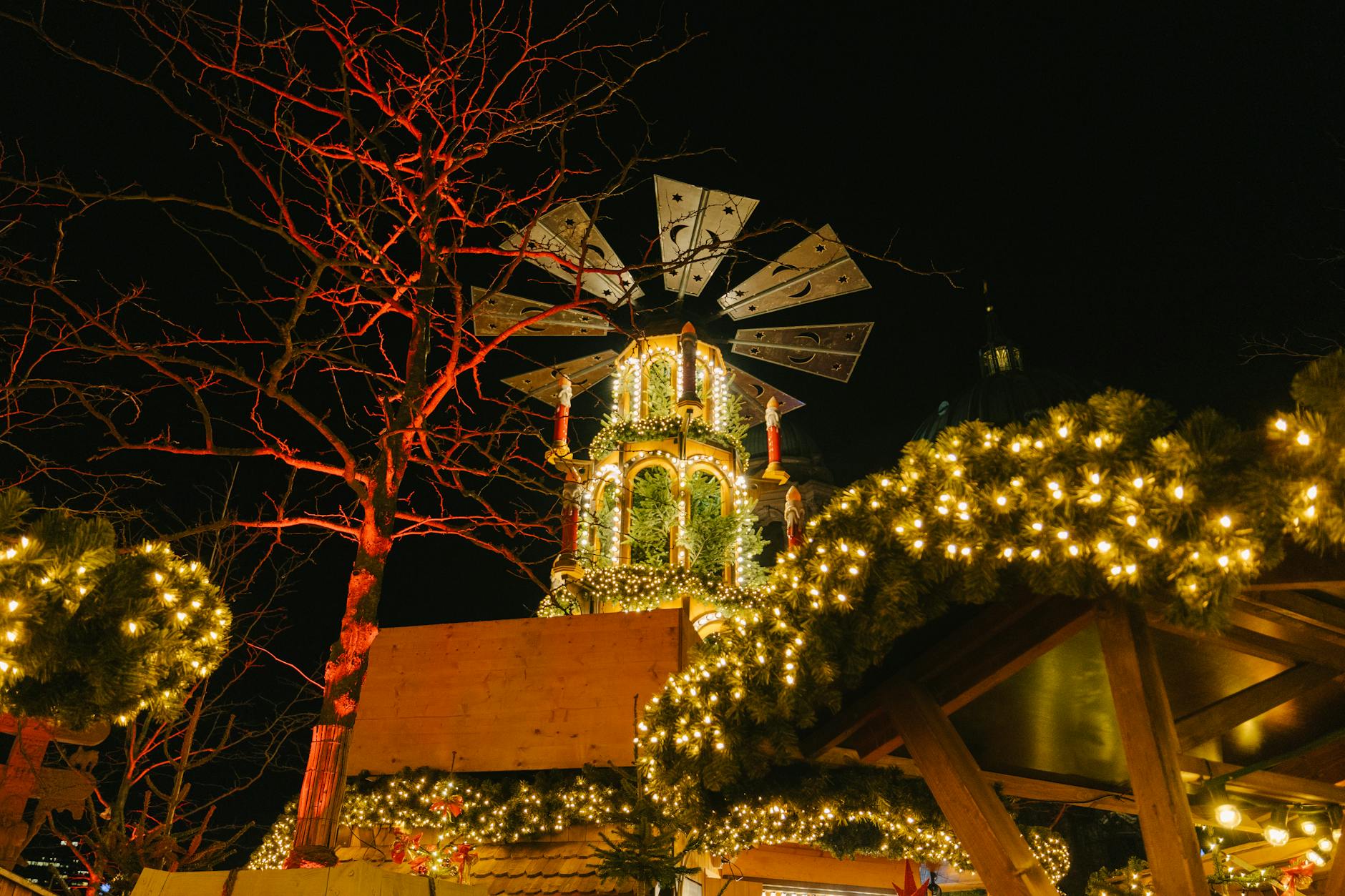
Winter (December – February)
Berlin’s Christmas markets are legendary. The Gendarmenmarkt Christmas market is the most elegant, while the one at Charlottenburg Palace is the most atmospheric. Alexanderplatz hosts the largest, and smaller neighborhood markets in Rixdorf (Neukölln) offer a more authentic, local feel. Don’t miss Glühwein (mulled wine) at every turn.
New Year’s Eve at Brandenburg Gate is one of Europe’s biggest open-air celebrations, drawing hundreds of thousands of revelers.
Hidden Gems and Unusual Experiences
Beyond the guidebook highlights, Berlin rewards the curious traveler.
Teufelsberg: A Cold War-era NSA listening station built atop a hill of WWII rubble, now covered in street art and offering some of the best views over the Grunewald forest. Guided tours available on weekends.
Spreepark: An abandoned amusement park in Treptow that’s been slowly reopening for guided tours. The rusting Ferris wheel and overgrown roller coaster are hauntingly photogenic.
Molecule Man: A 30-meter aluminum sculpture of three figures merging where three Berlin boroughs meet on the Spree. Best photographed from the Oberbaum Bridge.
Badeschiff: A floating swimming pool in the Spree River in Treptow — literally a barge filled with filtered water. It’s open for swimming in summer and converts to a sauna complex in winter.
Bonbon Macherei: Watch traditional candy being handmade in this tiny Prenzlauer Berg shop that’s been operating since reunification. Perfect for picking up edible souvenirs.
Markthalle Neun Street Food Thursday: While not exactly hidden anymore, the Thursday evening event remains one of Berlin’s best culinary experiences — arrive before 17:30 to beat the crowds.
Practical Tips for Getting the Most Out of Berlin
Getting around: Berlin’s BVG public transit system is excellent and covers S-Bahn, U-Bahn, trams, and buses. A day ticket (Tageskarte) for zones AB costs €8.80 and covers virtually everywhere you’ll need to go. The city is also very walkable and cycling is a genuine alternative — Nextbike and Lime offer affordable bike rentals.
Best time to visit: May through September offers the best weather and longest days. December is magical for Christmas markets. Berlin is a year-round destination, though January and February can be cold and gray.
Berlin Welcome Card vs. Museum Pass: The Berlin Welcome Card (from €25/48hrs) is best for transit-heavy trips with selective sightseeing. The Museum Pass Berlin (€34/3 days) covers 30+ museums and is better value if you’re a museum-focused traveler.
Language: English is widely spoken in central Berlin, especially in restaurants, shops, and tourist areas. Learning a few German phrases (Danke, Bitte, Entschuldigung) is always appreciated.
Tipping: Round up to the nearest euro for small purchases. For restaurant meals, 5-10% is standard. Tell the server your total when paying — don’t leave cash on the table.
Safety: Berlin is very safe for tourists. Use normal big-city awareness, especially on public transit late at night and at tourist hotspots where pickpocketing can occur.
Plan Your Perfect Berlin Trip
Berlin is a city that has something for everyone — whether you’re a history buff, a foodie, an art lover, a family on holiday, or a couple seeking something different. The key is not trying to see everything in one visit. Pick the neighborhoods and themes that excite you most, leave room for wandering, and trust that Berlin will surprise you in the best possible way.
Ready to start planning? Explore our detailed guides on free things to do in Berlin, hidden gems in Berlin, romantic things to do for couples, unusual Berlin experiences, the best Berlin experiences, outdoor activities, Berlin at night, and seasonal activities for even more inspiration.